
TL;DR

Get travel and outdoor gear delivered free with Prime
- Fast, free delivery on millions of items
- Prime Video, Amazon Music and more included
- Member-only deals all year
A powerful local tool can transform one video into a full publishing package—video clips, social content, media kits—without needing the cloud. It streamlines your workflow, keeps your content private, and gives you total control.
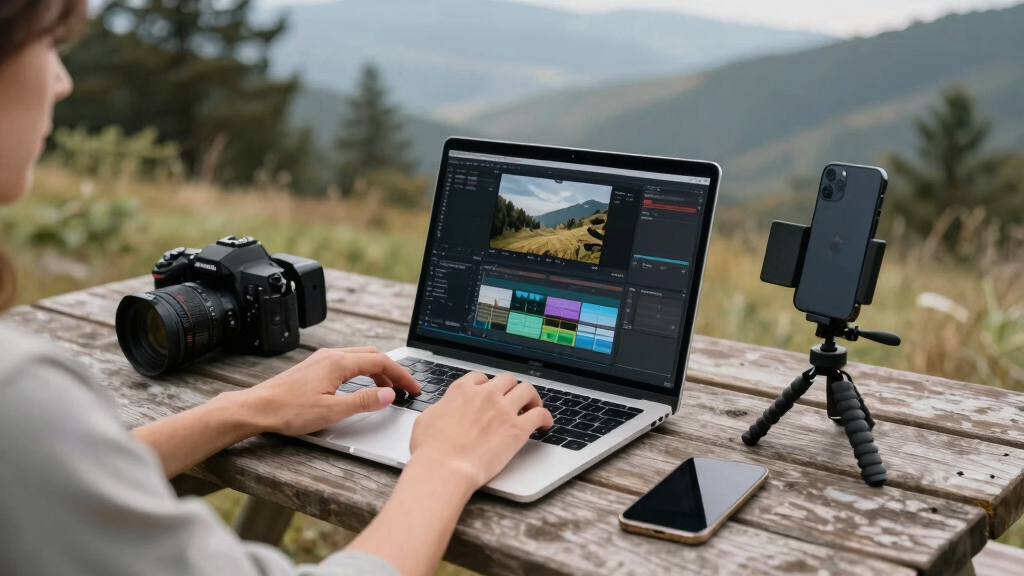
Imagine finishing a video and within minutes, having a full set of assets ready to publish—social clips, blog drafts, media kits—all without ever uploading a file to the cloud. That’s what local, offline publishing automation promises. It’s a game-changer for creators who value privacy, control, and speed.
In this article, you’ll see exactly how this process works, what kind of assets you can expect, and why it might be the missing piece in your self-publishing toolkit. We’ll explore how a single video can become a full publishing kit—minus the cloud dependency—and what tradeoffs you should be aware of. For more insights, visit this guide.
Key Takeaways
- A local-first tool can turn just one video into a comprehensive publishing kit—ready for social, blog, or print—without relying on the cloud.
- Maintaining all assets offline enhances privacy, control, and speeds up your publishing schedule.
- Structured analysis of videos on four layers produces more relevant and accurate assets than simple transcripts.
- Your publishing kit should include multi-sized covers, press sheets, social graphics, and metadata—automatically generated saves you hours.
- Manual review and tweaks remain essential; automation helps but doesn’t replace human judgment.
Products Worth Considering

GoPro LIT Hero – Lightweight, Compact, Waterproof Action Camera with Built-in Light, 4K60 Ultra HD Video, 12MP Photo, Touch Screen, HyperSmo

DJI Osmo Mobile 8 Standard Combo Phone Gimbal Stabilizer

DJI Osmo Mobile 8 Phone Gimbal with Mic Mini Transmitter, Infinity Black
As an affiliate, we earn on qualifying purchases.
How a Single Video Becomes a Full Publishing Kit — Step by Step
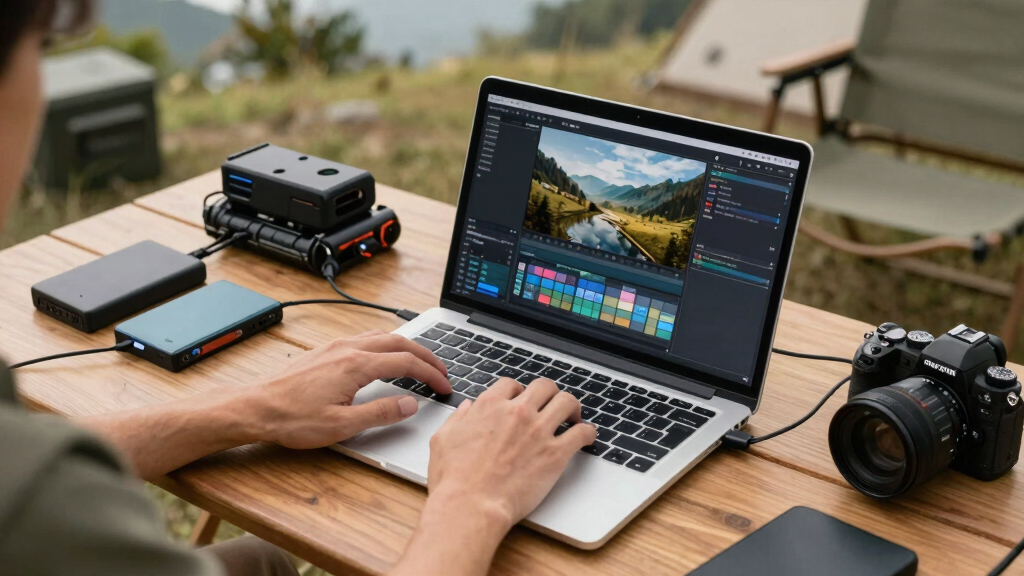
The core of this workflow is transforming one video into everything you need to publish across platforms. It starts with input—drop your video or paste a link. Then, a local tool analyzes it on four layers: audio, visuals, scene fusion, and intelligence. The final step? Generating all your assets—titles, descriptions, social clips, media kits—ready for review and publish.
For example, upload a 10-minute interview. The system transcribes it with speaker tags, detects scene changes, reads on-screen text, and combines this data into a structured scene log. From this, it drafts a catchy title, social snippets, blog drafts, and even a media kit—all stored locally, waiting for your approval.
Why Creators Need a No-Cloud Workflow (Privacy & Control Matter)
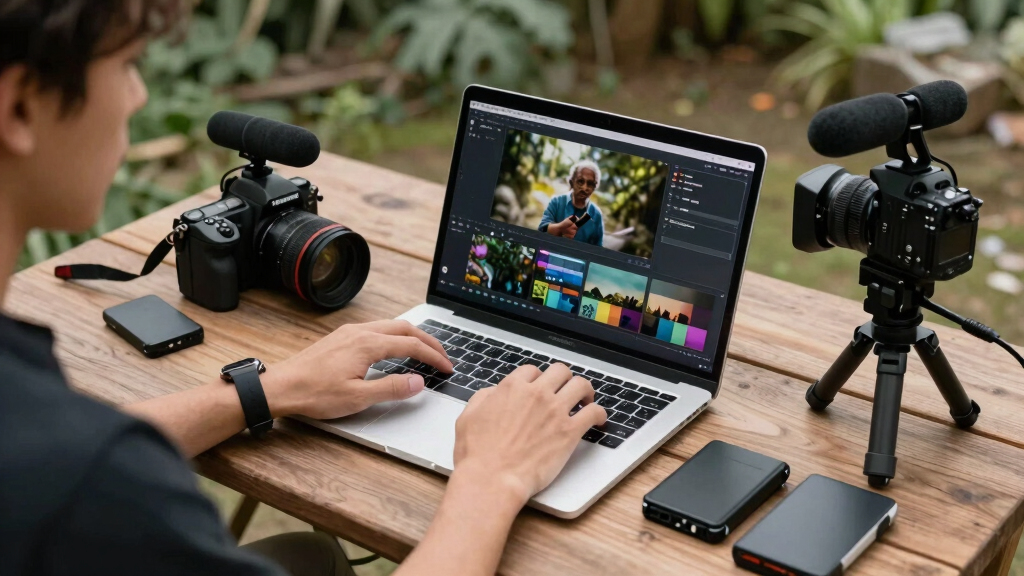
Many creators hesitate to rely on cloud services. Why? Because sensitive content, unpublished projects, or proprietary ideas deserve protection. A local-first approach keeps your work on your machine, avoiding leaks or delays caused by internet issues. Learn more about privacy-focused workflows at this resource.
Take a YouTuber working on a controversial series. Uploading raw footage to a cloud might expose ideas prematurely. With a local tool, they generate thumbnails, titles, and social clips without ever leaving their computer. It’s about ownership—every asset, every file, stays in your hands, ready to publish when you are.
Beyond privacy, this approach also offers strategic advantages. It reduces dependency on internet speed, which can be unpredictable and slow, especially when dealing with large files or complex processing. This means you can work consistently and efficiently, regardless of connectivity issues. However, a tradeoff is that the initial setup might require a bit more technical familiarity, and some automation features may depend on local processing power. Still, the control and security benefits often outweigh these considerations for creators handling sensitive or proprietary content.

What a Publishing Kit Should Contain to Boost Your Reach
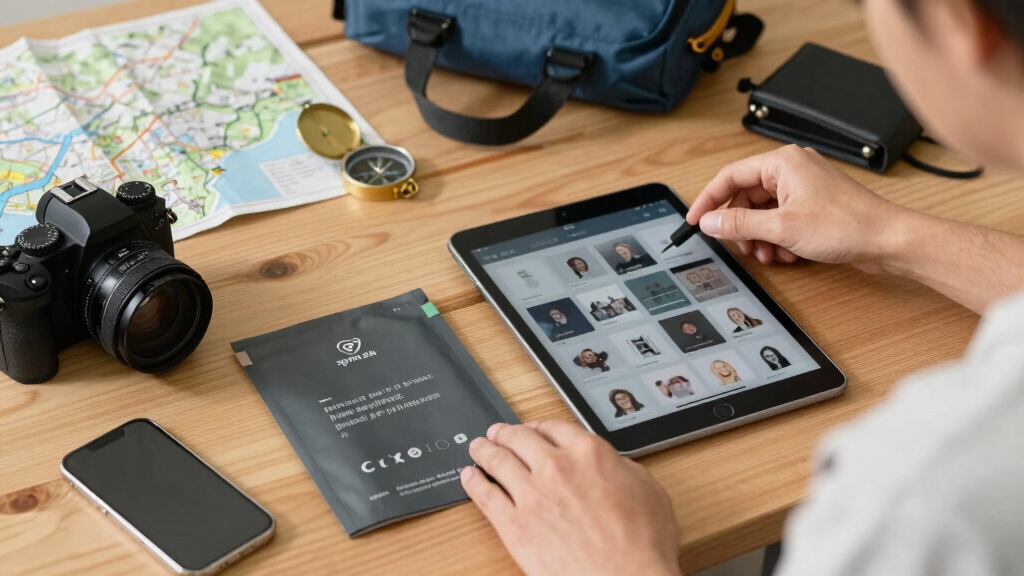
A complete publishing kit is more than just a video file. It’s a bundle of assets designed to make promotion easier and more professional. Think: multiple-sized cover images, social media graphics, press-ready one-sheets, and metadata optimized for discovery. Find out how to create effective media kits at this guide.
For example, a self-published author might need a high-res cover for Amazon, a thumbnail for social, and a press release. A good system generates these from your video—saving hours of manual design and ensuring consistency across channels.
Having these assets ready not only speeds up your publishing process but also allows you to maintain a cohesive branding strategy. Consistent visuals and metadata help your content stand out and improve discoverability across platforms. The tradeoff is that the more comprehensive your kit, the more complex the asset management becomes—requiring careful organization and sometimes manual tweaks to fit platform-specific requirements. Nonetheless, the time saved and professionalism gained are significant benefits for any serious publisher.
Transforming Video into Marketing and Promotional Assets
Video content is inherently versatile. You can turn parts of it into teaser clips, quote graphics, or blog snippets—all generated automatically from your master video. For more tips on repurposing videos, see this article.
Imagine a 15-minute tutorial. The system identifies high-retention moments, then creates short vertical videos for TikTok and Reels, along with captions and descriptions. It’s like having a mini marketing team ready to roll—without the cloud dependency.
For instance, a course creator uses this to prep marketing materials for a new launch, cutting down prep time from hours to minutes, all stored on their local machine. This capability allows creators to respond quickly to market opportunities, test different promotional angles, and maintain a steady content flow without external delays. The tradeoff? Automated clips might need manual refinement to ensure they align perfectly with brand voice and messaging, but overall, this process unlocks rapid, scalable content marketing.
Comparison Table: Cloud vs. Local Publishing Automation
| Feature | Cloud-Based Tools | Local-First System |
|---|---|---|
| Privacy | Dependent on third-party servers; potential data exposure | |
| Speed | Variable, depends on internet speed and server load | |
| Control | Limited, reliant on platform policies | |
| Asset Ownership | Cloud storage, less control over files | |
| Workflow Flexibility | Dependent on platform integrations |
What You Can Expect from a Local Publishing Kit
From one video, you get a bundle of assets ready to deploy—no dependency on internet or cloud services. These include social clips, media kits, blog drafts, and ready-to-upload metadata.
For example, after processing your latest YouTube video, you’ll have a complete media kit with a press-ready one-sheet, social graphics in multiple sizes, and detailed descriptions—all stored on your computer, ready to go.
Plus, you control every step. You can edit, tweak, or regenerate assets whenever needed, ensuring your content stays aligned with your brand. This flexibility means you can adapt quickly to changing marketing strategies or audience feedback without waiting for cloud processing or external approval cycles, providing a strategic advantage in dynamic content environments.

How to Use This System in Your Workflow — 4 Easy Steps
- Drop your video or paste a link into the tool. It detects your channel and auto-sets the context.
- Let the system analyze and generate drafts for titles, descriptions, social clips, and media kits.
- Review, edit, and approve the assets in your local workspace. Use the multi-view interface for a deep dive or quick approval.
- Dispatch the assets directly to your publishing platforms or save them for later. Everything stays on your machine, no uploads needed.
Maximize Your Efficiency With a Fully Local Workflow
Imagine cutting your content repurposing time in half. Instead of hours spent manually creating thumbnails, social posts, and media kits, your local system does it instantly. No waiting for uploads or cloud processing.
This approach is especially appealing if you regularly publish multiple videos, want to keep content private until launch, or need to rapidly iterate assets without cloud delays.
For example, a creator launching a new series can generate all promo materials overnight, ready for a coordinated release—without risking a leak or relying on third-party servers. This strategic advantage enables faster go-to-market timelines, better quality control, and more responsive marketing efforts, all while maintaining full ownership of your assets.

Key Limitations to Keep in Mind
While powerful, this system isn’t perfect. It still needs manual oversight for quality, factual accuracy, and formatting nuances. Automated assets may require tweaks to match your voice or branding.
And, although it’s offline, some functions like exporting or licensing might still need internet, depending on your setup. Always check the tool’s specifics.
For example, a creator might find the AI-generated titles catchy but wants to customize them further for SEO or personal style. Recognizing these limitations ensures you maintain high standards and avoid over-reliance on automation, which can sometimes produce generic or imperfect results. The key is to view this system as a powerful assistant, not a complete replacement for human judgment and expertise.

The Future of Self-Publishing: More Automation, More Control
As tools like this advance, creators gain more independence. No longer tied to cloud services or platform restrictions, they build their own publishing stacks—fast, private, and adaptable.
This trend aligns with the growing desire for direct-to-reader sales, personalized branding, and flexible content management. The ability to generate a full kit from one video on your local machine makes launching and promoting easier than ever.
For instance, an indie author can prepare ebook files, print-ready covers, and promotional assets all in one sitting—then sell directly through their website, without third-party cloud dependencies. This shift empowers creators to own their entire publishing ecosystem, reducing reliance on external platforms and increasing agility. The implications are profound: faster launches, more control over branding, and a closer connection to your audience, all driven by smarter, offline automation tools.
Frequently Asked Questions
What exactly can the system generate from one video?
It can produce titles, descriptions, social clips, media kits, press sheets, multiple cover sizes, and even blog drafts—all based on a single processed video.
Is it truly offline, or does it still need internet at some point?
The system is designed to operate locally, meaning most processing happens on your machine. Some exporting functions or licensing may still require internet, but core analysis and asset generation do not.
What file types come out of this process?
Expect assets in formats like PDF (for media kits), MP4 (video clips), JPEG/PNG (graphics), EPUB/MOBI (ebooks), and text files for descriptions and metadata.
Is this tool suitable for self-publishers, marketers, or agencies?
It’s ideal for all three. Self-publishers benefit from local control, marketers gain rapid asset creation, and agencies can streamline client workflows—all without cloud reliance.
How much manual cleanup is still needed after generation?
Some tweaking is usually necessary—titles, descriptions, or graphics might need slight edits for perfect branding or SEO. But overall, it dramatically reduces manual work.
Conclusion
Creating a full publishing kit from a single video without relying on the cloud isn’t just a dream—it’s increasingly possible today. It puts you in the driver’s seat, with privacy and speed on your side.
Imagine the freedom of having everything you need—media assets, promotional materials, metadata—ready at your fingertips, on your machine. That’s the future of self-publishing: fast, private, and fully in your control.