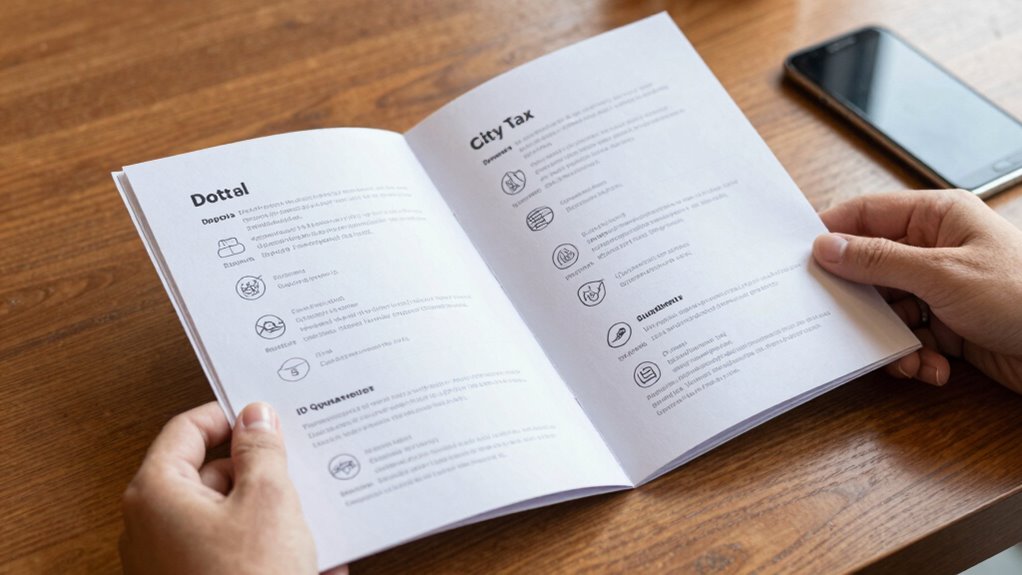

To understand European hotel policies, start by checking your booking details for deposit requirements, which vary and may be non-refundable. Look at the invoice to spot city tax as a separate charge, noting rates and itemization. Confirm what ID you’ll need at check-in—usually a passport or ID matching your reservation. Pay attention to cancellation and refund policies, especially for flexible options. If you keep these tips in mind, you’ll be well prepared for your stay.

Get travel and outdoor gear delivered free with Prime
- Fast, free delivery on millions of items
- Prime Video, Amazon Music and more included
- Member-only deals all year
Key Takeaways
- Review the reservation confirmation for specific deposit amounts, refund policies, and cancellation deadlines.
- Check invoice details for itemized city tax rates, charges per night or stay, and regional tax regulations.
- Verify ID requirements, ensuring your government-issued documents match reservation names for check-in.
- Understand the hotel’s documentation policies for special rates or discounts, and prepare necessary proof.
- Familiarize yourself with EU consumer rights and communication channels to address disputes or policy clarifications.
European hotel deposit protection bag
As an affiliate, we earn on qualifying purchases.
As an affiliate, we earn on qualifying purchases.
Understanding Deposit Payment Terms and Conditions
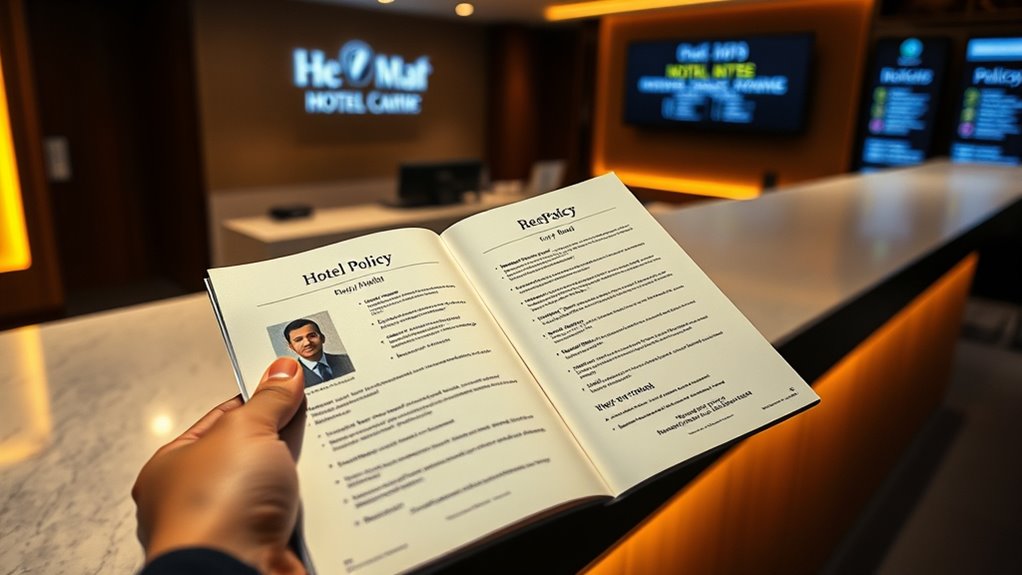
Understanding deposit payment terms and conditions is essential before booking a hotel in Europe, as these details determine how much you need to pay upfront and what happens if you cancel. Deposits secure your reservation and protect hotels against last-minute cancellations. Keep in mind that exchange rate fluctuations can affect refunds, especially if paying with a credit card from another currency. The amount required varies by hotel and is clearly outlined in your confirmation. Some rates are non-refundable, meaning you’ll lose your deposit if you cancel, no matter what. Always review the specific terms, including payment schedules and refund policies, before confirming your reservation. Being aware of potential manipulation tactics used in marketing or policies can help you make more informed decisions. Being familiar with common deposit policies can also prevent misunderstandings at check-in or check-out. Additionally, understanding the affiliate relationships involved can provide transparency about any earnings that might influence hotel recommendations or policies. Reviewing clear policy disclosures can help you avoid surprises related to additional charges or restrictions.
passport holder with RFID blocking
As an affiliate, we earn on qualifying purchases.
As an affiliate, we earn on qualifying purchases.
Recognizing Cancellation Policies and Refund Processes

Recognizing cancellation policies and refund processes is essential because hotel rules can vary widely across Europe, affecting whether you’ll get your money back if you need to cancel. Some hotels offer flexible options with full or partial refunds if you cancel within a specific period. Others enforce strict no-refund policies, especially on non-refundable rates. Always check the booking terms to see if cancellations are permitted and how refunds are processed. Refunds may depend on reselling the room, so cancellations made early or with flexible rates often yield better recovery. Be aware that currency fluctuations can impact refunded amounts. Confirm the hotel’s specific policies before booking, and keep documentation of your cancellation notices. This ensures you’re prepared and understand your rights if plans change unexpectedly. Additionally, reviewing tanning tips can help maintain healthy skin during travel, especially when exposed to different climates and sun conditions. Understanding cancellation policies and how they relate to your booking can save you time and money if your plans change. Being aware of the deposit requirements can also help in planning your budget and avoiding unexpected charges. Being familiar with local city tax regulations can prevent surprises upon check-out.
As an affiliate, we earn on qualifying purchases.
Identifying City Tax Charges and Itemization on Invoices
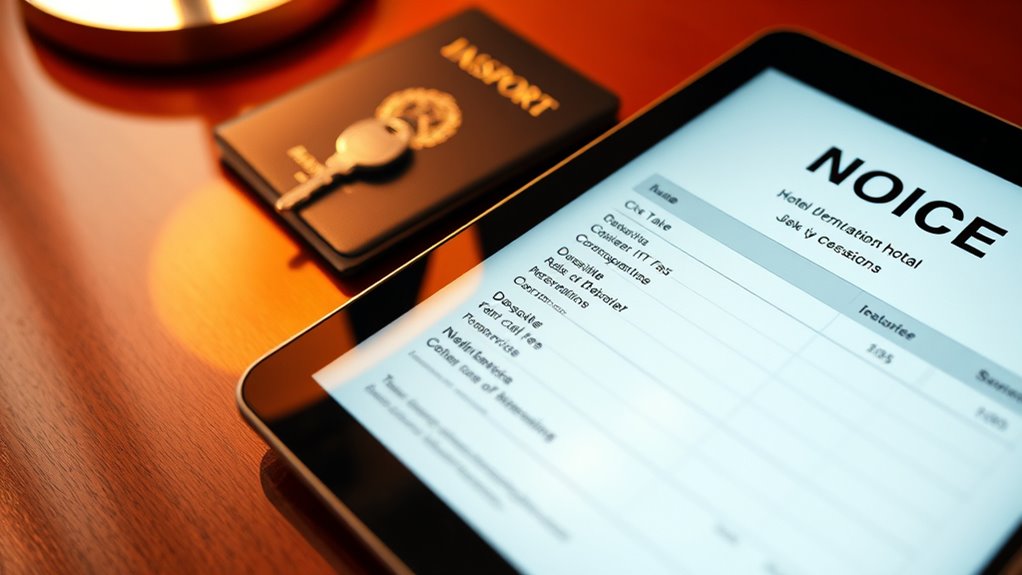
When reviewing your hotel invoice, look for a separate line item labeled as the city tax, as this helps you understand what you’re paying beyond the room rate. Keep in mind that tax rates can vary widely between cities and regions, so the amount charged may differ depending on your location. By recognizing these charges and how they’re itemized, you can better assess your total expenses and spot any discrepancies. Understanding local tax regulations can also help you anticipate charges and avoid surprises. Additionally, being aware of European cloud innovation trends can provide insights into regional policies affecting various industries. Familiarizing yourself with bank SWIFT/BIC codes can also be useful if your hotel offers international payment options or invoicing, ensuring secure and accurate transactions. Being aware of regional tax policies can further enhance your understanding of potential additional fees, especially when dealing with complex tax compliance requirements.
Recognizing City Tax Line Items
Have you ever looked at a hotel invoice and wondered which charges are for the room and which are additional fees? Recognizing city tax line items is key to understanding your bill. Typically, the invoice will list each charge separately, with a clear label like “City Tax” or “Local Accommodation Tax.” The amount may be specified per night, per room, or as a lump sum. Look for a distinct line item, often located below the room rate or services. Some invoices include the city tax as a percentage of the room rate, while others state a fixed fee. Confirm that the total city tax matches local regulations. Being able to identify this line item helps you verify charges and understand how much local authorities are collecting. Additionally, understanding local regulations related to city taxes can help you anticipate charges during your stay, especially since hotel policies regarding taxes can vary significantly. Recognizing hotel invoice components can further aid in reviewing all applicable fees and avoiding surprises. Knowing how taxes and fees are itemized ensures transparency and can prevent overpayment or hidden charges. Being familiar with common invoice layouts can also make it easier to spot discrepancies or errors.
Variations in Tax Rates
Are you aware that city tax rates can vary markedly between European destinations, affecting how much you pay on your hotel invoice? Different cities impose different rates, sometimes based on room category, guest count, or length of stay. Some destinations charge a fixed amount per night, while others calculate taxes as a percentage of the room rate. On your invoice, look for a separate line item labeled “City Tax” or similar—this clearly shows the amount added. Be conscious that exemptions may apply, such as for certain guest categories or stays for business purposes. Recognizing these variations helps you understand your total costs upfront and avoid surprises when reviewing your bill. Always verify how the tax is itemized to ensure transparency and proper calculation.
As an affiliate, we earn on qualifying purchases.
Verifying Required Identification for Check-In
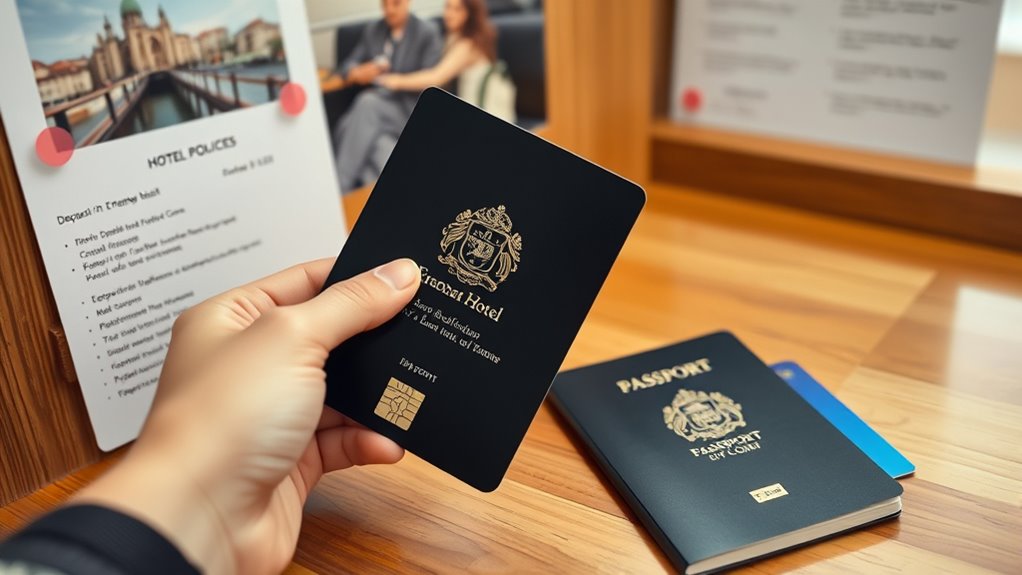
Did you know that hotels in Europe are required to verify your identity using a valid government-issued ID at check-in? This process helps ensure security, prevent fraud, and comply with local regulations. You’ll need to present an official document such as a passport, national ID card, or driver’s license issued by a government authority. Make sure the ID’s name matches your reservation details. If your ID doesn’t match, the hotel might refuse check-in. Some hotels may request additional documents or proof of eligibility for certain rates or discounts. Keep your ID ready and accessible during check-in to avoid delays. Remember, failure to provide proper identification could result in denied accommodation, so always carry valid ID when traveling in Europe. Additionally, understanding hotel policies can help you prepare for potential extra charges like deposits or city taxes.
Meeting Eligibility Criteria for Special Rate Offers
To qualify for special rate offers, you need to provide valid documentation that proves your eligibility. The hotel will verify this information during check-in, so make sure your supporting proof is up to date and accessible. Keep copies of your proof handy, as hotels may request to see them to confirm your discount or membership status. Additionally, understanding modern hotel policies can help streamline your check-in process. Being aware of the deaf-friendly communication techniques used by some hotels can also facilitate a smoother experience for guests with hearing impairments. Familiarizing yourself with electric bike horsepower can also be useful when planning outdoor activities during your stay. Knowing about wiring basics can further assist you if you need to troubleshoot or understand hotel electrical systems.
Valid Documentation Requirements
Meeting the eligibility criteria for special rate offers requires presenting valid documentation that proves your qualification. This documentation could include a corporate ID, membership card, or employment verification, depending on the rate type. Make certain your ID matches the name on your reservation—hotels often check this at check-in. Digital copies or physical certificates are typically accepted, but some hotels may need original documents. Keep your proof accessible and up to date, as expired or invalid documents can result in denied discounts or higher rates. Remember, each hotel sets its own specific requirements, so review the booking confirmation or hotel policy beforehand to confirm what’s needed. Providing accurate, verifiable documentation ensures a smooth check-in process and helps you access the rates you’re eligible for.
Eligibility Verification Process
When confirming your eligibility for special rate offers, hotels typically verify your documentation at check-in to guarantee you meet the specific criteria. This process guarantees you qualify for discounts like corporate, promotional, or membership rates. To do this effectively, you should:
- Present proof of employment, membership, or qualifying status as required.
- Show valid government-issued ID matching your reservation details.
- Ensure your documentation clearly demonstrates eligibility for the chosen rate.
- Be prepared for hotel staff to request additional verification if needed.
Failing to provide proper documentation can result in denied access to the special rate or reverting to the standard rate. Always verify what specific proof the hotel requires before arrival.
Supporting Proof Retention
Supporting proof retention is essential to guarantee your eligibility for special rate offers remains valid throughout your stay. You need to keep all relevant documents that verify your qualification, such as employment certificates, membership cards, or promotional codes. Hotels require these proofs at check-in to confirm your eligibility for discounts or special rates. Failing to present proper documentation could result in your rate being denied or adjusted to the standard price. Make sure to store digital or physical copies of your supporting documents securely and accessible. If questioned, having clear proof helps avoid disputes and ensures you receive the benefits you’re entitled to. Always verify the specific documentation required during booking or before arrival to prevent any complications that could jeopardize your special rate.
Comprehending Consumer Rights and Dispute Resolution Options

Understanding your consumer rights when booking European hotels is essential to guarantee fair treatment and resolve disputes effectively. You have protections under EU law that ensure fair deposit practices, cancellation refunds, and transparent communication. To safeguard yourself, you should:
- Know that hotels are obligated to provide refunds if they resell the property after cancellations.
- Understand that fair dispute resolution may involve contacting consumer protection agencies or lodging complaints.
- Keep copies of booking confirmations, cancellation notices, and communication records to support your case.
- Be aware that extended refund delays or unfair policies can be challenged under EU consumer laws.
Interpreting Documentation and Communication for Policy Compliance
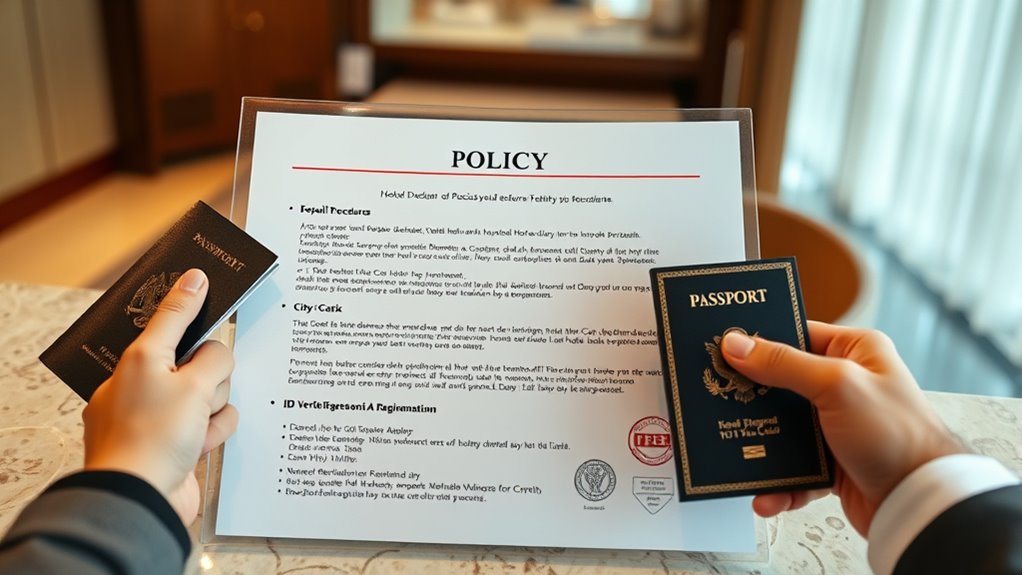
Interpreting hotel documentation and communication is essential to guarantee you meet policy requirements and avoid misunderstandings. Always read confirmation emails, reservation agreements, and terms of service carefully. Check for specific details on deposits, cancellation rules, city taxes, and ID requirements. Look for clear breakdowns of costs, payment schedules, and refund conditions. Pay attention to any fine print that might specify non-refundable rates or restrictions on discounts. If communication is unclear, don’t hesitate to ask the hotel for clarification in writing. Keep copies of all correspondence and documents related to your booking. This documentation helps verify your understanding of policies and proves useful if disputes arise. Being thorough ensures you comply with hotel policies and protects your rights throughout your stay.
Frequently Asked Questions
How Do Exchange Rate Fluctuations Affect Refund Amounts?
When exchange rate fluctuations occur, they can impact your refund amounts by changing the value of the refunded sum compared to what you paid initially. If rates shift unfavorably, the refund might be lower than expected, due to conversions done by your payment provider. Always remember that refunds are subject to these currency conversions, so the final amount you receive could differ from your original booking or deposit payment.
Are There Exceptions to City Tax Exemptions for Certain Guests?
You might think city tax exemptions cover everyone, but exceptions exist, and they can surprise you. For instance, some destinations exempt certain guest categories like children, seniors, or long-term stays, yet others may require proof of eligibility. You could qualify for an exemption if you’re on official business or hold specific residency status. Always check local regulations before booking, so you don’t face unexpected charges or missed exemptions.
What Forms of Government ID Are Accepted at Check-In?
At check-in, you need to show a valid government-issued ID, like a passport, national identity card, or driver’s license. Make certain your ID matches the name on your reservation. Hotels require these documents for security and regulatory reasons. If you don’t have proper ID or it doesn’t match your booking info, the hotel might refuse check-in. Carrying the right ID ensures a smooth arrival and complies with local standards.
Can Special Rates Be Applied Without Proof of Eligibility?
No, special rates can’t be applied without proof of eligibility. Hotels require you to provide documentation proving your qualification for promotional, corporate, or membership discounts at check-in. If you can’t show the necessary proof, they have the right to deny the special rate and charge the standard rate instead. Always keep your supporting documents handy to avoid issues and guarantee you get the discounted rate you’re eligible for.
How Long Does It Typically Take to Receive a Refund?
You usually receive a refund within 7 to 14 days after the hotel processes your cancellation, but it can take longer depending on your payment method and bank processing times. If you paid with a credit card, it might take a few additional days for the refund to appear on your statement. Always keep proof of cancellation and check with the hotel for specific timelines related to your booking.
Conclusion
Now that you know how to read European hotel policies, you’ll navigate deposits, city taxes, and ID requirements like a seasoned traveler. Don’t forget to double-check your invoice and understand cancellation rules to avoid surprises. Remember, in this modern age, clear communication is key—like a trusty squire guiding your journey. Stay informed, ask questions, and confidently enjoy your trip, knowing you’re prepared to conquer any policy with the wisdom of a seasoned explorer.
Columbus Day / Indigenous Peoples' Day Picks
long weekend sales
As an affiliate, we earn on qualifying purchases.