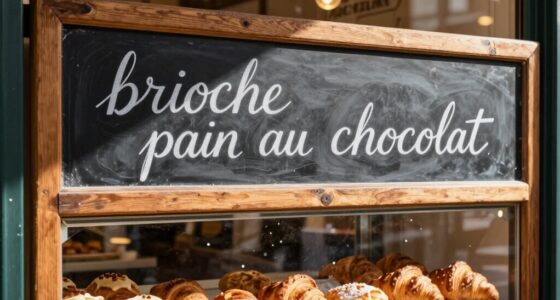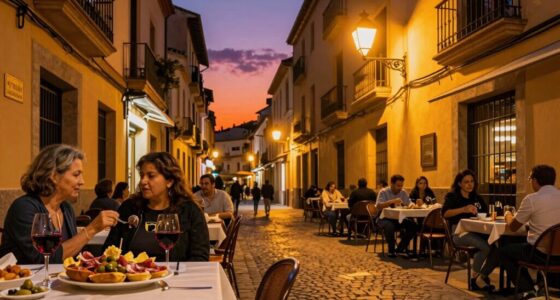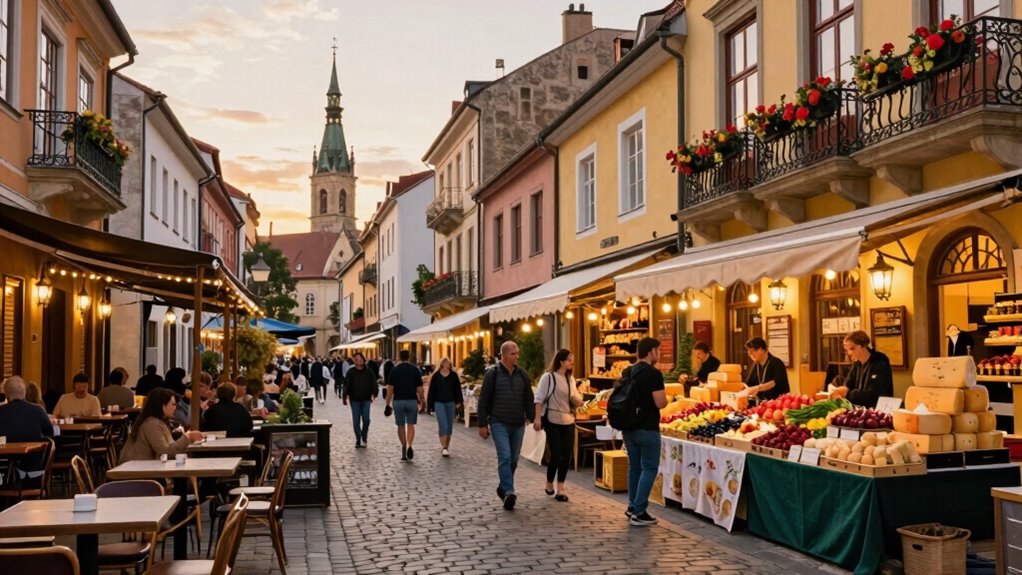

To choose the right European cities for your taste, focus on regions known for your preferred cuisine. If you love hearty stews, Eastern European cities like Budapest or Prague are ideal. For delicate pastries, explore France’s Paris or Strasbourg. Street food scenes offer authentic flavors and a glimpse into local traditions, while markets reveal regional ingredients. By exploring these culinary hubs, you’ll discover how each city’s history influences its cuisine—continue exploring to find the perfect match for your palate.
Key Takeaways
- Focus on cities known for their unique culinary traditions and regional specialties, like Paris for pastries or Budapest for hearty stews.
- Explore street food scenes and markets to experience authentic local flavors and culinary practices firsthand.
- Consider the city’s cultural history and how it influences local ingredients and traditional recipes.
- Choose destinations with vibrant food markets and street vendors for affordable, immersive gastronomic experiences.
- Research regional ingredients and cooking techniques to find cities that match your specific taste preferences.
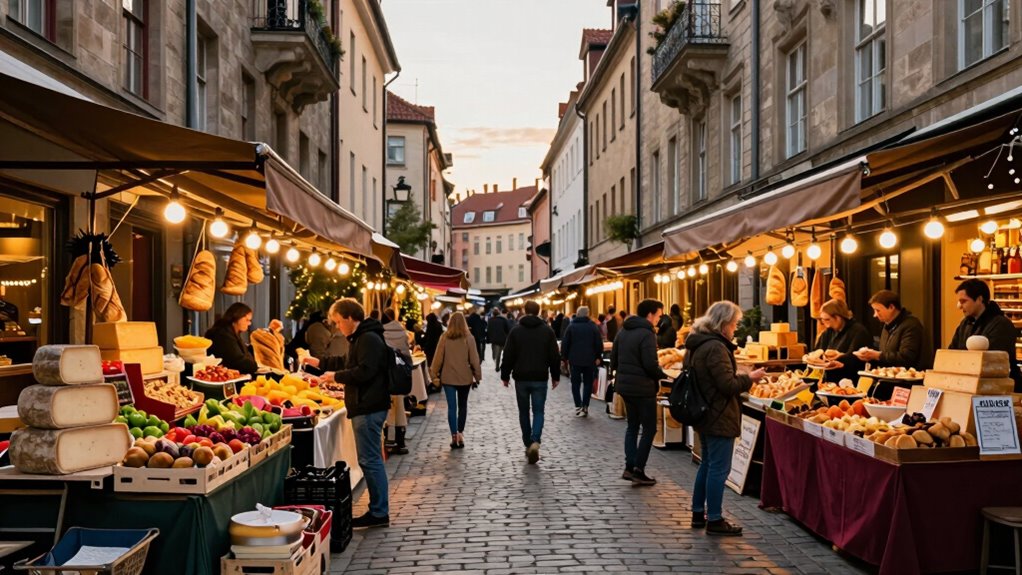
Have you ever wondered why Europe is a paradise for food lovers? It’s because each city offers a unique taste of local culinary traditions that have been passed down through generations. From the hearty stews of Eastern Europe to the delicate pastries of France, every destination invites you to explore its authentic flavors. When you visit, you’ll notice that food isn’t just about eating; it’s about experiencing the culture and history embedded in every dish. The local ingredients, cooking techniques, and recipes tell stories of centuries past, making each meal an immersive journey. Whether you’re sitting down for a multi-course dinner or grabbing a quick bite, you’ll find a rich tapestry of tastes that define the city’s identity.
One of the best ways to *plunge into* a city’s culinary scene is through its street food. Europe’s street food scenes are vibrant and diverse, offering a more casual and often more authentic way to savor local flavors. In cities like Barcelona, you might indulge in delicious tapas from bustling stalls, while in Rome, a quick slice of pizza al taglio becomes a memorable snack. Street vendors often serve dishes rooted in local culinary traditions, giving you an immediate taste of the city’s heart. These street foods are usually affordable and accessible, making them perfect for exploring different neighborhoods without breaking the bank. As you stroll through markets or along busy streets, you’ll encounter aromas that beckon you to try something new. Sampling street food isn’t just about satisfying your hunger; it’s about engaging with the city’s daily life and discovering hidden gems that aren’t found in touristy restaurants. Additionally, understanding the local culinary traditions can deepen your appreciation for the city’s cultural heritage. Exploring regional ingredients can also reveal how geography influences local cuisine and cooking styles. Recognizing the culinary history behind a dish can enrich your overall experience and connection to the place. A great way to enhance this understanding is by visiting local food markets, which showcase traditional food practices and regional specialties firsthand.
As an affiliate, we earn on qualifying purchases.
Frequently Asked Questions
Which European City Has the Most Diverse Culinary Scene?
You’ll find Brussels boasts the most diverse culinary scene in Europe. Its rich culinary heritage blends Belgian classics with international influences, making it a food lover’s paradise. You can indulge in authentic street food like waffles and fries, alongside diverse global cuisines. This city’s vibrant food culture invites you to explore a mix of traditional dishes and innovative eats, satisfying every craving and truly showcasing Europe’s culinary melting pot.
Are There Budget-Friendly Food Tours Available in Major Cities?
Did you know that over 60% of travelers seek budget-friendly dining options? Yes, budget-friendly food tours are widely available in major cities, offering affordable street food and authentic experiences. You can join guided tours that showcase local markets and hidden gems, making it easy to enjoy Europe’s diverse flavors without overspending. Look for group discounts or off-peak tours to save even more on your culinary adventures.
How Can I Find Authentic Local Dishes in Tourist-Heavy Areas?
To find authentic local dishes in tourist-heavy areas, seek out hidden gem restaurants away from the main crowds. Ask locals for their favorite spots or explore local market experiences, where vendors often serve genuine, traditional foods. These markets and small eateries usually offer the best taste of true regional cuisine, allowing you to enjoy authentic dishes without the tourist traps, making your culinary adventure truly memorable.
What Are the Best Food Festivals to Attend Across Europe?
You should attend iconic food festivals like Oktoberfest in Germany and La Tomatina in Spain, where you can enjoy authentic dishes paired with local wines. Explore street food markets in cities like Budapest and Paris for vibrant flavors and unique wine pairings. These festivals and markets let you indulge in regional specialties, connect with local chefs, and immerse yourself in Europe’s diverse culinary scene.
How Do I Navigate Dietary Restrictions While Traveling for Food?
When managing dietary restrictions while traveling for food, research ahead to find gluten-free options and vegan-friendly restaurants in your destination. Use apps and local guides to locate suitable eateries, and don’t hesitate to communicate your needs clearly to staff. Always carry a translation card if language barriers exist, and be open to exploring local specialties that naturally accommodate your dietary needs. This way, you enjoy authentic cuisine safely and confidently.
As an affiliate, we earn on qualifying purchases.
Conclusion
So, as you plan your culinary journey through Europe, remember that each city offers a unique flavor, a story told through its dishes. Let your taste buds be your compass, guiding you to experiences that will linger long after the meal. After all, isn’t the true magic of travel found not just in the sights, but in the flavors that awaken your senses and create memories? Embrace your foodie adventure—your perfect city awaits.
European food market shopping basket
As an affiliate, we earn on qualifying purchases.
As an affiliate, we earn on qualifying purchases.
Eastern European hearty stew cookware
As an affiliate, we earn on qualifying purchases.
As an affiliate, we earn on qualifying purchases.