Finding the best bean to cup coffee machine for espresso drinks means balancing quality, convenience, and price. The Philips 5500 Series stands out as the overall top pick because of its consistent espresso quality and user-friendly milk system. For those seeking a more versatile machine, the Espresso Machine with Grinder 20 Bar offers powerful brewing and customization options, though it requires more maintenance. Buyers often face tradeoffs between advanced features and simplicity, or between affordability and build quality. Keep reading for a detailed breakdown of these top contenders and what makes each one unique.

Get travel and outdoor gear delivered free — and shop member deals
- Fast, free delivery on millions of items
- Access to Prime Big Deal Days deals on October 6–7
- Prime Video, Amazon Music and more included
Complete the kit

Key Takeaways
- The top picks excel in delivering rich, authentic espresso with integrated grinders and milk frothing systems.
- Ease of use and maintenance vary significantly; some machines offer intuitive interfaces while others are more hands-on.
- Price often correlates with features—more expensive models provide greater customization and durability.
- Capacity and size are important; larger reservoirs and compact designs suit different kitchen spaces.
- Not all machines handle milk-based drinks equally well—look for dedicated milk systems or frothers for best results.
| Philips 5500 Series Fully Automatic Espresso Machine with LatteGo Milk System | 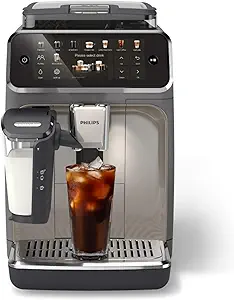 | Best Overall for Convenience and Customization | Presets: 20 | Milk System: LatteGo | Built-in Grinder: Yes | VIEW LATEST PRICE | See Our Full Breakdown |
| Espresso Machine with Grinder 20 Bar and 68oz Water Tank – Cold Brew |  | Best for Serious Home Baristas with Advanced Needs | Water Tank Capacity: 68 oz | Wattage: 1400 watts | Pressure: 20 bar | VIEW LATEST PRICE | See Our Full Breakdown |
| Philips 3300 Series Fully Automatic Espresso Machine with LatteGo Milk System |  | Best for Simplicity with Decent Customization | Presets: 6 | Milk System: LatteGo | Filter: AquaClean | VIEW LATEST PRICE | See Our Full Breakdown |
| KitchenAid Fully Automatic Espresso Machine KF6, KES8556PL, Porcelain White |  | Best for Durability and Custom Recipes | Adjustable Brew Strength: Yes | Auto Clean Function: Yes | Auto Shut-Off: Yes | VIEW LATEST PRICE | See Our Full Breakdown |
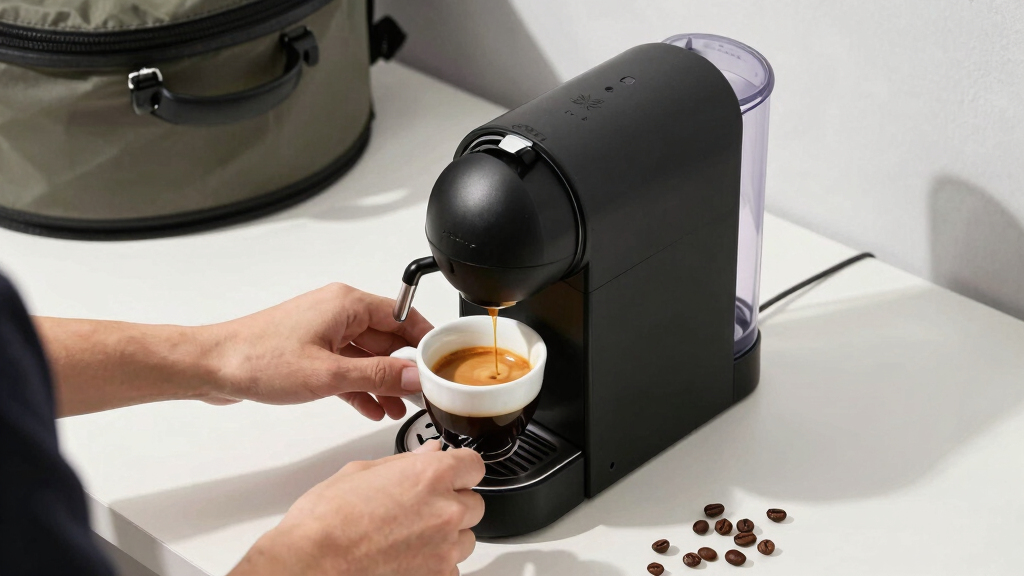
| Philips Baristina Espresso Machine, Grinds, Tamps & Brews, Black |  | Best for Quick, Authentic Espresso in a Compact Form | Coffee Maker Type: Espresso Machine | Operation Mode: Fully Automatic | Wattage: 1550 watts | VIEW LATEST PRICE | See Our Full Breakdown |
| Linklife Automatic Espresso Coffee Machine with Milk Frother and Grinder |  | Best Overall for Customization and Barista-Quality Coffee | Pressure: 19 bar | Wattage: 1350 watts | Voltage: 120 volts | VIEW LATEST PRICE | See Our Full Breakdown |
| Philips 2300 Series Fully Automatic Espresso Machine with LatteGo Milk System |  | Best for Ease and Consistency with Smart Features | Pressure: 15 Bar | Wattage: 1500 watts | Voltage: 120 volts | VIEW LATEST PRICE | See Our Full Breakdown |
| bean to cup coffee machine for espresso drink | Wattage | Pressure |
|---|---|---|
| Philips 5500 Series Fully Auto | — | 15 Bar |
| Espresso Machine with Grinder | 1400 watts | 20 bar |
| Philips 3300 Series Fully Auto | — | — |
| KitchenAid Fully Automatic Esp | 1450 watts | — |
| Philips Baristina Espresso Mac | 1550 watts | — |
| Linklife Automatic Espresso Co | 1350 watts | 19 bar |
| Philips 2300 Series Fully Auto | 1500 watts | 15 Bar |
More Details on Our Top Picks
Philips 5500 Series Fully Automatic Espresso Machine with LatteGo Milk System
This machine stands out for its impressive variety of 20 presets, offering an extensive range of hot and iced coffee drinks. Its automatic grinding, tamping, and milk frothing with the LatteGo system make daily espresso preparation effortless, especially compared to the Philips 3300 Series which has fewer presets. The quick start and quiet operation add to its appeal, though its limited profile storage and potential expense might deter budget-conscious buyers. Regular filter changes are necessary to maintain performance, but overall, this model balances ease of use with customization for those who value variety.
Pros:- 20 customizable coffee presets for variety
- Automatic milk frothing with LatteGo system for easy cleaning
- Quick start-up and quiet brewing features
- Built-in grinder and high-pressure pump for quality extraction
Cons:- Limited profile saving options (only 2 profiles)
- Price may be high for budget-conscious buyers
- Requires regular filter replacement for optimal performance
Best for: Home users who want a versatile, customizable espresso machine with minimal fuss
Not ideal for: Budget shoppers or those with limited counter space, as it may be on the pricier side and requires room for maintenance
- Presets:20
- Milk System:LatteGo
- Built-in Grinder:Yes
- Pressure:15 Bar
- Filter:AquaClean for up to 5000 cups
- Brew Time:Ready in 3 seconds
- Noise Level:40% quieter than earlier models
Our verdict“This is best suited for those seeking a highly customizable, all-in-one espresso experience with minimal manual effort.”
Espresso Machine with Grinder 20 Bar and 68oz Water Tank – Cold Brew
Compared to the Philips models, this semi-automatic machine with a 20-bar pump offers greater control over the brewing process, making it ideal for those who enjoy customizing every shot. The built-in conical burr grinder with 20 adjustable settings allows precision, and the advanced temperature control enhances extraction quality, rivaling larger commercial setups. Its 68oz water tank is generous, but the size and complexity may overwhelm beginners, unlike the more straightforward Philips 3300 or Baristina models. Its comprehensive features come with higher maintenance needs, but for dedicated espresso enthusiasts, it provides unmatched control.
Pros:- Powerful 20-bar pressure pump for rich extraction
- Built-in conical burr grinder with multiple settings
- Fast 13-second brewing time
- Includes accessories for café-quality drinks
Cons:- Complex for beginners unfamiliar with semi-automatic operation
- Large footprint may not fit small kitchens
- Requires regular cleaning and maintenance
Best for: Experienced home baristas seeking professional-level customization and control
Not ideal for: Casual users or small kitchens, due to its size and complexity
- Water Tank Capacity:68 oz
- Wattage:1400 watts
- Pressure:20 bar
- Material:Stainless Steel
- Dimensions:10.93″D x 10.55″W x 14.39″H
- Operation Mode:Semi-Automatic
Our verdict“This machine is perfect for serious espresso lovers who prioritize control and quality over simplicity and space.”
Philips 3300 Series Fully Automatic Espresso Machine with LatteGo Milk System
The Philips 3300 Series strikes a balance between ease of use and variety, offering six presets including espresso, coffee, and iced options. Its LatteGo milk system simplifies frothing, rivaling the more feature-rich 5500, but with fewer customization options. The full color display and SilentBrew technology make it accessible for everyday use, yet its limited preset options and moderate price point can be limiting for those who want more variety. Regular filter changes remain necessary, but this model suits those who want straightforward operation with reliable results.
Pros:- Customizable drinks with multiple presets
- Fast and easy milk frothing with LatteGo system
- Easy cleaning and maintenance with AquaClean filter
- Reduces noise with SilentBrew Technology
Cons:- Limited preset options without manual control
- Price can be high for budget-conscious buyers
- Requires regular filter replacement
Best for: Home users who want a straightforward machine with decent variety and easy maintenance
Not ideal for: Espresso aficionados seeking extensive customization or more presets
- Presets:6
- Milk System:LatteGo
- Filter:AquaClean
- Cleaning Time:10 seconds
- Technology:SilentBrew
- Display:Full color
Our verdict“Ideal for casual espresso lovers who want quick, reliable drinks with minimal fuss.”
KitchenAid Fully Automatic Espresso Machine KF6, KES8556PL, Porcelain White
The KitchenAid KF6 combines robust metal construction with a variety of 15 recipes, making it a durable choice for serious espresso fans. Its integrated grinder and automatic milk frothing simplify setup, though its larger size demands ample counter space, unlike the more compact Philips models. The 1450-watt power draws more energy, and the complex features might be overwhelming for beginners. Still, its customizable recipes and solid build make it suitable for users who value longevity and variety in a premium home espresso machine.
Pros:- 15 customizable recipes for variety
- Automatic milk frothing and built-in grinder
- Made from durable metal with a solid 2-year warranty
- Auto clean and shut-off features
Cons:- Large size requiring significant counter space
- More complex for beginners to operate
- Higher power consumption at 1450 watts
Best for: Home baristas who want a durable, fully automatic machine with extensive recipe options
Not ideal for: Small kitchens or newcomers seeking straightforward, minimal setup machines
- Adjustable Brew Strength:Yes
- Auto Clean Function:Yes
- Auto Shut-Off:Yes
- Integrated Coffee Grinder:Yes
- Milk Frother:Yes
- Capacity:2.2 liters
- Wattage:1450 watts
Our verdict“This machine appeals to those seeking durability and a range of recipes, suitable for dedicated espresso enthusiasts.”
Philips Baristina Espresso Machine, Grinds, Tamps & Brews, Black
The Philips Baristina offers a streamlined approach to home espresso with a 16-bar pump and built-in grinder, brewing a shot in under 60 seconds. Its compact size makes it perfect for smaller kitchens, and its manual tamping and grinding give users control over each shot, unlike fully automatic models that do everything for you. While this adds a bit of manual effort, it appeals to those who enjoy crafting their coffee. However, it does require some familiarity with espresso techniques, and its smaller capacity might limit frequent users. Still, for quick, barista-quality espresso, it hits the mark.
Pros:- Brews authentic espresso with 16-bar pressure
- Compact design fits easily in small kitchens
- Brews in less than 60 seconds for quick coffee
- Includes integrated grinder and tamper for fresh coffee
Cons:- Requires manual grinding and tamping, which may deter beginners
- Limited capacity for frequent or large batches
- Higher wattage may increase electricity use
Best for: Espresso enthusiasts who prefer manual control and a small footprint
Not ideal for: Users seeking fully automated, fuss-free operation or larger quantities
- Coffee Maker Type:Espresso Machine
- Operation Mode:Fully Automatic
- Wattage:1550 watts
- Output Pressure:16 bar
- Capacity:1.2 liters
- Dimensions:14.96″D x 7.09″W x 13.58″H
Our verdict“This is ideal for espresso lovers who enjoy hands-on brewing in a space-saving design.”
Linklife Automatic Espresso Coffee Machine with Milk Frother and Grinder
The Linklife Automatic Espresso Machine stands out for its high-pressure 19-bar pump, which closely mimics professional espresso extraction, making it ideal for those who value espresso quality at home. Its built-in 5-step adjustable grinder ensures fresh beans are ground to the right consistency, enhancing flavor compared to machines relying on pre-ground coffee. The auto milk frother produces rich, velvety textures, rivaling more expensive models. However, its plastic exterior may be less durable over time, and the array of features could be overwhelming for newcomers. Compared with the Philips 2300 Series, it offers more customization options but may require more setup and maintenance. Its self-cleaning functions simplify upkeep, making it suitable for coffee enthusiasts who want both control and convenience. This pick makes the most sense for experienced users who prioritize espresso quality and customization.
Pros:- High-pressure 19-bar pump delivers professional-quality espresso
- Built-in adjustable grinder for maximum freshness and flavor
- Auto milk frother creates creamy, velvety textures
- Self-cleaning and descaling functions simplify maintenance
Cons:- Plastic exterior may be less durable than metal alternatives
- Complex feature set could be daunting for beginners
- No detailed noise level specifications, which could matter in quiet households
Best for: Home baristas seeking a fully customizable, high-pressure espresso experience with milk frothing.
Not ideal for: Casual coffee drinkers or those new to espresso machines who prefer simple operation and minimal setup.
- Pressure:19 bar
- Wattage:1350 watts
- Voltage:120 volts
- Operation Mode:Fully Automatic
- Built-in Grinder:Yes, 5-step adjustable
- Display Type:Intuitive Touch Screen
- Auto Clean & Descale:Yes
- Material:Plastic
Our verdict“This machine is best suited for experienced users who want customizable, barista-level espresso with milk frothing at home.”
Philips 2300 Series Fully Automatic Espresso Machine with LatteGo Milk System
The Philips 2300 Series excels in providing a hassle-free espresso experience through its automatic grinding, tamping, and brewing processes, making it an excellent choice for those who prioritize convenience over extensive customization. Its LatteGo milk system stands out for quick, mess-free frothing and cleaning, saving time compared to manual or auto milk frothers. The machine’s AquaClean filter allows up to 5,000 cups without descaling, reducing maintenance burdens. Unlike the Linklife, which offers more manual control, the Philips emphasizes consistency and ease of use, making it ideal for busy households or beginners. However, its higher price point and reliance on regular filter replacements might deter budget-conscious buyers. The smart brewing system and silent operation make it suitable for those who want high-quality espresso without fuss. This model is best for users who value simplicity, reliability, and minimal effort in daily brewing.
Pros:- Automatic grinding, tamping, and brewing for effortless operation
- LatteGo milk system for fast, clean milk frothing
- AquaClean filter reduces descaling frequency
- Quiet operation with SilentBrew Technology
Cons:- Higher price compared to simpler models
- Requires regular filter replacements for optimal performance
- Limited manual control for those who prefer customization
Best for: Individuals or families seeking a reliable, low-maintenance espresso machine with quick milk frothing and consistent results.
Not ideal for: Advanced users who want extensive customization or prefer manual control over brewing variables.
- Pressure:15 Bar
- Wattage:1500 watts
- Voltage:120 volts
- Presets:4
- Milk System:LatteGo
- Maintenance:Removable brew group, dishwasher-safe parts
- Connectivity:HomeID app
- Noise Reduction:SilentBrew Technology
Our verdict“This machine is perfect for users who want consistent, high-quality espresso with minimal effort and maintenance.”

How We Picked
These machines were evaluated based on their ability to produce high-quality espresso, ease of operation, build quality, maintenance requirements, and overall value. We prioritized models with integrated grinders, consistent brewing performance, and user-friendly interfaces. Durability, cleaning features, and customer feedback also played key roles in the ranking process. Our goal was to identify options suited for different needs—from beginners to espresso enthusiasts—while highlighting the tradeoffs each model makes in terms of price and features.Factors to Consider When Choosing Best Bean To Cup Coffee Machine For Espresso Drinks
Choosing the best bean to cup coffee machine for espresso drinks involves considering several key factors. First, assess whether the machine offers a reliable grinder and brewing system that can consistently produce rich, authentic espresso. Ease of use is critical—machines with intuitive controls save time and reduce frustration. Maintenance requirements, including cleaning and descaling, can significantly impact long-term satisfaction. Budget is also a factor; investing in a higher-end model often yields better build quality and more advanced features, but not always necessary for casual drinkers. Lastly, consider the machine’s size and capacity to ensure it fits your kitchen space and daily consumption needs.Performance and Espresso Quality
The core reason for choosing a bean to cup machine is to achieve café-quality espresso at home. Look for machines with high-pressure pumps (usually 15-20 bars) and consistent temperature control. The quality of the built-in grinder also impacts flavor; conical burr grinders tend to produce more uniform grounds than blade grinders. A machine that can finely tune grind size and extraction time will deliver more nuanced espresso shots. Remember, a machine’s ability to produce rich crema and balanced flavor directly correlates with its internal components and build precision.
Ease of Use and Interface
Ease of use can make or break your experience. Machines with simple, clearly labeled controls and one-touch operation tend to be more beginner-friendly. Digital displays with customizable settings help experienced users fine-tune their drinks, but overly complex interfaces can be frustrating for newcomers. Consider whether the machine has pre-programmed espresso profiles or if it allows manual adjustments. An intuitive interface reduces the learning curve and promotes consistent results, especially important if you plan to make espresso drinks daily.
Milk Frothing and Compatibility
For espresso drinks like lattes and cappuccinos, a good milk frothing system is essential. Some machines include automatic milk frothers that produce smooth, microfoam with minimal effort. Others require manual steaming, which offers more control but demands skill and practice. If milk-based drinks are a priority, focus on machines with dedicated milk systems, like the LatteGo or similar technology. Be aware that cheaper models may struggle to produce quality foam or may require regular cleaning to prevent milk residue buildup.
Maintenance and Durability
Long-term satisfaction depends on how easy it is to clean and maintain your machine. Machines with automatic cleaning cycles, removable brewing units, and descaling alerts save time and reduce hassle. Consider the availability of replacement parts and whether maintenance tasks like grinder adjustments or water filter replacements are straightforward. Investing in a durable build with high-quality components can prevent early breakdowns and ensure your espresso remains consistent over time. Overlooking maintenance can lead to machine failure or degraded espresso quality.
Price and Value
Price ranges widely in this category, from budget-friendly options to premium models. Cheaper machines may lack advanced features or durability, but can still produce decent espresso for casual use. Higher-end models often include precision grinders, customizable profiles, and more durable construction, making them worthwhile for serious espresso lovers. Balance your budget with your needs—sometimes, paying more upfront can save money long-term through better performance and longevity. Always consider whether the extra features align with your daily routine and espresso expectations.
Frequently Asked Questions
Can I make different types of espresso drinks with these machines?
Most bean to cup machines listed here are capable of making a variety of espresso-based drinks, including lattes, cappuccinos, and macchiatos, thanks to built-in milk frothers or steam wands. The key is choosing a model with an automatic milk system if you want convenience, or a manual steam wand for more control and customization. Keep in mind that some machines excel at espresso extraction but may perform less well with milk frothing, so consider your preferred drinks when selecting a model.
Do these machines require a lot of maintenance?
Maintenance needs vary by model, but generally, bean to cup machines require regular cleaning, descaling, and occasional grinder adjustments. Machines with automatic cleaning cycles and easy-to-remove components tend to be less burdensome. Investing in a machine with a durable build and good customer reviews for longevity can reduce frequent repairs or replacements. Proper maintenance is essential to keep your espresso tasting fresh and to prolong the life of the machine.
Is it worth paying more for a higher-end machine?
Higher-priced models typically offer better build quality, more precise grind and brewing controls, and enhanced durability. If you drink espresso daily or want barista-level consistency, investing more can pay off through improved flavor, fewer breakdowns, and additional features like customizable profiles. However, for casual use, a mid-range machine can deliver satisfactory results without the premium price tag. Consider your usage and how much you value convenience and quality when deciding whether to splurge.
How important is the size of the machine?
The size of your espresso machine matters if you have limited counter space or specific aesthetic preferences. Compact models are ideal for small kitchens but may sacrifice some features or capacity. Larger machines often include bigger water reservoirs and more robust brewing components but can be cumbersome. Balance your available space with your need for features—sometimes a slightly larger machine provides better durability and performance, making it a worthwhile tradeoff.
Are these machines suitable for beginners?
Many machines in this roundup are designed with user-friendly features, making them suitable for beginners. Look for models with straightforward controls, pre-programmed settings, and clear instructions. Machines with automatic milk frothing and simple interfaces reduce the learning curve, allowing newcomers to enjoy quality espresso without needing barista skills. However, some more advanced models may require more hands-on adjustments, so consider your comfort level with brewing complex drinks when choosing.
Conclusion
The best overall choice for most users is the Philips 5500 Series, offering a reliable balance of quality, ease of use, and value. For those prioritizing affordability, the Philips 2300 Series provides solid espresso results at a lower price point. If premium features and customization are your focus, a higher-end machine like the KitchenAid Fully Automatic Espresso Machine makes sense. Beginners should lean toward models with automatic milk systems and simple controls, while espresso connoisseurs might prefer machines with manual steam wands for greater control. Ultimately, your choice should reflect your budget, space, and how serious you are about crafting espresso drinks at home.
Fall Picks
fall essentials
As an affiliate, we earn on qualifying purchases.