For most hikers, I’d start with the Merrell Men’s Moab 3 Mid Waterproof for its versatile trail-ready design; the KEEN Targhee 4 Mid Waterproof is another standout for hikers who want a roomier fit, while the NORTIV 8 insulated models suit colder outings. The right waterproof hiking boots depend on more than keeping rain out: ankle support, traction, weight, warmth, and fit all shape how comfortable they feel over a full day. Insulated boots can feel too warm on mild trails, while lighter pairs may offer less structure under a loaded pack. I compare all 15 options by their likely strengths, tradeoffs, and intended use so you can match a boot to your routes. Continue reading for the full breakdown and a practical guide to choosing.

Get travel and outdoor gear delivered free with Prime
- Fast, free delivery on millions of items
- Prime Video, Amazon Music and more included
- Member-only deals all year
Complete the kit


Key Takeaways
- The Moab 3 Mid and Targhee 4 Mid are the most versatile starting points for hikers seeking a conventional mid-height boot, while fit preference may decide between them.
- Columbia’s Transverse and Newton Ridge models create several close alternatives; compare the exact men’s and women’s versions rather than assuming shared fit or construction.
- Warmth separates the cold-weather picks from the all-season choices: the NORTIV 8 insulated boots and XPETI Thermator are aimed at colder hikes, not mild-weather versatility.
- Lightweight and ankle-high NORTIV 8 styles trade some coverage for easier movement, making them better matches for simpler routes than demanding, wet terrain with a heavy pack.
- The lineup includes multiple similar Columbia and NORTIV 8 options, so choosing by intended use, fit, and insulation is more useful than choosing by brand name alone.
| Columbia Men’s Transverse Waterproof Hiking Boots |  | Best Lightweight All-Rounder | Shaft height: Ankle | Upper: Leather and mesh | Waterproofing: Waterproof, breathable, seam-sealed construction | VIEW LATEST PRICE | See Our Full Breakdown |
| Columbia Men’s Newton Ridge Plus II Suede Waterproof Hiking Boot |  | Best for Winter-Tread Versatility | Outer material: Leather, including suede | Construction: Seam-sealed | Waterproofing: Waterproof suede and leather construction | VIEW LATEST PRICE | See Our Full Breakdown |
| Columbia Transverse Waterproof Women’s Hiking Boots |  | Best Women’s Pick for Moderate-Weather Day Hikes | Shaft height: Ankle | Upper: Leather and mesh | Waterproofing: Seam-sealed, breathable Omni-Tech construction | VIEW LATEST PRICE | See Our Full Breakdown |
| Columbia Women’s Newton Ridge Plus Waterproof Amped Hiking Boots |  | Best for Added Toe and Heel Protection | Cut: Mid-cut | Outer material: Leather and suede | Construction: Seam-sealed | VIEW LATEST PRICE | See Our Full Breakdown |
| NORTIV 8 Men’s Waterproof Work and Hiking Boots |  | Best for Work-to-Trail Use | Shaft height: Ankle | Waterproof testing: 8-hour SGS-tested barrier | Outer material: Nylon and TPU | VIEW LATEST PRICE | See Our Full Breakdown |
| NORTIV 8 Men’s Waterproof Insulated Winter Hiking Boots | 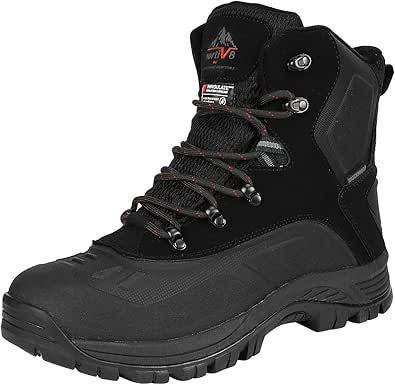 | Best for Cold-Weather Hikes | Shaft height: Ankle | Outer material: Faux leather and mesh | Insulation: 200 g | VIEW LATEST PRICE | See Our Full Breakdown |
| NORTIV 8 Men’s Waterproof Lightweight Hiking Boots |  | Best for Wide Feet | Shaft height: Ankle | Fit: Wide | Outer material: Suede and faux leather | VIEW LATEST PRICE | See Our Full Breakdown |
| Merrell Men’s Moab 3 Mid Waterproof Hiking Boots |  | Best for All-Day Trail Support | Shaft height: Ankle | Upper material: Pigskin leather and mesh | Waterproofing: Waterproof membrane | VIEW LATEST PRICE | See Our Full Breakdown |
| Timberland Men’s White Ledge Mid Waterproof Hiking Boots | 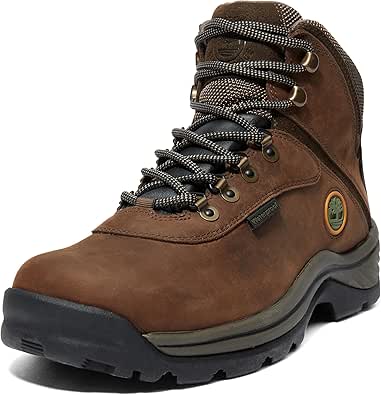 | Best Leather Upper | Upper material: 100% premium waterproof leather | Leather sourcing: LWG Silver-rated tannery | Construction: Seam-sealed | VIEW LATEST PRICE | See Our Full Breakdown |
| Men’s Waterproof Mid-Top Hiking Boots |  | Best Lightweight Pick | Upper: Synthetic suede and fabric | Waterproofing: SL-TEX waterproof membrane | Weight: 1.25 lb (size 10) | VIEW LATEST PRICE | See Our Full Breakdown |
| KEEN Men’s Targhee 4 Mid Waterproof Hiking Boots | 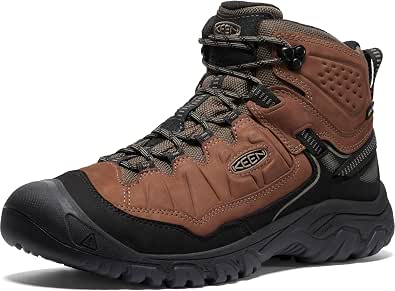 | Best for Roomy Toe Space | Waterproofing: KEEN.DRY waterproof, breathable membrane | Construction: Direct-attach | Outsole: KEEN.ALL-TERRAIN rubber | VIEW LATEST PRICE | See Our Full Breakdown |
| Columbia Men’s Newton Ridge Plus II Waterproof Hiking Boot |  | Best for Lightweight All-Weather Versatility | Upper: Waterproof full-grain leather and mesh | Outsole: Omni-Grip traction rubber | Midsole: Lightweight and cushioned | VIEW LATEST PRICE | See Our Full Breakdown |
| NORTIV 8 Men’s Waterproof Ankle-High Hiking Boots |  | Best for Flexible, Cushioned Day Hikes | Outer material: Nylon and faux leather | Sole material: Rubber | Midsole: Lightweight, flexible EVA | VIEW LATEST PRICE | See Our Full Breakdown |
| XPETI Men’s Thermator Waterproof Mid-Rise Insulated Hiking Boots |  | Best for Wet and Snowy Conditions | Waterproofing: Waterproof mesh upper and XPETI-DRY membrane | Outer material: Rubber | Inner material: Mesh | VIEW LATEST PRICE | See Our Full Breakdown |
| Columbia Men’s Fairbanks Mid Waterproof Hiking Boots |  | Best for Breathable Waterproof Coverage | Waterproofing: Omni-Tech multilayered, seam-sealed construction | Cushioning: Techlite lightweight impact absorption with energy return | Outsole: Omni-Grip multi-terrain tread | VIEW LATEST PRICE | See Our Full Breakdown |
| waterproof hiking boot | Sole material | Waterproofing | Shaft height | Outsole |
|---|---|---|---|---|
| Columbia Men’s Transverse Wate | Rubber | Waterproof, breathable, seam-sealed construction | Ankle | — |
| Columbia Men’s Newton Ridge Pl | Rubber | Waterproof suede and leather construction | — | — |
| Columbia Transverse Waterproof | Rubber | Seam-sealed, breathable Omni-Tech construction | Ankle | — |
| Columbia Women’s Newton Ridge | Rubber | — | — | Omni-GRIP non-marking rubber |
| NORTIV 8 Men’s Waterproof Work | E-TPU and rubber | — | Ankle | — |
| NORTIV 8 Men’s Waterproof Insu | EVA and rubber | — | Ankle | — |
| NORTIV 8 Men’s Waterproof Ligh | EVA and rubber | Yes | Ankle | — |
| Merrell Men’s Moab 3 Mid Water | — | Waterproof membrane | Ankle | Vibram TC5+ rubber |
| Timberland Men’s White Ledge M | — | — | Ankle | Rubber with multidirectional lugs |
| Men’s Waterproof Mid-Top Hikin | — | SL-TEX waterproof membrane | — | Traction rubber |
| KEEN Men’s Targhee 4 Mid Water | — | KEEN.DRY waterproof, breathable membrane | — | KEEN.ALL-TERRAIN rubber |
| Columbia Men’s Newton Ridge Pl | Rubber | — | — | Omni-Grip traction rubber |
| NORTIV 8 Men’s Waterproof Ankl | Rubber | — | — | — |
| XPETI Men’s Thermator Waterpro | — | Waterproof mesh upper and XPETI-DRY membrane | 8 inches | XPETI-GRIP rubber with 7 mm multidirectional lugs |
| Columbia Men’s Fairbanks Mid W | Rubber | Omni-Tech multilayered, seam-sealed construction | — | Omni-Grip multi-terrain tread |
More Details on Our Top Picks
Columbia Men’s Transverse Waterproof Hiking Boots
The Columbia Men’s Transverse suits hikers who want waterproof coverage without moving to a heavier-looking mid-cut boot. Its seam-sealed, breathable construction is described for moderate rain and snow, while the leather-and-mesh upper balances protective material with ventilation. Lightweight cushioning absorbs impact and returns energy, a useful match for varied day-hike surfaces. Compared with the Columbia Men’s Newton Ridge Plus II, the Transverse emphasizes lightweight cushioning and wet-or-dry multi-terrain grip rather than calling out a dedicated winter tread. The tradeoff is limited coverage: its ankle-height shaft is less protective than taller mid boots, and the weather claims do not extend to prolonged severe conditions. I’d choose it for mixed-surface outings in changeable but moderate weather, not extended exposure to deep snow or persistent downpours.
Pros:- Seam-sealed, breathable construction is specified for moderate rain and snow.
- Lightweight cushioning absorbs impact and provides high energy return.
- Rubber outsole is designed for grip on wet and dry rock, dirt, and gravel.
- Leather-and-mesh upper, metal hardware, and cushioned collar support trail use.
Cons:- Weather protection is described for moderate conditions, not prolonged severe exposure.
- Ankle-height shaft provides less coverage than mid-height hiking boots.
Best for: Day hikers seeking ankle-height waterproof boots with lightweight cushioning for moderate rain, occasional snow, and mixed trail surfaces.
Not ideal for: Hikers tackling prolonged severe weather or seeking the added shaft coverage of a mid-height boot.
- Shaft height:Ankle
- Upper:Leather and mesh
- Waterproofing:Waterproof, breathable, seam-sealed construction
- Sole material:Rubber
- Cushioning:Lightweight impact absorption with high energy return
- Traction:Multi-terrain grip for wet and dry conditions
- Origin:Imported
Our verdict“Choose the Transverse for lightweight, ankle-height protection on moderate-weather day hikes; pick the Newton Ridge Plus II if winter-specific tread matters more.”
Columbia Men’s Newton Ridge Plus II Suede Waterproof Hiking Boot
For hikers whose routes may include icy patches as well as mud and puddles, the Newton Ridge Plus II has the clearest cold-weather traction brief in this group. Its Omni-Grip outsole with dual-zone winter tread distinguishes it from the Columbia Men’s Transverse, whose traction is described broadly for mixed terrain rather than with a specific ice-and-snow tread. Waterproof suede and leather with seam-sealed construction add a protective upper, while the cushioned midsole helps soften repeated impact. The lace-up closure allows fit adjustment, though the product information advises checking the sizing chart and does not state the boot’s weight. That leaves less certainty for buyers prioritizing a particularly light feel. I’d favor this model for varied routes with winter conditions, but not if you need a stated weight or detailed fit guidance beyond the sizing chart.
Pros:- Seam-sealed waterproof suede and leather help protect against rain, mud, and puddles.
- Dual-zone winter tread is specifically designed for traction on ice and snow.
- Lightweight cushioned midsole absorbs impact.
- Lace-up closure allows the fit to be adjusted.
Cons:- Product information does not specify the boot’s weight.
- Sizing may require consulting the sizing chart.
Best for: Hikers who encounter a mix of trails, puddles, and occasional icy or snowy sections and want winter-specific outsole tread.
Not ideal for: Buyers who need a published boot weight or prefer sizing details that do not require checking a separate chart.
- Outer material:Leather, including suede
- Construction:Seam-sealed
- Waterproofing:Waterproof suede and leather construction
- Sole material:Rubber
- Traction system:Omni-Grip multi-terrain outsole with dual-zone winter tread
- Closure:Lace-up
- Shaft circumference:9.42 inches
- Origin:Imported
Our verdict“Pick the Newton Ridge Plus II when winter-tread versatility is a priority; the Transverse is a better fit if you want cushioning and general mixed-terrain grip without a winter-specific emphasis.”
Columbia Transverse Waterproof Women’s Hiking Boots
The women’s Columbia Transverse offers a straightforward combination for day hikes: breathable, seam-sealed waterproofing, lightweight impact cushioning, and grip intended for wet and dry trail surfaces. Its leather-and-mesh upper and cushioned collar add comfort without changing the ankle-height profile. Against the Columbia Women’s Newton Ridge Plus Waterproof Amped, the Transverse gives clearer detail about breathable waterproof construction and high-energy-return cushioning; the Newton Ridge Plus Amped instead specifies a reinforced toe and heel and a non-marking outsole. That distinction makes the Transverse the more appealing choice when ventilation and a lighter cushioned feel lead, while the Amped may suit buyers seeking extra protection at high-wear points. The Transverse is still aimed at moderate rain and snow, not prolonged harsh weather, and the listed one-inch shaft circumference offers limited fit guidance.
Pros:- Seam-sealed, breathable Omni-Tech construction is designed for moderate rain and snow.
- Techlite cushioning absorbs impact and provides high energy return.
- Omni-Grip rubber tread is designed for wet and dry rock, dirt, and gravel.
- Leather-and-mesh upper, metal hardware, and cushioned collar support trail comfort.
Cons:- Waterproofing is specified for moderate conditions rather than prolonged severe weather.
- The listed one-inch shaft circumference provides limited fit information.
Best for: Women seeking ankle-height waterproof boots with breathable construction and lightweight cushioning for moderate-weather trails.
Not ideal for: Hikers expecting prolonged severe weather or buyers who need more detailed shaft-fit measurements before choosing a boot.
- Shaft height:Ankle
- Upper:Leather and mesh
- Waterproofing:Seam-sealed, breathable Omni-Tech construction
- Cushioning:Techlite lightweight impact absorption with high energy return
- Traction:Omni-Grip multi-terrain tread
- Sole material:Rubber
- Hardware:Metal
- Shaft circumference:1 inch
- Origin:Imported
Our verdict“Choose the women’s Transverse for breathable cushioning on moderate-weather day hikes; choose the Women’s Newton Ridge Plus Amped if reinforced toe and heel protection is the stronger priority.”
Columbia Women’s Newton Ridge Plus Waterproof Amped Hiking Boots
The Women’s Newton Ridge Plus Waterproof Amped stands apart through its specified reinforced toe and heel, a practical advantage for hikers who regularly brush against rocks or rough trail edges. Its waterproof leather-and-suede upper and seam-sealed construction are paired with a TECHLITE midsole and non-marking Omni-GRIP rubber outsole. Compared with the women’s Columbia Transverse, this boot offers more explicit reinforcement at high-wear areas, while the Transverse gives clearer emphasis to breathable construction and high-energy-return cushioning. The Amped is described as a mid-cut, three-season option, so it may offer more shaft coverage than an ankle-height boot but is not positioned for demanding winter conditions. Its fit is listed as true to size, though buyers seeking tall-boot coverage should look elsewhere. I’d choose it for regular three-season trails where upper protection matters.
Pros:- Waterproof leather-and-suede upper has seam-sealed construction.
- Reinforced toe and heel help protect high-wear areas.
- TECHLITE midsole provides lightweight impact cushioning.
- Non-marking Omni-GRIP rubber outsole is designed for varied terrain.
Cons:- Described as a three-season boot rather than a severe-winter option.
- Mid-cut shaft offers less coverage than taller boots.
Best for: Women hikers who want a waterproof mid-cut boot with reinforced toe and heel areas for three-season trail use.
Not ideal for: Hikers seeking a tall shaft for greater coverage or a boot described for severe winter conditions.
- Cut:Mid-cut
- Outer material:Leather and suede
- Construction:Seam-sealed
- Midsole:TECHLITE lightweight cushioning
- Outsole:Omni-GRIP non-marking rubber
- Sole material:Rubber
- Fit:True to size
- Shaft circumference:18.85 inches
- Origin:Imported
Our verdict“Choose the Newton Ridge Plus Amped for three-season hikes where reinforced toe and heel areas matter more than the Transverse’s clearer focus on breathable cushioning.”
NORTIV 8 Men’s Waterproof Work and Hiking Boots
The NORTIV 8 Men’s Waterproof Work and Hiking Boots are the most work-oriented pick here, with an eight-hour SGS-tested waterproof barrier, reinforced toe, durable stitching, and quick-lace system. Those details make them a better match for buyers splitting time between outdoor tasks and casual trails than the Columbia Men’s Transverse, which is framed around hiking comfort and moderate rain or snow. A deep-lug rubber outsole targets wet and muddy footing, while the lightweight E-TPU midsole is designed to absorb shock. The tradeoff is that the waterproof claim is tied to an eight-hour test, not an unlimited promise for prolonged exposure. The ankle-height shaft also leaves less leg coverage than mid boots such as the Newton Ridge Plus II. I’d pick this pair for practical work-and-outdoor use, not for hikers who want a taller boot or a specifically trail-focused design.
Pros:- Waterproof barrier is SGS-tested for eight hours.
- Lightweight E-TPU midsole is designed to absorb shock.
- Deep-lug rubber outsole targets traction on wet and muddy terrain.
- Reinforced toe, durable stitching, and quick-lace system suit work and outdoor wear.
Cons:- Waterproof testing is specified for eight hours, so longer exposure is not established by the product data.
- Ankle-height shaft provides less coverage than mid-height hiking boots.
Best for: Men who need ankle-height waterproof boots for outdoor work, muddy paths, and everyday trail use, with a quick-lace fit.
Not ideal for: Hikers seeking mid-height coverage or buyers expecting waterproof performance beyond the stated eight-hour test.
- Shaft height:Ankle
- Waterproof testing:8-hour SGS-tested barrier
- Outer material:Nylon and TPU
- Sole material:E-TPU and rubber
- Midsole:Lightweight E-TPU
- Closure:Quick-lace system
- Shaft circumference:10.71 inches
Our verdict“Choose the NORTIV 8 for work-to-trail versatility and a stated waterproof test duration; choose the Columbia Transverse if hiking comfort and breathable moderate-weather protection are the priority.”
NORTIV 8 Men’s Waterproof Insulated Winter Hiking Boots
For hikes where warmth matters as much as waterproofing, this NORTIV 8 stands apart from the uninsulated Merrell Men’s Moab 3 Mid Waterproof Hiking Boots. Its 200 g insulation, moisture-absorbing lining, and windproof toe caps are geared toward cold conditions, with the product described as suitable down to -25°F. That extra warmth can make winter outings more comfortable, but it is less suited to mild-weather hikes, where insulation may feel excessive. The ankle-height shaft also leaves more of the lower leg exposed than a taller boot, so it offers less coverage in deep snow or wet brush. A removable, washable insole is a practical advantage after damp, cold-weather use; the tradeoff is a faux-leather-and-mesh upper rather than the premium leather used on the Timberland White Ledge.
Pros:- Waterproof construction and windproof toe caps help shield feet from wet, cold conditions.
- 200 g insulation is designed for cold-weather use.
- Removable, washable insole is easier to refresh after winter outings.
- Flexible rubber outsole is described as slip- and abrasion-resistant.
Cons:- Ankle-height shaft offers less coverage in deep snow and wet brush than a taller boot.
- Insulation may be too warm for mild-weather hikes.
- Faux leather and mesh upper differs from the premium leather construction of the Timberland White Ledge.
Best for: Hikers looking for insulated, waterproof footwear for cold-weather walks and winter trails who prefer an ankle-height boot.
Not ideal for: Hikers tackling deep snow, wet brush, or mild-weather trails who want more shaft coverage or do not need insulation.
- Shaft height:Ankle
- Outer material:Faux leather and mesh
- Insulation:200 g
- Sole material:EVA and rubber
- Shaft circumference:16 inches
- Insole:Removable and washable
Our verdict“Choose this NORTIV 8 for cold hikes where insulation is a priority, but pick an uninsulated boot for warmer conditions or a taller boot for deeper snow.”
NORTIV 8 Men’s Waterproof Lightweight Hiking Boots
This NORTIV 8 earns its place for a specific fit need: a wide-fit design in a waterproof ankle-height boot. Its suede-and-faux-leather upper and waterproof construction make it a practical alternative to the Merrell Men’s Moab 3 Mid Waterproof Hiking Boots, whose listed details emphasize cushioning and trail support rather than a wide fit. A removable insole with arch support gives buyers some flexibility in how the interior feels, while the rubber toe cap and reinforced heel add protection around common impact areas. The main compromise is that the wider shape may feel loose on narrower feet, where a standard-fit option may hold the foot more securely. Its ankle shaft also offers less coverage than a taller boot, so this is better suited to ordinary trails and camping than deep snow or brush-heavy routes.
Pros:- Wide fit is designed for people who need more room across the foot.
- Waterproof construction helps keep feet dry on wet trails.
- Removable insole includes arch support.
- Rubber toe cap and reinforced heel add protection.
Cons:- Wide fit may not hold narrower feet securely.
- Ankle-height shaft provides less lower-leg coverage than a mid-height boot.
- The listed materials include suede and faux leather rather than a single-material leather upper.
Best for: Hikers with wide feet who want waterproof ankle-height boots for hiking, hunting, or camping.
Not ideal for: Hikers with narrow feet or those who need a taller shaft for extra coverage on snowy or brushy routes.
- Shaft height:Ankle
- Fit:Wide
- Outer material:Suede and faux leather
- Waterproofing:Yes
- Sole material:EVA and rubber
- Shaft circumference:30.8 cm
- Insole:Removable, flexible, with arch support
Our verdict“Pick this model if standard hiking boots feel too narrow; skip it if you need a snugger fit or more shaft coverage.”
Merrell Men’s Moab 3 Mid Waterproof Hiking Boots
Among these five boots, the Merrell Moab 3 Mid puts the clearest emphasis on cushioned support and varied-trail grip. Its waterproof membrane is paired with a Vibram TC5+ outsole, lightweight EVA midsole, molded nylon arch shank, and contoured removable insole. That support package gives it a more trail-focused feel than the lightweight Men’s Waterproof Mid-Top Hiking Boots, which instead highlight memory foam and a lighter construction. The protective toe cap and ankle shaft add coverage for rougher paths, while recycled laces and mesh lining are a material detail some buyers may value. The tradeoff is that its higher ankle shaft may feel restrictive to hikers who prefer low-cut footwear. Its pigskin leather-and-mesh upper also differs from the Timberland White Ledge’s all-leather upper.
Pros:- Waterproof membrane is designed to keep water out while allowing moisture to escape.
- Vibram TC5+ rubber outsole provides traction on varied terrain.
- Contoured removable insole, EVA midsole, and molded nylon shank support the foot.
- Recycled laces and mesh lining incorporate recycled materials.
Cons:- Ankle shaft may feel restrictive to hikers who prefer low-cut footwear.
- Pigskin leather-and-mesh upper is not an all-leather construction.
- Supportive structure may feel more substantial than a lightweight option such as the Men’s Waterproof Mid-Top.
Best for: Hikers who want cushioned support, a defined arch structure, and a grippy outsole for longer outings on varied trails.
Not ideal for: Hikers who prefer low-cut freedom of movement or want an all-leather upper rather than leather combined with mesh.
- Shaft height:Ankle
- Upper material:Pigskin leather and mesh
- Waterproofing:Waterproof membrane
- Outsole:Vibram TC5+ rubber
- Midsole:Lightweight EVA foam
- Arch shank:Molded nylon
- Insole:Removable contoured insole with reinforced heel cushioning
- Heel cushioning:Merrell Air Cushion
- Laces and webbing:100% recycled
Our verdict“Choose the Moab 3 Mid if support and outsole grip matter more than a low-cut feel or the lightest possible construction.”
Timberland Men’s White Ledge Mid Waterproof Hiking Boots
The Timberland White Ledge is the leather-focused choice in this group: its premium waterproof leather upper is backed by seam-sealed construction and a fully gusseted tongue. Those details help limit water entry at the seams and tongue, making this a strong alternative to the NORTIV 8 Men’s Waterproof Lightweight Hiking Boots, which use suede and faux leather and are specifically aimed at wide feet. A rubber outsole with multidirectional lugs and EVA cushioning cover the basic needs of trail traction and comfort. The tradeoff is that the provided details do not list an insulation layer, so buyers seeking winter warmth may prefer the insulated NORTIV 8. Its ankle-height shaft also gives less lower-leg coverage than a taller boot, and the leather upper makes this a different choice from lighter synthetic designs.
Pros:- Premium waterproof leather upper uses seam-sealed construction.
- Fully gusseted tongue helps limit water and debris entry.
- Rubber outsole has multidirectional lugs for trail traction.
- EVA footbed and midsole provide cushioning.
Cons:- Ankle-height shaft offers less coverage than a taller boot.
- No insulation is listed, making it less suited to buyers prioritizing winter warmth than the insulated NORTIV 8.
- Leather construction is a different choice from lighter synthetic uppers.
Best for: Hikers who prefer a waterproof leather upper and want seam-sealed construction with a gusseted tongue for wet trail conditions.
Not ideal for: Cold-weather hikers seeking built-in insulation, or hikers who need extra shaft coverage for deep snow and brush.
- Upper material:100% premium waterproof leather
- Leather sourcing:LWG Silver-rated tannery
- Construction:Seam-sealed
- Shaft height:Ankle
- Outsole:Rubber with multidirectional lugs
- Footbed and midsole:EVA
- Lining:ReBOTL fabric
- Lacing hardware:Rustproof speed lace hardware with top lace hooks
- Tongue:Fully gusseted
Our verdict“Choose the White Ledge if a seam-sealed leather upper is your priority, but look to an insulated model for cold-weather hikes.”
Men’s Waterproof Mid-Top Hiking Boots
For buyers who put lightweight comfort ahead of a leather upper or a more structured support system, these mid-top boots offer a distinct alternative. The stated weight is 1.25 lb for size 10, and the SL-TEX waterproof membrane is paired with a breathable lining, a closed-cell tongue, and a rubber anti-collision toe. A removable memory foam insole and EVA midsole focus on cushioning, unlike the Merrell Moab 3 Mid, which adds a molded nylon shank and Vibram TC5+ outsole for a more explicitly structured trail setup. This model may suit walks and hikes where weight and underfoot softness matter, but the weight figure applies only to size 10, and the synthetic suede-and-fabric upper may need care to stay clean. Its listed details also provide less specific support structure than the Merrell.
Pros:- SL-TEX waterproof membrane and closed-cell tongue help keep water, muck, and sand out.
- Lightweight construction is listed at 1.25 lb for size 10.
- Removable memory foam insole and EVA midsole provide cushioning.
- Rubber anti-collision toe and traction rubber outsole add protection and grip.
Cons:- The stated weight applies only to size 10.
- Synthetic suede-and-fabric upper may need care to keep clean outdoors.
- Listed support details are less specific than the Merrell Moab 3 Mid’s molded nylon shank and Vibram outsole.
Best for: Hikers and walkers who want a lightweight, waterproof mid-top with removable cushioned insoles for everyday outdoor outings.
Not ideal for: Hikers seeking a clearly specified arch shank and Vibram outsole, or buyers who prefer a leather upper that may be easier to wipe clean.
- Upper:Synthetic suede and fabric
- Waterproofing:SL-TEX waterproof membrane
- Weight:1.25 lb (size 10)
- Lining:D01 breathable lining
- Insole:Removable memory foam
- Midsole:EVA
- Toe protection:Rubber anti-collision toe
- Outsole:Traction rubber
- Closure:Lace-up
Our verdict“Choose this mid-top for lightweight waterproof comfort on walks and hikes, but favor the Merrell Moab 3 Mid if you want more defined trail support and outsole details.”
KEEN Men’s Targhee 4 Mid Waterproof Hiking Boots
The KEEN Men’s Targhee 4 Mid suits hikers who want waterproof coverage without a narrow-feeling toe box. Its KEEN.DRY membrane is designed to keep water out while allowing breathability, and the generous KEEN Original Fit gives toes more room than a close-fitting boot may offer. Underfoot, the KEEN.ALL-TERRAIN rubber outsole is made for muddy and rocky ground; a bruise plate and rubber toe guard add protection where uneven trails can knock the foot. Compared with the Columbia Men’s Fairbanks Mid, this KEEN specifies more trail-focused protection and a removable contoured footbed. The tradeoff is its ankle-height shaft, which leaves less lower-leg coverage than a taller boot, and the roomy fit may not suit hikers who prefer a snug forefoot.
Pros:- KEEN.DRY waterproof, breathable membrane
- Generous toe space accommodates a roomier forefoot
- Rubber outsole is designed for muddy and rocky terrain
- Removable Luftcell footbed, bruise plate, and rubber toe guard add support and protection
Cons:- Ankle-height shaft offers less coverage than a taller boot
- Roomy fit may feel too wide to hikers who want a snug forefoot
Best for: Hikers who need extra toe room, a removable supportive footbed, and protection for rocky or muddy trails.
Not ideal for: Hikers seeking taller coverage for deep snow or brush, or those who prefer a close-fitting toe box.
- Waterproofing:KEEN.DRY waterproof, breathable membrane
- Construction:Direct-attach
- Outsole:KEEN.ALL-TERRAIN rubber
- Fit:KEEN Original Fit with generous toe space
- Footbed:Removable Luftcell
- Protection:Bruise plate and high-abrasion rubber toe guard
- Shaft:Ankle height
- Laces:100% recycled PET
Our verdict“Choose the Targhee 4 Mid if toe room and trail protection matter more to you than a taller shaft or close fit.”
Columbia Men’s Newton Ridge Plus II Waterproof Hiking Boot
The Columbia Men’s Newton Ridge Plus II is a practical choice for hikers who want a cushioned boot with waterproof leather-and-mesh construction and an outsole designed for changing surfaces. Its lightweight midsole helps soften impact on long walks, while the Omni-Grip rubber outsole is intended for varied terrain, including ice and snow. That broad-use approach differs from the KEEN Men’s Targhee 4 Mid, which lists a bruise plate and toe guard for more explicit foot protection on rocky trails. The Newton Ridge Plus II instead keeps the feature set straightforward, with a lace-up closure for fit adjustment. Its ankle-height shaft gives less coverage than a taller boot, and the product data recommends checking the sizing chart, so buyers should pay attention to fit rather than assume their usual size will work.
Pros:- Waterproof full-grain leather and mesh upper
- Lightweight cushioned midsole absorbs impact
- Omni-Grip outsole is designed for varied terrain, including ice and snow
- Lace-up closure allows fit adjustment
Cons:- Ankle-height shaft provides limited lower-leg coverage
- Sizing chart is recommended, so fit may require extra attention
Best for: Day hikers looking for a lightweight, cushioned waterproof boot for mixed trails and occasional cold or slick conditions.
Not ideal for: Hikers who need extended lower-leg coverage or want specified toe and underfoot impact protection for rough, rocky routes.
- Upper:Waterproof full-grain leather and mesh
- Outsole:Omni-Grip traction rubber
- Midsole:Lightweight and cushioned
- Closure:Lace-up
- Shaft:Ankle height
- Sole material:Rubber
- Origin:Imported
Our verdict“Pick the Newton Ridge Plus II for a cushioned, versatile waterproof boot, but look elsewhere if you need a taller shaft or specified rock protection.”
NORTIV 8 Men’s Waterproof Ankle-High Hiking Boots
The NORTIV 8 Men’s Waterproof Ankle-High Hiking Boots focus on a flexible feel: a lightweight EVA midsole cushions steps, and the removable shock-absorbing insole lets buyers adjust the footbed setup. Their rubber soles are described as slip-resistant on wet or muddy ground, making this pair a straightforward option for damp day hikes. Compared with the Columbia Men’s Newton Ridge Plus II, the NORTIV 8 lists removable cushioning but does not specify the same leather-and-mesh upper construction or traction for ice and snow. That distinction makes it better suited to buyers prioritizing flexibility over a more detailed all-weather feature set. The nylon and faux-leather upper is less substantial on paper than the KEEN Targhee 4’s listed toe guard and bruise plate, while the roughly 10-inch shaft circumference may not work for every wearer.
Pros:- Lightweight, flexible EVA midsole cushions each step
- Removable shock-absorbing insole allows footbed adjustment
- Rubber soles are described as slip-resistant on wet or muddy surfaces
- Nylon and faux-leather upper keeps the construction flexible
Cons:- Approximately 10-inch shaft circumference may not suit every wearer
- Product data does not specify a waterproof membrane or seam-sealing details
- Less explicit protective hardware than the KEEN Targhee 4 Mid
Best for: Day hikers who value a flexible, lightweight step and a removable cushioned insole for wet or muddy trails.
Not ideal for: Hikers who want specified ice-and-snow traction, more explicit toe protection, or a shaft fit that accommodates a narrower opening.
- Outer material:Nylon and faux leather
- Sole material:Rubber
- Midsole:Lightweight, flexible EVA
- Insole:Removable, shock-absorbent cushioned
- Shaft:Ankle height
- Shaft circumference:Approximately 10 inches
Our verdict“Choose this NORTIV 8 for flexible cushioning on wet day hikes, but favor a boot with clearer waterproofing details for sustained exposure.”
XPETI Men’s Thermator Waterproof Mid-Rise Insulated Hiking Boots
The XPETI Men’s Thermator is the most cold-weather-oriented pick here: its waterproof mesh upper, XPETI-DRY membrane, and moisture-wicking lining are intended to keep feet dry and warm in wet or snowy conditions. A rubber toe cap helps shield against bumps, and the 7 mm multidirectional lugs are designed to grip varied ground. That makes it a more snow-minded option than the Columbia Men’s Newton Ridge Plus II, whose description emphasizes general versatility and cushioning rather than an explicitly warm lining. Still, the Thermator’s insulation is not identified by material or rating, so I would not treat it as a proven choice for severe cold. The 8-inch shaft offers more stated height than the ankle-height Columbia models, but missing fit details make sizing less predictable.
Pros:- Waterproof mesh upper and XPETI-DRY membrane
- Moisture-wicking mesh lining is intended to help feet stay dry and warm
- 7 mm multidirectional lugs provide a defined traction pattern
- Rubber toe cap helps protect against bumps
Cons:- No insulation material or rating is provided
- Fit and sizing details are not specified
- Waterproof performance is described, but construction details are less specific than Columbia’s seam-sealed Fairbanks
Best for: Hikers and campers who want a waterproof boot for wet or snowy outings and value a taller stated shaft and lugged outsole.
Not ideal for: Buyers who need a confirmed insulation rating for severe cold or detailed sizing information before choosing a fit.
- Waterproofing:Waterproof mesh upper and XPETI-DRY membrane
- Outer material:Rubber
- Inner material:Mesh
- Shaft height:8 inches
- Midsole:EVA
- Outsole:XPETI-GRIP rubber with 7 mm multidirectional lugs
- Toe protection:Rubber toe cap
Our verdict“Choose the Thermator for wet or snowy outings when its traction and taller shaft appeal, but skip it if you need verified cold-weather insulation or precise fit guidance.”
Columbia Men’s Fairbanks Mid Waterproof Hiking Boots
The Columbia Men’s Fairbanks Mid fits hikers who want waterproof construction for moderate rain and snow without a heavy, rigid feel. Its Omni-Tech layers are seam-sealed, giving the waterproof claim a clearly stated construction method, while Techlite cushioning is designed to absorb impact and return energy with each step. The Omni-Grip tread is intended for rock, dirt, and gravel, making this a versatile option for everyday trails. Compared with the XPETI Men’s Thermator, the Fairbanks provides more explicit waterproof construction details, but the Thermator gives a more pronounced cold-weather pitch with its warm lining and 7 mm lugs. The Fairbanks is specified for moderate conditions, not prolonged severe exposure, and its listed ankle-height shaft offers limited lower-leg coverage. Choose it for breathable, cushioned use rather than deep-winter protection.
Pros:- Omni-Tech multilayered, seam-sealed construction is designed to keep water out
- Breathable design supports comfort in moderate conditions
- Techlite cushioning provides impact absorption and energy return
- Omni-Grip tread is designed for rock, dirt, and gravel
Cons:- Waterproofing is specified for moderate rain and snow, not prolonged severe conditions
- Ankle-height shaft limits lower-leg coverage
- No insulation rating is specified for sustained cold-weather use
Best for: Hikers who need seam-sealed waterproofing and lightweight cushioning for moderate rain, snow, and mixed everyday trails.
Not ideal for: People facing prolonged severe wet conditions, deep snow, or seeking a taller shaft for added lower-leg coverage.
- Waterproofing:Omni-Tech multilayered, seam-sealed construction
- Cushioning:Techlite lightweight impact absorption with energy return
- Outsole:Omni-Grip multi-terrain tread
- Sole material:Rubber
- Shaft:Ankle height
- Origin:Imported
Our verdict“Pick the Fairbanks Mid for breathable, seam-sealed protection and lightweight cushioning in moderate conditions, not extended severe weather.”

How We Picked
I compared these waterproof hiking boots by the factors that most affect trail use: protection from wet conditions, traction, underfoot comfort, ankle coverage, weight, insulation, and likely fit. I also considered how well each boot’s stated purpose matches different outings, from everyday walks and maintained trails to cold-weather hikes. Since product names and versions can be similar, I treated men’s and women’s models as distinct choices rather than assuming identical sizing or fit.
The ranking prioritizes versatility for common hiking needs, then gives extra weight to clear use-case advantages such as cold-weather insulation or a lighter, lower-cut design. Boots that appear suited to a broader range of trails rank ahead of more specialized picks, while near-duplicate models are separated by their stated features and intended audience. Waterproofing alone does not make a boot right for every hike, so I also account for tradeoffs such as added warmth, reduced coverage, or the need to check fit carefully.
| waterproof hiking boot | Sole material |
|---|---|
| Columbia Men’s Transverse Wate | Rubber |
| Columbia Men’s Newton Ridge Pl | Rubber |
| Columbia Transverse Waterproof | Rubber |
| Columbia Women’s Newton Ridge | Rubber |
| NORTIV 8 Men’s Waterproof Work | E-TPU and rubber |
| NORTIV 8 Men’s Waterproof Insu | EVA and rubber |
| NORTIV 8 Men’s Waterproof Ligh | EVA and rubber |
| Merrell Men’s Moab 3 Mid Water | — |
| Timberland Men’s White Ledge M | — |
| Men’s Waterproof Mid-Top Hikin | — |
| KEEN Men’s Targhee 4 Mid Water | — |
| Columbia Men’s Newton Ridge Pl | Rubber |
| NORTIV 8 Men’s Waterproof Ankl | Rubber |
| XPETI Men’s Thermator Waterpro | — |
| Columbia Men’s Fairbanks Mid W | Rubber |
Factors to Consider When Choosing Waterproof Hiking Boots
Before choosing a pair, I’d match the boot to the conditions you actually hike in—not simply the wettest weather you might encounter. These factors help distinguish all-season protection from a boot designed around warmth, lighter movement, or added coverage.
Match Waterproofing to Your Wet-Weather Exposure
Waterproof protection is most useful when you expect persistent rain, damp brush, or shallow puddles on regular routes. It does not make a boot immune to water entering over the collar, and standing in deep water can defeat the protection. For frequent wet hikes, look for a design that pairs a waterproof barrier with a secure tongue and a collar that suits your gaiters, if you use them. A waterproof boot can also hold heat and moisture inside, so hikers in warm, humid conditions may prefer a more breathable shoe for short, dry outings. Avoid treating the waterproof label as a substitute for checking seams, fit, or the height of the boot. The best match depends on how often your trails are wet and how long your feet stay exposed.
Prioritize Fit Before Ankle Height
A mid-height collar can add coverage and a more secure feel, but it cannot fix a boot that pinches the forefoot or lets the heel lift. Try boots with the socks you expect to hike in, and leave room for toes to move when walking downhill. Foot shape varies, so a roomier last may suit one hiker while another prefers a closer fit; brand or gender labeling alone does not settle that question. Check whether the instep feels pressured when the laces are snug, since tightening too much can create discomfort on long walks. If you use custom insoles or orthotics, test them inside the boot before committing. A comfortable fit over a short walk is a better starting point than choosing by collar height or appearance.
Choose Traction for Your Actual Trails
Trail grip matters most when the ground is loose, slick, or uneven, but no outsole removes the need for careful footing. Think about whether your routes are mostly packed dirt, rocky climbs, muddy paths, or a mix. Deeper lugs can help find purchase on softer ground, while a more moderate tread can feel less cumbersome on paved approaches and everyday walks. Sole stiffness is another tradeoff: a firmer platform can feel more supportive on rough terrain, while a flexible boot may feel easier on short, uncomplicated trails. Do not assume that a waterproof boot is automatically a technical mountain boot. Match tread and support to the terrain you regularly encounter rather than the most extreme hike you might take once.
Decide Whether You Need Insulation
Insulated boots make more sense for cold-weather hikes, winter walks, and long periods outdoors in low temperatures. They can feel uncomfortably warm during fast hikes or mild-weather use, especially when paired with thick socks. A waterproof, non-insulated boot is usually more adaptable across changing seasons, though it may need warmer socks in winter. Consider how much you move and whether your feet tend to run hot or cold; warmth needs vary as much as fit. Also leave enough room for winter socks without making the heel loose. Buying extra insulation for every hike can reduce comfort on the conditions you face most often.
Balance Boot Weight Against Support
Lighter boots can make casual hikes and daily wear feel less tiring, but low weight may come with less structure or coverage than a more substantial mid-height design. A heavier, sturdier boot may feel more secure when carrying a pack or walking over rough ground, though it can feel excessive on easy trails. Consider your pack load, distance, and how often you hike on uneven terrain. If your trips are short and mostly on maintained paths, flexibility may matter more than maximum support. For longer routes, comfort underfoot and a stable fit deserve more attention than saving a small amount of weight. Choose the lightest boot that still feels appropriate for your terrain and load.
Account for Break-In, Care, and Long-Term Use
Even comfortable boots may need gradual wear before a long hike, so avoid making the first outing a full-day trip. Start with short walks and watch for rubbing at the heel, ankle, and toes. Keep waterproof footwear clean and let it dry naturally after wet outings; direct heat can damage materials and adhesives. Dirt and debris can affect both comfort and traction, so routine cleaning is part of keeping a pair usable. Waterproof treatments may need renewal depending on the boot’s materials and how often it sees wet conditions. If you want one pair for frequent, varied use, consider whether its care needs and construction suit the time you are willing to spend maintaining it.
Frequently Asked Questions
Can waterproof hiking boots work for both rainy trails and everyday wear?
Yes, a versatile mid-height boot can cover wet trails and everyday walks, but the best choice depends on how warm and structured it feels. Insulated designs are more likely to feel hot during daily use or mild-weather hikes. A lighter boot may feel easier for errands and maintained paths, while a more supportive model may suit uneven trails better. Check that the tread is comfortable on hard surfaces if you will wear the boots off trail often. For frequent mixed use, prioritize fit and all-season comfort over the most specialized feature.
Should I choose an insulated boot or a non-insulated waterproof boot for winter hiking?
Choose insulation when your hikes involve sustained cold, slow movement, or long periods standing outdoors. A non-insulated waterproof boot may work in milder winter conditions when paired with appropriate socks and a comfortable fit. Insulation can become uncomfortable once your pace rises or temperatures climb, so think about your usual activity level as well as the forecast. Make sure the boot has enough interior room for winter socks without allowing heel slip. If you hike across several seasons, a non-insulated option is generally easier to adapt.
Do I need a mid-height boot if I hike on easy trails?
Not always. Mid-height boots provide more coverage around the ankle, but easy, maintained trails may not call for that extra material. A lower or lighter design can feel less restrictive for short walks and everyday use. On uneven ground, with a pack, or when brushing through wet vegetation, added coverage may feel more useful. Fit and stability matter more than the collar alone, so try the boot before deciding that a taller style is automatically better.
How can I choose between similar Columbia Newton Ridge and Transverse boots?
Start by comparing the exact version and intended user, since this roundup includes separate men’s and women’s models and similar product names. Then check the current manufacturer details for materials, construction, sizing, and care rather than assuming two boots are identical. Think about whether you prefer a classic suede-style appearance or another upper design, and make fit your deciding factor. If both options suit your intended trails, try them with your hiking socks and compare heel hold, toe room, and pressure across the instep. Similar branding is less useful than a clear fit match.
What should I do if my waterproof boots still let water in?
First identify where the water enters: it may come over the collar, through a damaged area, or from moisture trapped inside rather than through the waterproof barrier. Check whether the boot’s height suits the depth of water and whether gaiters would help on your routes. Clean the boots and inspect the upper, seams, and tongue for visible damage or buildup. Follow the maker’s care instructions, since some materials may need suitable treatment as they age. If the boot is new and water appears to pass through intact material, contact the seller or manufacturer about the product’s warranty or support process.
Conclusion
For a one-pair starting point, I’d choose the Merrell Men’s Moab 3 Mid Waterproof as the best overall pick for hikers who want a versatile mid-height design. The NORTIV 8 Men’s Waterproof Lightweight Hiking Boots are my best value-style choice for buyers prioritizing lighter movement, while the KEEN Men’s Targhee 4 Mid Waterproof is the premium-leaning option for hikers whose fit needs favor a roomier feel. Beginners who mostly walk maintained trails should compare the Columbia Transverse and Newton Ridge models by fit and intended conditions rather than buying extra insulation they may not use. For cold outings, consider the NORTIV 8 insulated boots or XPETI Thermator; for simpler routes where less coverage appeals, look at the ankle-high styles. Choose the pair that matches your terrain, temperature, and foot shape, then break it in before a long hike.