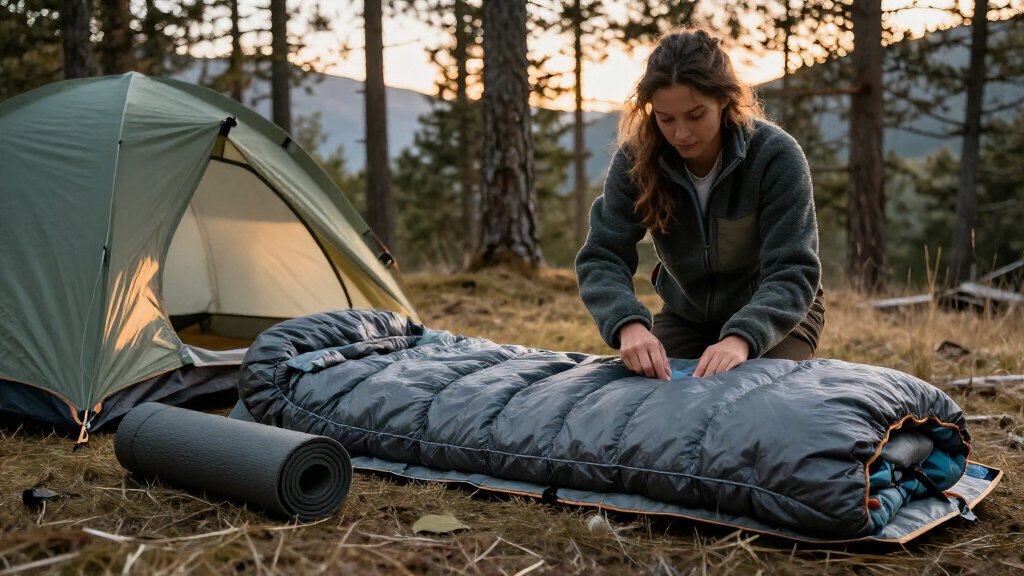
For most campers seeking a balance of low weight, useful warmth, and packability, I’d start with the Naturehike Ultralight RDS Down Sleeping Bag; the TETON Sports TrailHead is a practical mummy-style alternative, while the TANSTRIDER suits warm-weather trips where a lighter setup matters more than cold-night insulation. The main tradeoff is straightforward: lighter bags often give up warmth, room, or weather tolerance, while roomier and more versatile designs can take up more space in a pack. Temperature ratings, insulation type, and fit matter more than a “lightweight” label alone. I compare all 15 options by those priorities below, so you can match a bag to your trip rather than carry extra weight or risk getting cold.

Get travel and outdoor gear delivered free with Prime
- Fast, free delivery on millions of items
- Prime Video, Amazon Music and more included
- Member-only deals all year
Complete the kit

Key Takeaways
- The Naturehike Ultralight RDS Down stands apart as the premium choice because down insulation prioritizes warmth for its packed weight; it calls for more care around moisture than many synthetic-fill options.
- TETON Sports TrailHead offers a recognizable mummy-bag shape for campers who value a closer fit, while roomier rectangular-style options favor sleeping space over compact packing.
- TANSTRIDER and ECOOPRO are warm-weather picks, not substitutes for colder-season bags; choosing them for chilly nights can save pack weight at the cost of warmth.
- Machine-washable construction on the PTEROMY speaks to easy care, but washing convenience alone does not tell you whether a bag’s warmth suits a trip.
- The lineup spans very different use cases: from compact backpacking options to cool-weather and family-oriented bags, so temperature needs and packed volume should decide the shortlist before small convenience features.
| Naturehike Lightweight Compact Sleeping Bag | 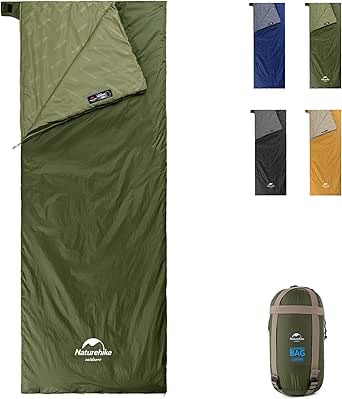 | Best for Compact Packing | Weight: 0.76 kg (1.68 lb) | Dimensions: 80.7 × 33.5 in | Compressed storage volume: 13 × 31 cm (5 × 12 in) | VIEW LATEST PRICE | See Our Full Breakdown |
| Wind Tour 3-Season Lightweight Sleeping Bag |  | Best Convertible Sleep Setup | Weight: 2.2 lb (1.0 kg) | Temperature range: 43–59°F (6–15°C) | Sleep mode dimensions: 84.6 × 31.5 in (215 × 80 cm) | VIEW LATEST PRICE | See Our Full Breakdown |
| PTEROMY Lightweight Machine Washable Water-Resistant Backpacking Sleeping Bag for Adults |  | Best for Easy-Care Backpacking | Weight: 3 lb (1.35 kg) | Dimensions: 87 × 31 in | Shell: Water-resistant, windproof polyester | VIEW LATEST PRICE | See Our Full Breakdown |
| SOULOUT 3–4 Season Sleeping Bag for Adults and Teens |  | Best Roomy Option for Campground Trips | Weight: 4.5 lb | Dimensions: 86.6 × 32.7 in | Packed size: 9.1 × 13.8 in | VIEW LATEST PRICE | See Our Full Breakdown |
| YANLIFY Lightweight 3-Season Sleeping Bag for Adults |  | Best for Ventilation on Mild Trips | Weight: 1.35 kg | Comfort range: 50–68°F | Dimensions: 86.6 × 31.4 in | VIEW LATEST PRICE | See Our Full Breakdown |
| Sportneer 3-Season Sleeping Bag with Compression Sack |  | Best for Ventilation and Room to Stretch | Occupancy: 1 person | Season: 3 seasons | Dimensions: 87 × 31.5 inches | VIEW LATEST PRICE | See Our Full Breakdown |
| TETON Sports TrailHead Ultralight Mummy Sleeping Bag |  | Best for Cool-Weather Backpacking | Occupancy: 1 person | Season: All seasons (listed) | Shape: Mummy | VIEW LATEST PRICE | See Our Full Breakdown |
| JEAOUIA Lightweight Waterproof Sleeping Bag |  | Best Compact Pick for Shorter Campers | Occupancy: 1 person | Season: 3 seasons | Dimensions: 86.6 × 31.5 inches | VIEW LATEST PRICE | See Our Full Breakdown |
| TANSTRIDER Ultralight Warm-Weather Sleeping Bag |  | Best Ultralight Warm-Weather Pick | Occupancy: 1 person | Season: All seasons (listed) | Comfort temperature range: 50–70°F | VIEW LATEST PRICE | See Our Full Breakdown |
| ECOOPRO Warm Weather Sleeping Bag, 83 × 30 in |  | Best for Warm-Weather Backpacking | Capacity: 1 person | Dimensions: 83 × 30 inches | Weight: 1.7 pounds (0.77 kg) | VIEW LATEST PRICE | See Our Full Breakdown |
| MalloMe 3-Season Sleeping Bag for Adults and Kids |  | Best for Easy-Care Family Camping | Occupancy: 1 person | Season: 3 seasons | Temperature range: 50–80°F listed; product text also states 50–77°F | VIEW LATEST PRICE | See Our Full Breakdown |
| Coleman Brazos Adult Cool-Weather Sleeping Bag, 30°F |  | Best for Cool-Weather Car Camping | Shape: Rectangular | Dimensions: 75 × 33 in | Weight: 5.2 lb | VIEW LATEST PRICE | See Our Full Breakdown |
| Oaskys 3-Season Camping Sleeping Bag |  | Best for Taller Campers on a Budget-Friendly Pack | Season: 3-season | Temperature range: 10–20°C; also listed as 50–80°F | Dimensions: 190 + 30 cm × 80 cm | VIEW LATEST PRICE | See Our Full Breakdown |
| Naturehike Ultralight RDS Down Sleeping Bag |  | Best for Ultralight Backpacking | Occupancy and season: 1 person; 3 seasons | Comfort temperature: 51.8°F | Limit temperature: 42.8°F | VIEW LATEST PRICE | See Our Full Breakdown |
| BORULL Lightweight Compact Sleeping Bag for Backpacking, Camping, and Hiking |  | Best for Tiny Packed Storage | Occupancy and shape: 1 person; envelope | Weight: 1.5 lb | Packed size: 4.7 × 7.9 in | VIEW LATEST PRICE | See Our Full Breakdown |
| lightweight camping sleeping bag | Weight | Dimensions | Materials |
|---|---|---|---|
| Naturehike Lightweight Compact | 0.76 kg (1.68 lb) | 80.7 × 33.5 in | — |
| Wind Tour 3-Season Lightweight | 2.2 lb (1.0 kg) | — | — |
| PTEROMY Lightweight Machine Wa | 3 lb (1.35 kg) | 87 × 31 in | — |
| SOULOUT 3–4 Season Sleeping Ba | 4.5 lb | 86.6 × 32.7 in | — |
| YANLIFY Lightweight 3-Season S | 1.35 kg | 86.6 × 31.4 in | — |
| Sportneer 3-Season Sleeping Ba | 1.5 kg | 87 × 31.5 inches | 190T polyester taffeta shell, 190T polyester pongee lining, polyester fill |
| TETON Sports TrailHead Ultrali | 2.9 pounds | 87 × 32 inches | Polyester ripstop; synthetic microfiber fill |
| JEAOUIA Lightweight Waterproof | 3.3 pounds | 86.6 × 31.5 inches | Polyester shell, pongee lining, hollow-fiber fill |
| TANSTRIDER Ultralight Warm-Wea | 1.5 pounds | 75 × 30 inches | Polyester shell; washed cotton lining listed, with cotton fill also mentioned in product information |
| ECOOPRO Warm Weather Sleeping | 1.7 pounds (0.77 kg) | 83 × 30 inches | Nylon shell; polyester lining and fill |
| MalloMe 3-Season Sleeping Bag | 1.3 kg (about 3 lb) | 86.6 × 31.5 in | — |
| Coleman Brazos Adult Cool-Weat | 5.2 lb | 75 × 33 in | Polyester material; cotton fill |
| Oaskys 3-Season Camping Sleepi | 3 lb | 190 + 30 cm × 80 cm | 210T anti-tearing polyester shell; 190T polyester pongee lining; polyester fill |
| Naturehike Ultralight RDS Down | 565 g / 1.3 lb (CW295) | — | — |
| BORULL Lightweight Compact Sle | 1.5 lb | 79 × 30 in | Polyester microfiber shell and fill; nylon liner |
More Details on Our Top Picks
Naturehike Lightweight Compact Sleeping Bag
At 1.68 lb with a listed compressed size of 5 × 12 inches, this Naturehike is the clearest choice here for campers trying to keep carried bulk down. Its 80.7-inch length and 33.5-inch width also give it more room to move than the narrower Wind Tour, though it weighs more than that bag. The imitation silk cotton fill and nylon shell suit mild-weather camping and travel, but the supplied details do not give a temperature rating. I would not treat it as a dependable pick for cold nights without additional rating information. The compression sack supports a small pack, while hand-wash care asks more of you at cleanup than the machine-washable PTEROMY.
Pros:- Low listed weight of 1.68 lb
- Compact 5 × 12-inch compressed size
- Roomy 80.7 × 33.5-inch dimensions
- Compression carry bag is included
Cons:- No temperature rating is supplied
- Hand-wash care takes more effort than the machine-washable PTEROMY
- Imitation silk cotton fill is not positioned for demanding cold-weather use
Best for: Backpackers and travelers prioritizing a small packed bundle and a roomy sleep space for mild-weather trips
Not ideal for: Campers planning cold-weather nights or anyone who needs a stated temperature rating and easy machine-wash care
- Weight:0.76 kg (1.68 lb)
- Dimensions:80.7 × 33.5 in
- Compressed storage volume:13 × 31 cm (5 × 12 in)
- Shell material:Nylon
- Fill:80 g/m² imitation silk cotton
- Care:Hand wash
- Included accessory:Compression carry bag
Our verdict“Choose this Naturehike for compact packing and extra sleeping room on mild trips, but skip it if you need a clear cold-weather rating.”
Wind Tour 3-Season Lightweight Sleeping Bag
The Wind Tour’s main advantage is flexibility: zip it into a sleeping bag or open it into a 72.8 × 63-inch quilt when a campsite feels warmer than expected. At 2.2 lb, it is lighter than the PTEROMY and much lighter than the SOULOUT, making it a practical option for mild-weather hiking where a changeable setup matters. Its stated 43–59°F range is more useful for planning than the Naturehike’s unspecified rating, but it still points to cool-to-mild conditions rather than a cold-weather bag. Cotton fill is a drawback around damp campsites, where it may be less suited than a synthetic-filled option. Choose it for adaptable sleep coverage, not dependable insulation in wet or low temperatures.
Pros:- Converts between bag and quilt configurations
- Listed weight is 2.2 lb
- Temperature range is specified as 43–59°F
- Quilt mode provides broad coverage
Cons:- Cotton fill may be less suitable in damp conditions
- Temperature range does not target very cold nights
- Heavier than the Naturehike despite its lightweight positioning
Best for: Hikers and car campers who want one lightweight sleep layer that can open into a quilt on warmer nights
Not ideal for: Backpackers expecting wet conditions or cold nights, since the cotton fill and stated temperature range limit its use
- Weight:2.2 lb (1.0 kg)
- Temperature range:43–59°F (6–15°C)
- Sleep mode dimensions:84.6 × 31.5 in (215 × 80 cm)
- Quilt mode dimensions:72.8 × 63 in (185 × 160 cm)
- Fill:Cotton
- Shell:Polyester
- Shape and occupancy:Rectangular; 1 person
- Included accessory:Storage sack
Our verdict“Pick the Wind Tour if you value bag-to-quilt flexibility for mild trips more than low weight or wet-weather performance.”
PTEROMY Lightweight Machine Washable Water-Resistant Backpacking Sleeping Bag for Adults
For campers who expect muddy gear and want straightforward cleanup, the PTEROMY pairs a machine-washable build with a water-resistant, windproof polyester shell. That care advantage sets it apart from the hand-wash Naturehike, while its 3 lb weight makes it the heaviest of these five. The 50–80°F rating suits warm-weather trips, and the 87 × 31-inch shape gives taller sleepers more length than the YANLIFY, though the narrower width may feel restrictive to some. An adjustable head drawstring, inner pocket, and bottom ventilation zipper add useful ways to manage drafts and warmth. Its listed water resistance is not a substitute for a waterproof shelter, and the temperature range rules it out for cold-weather backpacking.
Pros:- Machine washable
- Water-resistant and windproof polyester shell
- 87-inch length accommodates taller sleepers
- Bottom ventilation zipper and adjustable head drawstring offer airflow and fit adjustments
Cons:- At 3 lb, it is heavier than the other four picks
- 50°F lower rating is not suited to cold nights
- 31-inch width may feel narrow for sleepers who move around
Best for: Backpackers who want machine-washable care, added shell protection, and enough length for sleepers up to 7 feet
Not ideal for: Weight-conscious hikers or campers needing insulation below the stated 50°F lower temperature
- Weight:3 lb (1.35 kg)
- Dimensions:87 × 31 in
- Shell:Water-resistant, windproof polyester
- Fill:Hollow-fiber cotton
- Shape and occupancy:Rectangular; 1 person
- Maximum recommended height:7 ft
- Care:Machine washable
Our verdict“Choose the PTEROMY for washable, weather-conscious comfort on warm trips, provided its 3 lb carry weight fits your plans.”
SOULOUT 3–4 Season Sleeping Bag for Adults and Teens
The SOULOUT favors room and straightforward care over a low carry weight. Its 86.6 × 32.7-inch rectangular shape gives adults and teens space to shift around, and the machine-washable construction is easier to maintain than the hand-wash Naturehike. At 4.5 lb, though, it is substantially heavier than every other bag in this group, so I would reserve it for car camping or short walks from the vehicle rather than weight-sensitive backpacking. The polyester shell is described as water-resistant for light moisture, not as waterproof, and the product details do not give a specific temperature range despite the all-season label. Compared with the lighter Wind Tour, this is the roomier, heavier choice; neither should be treated as a sure bet for severe cold.
Pros:- Roomy rectangular dimensions for movement
- Machine washable
- Water-resistant shell helps with light moisture
- Includes a stuff sack
Cons:- At 4.5 lb, it is the heaviest option in this group
- No specific temperature range is provided
- Water resistance is described for light rain and moisture, not heavy wet conditions
Best for: Car campers and teens who want a washable, roomy rectangular bag and do not need to carry it far
Not ideal for: Backpackers seeking a low pack weight or campers who need a clear temperature rating for cold conditions
- Weight:4.5 lb
- Dimensions:86.6 × 32.7 in
- Packed size:9.1 × 13.8 in
- Shell:Polyester; water-resistant
- Fill:Polyester
- Shape and occupancy:Rectangular; 1 person
- Maximum recommended height:85 in
- Care:Machine washable
Our verdict“The SOULOUT makes sense for roomy, easy-care campground use, but its weight and unspecified temperature performance make it a poor backpacking choice.”
YANLIFY Lightweight 3-Season Sleeping Bag for Adults
The YANLIFY is a practical mild-weather pick for campers who want more control over airflow than a basic zippered bag offers. Its two-way zipper and separate foot-end zipper let you vent from above or below, which can help manage warmth when nights sit within its stated 50–68°F comfort range. At 1.35 kg, it is lighter than the SOULOUT and PTEROMY, but heavier than the Naturehike. The polyester shell is water-repellent, while the cotton fill makes damp conditions a concern compared with the PTEROMY’s water-resistant shell construction. Its 86.6 × 31.4-inch rectangular cut offers useful length but less width than the Naturehike. The included compression sack aids packing, though the listed packed dimensions are not especially small.
Pros:- Two-way zipper and foot-end zipper provide ventilation options
- Stated comfort range of 50–68°F
- Water-repellent polyester shell
- Includes a compression sack
Cons:- Cotton fill may be less suitable for damp conditions
- Heavier than the Naturehike at 1.35 kg
- Listed packed dimensions may take more room than a compact backpacking setup allows
Best for: Campers and travelers sleeping in mild conditions who want adjustable ventilation and a compression sack
Not ideal for: Backpackers prioritizing the lightest or smallest load, and campers expecting cold or persistently damp weather
- Weight:1.35 kg
- Comfort range:50–68°F
- Dimensions:86.6 × 31.4 in
- Packed dimensions:39 × 26 × 10 cm
- Shell:Polyester; water-repellent
- Lining:190T pongee
- Fill and shape:Cotton; rectangular
- Closure and accessory:Two-way zipper; compression sack
Our verdict“Choose the YANLIFY for adjustable airflow on mild camping trips, but look elsewhere for the smallest pack or wet-weather insulation.”
Sportneer 3-Season Sleeping Bag with Compression Sack
The Sportneer suits campers who want a roomy rectangular cut and adjustable airflow more than a low pack weight: at 1.5 kg, it is heavier than the TANSTRIDER at 1.5 pounds. Its two-way zipper opens at the feet, which can release heat on mild nights, while the adjustable hood gives you a way to retain warmth when temperatures dip. The 87-inch length and 31.5-inch width offer space for sleepers who dislike a close mummy fit. The main limitation is temperature clarity: the stated comfort range begins at 50°F, even though another listed rating starts at 32°F. I would treat it as a mild-weather bag rather than rely on the lower figure for cold nights. Choose it over the ECOOPRO if ventilation and extra length matter more than a lighter carry.
Pros:- Roomy 87 × 31.5-inch rectangular shape
- Two-way zipper opens at the foot for airflow
- Adjustable hood drawstring helps retain warmth
- Suitable for sleepers up to 7 feet tall
Cons:- At 1.5 kg, it is heavier than the TANSTRIDER and ECOOPRO
- Comfort range starts at 50°F, limiting cold-weather usefulness
- Temperature information conflicts between the 50–80°F comfort range and 32–80°F listed rating
Best for: Car campers and casual hikers who prefer a roomy rectangular bag, adjustable head coverage, and foot ventilation for mild conditions.
Not ideal for: Backpackers counting every gram or campers planning cold nights, since it weighs 1.5 kg and its comfort and temperature figures conflict.
- Occupancy:1 person
- Season:3 seasons
- Dimensions:87 × 31.5 inches
- Weight:1.5 kg
- Shape:Rectangular
- Temperature information:50–80°F comfort; listed rating 32–80°F
- Materials:190T polyester taffeta shell, 190T polyester pongee lining, polyester fill
- Closure and features:Two-way zipper with bottom opening; adjustable hood drawstring
Our verdict“Choose the Sportneer for mild-weather trips when a roomy fit and adjustable ventilation matter more than low pack weight or dependable cold-weather guidance.”
TETON Sports TrailHead Ultralight Mummy Sleeping Bag
The TETON TrailHead is the most backpacking-oriented option in this group: its mummy shape and compression sack prioritize warmth and packability over the open feel of rectangular bags like the Sportneer. At 2.9 pounds, it is not the lightest here, but the synthetic microfiber fill, zipper draft tube, and roomy footbox give it a more warmth-focused setup than the warm-weather TANSTRIDER or ECOOPRO. Temperature information needs caution: the supplied details list a +20°F rating, while the raw title also mentions 5°F, so I would not choose it for a trip that depends on a precise low-temperature limit without confirming the rating. Its 72-inch height recommendation also makes fit a deciding factor. For a backpacker within that limit who wants a mummy cut and included compression sack, it offers a clearer cold-weather intent than the other bags here.
Pros:- Mummy shape and compression sack suit backpack packing
- Synthetic microfiber insulation provides a warmth-focused design
- Roomy footbox and zipper draft tube add comfort and reduce drafts
- Lifetime limited warranty covers material or workmanship defects
Cons:- At 2.9 pounds, it is heavier than the TANSTRIDER and ECOOPRO
- Temperature information conflicts between +20°F and 5°F
- Recommended for users no taller than 72 inches
Best for: Backpackers up to 6 feet tall who want a compressible synthetic mummy bag with draft protection for cooler trips.
Not ideal for: Taller sleepers, campers who prefer an unrestricted rectangular fit, or anyone relying on a verified temperature rating for very cold conditions.
- Occupancy:1 person
- Season:All seasons (listed)
- Shape:Mummy
- Dimensions:87 × 32 inches
- Weight:2.9 pounds
- Temperature information:+20°F rating listed; raw title also mentions 5°F
- Materials:Polyester ripstop; synthetic microfiber fill
- Maximum recommended height:72 inches
- Included components and warranty:Sleeping bag, compression sack; lifetime limited warranty
Our verdict“Pick the TrailHead if you fit its 72-inch limit and want a mummy-style backpacking bag, but verify its temperature rating before planning cold nights.”
JEAOUIA Lightweight Waterproof Sleeping Bag
JEAOUIA targets campers who want a compact, straightforward rectangular bag for mild three-season outings. Its 3.3-pound weight is more than double the TANSTRIDER’s 1.5 pounds, so the compact packed dimensions do not make it the lightest choice for a long hike. The hollow-fiber fill, adjustable hood, and foot zipper give it more flexibility for shifting temperatures than a simple warm-weather blanket-style setup, while the 41–77°F limit still points away from cold-weather use. Its 86.6-inch length is paired with a maximum recommended height of 5 feet 11 inches, which makes fit less accommodating than the Sportneer or TETON for taller campers. I’d favor this one for a shorter sleeper who values a compact packed form and easy-care, water-resistant construction over minimal carry weight.
Pros:- Compact packed size listed as 7.9–14.2 inches
- Adjustable hood and foot zipper allow warmth and airflow adjustments
- Hollow-fiber fill and rectangular shape suit casual camping
- Water-resistant design and wipe-clean surface support practical use
Cons:- At 3.3 pounds, it is heavier than the TANSTRIDER and ECOOPRO
- Maximum recommended height of 5 feet 11 inches excludes many taller sleepers
- 41–77°F range does not indicate dependable cold-weather performance
Best for: Campers up to 5 feet 11 inches who want a compact rectangular bag for mild-weather weekend trips and value a water-resistant design.
Not ideal for: Taller sleepers, gram-conscious backpackers, or campers expecting reliable comfort in cold conditions.
- Occupancy:1 person
- Season:3 seasons
- Dimensions:86.6 × 31.5 inches
- Weight:3.3 pounds
- Packed size:7.9–14.2 inches
- Temperature range:41–77°F recommended limit
- Materials:Polyester shell, pongee lining, hollow-fiber fill
- Maximum recommended height:5 feet 11 inches (180 cm)
- Closure and features:Zipper, hook and loop, drawstring; foot zipper and adjustable hood
Our verdict“Choose JEAOUIA for compact mild-weather camping if you are under 5 feet 11 inches and can accept more weight than the lightest options.”
TANSTRIDER Ultralight Warm-Weather Sleeping Bag
At 1.5 pounds, TANSTRIDER is the lightest clearly specified option in this set, making it a better match for warm-weather hikers than the heavier Sportneer or JEAOUIA. Its two-way zipper can open the bag as a blanket or connect it to another compatible bag, adding flexibility for campsite use that the more fitted TETON mummy design does not offer. The tradeoff is temperature range: its 50–70°F comfort listing suits mild nights, not a broad range of conditions despite the all-seasons label. At 75 × 30 inches, it is also much shorter than the 87-inch TETON and Sportneer, so taller sleepers should check the fit closely. Product details vary between cotton lining and cotton fill; I would treat the insulation description as uncertain when comparing warmth.
Pros:- At 1.5 pounds, it weighs less than the other listed options
- Two-way zipper allows blanket-style use or connection to another bag
- Separate foot zipper provides additional ventilation
- Includes a compression sack for packing
Cons:- 50–70°F comfort range limits use on cold nights
- 75-inch length may not suit taller sleepers
- Product information is unclear about whether cotton is the lining, fill, or both
Best for: Weight-conscious hikers and warm-weather campers who want a light bag that can also work as a blanket or pair with another bag.
Not ideal for: Tall sleepers or campers heading out in cold weather, since the bag is only 75 inches long and its comfort range starts at 50°F.
- Occupancy:1 person
- Season:All seasons (listed)
- Comfort temperature range:50–70°F
- Dimensions:75 × 30 inches
- Weight:1.5 pounds
- Shape:Rectangular
- Materials:Polyester shell; washed cotton lining listed, with cotton fill also mentioned in product information
- Closure and features:Two-way zipper; can open as a blanket or connect to another bag; separate foot zipper
- Included component:Compression sack
Our verdict“Choose TANSTRIDER for mild trips where low weight and flexible blanket-style use matter more than length or cold-weather insulation.”
ECOOPRO Warm Weather Sleeping Bag, 83 × 30 in
The ECOOPRO is a straightforward choice for mild nights when low carry weight and a water-resistant shell matter more than insulation for cold weather. At 1.7 pounds, it is slightly heavier than the TANSTRIDER but longer at 83 inches, giving taller sleepers more room than TANSTRIDER’s 75-inch length. Its envelope shape offers an open feel rather than the closer fit of the TETON mummy, while the 11-inch packed height and compression sack-friendly design support backpacking and hiking. Temperature details conflict: the description gives 55–60°F, while the listed rating is 16–30°C. I would treat it as a warm-weather bag and avoid relying on the lower converted range without clarification. Compared with the Sportneer, it is lighter and simpler, but it lacks the same stated adjustable hood and two-way foot ventilation.
Pros:- Light 1.7-pound weight supports easier carrying
- 83-inch length offers more room than the TANSTRIDER
- Nylon shell is described as water-resistant
- 11-inch packed height and envelope shape suit portable warm-weather use
Cons:- 55–60°F description and 16–30°C listed rating give conflicting temperature guidance
- Warm-weather range limits usefulness on cold nights
- Lacks the stated adjustable hood and foot-opening ventilation of the Sportneer
Best for: Backpackers and hikers who want a light, longer envelope bag for warm-weather trips and prefer a water-resistant nylon shell.
Not ideal for: Cold-weather campers or buyers who need a consistent temperature rating; its listed temperature figures do not align clearly.
- Capacity:1 person
- Dimensions:83 × 30 inches
- Weight:1.7 pounds (0.77 kg)
- Shape:Envelope
- Temperature information:55–60°F in description; listed rating 16–30°C
- Materials:Nylon shell; polyester lining and fill
- Maximum recommended height:6.92 feet
- Packed height:11 inches
- Warranty:2 years
Our verdict“Pick the ECOOPRO for warm-weather trips when you want a light, longer envelope bag, but not when cold-night performance or clear temperature guidance is a priority.”
MalloMe 3-Season Sleeping Bag for Adults and Kids
The MalloMe suits campers who want a carryable bag that is simple to clean after family trips. Its machine-washable synthetic fill and compression sack make it more practical for frequent, messy use than the down-filled Naturehike Ultralight RDS, which prioritizes lower packed weight. At about 3 pounds, though, MalloMe is not the lightest choice here, and its listed 50–80°F range points to mild conditions rather than dependable cold-weather use. The water-resistant shell can help with light dampness, but it is not a substitute for a dry shelter. The product information also gives two slightly different upper temperature figures, so I would treat it as a warm-weather bag and plan extra insulation if nights may approach the lower end of its range.
Pros:- Machine-washable synthetic fill suits frequent family use
- Compression sack with straps helps reduce bulk for transport
- Water-resistant polyester shell offers some protection from light moisture
- Double-sided snag-free zipper is easier to operate from inside or outside
Cons:- About 3 pounds is heavier than the Naturehike Ultralight RDS
- The 50–80°F listed range is not suited to winter or reliably cold nights
- Product details conflict slightly on the upper temperature figure
Best for: Families and casual campers who want a washable synthetic bag for mild spring, summer, and fall outings.
Not ideal for: Backpackers minimizing carried weight or campers expecting cold nights; its roughly 3-pound weight and mild-weather rating work against those needs.
- Occupancy:1 person
- Season:3 seasons
- Temperature range:50–80°F listed; product text also states 50–77°F
- Dimensions:86.6 × 31.5 in
- Weight:1.3 kg (about 3 lb)
- Shell and fill:Polyester shell; polyester fill
- Care:Machine washable
- Included:Compression sack with straps
Our verdict“Choose MalloMe for washable, mild-weather family camping, but pick a lighter down bag or a warmer-rated option for demanding backpacking or cold nights.”
Coleman Brazos Adult Cool-Weather Sleeping Bag, 30°F
The Coleman Brazos is the lineup’s cool-weather choice, trading backpacking efficiency for a rectangular shape and a stated 30°F rating. Its draft tube and Fiberlock construction address two common warmth problems: heat escaping along the zipper and insulation shifting away from the body. That makes it a more plausible pick for chilly campground nights than the mild-weather MalloMe or BORULL. The tradeoff is substantial for anyone carrying gear on foot: at 5.2 pounds, it is far heavier than the Naturehike Ultralight RDS, and its 75-inch length fits campers only up to 5 feet 11 inches. I would choose it for vehicle-based trips where room and warmth matter more than pack weight, not for a long backpacking route.
Pros:- 30°F rating targets cooler nights than the mild-weather MalloMe and BORULL
- Draft tube helps limit warmth loss along the zipper
- Fiberlock construction helps keep insulation from shifting
- Zipper can connect two compatible bags
Cons:- At 5.2 pounds, it is much heavier than the Naturehike Ultralight RDS
- 75-inch length is specified for campers up to 5 feet 11 inches
- A 30°F rating does not make it a choice for colder winter conditions
Best for: Car campers under 5 feet 11 inches who want a roomy rectangular bag for cool nights and value a draft tube over low pack weight.
Not ideal for: Backpackers, taller campers, or anyone heading into conditions colder than the stated 30°F rating.
- Shape:Rectangular
- Dimensions:75 × 33 in
- Weight:5.2 lb
- Maximum camper height:5 ft 11 in
- Materials:Polyester material; cotton fill
- Construction:Draft tube and Fiberlock insulation construction
- Included:Stuff sack
- Warranty:5-year limited warranty
Our verdict“Pick the Coleman Brazos for cool-weather car camping when its shorter fit works for you, and skip it if low carry weight is the priority.”
Oaskys 3-Season Camping Sleeping Bag
The Oaskys 3-Season combines a rectangular cut with room for campers up to 7 feet tall, giving it a fit advantage over the Coleman Brazos, which is specified for users up to 5 feet 11 inches. Its adjustable hood and separate bottom zipper also let sleepers manage coverage and airflow without fully opening the bag. At 3 pounds, it is easier to carry than the 5.2-pound Coleman, though it remains far heavier than the 1.3-pound Naturehike Ultralight RDS. Temperature information is less clear: the listing gives 10–20°C and 50–80°F, ranges that do not align exactly. I would treat it as a mild-weather option and avoid relying on it near the lower end without checking conditions and bringing backup insulation.
Pros:- Maximum height recommendation of 7 feet accommodates taller sleepers
- Adjustable hood allows coverage to be changed as conditions shift
- Bottom zipper provides a way to vent without opening the main zipper
- Compression sack and water-resistant shell support travel and outdoor use
Cons:- At 3 pounds, it is heavier than the Naturehike Ultralight RDS
- Temperature listings of 10–20°C and 50–80°F are not fully consistent
- The listed range is aimed at mild conditions rather than cold nights
Best for: Tall campers who want a rectangular, compressible synthetic bag for hiking or camping in mild conditions.
Not ideal for: Cold-weather campers or buyers who need a clearly defined temperature rating and the lowest possible pack weight.
- Season:3-season
- Temperature range:10–20°C; also listed as 50–80°F
- Dimensions:190 + 30 cm × 80 cm
- Weight:3 lb
- Shape and occupancy:Rectangular; 1 person
- Maximum height recommendation:7 ft
- Materials:210T anti-tearing polyester shell; 190T polyester pongee lining; polyester fill
- Ventilation:Adjustable hood and separated bottom zipper
- Included:Compression sack with straps
Our verdict“Choose Oaskys if you need extra length and adjustable ventilation in a mild-weather bag, but look elsewhere for cold-weather confidence or ultralight carry.”
Naturehike Ultralight RDS Down Sleeping Bag
At 1.3 pounds and a packed size of 12 × 26 cm, the Naturehike Ultralight RDS is the clear choice here for reducing pack burden. Its 650-fill-power down provides warmth for its weight, while individual channels help keep the insulation distributed. Compared with the 3-pound Oaskys and MalloMe, it saves significant carried weight, but it gives up their synthetic fill and easier machine-washable care. The published comfort temperature is 51.8°F, with a limit of 42.8°F, so this is a compact mild-to-cool-weather bag rather than a cold-season solution. Fit also matters: the 295 g version is the short size, and choosing the wrong length could undermine comfort. I would check size before packing it for a trip.
Pros:- At 1.3 pounds, it is lighter than the synthetic Oaskys and MalloMe
- 650-fill-power RDS-certified down offers warmth with low carry weight
- Compact 12 × 26 cm packed size saves pack space
- Individual down channels and a two-way YKK zipper support practical use
Cons:- Comfort temperature of 51.8°F limits use in colder conditions
- The 295 g version is the short size, so fit depends on selecting the right length
- Down requires more care around moisture than the synthetic-fill alternatives
Best for: Weight-conscious backpackers who want a compact down bag for mild-to-cool trips and can select the correct length.
Not ideal for: Campers needing a cold-weather sleeping bag, a machine-washable synthetic option, or a roomy fit without checking size availability.
- Occupancy and season:1 person; 3 seasons
- Comfort temperature:51.8°F
- Limit temperature:42.8°F
- Fill:RDS-certified duck down, 650 fill power
- Down fill weight:295 g (CW295)
- Weight:565 g / 1.3 lb (CW295)
- Sizes:Short: 190 × 72 cm; Medium: 200 × 80 cm
- Packed size:12 × 26 cm
- Shell, lining, and closure:20D 400T nylon; two-way YKK zipper
Our verdict“Choose the Naturehike for the lightest, most compact carry in this group when your trips stay mild and the available size fits.”
BORULL Lightweight Compact Sleeping Bag for Backpacking, Camping, and Hiking
The BORULL is the storage-first pick: its stated 4.7 × 7.9-inch packed size and 1.5-pound weight make it easier to tuck into a small pack than the 3-pound MalloMe or Oaskys. Its 79-inch length also gives taller campers more room than the Coleman Brazos, although the recommended maximum user weight is under 165 pounds. A dual-side auto-lock zipper helps prevent accidental opening, and machine-washable polyester fill is simpler to maintain than the down in the Naturehike Ultralight RDS. The main limit is warmth: the stated comfort range begins at 50°F, so the “3–4 seasons” label should not be taken as a promise of cold-weather performance. I would reserve it for mild trips and bring added insulation when nights approach that threshold.
Pros:- 1.5-pound weight and compact stated packed size suit space-conscious packing
- 79-inch length is specified for users up to 6.58 feet tall
- Machine-washable polyester fill is easier to maintain than down
- Dual-side auto-lock zipper helps limit accidental opening
Cons:- 50–80°F comfort range makes it a mild-weather choice despite the 3–4 season label
- Recommended for users under 165 pounds, limiting its fit range
- Its 30-inch width may feel restrictive for sleepers who prefer extra room
Best for: Light-pack campers with limited storage space who want a washable bag for mild-weather trips and weigh under 165 pounds.
Not ideal for: Cold-weather campers, users over the stated 165-pound recommendation, or sleepers who need a wide fit.
- Occupancy and shape:1 person; envelope
- Weight:1.5 lb
- Packed size:4.7 × 7.9 in
- Dimensions:79 × 30 in
- Recommended maximum height:6.58 ft
- Comfort temperature range:50–80°F
- Materials:Polyester microfiber shell and fill; nylon liner
- Closure and care:Dual-side auto-lock zipper; machine washable
- Recommended user weight:Under 165 lb
Our verdict“Pick BORULL for compact storage and easy-care use on mild trips if its weight and width recommendations fit you.”

How We Picked
I ranked these lightweight camping sleeping bags by how well their stated designs serve people carrying gear to camp. I weighed insulation type and intended season against packed size, shape, ease of care, and practical features such as a compression sack or water-resistant construction. A low-weight design only ranks well when its warmth and intended conditions make sense; a warm-weather bag is not a strong all-round choice just because it is easy to pack.
The order gives priority to useful warmth-to-weight balance and versatility, then to focused strengths such as compactness, beginner-friendly handling, and weather or care features. I placed specialist warm-weather and cool-weather models below more adaptable choices for general camping because they serve narrower temperature ranges. Product names and advertised features do not provide comparable measured weights or independent warmth tests, so I avoid treating unverified specs as direct performance proof.
Factors to Consider When Choosing Lightweight Camping Sleeping Bags
Before choosing by a “lightweight” label, I’d work backward from the coldest conditions you expect and how the bag will travel. These broader checks help avoid the common mismatch: carrying a bag that is easy to pack but not warm enough, or paying a weight penalty for features your trips rarely need.
Match the Temperature Rating to Your Coldest Night
Start with expected overnight lows, not average daytime weather or the warmest night of the trip. A bag’s temperature rating is a guide, and individual sleepers can feel cold at different temperatures depending on clothing, fatigue, shelter, and the sleeping pad beneath them. When a trip may reach the bag’s stated limit, a warmer choice or a planned clothing layer gives more margin than relying on a rating alone. Warm-weather models such as the TANSTRIDER and ECOOPRO are best kept to mild conditions rather than stretched into shoulder-season use. A common mistake is treating “3-season” as a universal temperature promise; check the maker’s rating details and intended conditions before buying.
Compare Packed Weight and Volume, Not Just the Word Lightweight
For backpacking, both carried weight and the space a bag occupies matter; a light bag that compresses poorly can still crowd out food or shelter. Look for product-specific packed dimensions and weight, and compare them on the same basis rather than relying on marketing labels. A compression sack can make packing more manageable, but it does not change the insulation’s warmth or the bag’s actual weight. Car campers can often accept a larger packed size if it improves comfort or versatility, while long-distance hikers may prefer a more compact design. Decide which constraint is real for your trips before paying extra for a smaller bundle.
Choose Insulation for Your Climate and Care Habits
Down insulation can offer a favorable warmth-to-weight profile, which is why the Naturehike Ultralight RDS is the premium-minded option in this lineup. Its tradeoff is added attention to moisture protection and drying; damp insulation can be a poor match for wet trips if your packing system is not ready for it. Synthetic designs are often easier to manage in changeable, damp conditions, though the exact performance depends on construction and specifications. Machine-washable claims, such as the PTEROMY’s, can simplify upkeep, but always follow the care label rather than assuming every bag tolerates the same washing method. Think about where the bag will be stored and dried, not only how it performs on the first night.
Balance Fit, Shape, and Sleep Comfort
Mummy bags reduce unused space around the body and can suit campers prioritizing warmth and packability, but the closer fit can feel restrictive to people who move around at night. Rectangular or roomier cuts give more freedom and can be easier to share with younger or less experienced campers, though extra space may require more body heat to warm. Check bag dimensions against your height and preferred sleeping position; a nominal adult fit does not tell you whether the shoulders or foot area will feel comfortable. If you sleep cold, a very roomy bag may need warmer sleepwear or a better insulated pad. Comfort is not a luxury detail when poor sleep can derail a trip.
Treat Water Resistance as a Supplement, Not a Waterproofing Plan
Water-resistant fabric can help with light moisture, but it does not make a sleeping bag a safe choice for direct rain or a wet tent floor. Keep the bag inside a dry sack or a pack liner and use a shelter that prevents condensation and leaks. This is especially relevant for down-filled options, where moisture management deserves more attention. Buyers sometimes choose a “waterproof” label and skip basic protection; that creates more risk than carrying a simple waterproof storage layer. Prioritize a dry sleep system first, then treat fabric coatings as a helpful extra.
Pay for Features That Match How You Camp
Extra features make sense when they solve a recurring problem: easy washing for frequent family use, a compression sack for tight backpacking loads, or a warmer design for cool-weather outings. They add less value when a bag’s core temperature range or fit does not match your needs. Beginners may benefit most from a straightforward, versatile bag and a clear care routine rather than a highly specialized design. For occasional summer car camping, room and simple upkeep may matter more than shaving the last bit of pack volume. Set your trip conditions first, then compare features within that shortlist.
Frequently Asked Questions
Can a warm-weather sleeping bag work for spring or fall camping?
It can, but only if the expected nighttime lows stay within the bag’s suitable range and you have a plan for colder conditions. Warm-weather models such as the TANSTRIDER and ECOOPRO are focused choices, not automatic three-season replacements. A warmer base layer may help, but it cannot reliably compensate for a bag that is far below the conditions you face. Check the forecast close to departure and account for exposed campsites, elevation, and cold-sensitive sleepers. If temperatures are uncertain, choose a bag with more warmth margin rather than relying on the season label.
Is down always the best choice for a lightweight backpacking bag?
No. Down can provide strong warmth for its weight, which makes the Naturehike Ultralight RDS a compelling premium-style option, but moisture management and care matter. A synthetic bag may suit damp trips or buyers who want a less demanding care routine, depending on its construction. Compare the stated weight, packed dimensions, temperature information, and care instructions for the specific models rather than choosing by insulation type alone. Also consider whether you can keep the bag dry in your pack and tent. The best material is the one that fits both your route and your habits.
What should I prioritize if I’m buying my first sleeping bag?
I’d prioritize a suitable temperature range, a comfortable fit, and simple care before chasing the smallest possible packed size. A beginner-friendly choice should suit the trips you actually plan, not an imagined range of extreme conditions. Check the bag’s dimensions and care label, and pair it with a sleeping pad that provides enough insulation from the ground. The MalloMe and broader three-season options in this roundup may appeal to campers seeking flexible uses, but their specific fit and temperature details still need checking. If you mainly camp in mild weather, do not carry a heavier cold-weather bag without a reason.
Does a compression sack make a sleeping bag warmer or lighter?
No. A compression sack reduces the space the bag takes in your pack, but it does not reduce its actual weight or improve its temperature rating. It can be useful when your pack has limited room, as with a backpacking setup, but it adds little if you have ample storage space. Avoid leaving insulation compressed for long-term storage, since prolonged compression can harm loft over time. For home storage, follow the manufacturer’s instructions and use a loose storage method if recommended. Compare packed volume separately from carried weight when choosing a bag.
Should I choose a roomier bag or a mummy bag for backpacking?
A mummy shape can reduce unused space and suit campers who want a closer fit, while a roomier bag can feel more comfortable for people who change positions often. The weight and warmth difference depends on the individual models, so shape alone cannot settle the choice. Try to match the bag’s dimensions to your body and sleeping position, and check whether the foot area feels too narrow. If you sleep cold, less empty space can help, but a restrictive fit may undermine a full night’s rest. For backpacking, weigh comfort against packed size rather than assuming the tightest cut is always best.
Conclusion
For the strongest warmth-to-weight direction in this lineup, I’d choose the Naturehike Ultralight RDS Down Sleeping Bag as the best overall and premium pick, provided you can protect down from moisture and follow its care needs. For backpackers who prefer a mummy shape, the TETON Sports TrailHead is a focused alternative; for mild-weather trips where packability is the priority, I’d look at the TANSTRIDER or ECOOPRO. Buyers seeking a practical value choice should compare the straightforward three-season options, including Sportneer and Oaskys, against their actual temperature and packed-size needs rather than choosing by label alone. For beginners, I’d favor a versatile, easy-to-care-for bag such as the PTEROMY if its warmth and fit match the trip; for family or cool-weather use, focus on roomier or warmer models such as MalloMe or Coleman Brazos. The right choice is the lightest bag that still fits your coldest expected night, body, and care routine.
Halloween Picks
halloween
As an affiliate, we earn on qualifying purchases.