
TL;DR

Get travel and outdoor gear delivered free with Prime
- Fast, free delivery on millions of items
- Prime Video, Amazon Music and more included
- Member-only deals all year
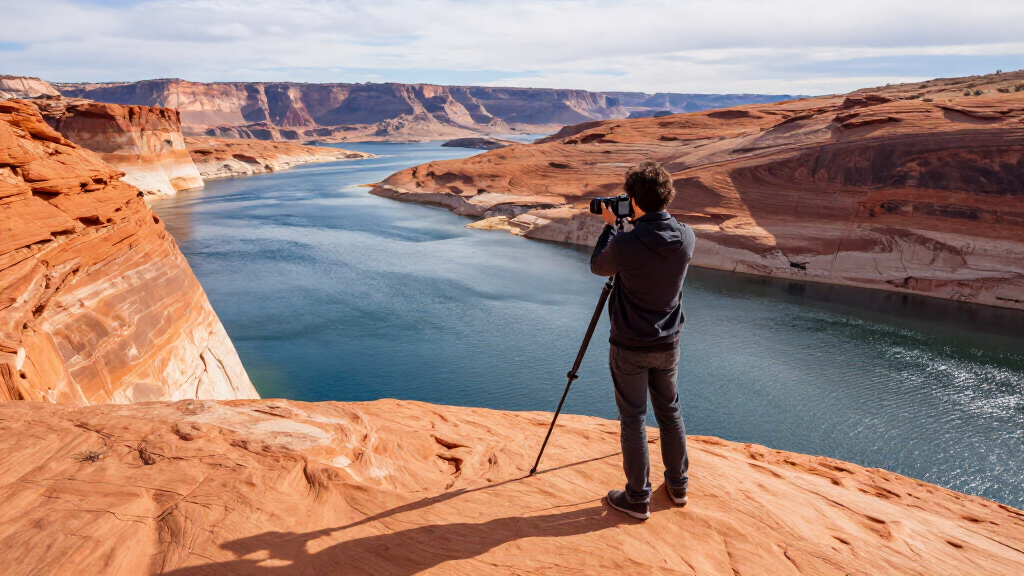
Lake Powell in Arizona has seen a dramatic surge in global media coverage, with mentions increasing 15-fold. The spike reflects growing international concern over water levels and environmental conditions, though the exact cause remains unconfirmed.
Lake Powell in Arizona has experienced a significant increase in international media coverage, with mentions rising to 15 times the baseline level, according to recent data. This surge has attracted global attention to the reservoir’s water levels and environmental status, although the Grand Canyon, Arizona, United States surges in global coverage, although the precise cause of the spike remains unconfirmed.
According to the GDELT database, Lake Powell has been mentioned 15 times within a recent reporting window, representing a 15-fold increase over typical coverage levels. The surge in media attention appears to be driven by growing concern over the reservoir’s declining water levels, which are part of broader discussions about water management in the American Southwest. While the spike is notable, it is unclear whether this is linked to specific events, environmental developments, or a general increase in awareness about climate impacts.
Experts and officials have not yet issued formal statements explaining the sudden increase in coverage. The trend suggests that Lake Powell’s status is gaining prominence in global discourse, possibly influenced by recent climate reports, drought conditions, or other environmental factors. For related scenic spots, see the Sedona area, which also surges in global coverage, but the unconfirmed nature of the trigger means that the precise reasons for the coverage spike are still unknown.
Why the Coverage Surge Matters Globally
The spike in international media attention to Lake Powell underscores the growing global concern over water scarcity and climate change impacts in the American West. As one of the largest reservoirs in the United States, Lake Powell’s water levels are seen as a barometer for regional environmental health and resource management. Increased coverage could influence public perception, policy debates, and international awareness of climate-related challenges affecting water supplies, especially in drought-prone areas.
Moreover, the attention may prompt policymakers and environmental groups to prioritize water conservation efforts and climate adaptation strategies. The global focus on Lake Powell also highlights how environmental issues in one region can resonate worldwide, emphasizing the interconnected nature of climate and resource security.
As an affiliate, we earn on qualifying purchases.
Recent Trends in Lake Powell’s Water Levels and Media Attention
Lake Powell, located on the Colorado River in Arizona and Utah, has long been a focal point in discussions about water scarcity in the southwestern United States. Over the past decade, the reservoir has experienced fluctuating water levels, often influenced by drought conditions, climate change, and water management policies. In recent years, the reservoir’s levels have reached historic lows, raising alarms among environmentalists, water managers, and policymakers.
The current surge in media coverage appears to be a recent development, with data indicating a 15-fold increase in mentions compared to baseline levels. Historically, coverage has been sporadic, often tied to water level reports or environmental crises. The recent spike suggests a shift toward heightened global awareness, potentially driven by recent climate reports, drought severity, or international media interest in environmental issues.
While the specific trigger for this surge remains unconfirmed, it fits within ongoing patterns of rising concern about climate change impacts on water resources, especially in arid regions like the southwestern US. The timing coincides with broader environmental reporting and possibly with recent developments in drought severity or water management policies.
As an affiliate, we earn on qualifying purchases.
Unconfirmed Causes Behind the Coverage Spike
It is not yet clear what specific event, report, or development triggered the 15-fold increase in media mentions of Lake Powell. The exact cause remains unconfirmed, and analysts caution against drawing definitive conclusions at this stage. Possible factors could include recent drought severity reports, environmental policy debates, or a coincidental rise in media interest in climate issues, but no official statement has clarified the trigger.
As an affiliate, we earn on qualifying purchases.
Monitoring Future Media Trends and Environmental Data
Researchers and environmental agencies will likely monitor whether the surge in coverage sustains or diminishes in the coming weeks. Additionally, officials may release new data or statements regarding Lake Powell’s water levels and environmental status. International media attention could influence policy discussions and raise awareness among the public and policymakers about water management challenges in the region.
Further investigation is needed to identify the precise causes of the coverage spike and to assess its potential impact on regional and global environmental discourse.
As an affiliate, we earn on qualifying purchases.
Key Questions
What is causing the surge in media coverage of Lake Powell?
The exact cause is unconfirmed. The spike may be related to recent drought reports, environmental concerns, or increased global interest in climate issues, but no official explanation has been provided yet.
How significant is the increase in coverage?
According to GDELT data, mentions have risen to 15 times the baseline level within the recent reporting window, indicating a substantial spike in international media attention.
What are the implications of this coverage for water management?
Increased media focus could influence public opinion and policy discussions regarding water conservation and climate adaptation strategies in the southwestern United States.
Is this spike linked to recent environmental events?
It is currently unknown whether recent environmental events, such as drought severity or policy changes, directly caused the surge in coverage.
When will more information be available?
Further data and official statements are expected in the coming weeks, which may clarify the reasons behind the media attention spike.
Source: gdelt
Fall Picks
fall essentials
As an affiliate, we earn on qualifying purchases.