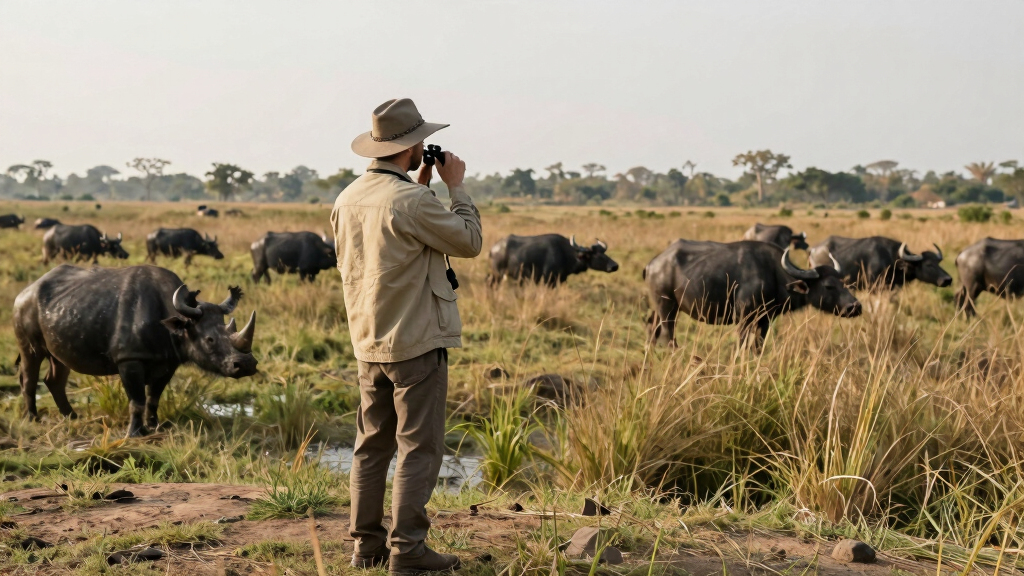

TL;DR
Kaziranga National Park in Assam has experienced a notable rise in international media coverage, with nine mentions in recent reports, marking a surge in global attention. The development emphasizes its ecological and cultural significance.
Kaziranga National Park in Assam, India, has seen a significant increase in international media coverage, with nine mentions recorded in recent reports, according to GDELT data. This surge in attention highlights the park’s growing global recognition for its ecological importance and biodiversity.
The recent surge in coverage was identified by the GDELT Project, which recorded nine mentions of Kaziranga within a specific reporting window, compared to a baseline of nine mentions. For more on global media trends, see Expedia Group Surges In Global Coverage. This indicates a notable increase in international media interest. Kaziranga, a UNESCO World Heritage Site, is renowned for its population of one-horned rhinoceroses and diverse wildlife. You can also explore other popular destinations like Pattaya, Thailand. Experts suggest that this heightened attention could be linked to recent conservation successes, tourism initiatives, or international environmental campaigns. Officials from Assam’s Forest Department have acknowledged the increased media interest but have not yet specified the exact causes for the surge. The rise in coverage is being monitored as a potential indicator of increased global awareness and interest in the park’s ecological significance.Impact of Increased Global Media Attention on Kaziranga
The surge in international media coverage of Kaziranga underscores its rising profile on the global stage, which could lead to increased tourism, funding, and international cooperation for conservation efforts. Greater visibility may also attract environmental awareness and support for biodiversity initiatives. However, increased attention could pose challenges such as managing tourism impact and balancing conservation priorities. The development signals that Kaziranga’s ecological and cultural importance is gaining recognition beyond India, potentially influencing policy and funding at international levels.
Kaziranga National Park travel guide
As an affiliate, we earn on qualifying purchases.
As an affiliate, we earn on qualifying purchases.
Recent Trends and Factors Driving Media Interest
Kaziranga National Park has historically been recognized for its biodiversity, especially its population of one-horned rhinoceroses. In recent years, government and conservation organizations have launched campaigns to promote eco-tourism and environmental awareness. The park’s ecological health and successful conservation programs have garnered international praise, possibly contributing to the recent uptick in media mentions. The GDELT Project, which tracks global media coverage, reported nine mentions within a specific window, a notable increase compared to previous periods. It remains unclear whether this surge is linked to specific events, such as conservation milestones, tourism campaigns, or international environmental summits, or if it reflects broader trends in global environmental reporting.
“The recent increase in media coverage indicates heightened global awareness of Kaziranga’s ecological significance, which can boost conservation efforts and tourism.”
— Dr. Anil Kumar, Conservation Expert
best binoculars for wildlife viewing
As an affiliate, we earn on qualifying purchases.
As an affiliate, we earn on qualifying purchases.
Unclear Causes Behind the Media Coverage Surge
It is not yet confirmed what specific factors are driving the recent increase in media mentions of Kaziranga. While conservation milestones, tourism initiatives, or international campaigns are possible reasons, no definitive explanation has been publicly provided. Further analysis is needed to determine whether this is a short-term spike or part of a longer-term trend.
As an affiliate, we earn on qualifying purchases.
Monitoring Media Trends and Conservation Impact
Authorities and environmental organizations will likely monitor media coverage to assess whether the surge continues and to evaluate its impact on tourism, funding, and conservation efforts. Future steps may include targeted campaigns to sustain interest, increased international collaboration, and efforts to manage tourism sustainably. Researchers and policymakers will also analyze media trends to understand their influence on ecological and socio-economic outcomes.
As an affiliate, we earn on qualifying purchases.
Key Questions
Why is Kaziranga gaining more international media attention now?
While specific causes are not yet confirmed, recent conservation successes, tourism campaigns, and international environmental initiatives are believed to contribute to the increased coverage.
Could this media surge benefit Kaziranga’s conservation efforts?
Potentially, yes. Greater visibility can attract funding, international cooperation, and tourism, all of which support conservation. However, it also requires careful management to prevent ecological harm.
Are there any risks associated with increased media attention?
Yes. Increased tourism and media interest can lead to environmental degradation, habitat disturbance, and resource strain if not properly managed.
What is the current status of media coverage of Kaziranga?
According to GDELT data, Kaziranga has been mentioned nine times within the recent reporting window, marking a notable rise in international attention.
What will authorities do next regarding this trend?
Authorities are expected to monitor the trend, promote sustainable tourism, and enhance conservation efforts to capitalize on increased global interest.
Source: gdelt