
TL;DR
Cappadocia, Turkey, has seen a tenfold increase in global media mentions, signaling a surge in international attention. This development reflects rising interest in the region’s tourism and cultural significance.
Cappadocia, Turkey, has seen a significant surge in international media coverage, with mentions increasing tenfold in recent weeks, according to the GDELT database. This rise in attention highlights growing global interest in the region’s unique landscape and tourism potential.
Data from the GDELT project shows that mentions of Cappadocia in global news sources have increased from a baseline of approximately 10 mentions to over 100 in recent weeks, representing a tenfold rise. This surge is attributed to increased coverage in international outlets, including travel, culture, and tourism sectors, and coincides with renewed interest in Turkey as a travel destination.
Experts suggest that this heightened media attention may be driven by several factors, including new tourism campaigns, increased coverage of the region’s UNESCO World Heritage sites, and broader geopolitical developments that have put Turkey in the spotlight. The Turkish government and local tourism authorities have not officially commented on the media surge but are likely to monitor its impact on visitor numbers.
Implications of Increased Media Focus on Cappadocia
The surge in global media coverage of Cappadocia could translate into increased international tourism, boosting local economies and enhancing Turkey’s cultural profile. It also underscores the region’s importance as a key cultural and natural heritage site, which could influence future tourism policies and investments.
However, the increased attention may also pose challenges, such as environmental pressures and the need for sustainable tourism management. The development highlights the region’s rising prominence on the world stage, which could reshape its economic and cultural landscape in the coming months.
As an affiliate, we earn on qualifying purchases.
Recent Trends in International Coverage of Cappadocia
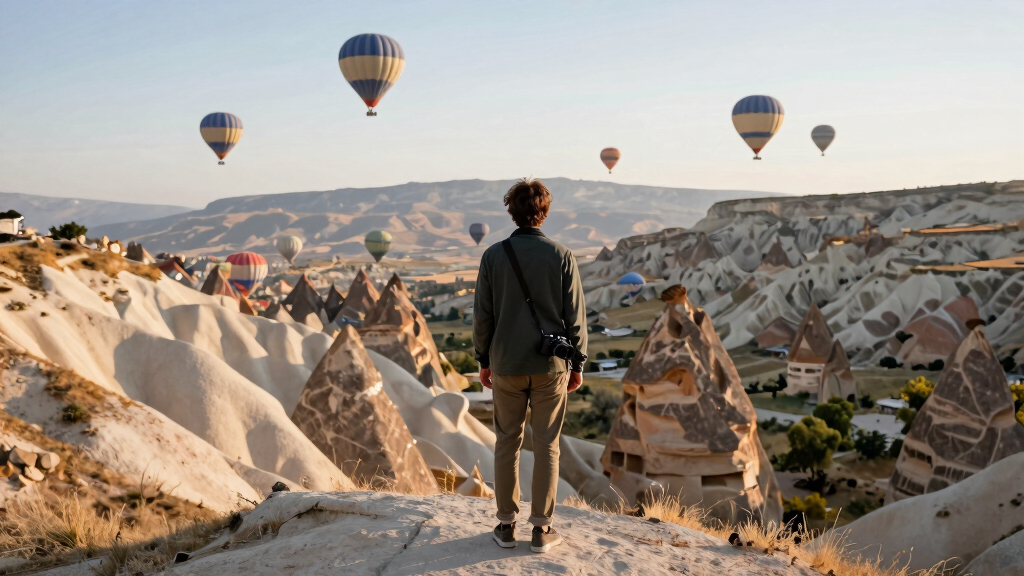
Historically, Cappadocia has been recognized for its distinctive fairy chimneys, underground cities, and hot air ballooning activities. While it has long been a popular tourist destination within Turkey, recent months have seen a sharp increase in international media mentions, as evidenced by data from the GDELT database, which tracks global news coverage.
This trend aligns with broader efforts by Turkish authorities to promote tourism amid regional geopolitical shifts and the easing of travel restrictions. The region’s cultural sites and natural landscapes have gained prominence in international travel reports, social media, and news outlets, contributing to its rising profile.
“The surge in global interest in Cappadocia reflects the region’s unique appeal and our ongoing efforts to promote Turkey as a top travel destination.”
— Turkish Tourism Minister
Cappadocia UNESCO World Heritage souvenirs
As an affiliate, we earn on qualifying purchases.
As an affiliate, we earn on qualifying purchases.
Extent and Sustainability of Media Attention
While the current surge in coverage is clear, it is not yet confirmed whether this will lead to a sustained increase in tourism or if it is a temporary spike driven by specific news cycles. The long-term impact on visitor numbers and local infrastructure remains uncertain, as does the regional response to the increased attention.
As an affiliate, we earn on qualifying purchases.
Monitoring Tourism Trends and Media Coverage
Authorities and industry stakeholders will likely monitor tourism data and media trends over the coming months to assess whether the coverage translates into increased visitor arrivals. Further media analysis and official statements will clarify the lasting impact of this surge in global attention.
As an affiliate, we earn on qualifying purchases.
Key Questions
What caused the surge in media coverage of Cappadocia?
The increase appears linked to renewed international interest in Turkey and regional tourism promotions, alongside coverage of the region’s UNESCO sites and natural attractions.
Will this media attention lead to more tourists visiting Cappadocia?
While the coverage suggests potential for increased tourism, it remains to be seen whether this will translate into actual visitor numbers, which depend on various factors including travel restrictions and infrastructure capacity.
How long might this increased attention last?
The duration of the media surge is uncertain. It could be temporary, linked to specific news cycles, or it might persist if sustained by ongoing promotional efforts and positive coverage.
Are there any risks associated with the surge in attention?
Potential risks include environmental strain, overcrowding, and challenges in managing increased visitor flows sustainably. Authorities may need to implement measures to mitigate these impacts.
Source: gdelt