TL;DR
Open a free Amazon Business account
Business pricing, bulk buying and tax-exempt orders.
Create a free accountAs an affiliate, we earn on qualifying purchases.
Ben Nevis, the UK’s highest mountain, is currently experiencing a surge in global media coverage, with 18 mentions in recent reports—an increase of 12 times the usual baseline. The cause of this spike remains unconfirmed, but it highlights growing international attention on the site.
Ben Nevis, the highest peak in the United Kingdom, has experienced a significant surge in international media coverage, with 18 mentions recorded in the current reporting window. This represents a 12-fold increase compared to the typical baseline, according to the GDELT database. The exact cause of this heightened interest remains unconfirmed, but the spike has attracted widespread attention across various media outlets and social platforms.
The recent surge in coverage of Ben Nevis was first identified through the GDELT database, which tracks global media mentions. The 18 mentions in this window mark a substantial rise from the usual number of reports, which typically hover around 1-2 per reporting period. The increase has been noted across multiple countries, including the UK, the United States, and several European nations, suggesting a broad international focus.
At present, there is no confirmed event or announcement directly linked to this spike. No official statements have been issued by local authorities or tourism boards regarding any recent developments or incidents at Ben Nevis. Analysts suggest that the attention could be related to a variety of factors, such as environmental concerns, climbing or hiking trends, or an unconfirmed event that has yet to be publicly disclosed.
Experts emphasize that media tracking tools like GDELT are useful for identifying trends, but they do not specify the nature of the coverage or its underlying cause. As such, the current surge remains a trend signal rather than an explanation of a specific event.
Implications of the Global Coverage Spike
The spike in media mentions of Ben Nevis indicates a rising global curiosity about the mountain, which could have implications for tourism, environmental awareness, and regional visibility. Increased coverage may lead to more visitors, impacting local infrastructure and conservation efforts. It also highlights how digital media tracking can reveal emerging interests or concerns related to iconic natural landmarks.
However, without confirmation of the reasons behind this attention, it remains uncertain whether the coverage reflects positive tourism promotion, environmental issues, or other factors. The broad international interest underscores the importance of monitoring such trends for regional planning and communication strategies.
As an affiliate, we earn on qualifying purchases.
Recent Trends in Media Attention to Ben Nevis
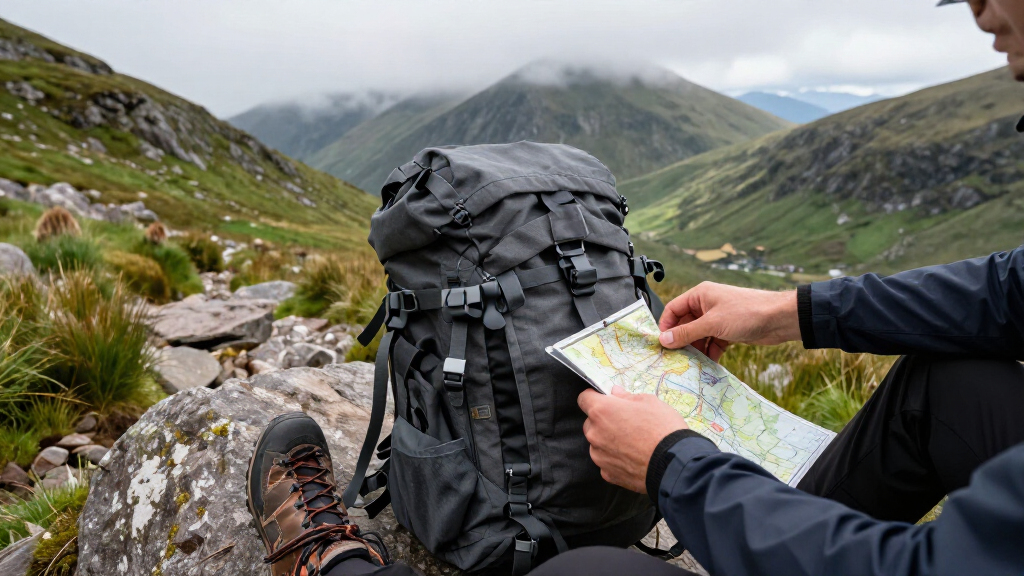
Ben Nevis has long been a popular destination for hikers and tourists, known for its challenging climbs and scenic views. Historically, media coverage has been sporadic, often linked to weather reports, climbing conditions, or notable events such as record attempts or environmental concerns. The current surge marks a departure from typical patterns, with media attention now amplified across multiple countries and platforms.
Prior to this spike, there was no significant recent event or announcement associated with Ben Nevis that could explain the increased coverage. The trend appears to be a sudden anomaly, with no immediate indication of a specific incident or campaign driving the attention. Analysts suggest that the rise could be part of a broader pattern of increased interest in natural landmarks, possibly influenced by social media or environmental discussions, but these are unconfirmed hypotheses.
As an affiliate, we earn on qualifying purchases.
Unconfirmed Causes Behind the Media Surge
It is currently unclear what specific event or development has triggered the spike in media mentions of Ben Nevis. No official statements or reports have confirmed any recent incidents, environmental changes, or promotional campaigns related to the mountain. The trend appears to be a media signal rather than a response to a concrete event, and the true cause remains unknown at this stage.
Experts caution that social media dynamics or unverified reports could be influencing the coverage, but these are speculative at this point. Ongoing monitoring is needed to determine whether the trend persists and whether any confirmed developments emerge.
As an affiliate, we earn on qualifying purchases.
Monitoring for Further Developments and Official Clarifications
Authorities, tourism boards, and environmental agencies are expected to observe whether the media coverage continues to rise or stabilizes. Future updates from official sources may clarify whether the spike is linked to a specific incident, environmental issue, or promotional activity. Researchers and analysts will likely track media mentions further to understand the underlying cause.
In the coming weeks, stakeholders may issue statements or observe changes in visitor patterns at Ben Nevis, which could provide additional context. Meanwhile, media tracking tools will continue to monitor the trend for signs of escalation or decline.
As an affiliate, we earn on qualifying purchases.
Key Questions
What caused the surge in media coverage of Ben Nevis?
It is not yet confirmed what specific event or reason triggered the increase in coverage. The trend appears to be a media signal with no official explanation at this time.
Could this increase in coverage lead to more visitors?
Potentially, yes. Increased media attention often correlates with higher interest, which could result in more tourists visiting Ben Nevis. Authorities may need to prepare for a possible rise in visitors.
Are there any environmental concerns related to this trend?
Currently, there are no confirmed environmental incidents or concerns linked to the coverage spike. Further developments would be needed to establish such a connection.
Is this trend expected to continue?
It remains uncertain whether the media interest will persist or fade. Continued monitoring is required to determine if this is a temporary spike or part of a longer-term trend.
How reliable is the GDELT database for tracking media trends?
The GDELT database is a widely used tool for tracking global media mentions, but it signals trends rather than providing detailed explanations. It should be used alongside other sources for comprehensive analysis.
Source: gdelt
Flea & tick season Picks
flea and tick prevention
As an affiliate, we earn on qualifying purchases.