
You feel Europe’s walkability because its old streets, charming squares, and historic architecture invite you to explore on foot, creating a lively, human-scale environment. Narrow, winding streets and uneven cobblestones make walking immersive but can also tire you out quickly, especially as you push yourself to see more. Recognizing these physical limits helps you enjoy your experience longer—and below, you’ll find tips to balance exploration and rest, making sure your journey remains enjoyable.

Get travel and outdoor gear delivered free — and shop member deals
- Fast, free delivery on millions of items
- Access to Prime Big Deal Days deals on October 6–7
- Prime Video, Amazon Music and more included
Key Takeaways
- European cities have narrow, winding streets and historic layouts designed for walking rather than cars, enhancing walkability.
- Pedestrian zones, plazas, and accessible public spaces create inviting environments for exploration on foot.
- Organic urban growth results in human-scale architecture, encouraging continuous wandering and discovery.
- Uneven cobblestones, stairs, and varied terrain require extra physical effort and can lead to fatigue.
- The captivating architecture and rich history motivate prolonged exploration, making awareness of physical limits essential.
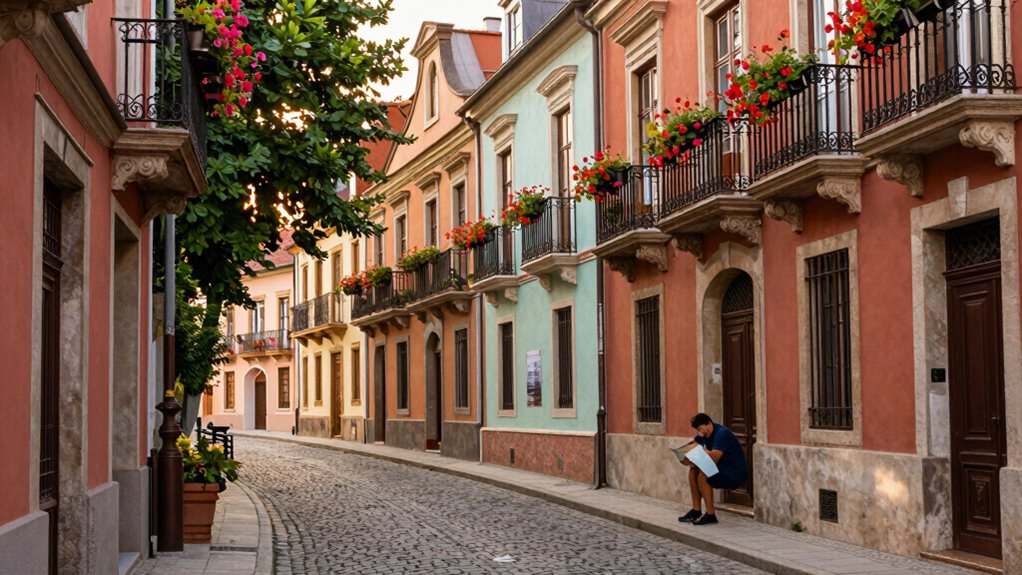
Have you ever noticed how walking through European cities feels both effortless and invigorating? It’s a feeling rooted in the unique blend of historical architecture and urban planning that shapes these environments. Cities across Europe are often built around centuries-old streets, squares, and landmarks that invite exploration. The architecture isn’t just aesthetic; it’s a living testament to history, with narrow cobblestone alleys, grand facades, and centuries-old bridges that draw you in and make walking feel natural. These structures create a sense of continuity and charm, encouraging you to stroll and discover hidden corners without feeling overwhelmed.
Walking European streets feels effortless, thanks to historic architecture and charming, winding layouts that invite endless exploration.
Urban planning in Europe plays a significant role in this walkability. Unlike sprawling modern developments, many European cities evolved organically over centuries, resulting in dense, compact layouts. Streets are often narrow and winding, designed long before the era of cars, making walking a practical and pleasant way to get around. Pedestrian zones, plazas, and accessible public spaces are integrated seamlessly into the city fabric, reducing car traffic and creating pedestrian-friendly environments. This thoughtful planning encourages exploration on foot while fostering a lively street life—cafés spilling onto sidewalks, markets, and local shops that beckon you to pause and soak in the atmosphere. Additionally, the organic growth of these cities reflects historic urban planning, which emphasizes walkability and human scale. This design approach often results in a compact city layout that supports pedestrian movement and social interaction. Moreover, the preservation of historic centers contributes significantly to the distinctive charm that makes walking enjoyable. Interestingly, many of these cities also incorporate Pedestrian zones, which further enhance walkability and the overall experience. The compactness and pedestrian-friendly features often lead to a more engaging city experience, where every turn reveals something new and inviting.
However, even with this walkability, it’s easy to tire yourself out. The charm of European cities often compels you to keep moving, to see one more monument or neighborhood, but your body can only take so much. The uneven cobblestones and constant maneuvering of narrow streets require more effort than a paved sidewalk, and you might find yourself walking for hours without realizing it. The historic architecture, while beautiful, also means you’re often climbing stairs or adjusting your pace to uneven terrain, which can add to fatigue. Plus, the allure of discovering something new around every corner makes it tempting to push your limits, but it’s important to listen to your body.
In the end, the very elements that make European cities so walkable—rich history, charming architecture, and organic urban layouts—also demand a level of stamina. You get caught up in the adventure, eager to see all the sights, but it’s wise to take breaks and stay hydrated. The magic of wandering these historic streets is undeniable, yet recognizing your limits ensures that your exploration remains a pleasure rather than a fatigue-inducing ordeal.
comfortable walking shoes for Europe
As an affiliate, we earn on qualifying purchases.
As an affiliate, we earn on qualifying purchases.
Frequently Asked Questions
How Do European Cities Differ From American Cities in Walkability?
European cities differ from American cities in walkability due to their urban design and cultural influences. You’ll notice narrower streets, mixed-use neighborhoods, and compact layouts that encourage walking. Cultural influences emphasize social interactions and pedestrian-friendly spaces, making exploration enjoyable. In contrast, American cities often prioritize cars with sprawling layouts. As a result, you might find European cities more walkable, but sometimes tiring, especially if you’re covering many historic streets on foot.
What Are the Best Times of Day to Walk Comfortably?
Imagine you’re stepping into an era before smartphones, seeking the best times for comfortable walks. Ideal morning strolls happen early, when streets are quiet and temperatures cool. Alternatively, evening leisure walks let you unwind after a day’s work, enjoying pleasant weather and fewer crowds. Both times help you avoid midday heat or rush, making your walk more enjoyable and less tiring, so you can truly savor your surroundings.
How Does Weather Impact Walking Experiences in Europe?
Weather considerably impacts your walking experience in Europe due to climate variations and seasonal changes. In warm summers, you might enjoy long, sunny strolls, but heat can tire you out quickly. During colder months, brisk air and rain can make walking less comfortable, so dressing appropriately helps. Spring and autumn offer mild weather, making walks more enjoyable. Always check the forecast to plan your outings around favorable weather conditions.
Are There Specific Health Benefits to Walking in Europe?
Walking in Europe offers numerous health benefits, boosting your cardiovascular health and maintaining a healthy weight. It also promotes mental wellness by reducing stress and enhancing your mood through fresh air and scenic views. As you explore historic streets and charming neighborhoods, you get gentle exercise that improves overall fitness. Plus, engaging with local culture and architecture can elevate your mental clarity, making your walks both enjoyable and beneficial for your well-being.
How Do Local Customs Influence Walking Habits?
Local customs considerably influence your walking habits, as cultural norms shape pedestrian etiquette. In many European cities, people prioritize respectful sharing of sidewalks, maintaining eye contact, and greeting others, which encourages a more comfortable walking experience. These customs can make your strolls more enjoyable, but they also mean you need to stay attentive and adaptable, especially in busy areas where understanding local pedestrian etiquette is essential for smooth navigation.
portable foot massager for travelers
As an affiliate, we earn on qualifying purchases.
As an affiliate, we earn on qualifying purchases.
Conclusion
So, while Europe’s charming streets beckon you to explore endlessly, don’t forget that beneath its inviting surface lies a hidden toll. The more you walk, the more you realize that even the most picturesque routes can wear you down. As you chase the next breathtaking view or hidden alley, a quiet question lingers—how much can your body really take before the magic starts to fade? The journey isn’t over; it’s only just beginning.
lightweight travel backpack with support
As an affiliate, we earn on qualifying purchases.
As an affiliate, we earn on qualifying purchases.
ergonomic walking stick for uneven terrain
As an affiliate, we earn on qualifying purchases.
As an affiliate, we earn on qualifying purchases.
Halloween Picks
halloween
As an affiliate, we earn on qualifying purchases.