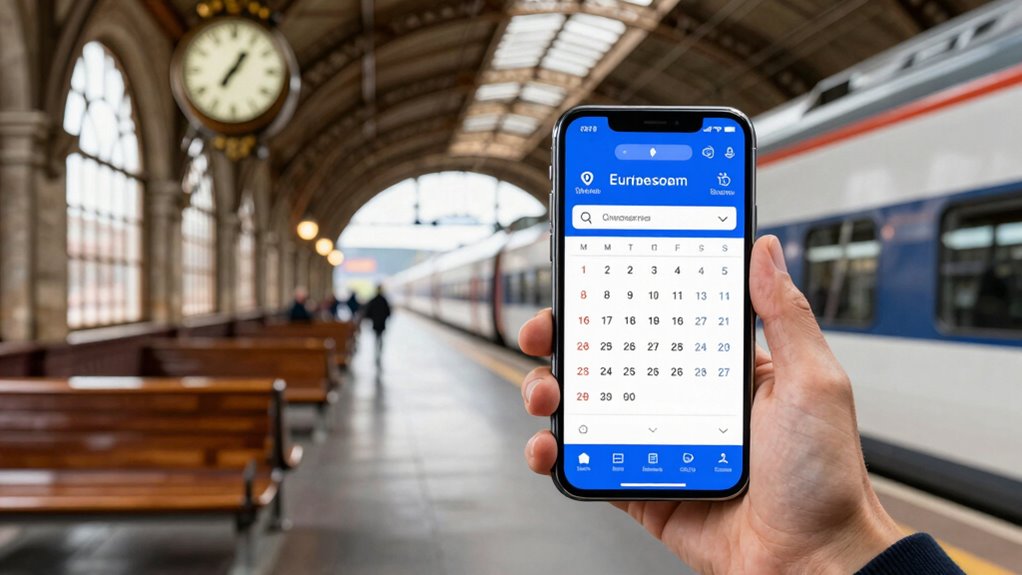
To get the best seats and fares on European trains, you should book several months in advance, typically 2–6 months for most countries. For special routes like Bernina Express or Glacier Express, reserve up to 10 months early. International routes and high-demand trains often open bookings 3–11 months ahead. Planning ahead improves your chances of securing preferred travel dates, and staying aware of each country’s policies will make your trip smoother. If you keep exploring, you’ll discover even more tips for successful bookings.
Key Takeaways
- Book Austria and Italy trains 2–6 months early for the best fares and seat availability.
- Reserve scenic routes like Bernina Express up to 10 months in advance to secure limited spots.
- European high-speed trains such as France’s TGV or Germany’s ICE typically open booking 3–6 months prior.
- Nightjet sleeper trains should be booked 2–4 months ahead to guarantee accommodations.
- International routes like Prague-Berlin open reservations 6 months beforehand, so plan accordingly.

Traveler's Choice Pagosa Hardshell Expandable Luggage with Spinner Wheels, Black, 22-Inch Carry-on
Impact Resistant: Durable polypropylene hardshell that’s abrasion-, scratch-, and water-resistant. Expansion gusset provide up to 2" to make...
As an affiliate, we earn on qualifying purchases.
Understanding Booking Windows by Country
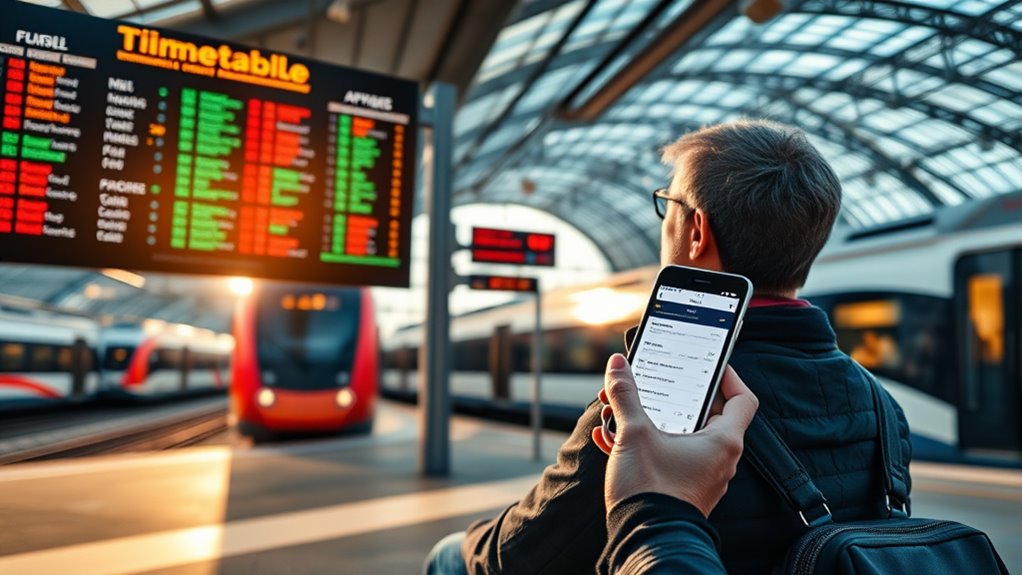
Understanding booking windows by country is key to planning your European train trips effectively. Each country has its own schedule for when tickets become available. For example, Austria and Italy open bookings 2 to 6 months in advance, while Spain and Switzerland offer windows up to 10 months ahead for certain routes. The UK, Germany, Belgium, and France generally open bookings three months beforehand. Special trains like the Bernina Express or Nightjet sleepers have much earlier booking windows—up to 10 months and 4 months respectively. Recognizing these differences helps you time your reservations to secure the best fares and preferred seats. Planning ahead guarantees you don’t miss out on popular routes or special scenic journeys, especially during peak seasons or high-demand routes. Color accuracy can also influence your travel experience, ensuring scenic views and city lights are vivid and true to life during your journeys. Being aware of ticket availability windows can further optimize your planning, allowing you to lock in seats for highly sought-after routes. Additionally, staying informed about booking policies can help you avoid last-minute surprises or restrictions that vary by country. Knowing how booking windows are structured enables you to set reminders and prepare in advance, reducing stress and increasing your chances of securing ideal travel times. Moreover, understanding the reservation process in each country can help streamline your booking experience and prevent delays.

Samsonite Freeform Hardside Carry-On Luggage with Spinner Wheels - Hardshell Suitcase - TSA, Airline-Approved - Expandable Hard Shell, Smooth Rolling Wheels for Lightweight Travel – Black
The Perfect Size: The textured, scratch-resistant exterior of this hardshell carry-on luggage is 15 x 10 x 23...
As an affiliate, we earn on qualifying purchases.
Best Times to Reserve for Special Routes and Trains

For special routes and scenic trains, timing your reservation is essential to secure a spot and get the best fares. High-demand routes like the Bernina Express require booking up to 10 months in advance to guarantee availability and avoid disappointment. Panoramic trains with limited seats, such as the Glacier Express, also benefit from early planning. Nightjet sleeper routes from Austria open 2-4 months ahead, so booking early guarantees you get a comfortable berth. Popular international routes like Prague-Berlin generally open reservations 6 months in advance, with seat reservations 2-3 months out. For these journeys, booking well in advance not only secures your place but often opens better prices. Keep an eye on specific routes and special trains to maximize your chances of securing tickets at the best times, especially when managing timing and planning for busy travel periods. Additionally, understanding the booking window for each route can help you better coordinate your travel plans and avoid last-minute surprises. Being aware of seat availability trends can also improve your chances of securing preferred options when reservations open. Staying informed about seasonal demand can further assist in choosing the optimal booking time for your trip.
LEVEL8 Grace Carry on Luggage Airline Approved, 20 Inch Expandable Hard Sided Luggages with Spinner Wheels, Harshell Small Rolling Suitcase for Women Men with Tsa Lock, Blue
Expandable Design: The Grace Expandable (6576 Series) suitcase is thoughtfully engineered to provide extra packing space whenever you...
As an affiliate, we earn on qualifying purchases.
How to Maximize Savings by Booking Early
Booking your train tickets early is one of the best ways to save money on European rail journeys. By booking 2 to 6 months in advance, you often access notably cheaper fares, especially on popular routes. Be among the first 10% of buyers to secure the lowest prices, as early-booking discounts tend to sell out quickly. Keep an eye on booking windows specific to each country—some open as early as three months or even longer for special routes like the Bernina Express. Use booking platforms or operator websites to monitor fare changes and snag deals when prices drop. Planning ahead also helps you avoid last-minute price surges and ensures you get a seat, especially on busy routes or during peak travel seasons. Incorporating at‑home booking tools can further help you stay updated on fare fluctuations and special promotions, making it easier to capitalize on discounts when they become available. Additionally, understanding the booking windows for each country allows you to time your purchases more effectively and maximize your savings. Being familiar with train timetable patterns can also help you choose the most advantageous booking period for your specific route.
Moreover, staying informed about cybersecurity measures can protect your personal and payment information while booking online.
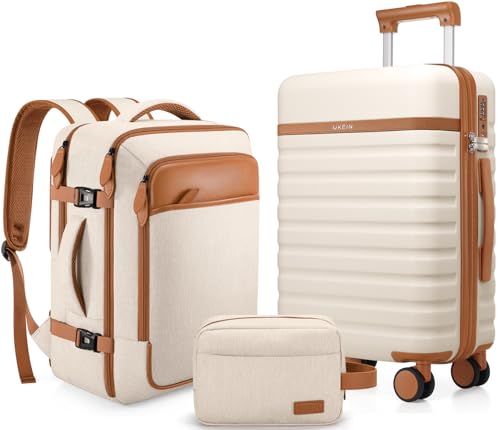
UKEIN Luggage Sets 3 Piece, Carry On Luggage 20In With Spinner Wheels,PC Hardside Suitcase Set with TSA Lock,Durable Carry On Suitcase With Travel Backpack for Men (Beige, 3 piece set (20inch))
Luggage Set with Backpack : UKEIN luggage set includes 20 inch carry on luggage, a 18 inch travel...
As an affiliate, we earn on qualifying purchases.
International Routes and Their Reservation Timelines
International train routes in Europe generally open for reservations several months in advance, allowing you to plan ahead and secure seats on popular journeys. For instance, routes like Bernina Express open up 10 months early, while major connections like Prague-Berlin are available 6 months beforehand. Booking early not only guarantees your seat but often offers better prices. Keep in mind that some routes, such as Nightjet sleepers, open 2-4 months in advance, and Spain’s routes can be available up to 11 months ahead. Being aware of reservation windows can help you choose the best time to book your tickets. Planning your trip with the reservation timelines in mind can help you avoid last-minute disappointments and ensure you get the travel experience you desire. Additionally, consulting official railway websites or travel agencies can provide updated information on specific routes and their booking periods, ensuring you don’t miss out on preferred travel dates.
Operator-Specific Booking Policies and Tips

Understanding each operator’s booking policies can help you secure the best fares and seats. For example, SNCF in France releases high-season tickets early, so booking 3 months in advance can save you money. Deutsche Bahn offers a passholder module for TGV and ICE routes to Germany and France, which can be booked up to 6 months ahead. ÖBB in Austria allows bookings up to 6 months for domestic and some international trains, but Nightjet routes vary. RENFE in Spain opens reservations 3 months in advance, with some routes up to 11 months for competition. Swiss operator SBB lets you book domestic tickets up to 6 months early. Knowing these policies helps you plan your booking window, avoid last-minute price hikes, and secure preferred seats on your preferred routes. Additionally, understanding the security measures implemented by train operators can ensure a safer and more comfortable journey. Being aware of booking windows can also help you take advantage of early bird discounts and special promotions. For example, some operators offer flexible ticket options that allow changes or cancellations closer to departure, providing added convenience. Staying informed about operator-specific policies and their advance booking periods can help you adapt your booking strategy as needed.
Planning Your Trip: When to Secure Your Tickets
To make the most of your European train trip, you should plan your ticket purchases well in advance, ideally 2 to 6 months before your departure date. This window gives you access to the best fares and guarantees you can secure seats on popular routes. Check the specific booking window for your destination country—some, like Spain and Switzerland, open bookings up to 11 months ahead, while others, such as Portugal and Poland, open only 60 days prior. For special trains like the Bernina Express or Nightjet sleepers, booking as early as 10 months or 2-4 months in advance is essential. Proper planning and preparation can significantly enhance your travel experience. By planning ahead, you maximize your chances of snagging affordable tickets and securing your preferred travel dates. Additionally, being aware of the booking windows for each country helps you better coordinate your trip schedule and avoid last-minute surprises. Understanding the train reservation policies for each destination can also help you navigate potential restrictions and ensure a smoother booking process. Moreover, familiarizing yourself with train schedules and availability can help you optimize your travel itinerary and avoid peak travel times. Incorporating tools like booking alerts can further ensure you don’t miss out on limited fare deals.
Frequently Asked Questions
Are Last-Minute Train Tickets Available in Europe?
Last-minute train tickets in Europe are sometimes available, but they’re often limited and pricier. You can try booking closer to departure, especially for less popular routes or during off-peak times. However, popular routes and high-demand routes like the Bernina Express or night trains tend to sell out quickly, so it’s better to book early if possible. Keep checking online or at the station for any last-minute seat releases.
Do Booking Windows Vary for Different Train Operators?
Yes, booking windows differ for various train operators across Europe. For example, Austria’s ÖBB allows bookings up to 6 months in advance, while Spain’s RENFE opens up to 11 months on select routes. France’s SNCF and Germany’s Deutsche Bahn typically open bookings 3 months ahead, but special routes like Bernina Express or Nightjet sleepers can be booked much earlier, sometimes up to 10 months or more.
Can I Change or Cancel Reservations After Booking?
Sure, you can change or cancel reservations—if you’re willing to dance the bureaucratic tango. Most train companies let you modify or cancel bookings, but beware of fees, deadlines, and non-refundable fares lurking like train station gremlins. Check each operator’s policy beforehand; some require early notice, others charge hefty penalties. So, plan ahead, or you might find yourself stuck with a ticket and a sense of regret as strong as a delayed train.
Are There Any Exceptions for Booking Windows During Peak Seasons?
During peak seasons, some European train operators offer early booking windows or release limited tickets sooner to accommodate increased demand. You should verify specific country or route policies, as some, like the Bernina Express or high-demand Spain routes, open bookings up to 11 months in advance. Booking early during these times guarantees you get a seat, better prices, and access to popular routes, especially for scenic or high-speed trains.
How Early Should I Book for Popular Scenic Routes Like Bernina Express?
You should book popular scenic routes like the Bernina Express at least 10 months in advance. These routes have high demand due to their breathtaking views, and availability fills quickly. By reserving early, you make certain a spot on this iconic journey. Don’t wait until the last minute, especially during peak seasons, or you might miss out. Planning ahead guarantees you enjoy this unforgettable scenic experience without stress.
Conclusion
So, if you want to avoid the chaos of last-minute bookings and guarantee you snag the best seats in the house, you’ll need to plan ahead like a European travel wizard. Book too late, and you risk missing out on epic adventures or paying sky-high prices. Start early, stay flexible, and turn your train journey into an unforgettable voyage—because in Europe, the early bird truly catches the most extraordinary ride of your life!