
TL;DR

Get travel and outdoor gear delivered free with Prime
- Fast, free delivery on millions of items
- Prime Video, Amazon Music and more included
- Member-only deals all year
Japan has introduced Suica, its first IC transit card, enabling contactless payments for trains, buses, and retail. The launch marks a significant shift in transportation payment systems, with full deployment underway.
Japan’s first IC transit card, Suica, was officially launched nationwide on March 26, 2024, marking a major milestone in the country’s transportation payment system. The contactless card allows users to pay for train, bus, and retail transactions seamlessly, replacing traditional paper tickets and cash payments. The launch aims to modernize Japan’s transit infrastructure and enhance convenience for millions of commuters and shoppers.
The Suica card was developed by East Japan Railway Company (JR East) and is now available across Japan’s major urban centers, including Tokyo, Osaka, and Nagoya. The card uses advanced contactless technology, enabling users to simply tap the card on compatible readers to pay fares or make purchases. JR East officials stated that the system is compatible with existing transit networks and retail outlets, facilitating a smooth transition from cash and paper tickets.
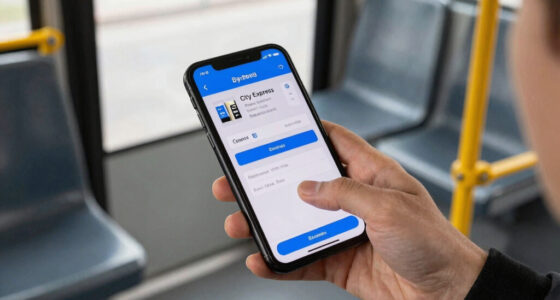
During the initial rollout, the Suica card is being distributed at select train stations, bus terminals, and retail outlets. Users can load funds onto the card via vending machines, online platforms, or at designated counters. The card can also be linked to mobile payment apps, expanding its usability. JR East emphasized that the system is designed to be user-friendly, with plans to expand coverage and features in the coming months.
Unlike previous transit cards, Suica’s IC technology allows for faster transactions, reducing wait times and congestion at ticket gates. The card also supports interoperability with other regional IC cards, such as Pasmo and ICOCA, broadening its acceptance across Japan. Officials highlighted that this development aligns with Japan’s broader digital transformation goals, aiming to modernize public infrastructure and reduce reliance on cash.
Implications for Japan’s Public Transportation and Retail
The introduction of Suica as Japan’s first IC transit card signifies a major shift toward contactless, cashless payments in the country. It streamlines daily commutes for millions of users, reducing wait times and improving efficiency. Additionally, by integrating retail payments, Suica enhances convenience beyond transportation, supporting Japan’s push for digital modernization and economic efficiency. The move could influence future policies on smart payment systems and infrastructure upgrades nationwide, fostering a more seamless and cashless society.Suica contactless transit card Japan
As an affiliate, we earn on qualifying purchases.
As an affiliate, we earn on qualifying purchases.
Historical Development of Japan’s Transit Payment Systems
Japan has long relied on paper tickets and cash for public transportation payments, with regional cards like Suica, Pasmo, ICOCA, and others emerging over the past two decades. Suica, launched by JR East in 2001 as a prepaid transit card for Tokyo’s rail network, was initially region-specific. Over time, these cards gained interoperability, but a nationwide IC card system was still lacking. The March 2024 launch of Suica as a unified, countrywide IC card marks the culmination of years of technological development and regional collaboration. Prior to this, Japan’s transit agencies gradually adopted contactless card technology, but full nationwide integration has been delayed by technical and administrative challenges. The new Suica system aims to unify these efforts under a single, standardized platform, leveraging advanced IC chip technology and digital infrastructure.“This launch represents a new era for Japan’s transportation and retail sectors, making everyday transactions faster and more convenient for everyone.”
— JR East CEO Takashi Saito
As an affiliate, we earn on qualifying purchases.
Remaining Technical and Adoption Challenges
While the launch has been completed, it is still unclear how quickly and widely the Suica card will be adopted across all regions and retail outlets. Some areas and smaller businesses may face delays in integrating compatible readers and systems. Additionally, there are questions about how the system will handle issues like card loss, refunds, and data security, which are still being addressed by JR East and regulators.As an affiliate, we earn on qualifying purchases.
Next Steps for Nationwide Adoption and System Expansion
JR East plans to expand the availability of Suica cards to more retail outlets, vending machines, and transportation hubs over the coming months. Efforts are underway to promote user registration and mobile app integration to facilitate seamless top-ups and account management. Officials also aim to improve interoperability with other regional IC cards and expand features such as loyalty programs and real-time transaction tracking. Monitoring user feedback and system performance will guide further upgrades and policy adjustments in the near future.
contactless payment card for Japanese trains
As an affiliate, we earn on qualifying purchases.
As an affiliate, we earn on qualifying purchases.
Key Questions
How does Suica differ from previous transit cards in Japan?
Suica uses advanced contactless IC technology for faster, more seamless transactions, and is designed for nationwide interoperability, unlike earlier regional cards limited to specific areas.
Can I use Suica for shopping outside transportation?
Yes, Suica can be used at compatible retail outlets, vending machines, and convenience stores across Japan, making it a versatile cashless payment method.
Is Suica available on mobile devices?
Yes, users can link Suica to compatible mobile payment apps, allowing for contactless payments via smartphones and smartwatches.
What are the benefits of adopting Suica for daily commuters?
It reduces wait times at ticket gates, simplifies transactions, and offers a unified payment platform that can be used across various transit modes and retail outlets.
Are there any security concerns with the new system?
Officials assure that the system incorporates robust data security measures, but ongoing monitoring and updates are planned to address potential vulnerabilities.
Source: hn
Halloween Picks
halloween
As an affiliate, we earn on qualifying purchases.