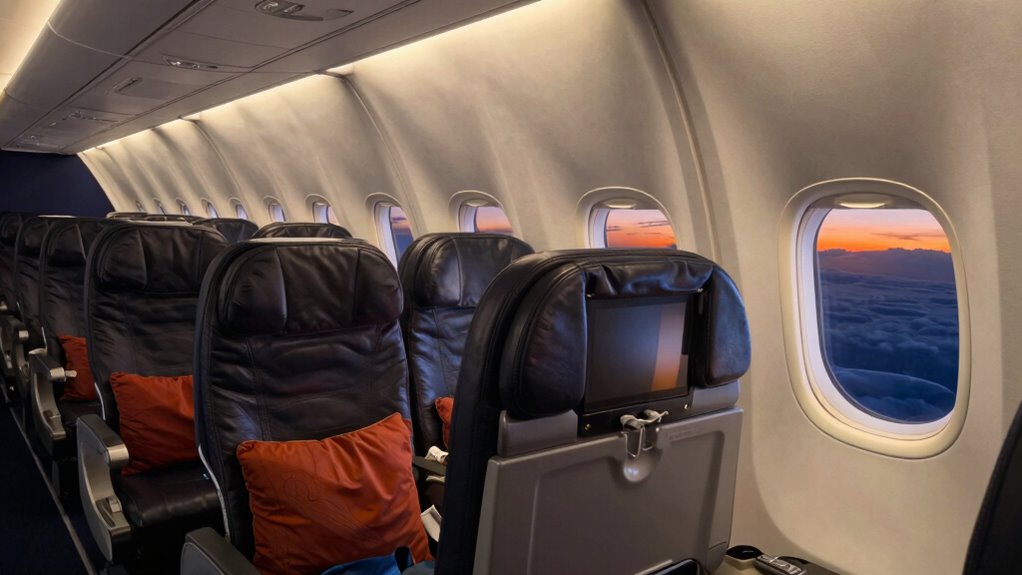

To land functional after a red-eye to Europe, plan your sleep by adjusting your schedule beforehand and using blackout eye masks, noise-canceling headphones, and neck pillows on board. Stay hydrated, avoid caffeine, and expose yourself to natural light upon arrival to reset your clock. Choose reputable airlines with comfortable cabins and strategic flight times. Packing smart and pacing your activities will help you arrive ready for the day—discover more tips to make your trip smoother.
Key Takeaways
- Prepare for the flight by adjusting your sleep schedule and staying hydrated to minimize fatigue upon arrival.
- Use sleep aids, eye masks, noise-canceling headphones, and recline your seat to enhance in-flight rest.
- Manage light exposure before and during the flight to support your circadian rhythm and promote better sleep.
- Upon landing, get natural light, stay hydrated, and avoid heavy meals to reset your internal clock effectively.
- Choose airlines with reputable schedules and comfort options, and pack essentials like supportive pillows and snacks for a smoother experience.

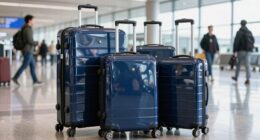
Samsonite Freeform Hardside Carry-On Luggage with Spinner Wheels - Hardshell Suitcase - TSA, Airline-Approved - Expandable Hard Shell, Smooth Rolling Wheels for Lightweight Travel – Black
The Perfect Size: The textured, scratch-resistant exterior of this hardshell carry-on luggage is 15 x 10 x 23...
As an affiliate, we earn on qualifying purchases.
Understanding the Red-Eye Flight Experience
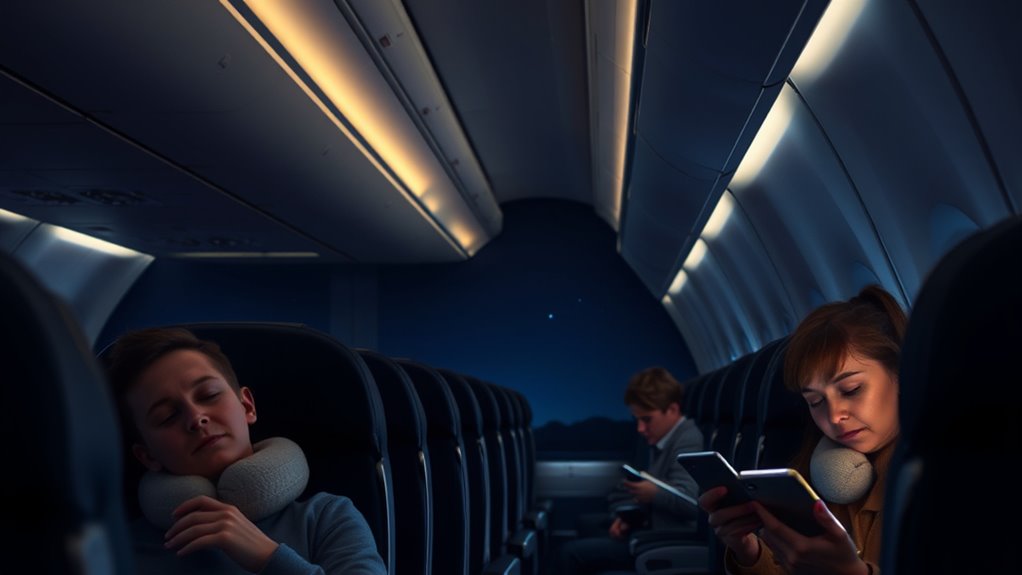
Understanding the red-eye flight experience means recognizing what you can expect during overnight travel. You’ll depart late in the evening, usually between 9 PM and 1 AM, and arrive early the next morning, between 3 AM and 7 AM. The flight is often short, lasting around three to five hours, covering European routes with median distances of about 1,466 miles. During the flight, cabins tend to be less crowded, offering more space, but sleeping can be uncomfortable because of engine noise and cabin conditions. You might feel groggy or fatigued upon arrival, as jet lag is common, especially on eastbound routes. Planning your sleep and hydration strategies can help manage discomfort, but be prepared for an experience that’s less about comfort and more about efficiency. Recognizing the importance of contrast ratio and image quality can also enhance your in-flight entertainment experience, making the journey more enjoyable. Additionally, bringing along sleep aids or noise-canceling headphones can significantly improve your ability to rest during the flight. Being aware of sleep science principles can help you optimize your rest even in less-than-ideal conditions. Incorporating light exposure management strategies before and after your flight can further reduce jet lag and improve your overall experience. Understanding airline cabin design can also help you choose better seats and set expectations for comfort during your red-eye journey.

Traveler's Choice Pagosa Hardshell Expandable Luggage with Spinner Wheels, Black, 22-Inch Carry-on
Impact Resistant: Durable polypropylene hardshell that’s abrasion-, scratch-, and water-resistant. Expansion gusset provide up to 2" to make...
As an affiliate, we earn on qualifying purchases.
Preparing for an Overnight Journey Across Time Zones
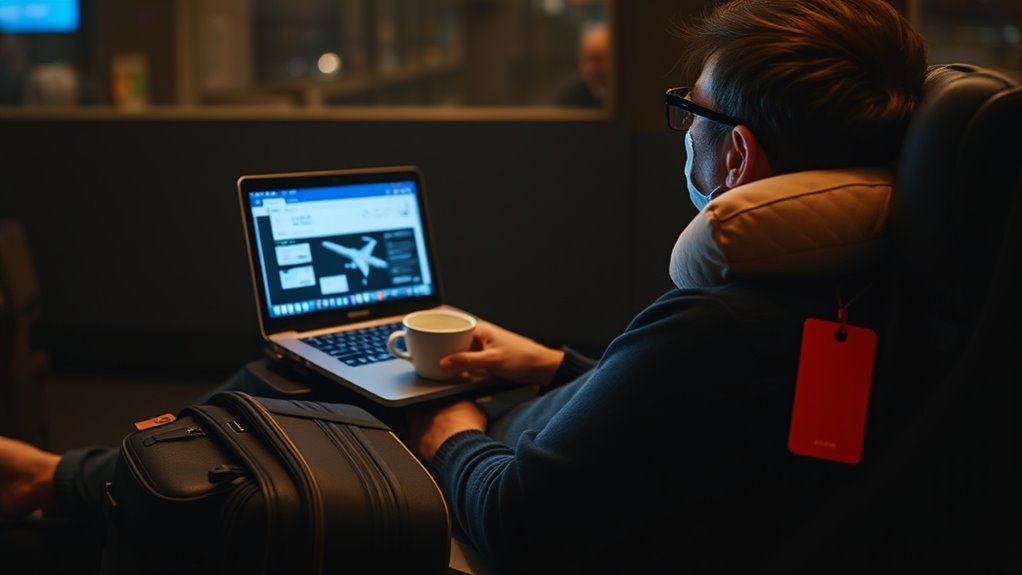
Are you prepared to manage your sleep and alertness during an overnight flight across multiple time zones? To stay functional, plan ahead. Adjust your sleep schedule a few days before departure, shifting bedtime gradually. Stay hydrated, avoid caffeine, and bring noise-canceling headphones. Consider your arrival time—are you landing in the morning or evening? Use the table below to understand common time zone shifts and strategies:
| Departure Time | Destination Time Zone | Recommended Action |
|---|---|---|
| 22:00 | +2 hours | Sleep early before flight |
| 23:00 | +3 hours | Stay awake until local bedtime |
| 00:30 | +4 hours | Nap during flight if possible |
| 01:00 | +5 hours | Limit screen time, rest |
| 02:30 | +6 hours | Prepare to adjust upon arrival |
Proper preparation helps reset your internal clock and minimizes fatigue. Free floating considerations can also assist in managing your energy levels during long flights, such as using sleep aids or incorporating light exposure strategies.

UKEIN Luggage Sets 3 Piece, Carry On Luggage 20In With Spinner Wheels,PC Hardside Suitcase Set with TSA Lock,Durable Carry On Suitcase With Travel Backpack for Men (Green, 3 piece set (20inch))
Luggage Set with Backpack : UKEIN luggage set includes 20 inch carry on luggage, a 18 inch travel...
As an affiliate, we earn on qualifying purchases.
Tips for Improving Sleep on Red-Eye Flights

To get better rest on your red-eye flight, focus on creating a comfortable sleep environment and practicing in-flight relaxation techniques. Adjust your seat, use earplugs and an eye mask, and stay as quiet and dark as possible. These simple steps can help you fall asleep faster and wake up feeling more refreshed upon arrival. Additionally, consider sleep hygiene practices like avoiding caffeine and staying hydrated to enhance your rest during the flight. Incorporating relaxation techniques such as deep breathing or meditation can also promote better sleep quality during your journey. Paying attention to light exposure before and during the flight can further support your circadian rhythm and improve overall sleep quality. Using skincare devices that reduce puffiness and soothe tired eyes can also help you feel more rested upon awakening. For those interested in a unique treat after your flight, trying some locally sourced gelato options like Dri Dri Gelato can be a delightful way to unwind.
Optimize Sleep Environment
Creating a comfortable sleep environment on a red-eye flight can substantially improve your chances of resting well despite the challenging conditions. First, bring a neck pillow and a lightweight blanket to support comfort and warmth. Use an eye mask to block out cabin light and noise-canceling headphones or earplugs to minimize engine noise. Adjust your seat to a reclined position if possible, creating a more restful posture. Keep your belongings organized and within reach to reduce stress. Avoid screens and bright lights before trying to sleep, as they can interfere with melatonin production. Hydrate but avoid excessive caffeine or alcohol, which can disrupt sleep. By optimizing your environment, you set the stage for better rest, making your red-eye journey less exhausting. Additionally, consider using storage solutions to keep your essentials accessible and reduce clutter that might cause discomfort. Incorporating sleep-promoting techniques can further enhance your ability to rest during the flight. For example, practicing relaxation exercises can help calm your mind and body, facilitating quicker sleep onset. Remember that controlling your light exposure before sleep can also help regulate your internal clock and improve sleep quality during the flight. Creating a comfortable environment not only improves rest but also helps you feel more refreshed upon arrival.
Practice In-Flight Relaxation
Practicing in-flight relaxation techniques can substantially improve your chances of falling asleep on a red-eye flight. To maximize rest, try deep breathing exercises, progressive muscle relaxation, or listening to calming music or white noise. Find a comfortable position that supports your back and neck, and use a neck pillow or blanket for added comfort. Avoid screens and bright lights, which can disrupt melatonin production. Staying hydrated and avoiding caffeine help your body relax. Here’s a quick guide:
| Technique | Purpose | Tips |
|---|---|---|
| Deep breathing | Calm the nervous system | Inhale slowly for 4 seconds |
| Progressive muscle relaxation | Reduce physical tension | Tense and relax muscle groups |
| Listening to calming sounds | Block noise and promote sleep | Use noise-canceling headphones |
| Comfortable positioning | Enhance physical comfort | Use pillows and blankets |
And incorporating sleep hygiene practices can further improve your ability to rest during the flight. Additionally, being mindful of room environment factors like light and noise levels can significantly enhance your sleep quality.

Samsonite Freeform Hardside Carry-On Luggage with Spinner Wheels - Hardshell Suitcase - TSA, Airline-Approved - Expandable Hard Shell, Smooth Rolling Wheels for Lightweight Travel - Pink Rose
The Perfect Size: The textured, scratch-resistant exterior of this hardshell carry-on luggage is 23in x 15in x 10in...
As an affiliate, we earn on qualifying purchases.
Managing Jet Lag and Post-Arrival Fatigue
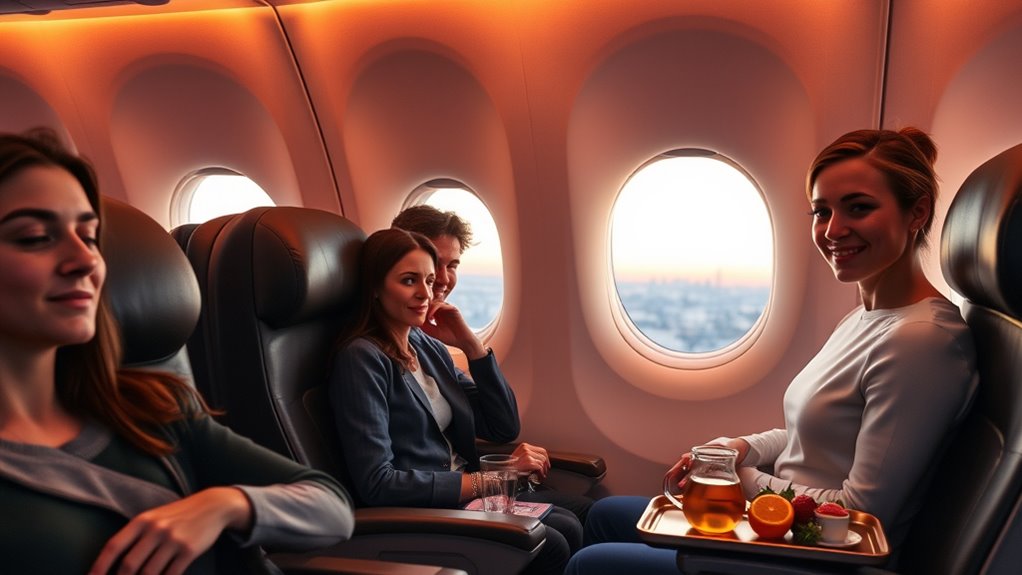
Managing jet lag and post-arrival fatigue requires strategic planning, especially after red-eye flights that cross multiple time zones. Start by adjusting your schedule before departure—shift your sleep times gradually to match your destination’s time. During the flight, try to sleep or stay awake according to the local time, and stay hydrated to reduce dehydration-related fatigue. Once you arrive, expose yourself to natural light to help reset your internal clock. Avoid heavy meals and caffeine in the first few hours; instead, opt for small, nutritious snacks. Prioritize rest if you’re tired, but resist the urge to nap excessively, as it can disrupt your sleep cycle. Incorporating sleep hygiene practices such as creating a restful environment and establishing a consistent sleep routine can further enhance your recovery. Using circadian rhythm alignment techniques can also aid in adjusting more effectively to the new time zone. Additionally, being mindful of indoor air quality—such as ensuring proper ventilation and reducing allergens—can support your overall recovery and help you feel more energized upon arrival. Incorporating powerful air purifiers or ensuring good ventilation can improve indoor air quality significantly. With these steps, you’ll minimize jet lag and bounce back faster for a productive and enjoyable trip.
Choosing the Best Red-Eye Routes and Airlines

When choosing the best red-eye routes and airlines, it’s important to evaluate flight timings, airline reputation, and route availability. Opt for flights departing late enough to allow you to settle in comfortably, but not so late that sleep becomes impossible. Research airline reviews to verify they prioritize passenger comfort, especially during overnight flights. Airlines like Aeroflot, Wizz Air, and AZUR Air have extensive red-eye networks, but their onboard experience varies. Check route options from major hubs such as Madrid, Paris, or Frankfurt, which often offer more reliable schedules and connections. Also, consider the airline’s track record for punctuality and customer service. Selecting a reputable airline on a well-timed route can markedly improve your chances of arriving rested and ready.
Packing Smart for Overnight European Flights
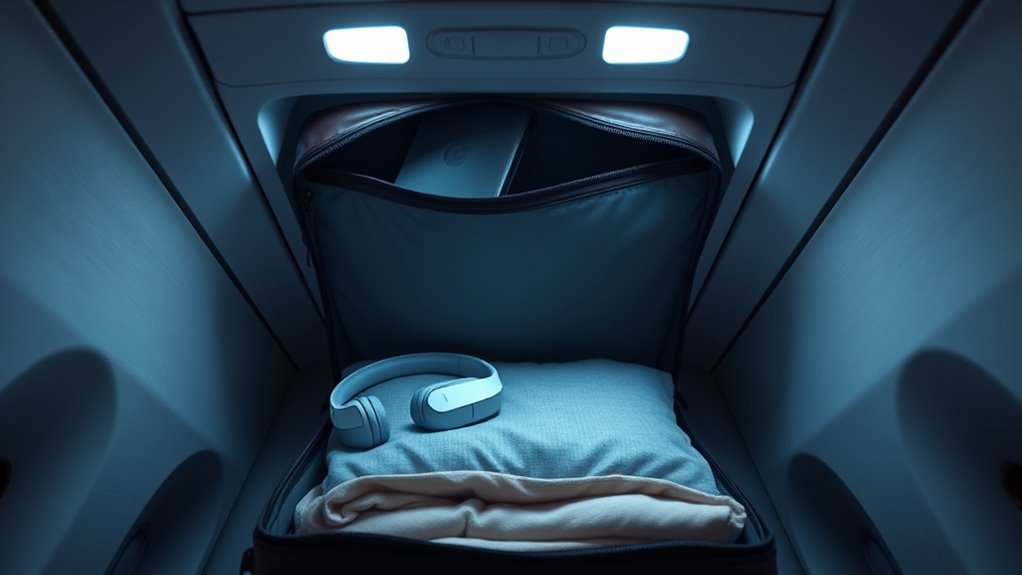
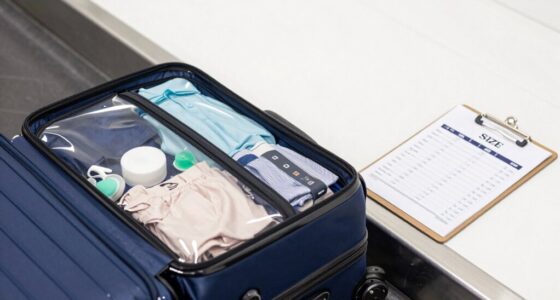
Packing smart for overnight European flights is essential to guarantee you stay comfortable and arrive well-rested. Start with a compact, supportive travel pillow and noise-canceling headphones to block out engine noise. Dress in layers—comfortable, breathable clothing that’s easy to adjust as cabin temperatures fluctuate. Bring a lightweight blanket or large scarf for extra warmth. Pack a small toiletry kit, including a toothbrush, toothpaste, and facial wipes, to refresh during the flight. Include a healthy snack and a refillable water bottle to stay hydrated. Keep medications and essential items in a carry-on bag for easy access. Finally, organize your belongings efficiently to prevent rummaging and ensure you can quickly settle into sleep or entertainment modes. Proper packing makes your red-eye more manageable and comfortable.
Maximizing Your Day Upon Arrival to Europe
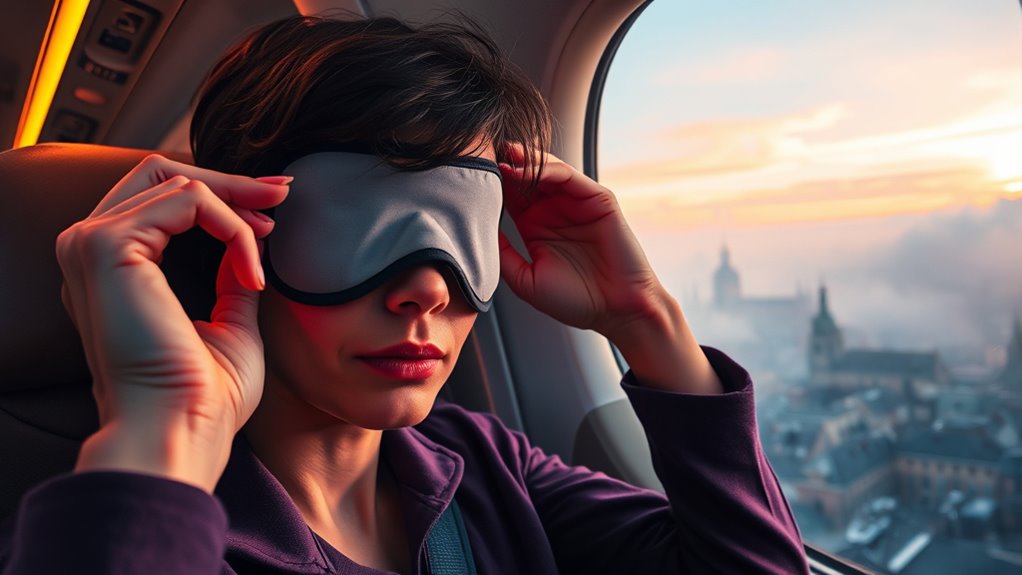
A well-organized overnight flight sets the stage for a productive and enjoyable day in Europe. Once you arrive, prioritize exposure to natural light to reset your internal clock and reduce jet lag. Take a brisk walk outside or find a sunny spot to help your body adapt. Hydrate thoroughly and avoid heavy meals immediately after landing. If possible, plan light activities or sightseeing rather than intense work; this helps you gradually regain alertness. Use strategic caffeine intake to boost energy without disrupting your sleep later. Schedule short naps if needed, but keep them under 30 minutes to prevent grogginess. By pacing yourself and adjusting to local time quickly, you’ll maximize your day and make the most of your European adventure.
Frequently Asked Questions
How Do Red-Eye Flights Impact Long-Term Health and Sleep Patterns?
Red-eye flights can disrupt your long-term health and sleep patterns by causing circadian rhythm misalignment and sleep deprivation. You might struggle with fatigue, decreased alertness, and weakened immune function over time. Frequent red-eyes can lead to chronic sleep issues and increased stress levels. To minimize these effects, prioritize good sleep hygiene before and after flights, and consider adjusting your schedule to better align with your natural sleep cycle.
Are There Specific Airlines Known for More Comfortable Red-Eye Experiences?
Some airlines are known for offering more comfortable red-eye experiences, especially those with better cabin amenities and quieter engines. Wizz Air, for example, provides more spacious seating and a calmer environment on their routes. Additionally, carriers like Air Serbia and certain European airlines focus on passenger comfort during overnight flights by minimizing engine noise and improving sleep options. Choosing these airlines can help you arrive more rested and less fatigued.
What Are the Best Strategies to Avoid Jet Lag on Eastbound Routes?
To avoid jet lag on eastbound routes, you should gradually adjust your sleep schedule before departure, stay hydrated, and avoid caffeine and alcohol. You can also optimize your sleep on the flight by using earplugs, an eye mask, and comfortable pillows. Ultimately, spend time outdoors upon arrival, reset your internal clock with natural light, and stay active to help your body adapt quickly to the new time zone.
Can Pre-Flight Routines Improve Sleep Quality During Red-Eye Flights?
Pre-flight routines can definitely improve your sleep quality during red-eye flights. You should establish a calming routine beforehand, like avoiding screens and caffeine, and practicing relaxation techniques. Wear comfortable clothing, stay hydrated, and use earplugs or eye masks to block noise and light. By preparing your mind and body, you’ll create a conducive environment for rest onboard, making it easier to sleep and arrive feeling more refreshed.
How Do Cabin Noise Levels Vary Between Different Airlines on Red-Eye Routes?
You’ll find cabin noise levels vary wildly between airlines—like a symphony of chaos versus a whispering breeze. Russian carriers and budget airlines often crank the engines, making sleep a distant dream. Meanwhile, premium services or newer aircraft might offer quieter cabins, giving you a fighting chance to rest. So, choose your airline wisely, or prepare for a symphony of snores and engine roars that could drown out your own thoughts.
Conclusion
So, next time you book a red-eye to Europe, remember that even a chance seat upgrade or a sudden lull in turbulence can turn your journey around. Sometimes, the best travel moments come unexpectedly—like catching a perfect sunrise or sharing a quiet moment with a fellow traveler. Embrace the unpredictability, prepare well, and let those fleeting coincidences help you land not just functional, but truly refreshed and ready to explore.