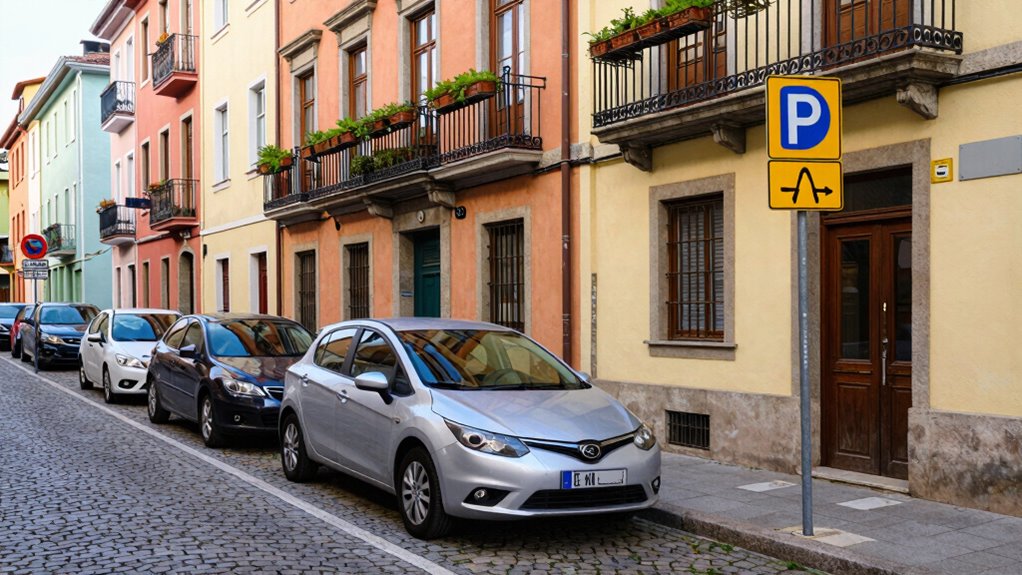

To avoid fines and towing in European cities, familiarize yourself with local parking rules, environmental zone restrictions, and vehicle labels. Always verify parking fees and look for authorized, certified spots to park legally. Be aware of low-emission zone restrictions and ensure your vehicle complies. Use digital apps for real-time info and plan your parking to stay within allowed zones and times. Keep these tips in mind, and you’ll stay safe and hassle-free—you’ll find more useful insights ahead.
Key Takeaways
- Verify vehicle environmental labels and zone restrictions before parking to ensure compliance with local LEZ and environmental policies.
- Use official parking apps and signage to confirm permitted parking areas and avoid overstaying or illegal spots.
- Pay parking fees promptly through authorized methods, and adhere to time limits to prevent fines.
- Park only in authorized, certified facilities that meet local safety and regulatory standards.
- Stay informed about local regulations and updates to vehicle classifications to avoid violations and penalties.
Amazon Product B085B6M51S
As an affiliate, we earn on qualifying purchases.
Understanding Local Parking Regulations and Environmental Classifications
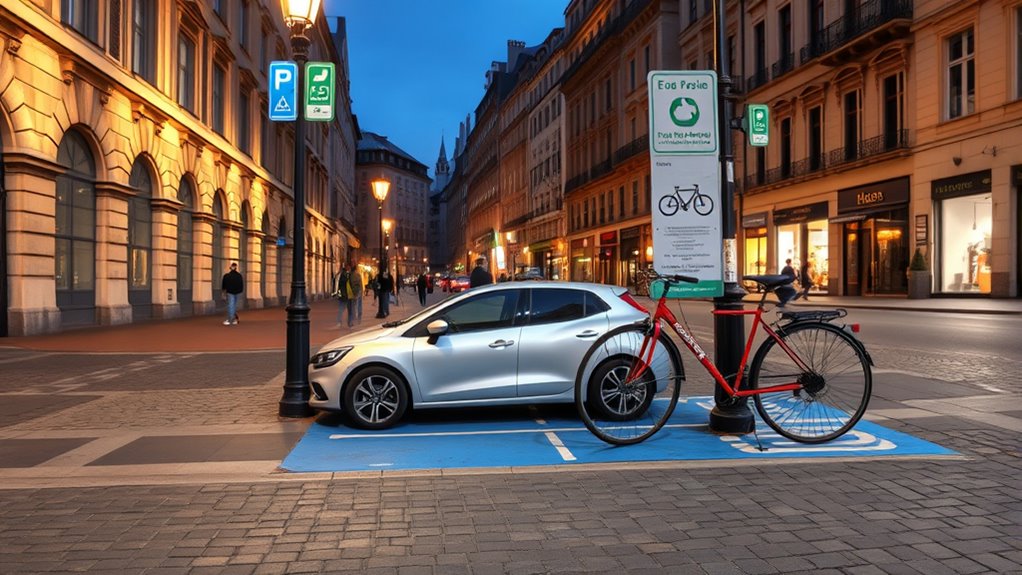
Have you ever wondered how local parking rules vary across European cities? Each city has its own regulations, especially regarding environmental classifications. You need to understand these labels because they determine where and when you can park. Zero-emission vehicles, labeled “0,” often enjoy unrestricted on-street parking and unlimited access to LEZs. ECO-labeled cars may park during certain hours, but with restrictions. Vehicles with labels C or B face limitations entering LEZs and may only park in underground garages for free. Those with A labels or no labels are usually barred from LEZs entirely. Since classification systems differ by city, always verify the specific labels required in your destination. Knowing these rules helps you avoid fines, ensure compliance, and make parking smoother during your travels. Additionally, understanding environmental classifications can be crucial when handling international transactions related to your trip.
Amazon Product B0DFCC5WLC
As an affiliate, we earn on qualifying purchases.
Navigating Parking Fees and Avoiding Overpayment
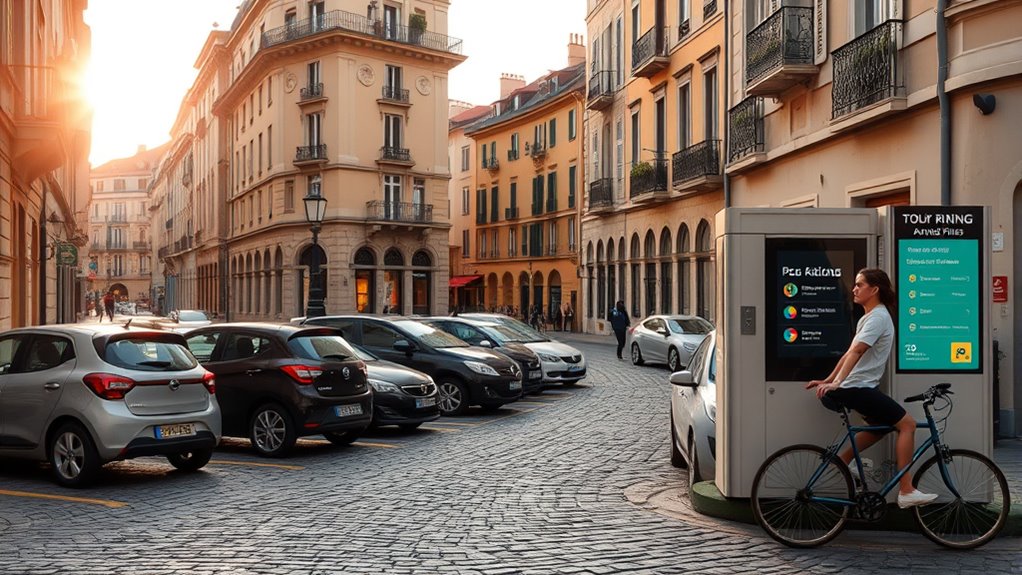
Understanding parking fee structures across European cities is essential to avoid overpaying and guarantee compliance. Fees vary widely by city, neighborhood, and vehicle type, so always verify tariff information before parking. Many cities charge higher rates in central areas or for heavy vehicles, and some offer free or discounted parking for zero-emission vehicles. Pay attention to payment methods—some cities accept mobile apps, pay stations, or permits—so ensure you use the correct option for each zone. Keep track of time limits to prevent overstay penalties, especially in regulated zones. Check signage carefully for specific tariffs, restrictions, and allowed durations. Additionally, familiarize yourself with European parking regulations to ensure full compliance. Being aware of parking enforcement policies can help you avoid unexpected fines or towing, especially in busy city centers. Also, understanding the local parking enforcement hours can help you plan your parking to avoid violations during off-hours. It is also beneficial to stay informed about parking fee adjustments that can occur during special events or peak seasons. For example, the incident of a Microsoft outage has shown how reliance on digital systems can impact operational efficiency, which is important when managing parking payments. By staying informed and managing your parking payments proactively, you’ll avoid unnecessary costs and potential fines.

Samsonite Freeform Hardside Carry-On Luggage with Spinner Wheels - Hardshell Suitcase - TSA, Airline-Approved - Expandable Hard Shell, Smooth Rolling Wheels for Lightweight Travel - Pink Rose
The Perfect Size: The textured, scratch-resistant exterior of this hardshell carry-on luggage is 23in x 15in x 10in...
As an affiliate, we earn on qualifying purchases.
Recognizing Low-Emission Zone Restrictions and Vehicle Labels
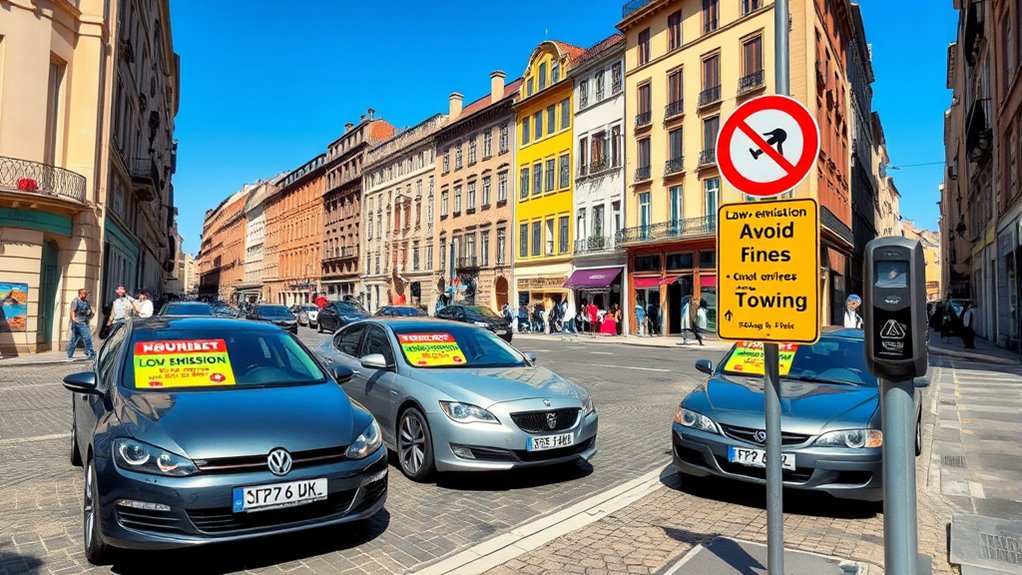
Understanding vehicle label classifications is essential because they determine access to Low-Emission Zones and parking privileges. You need to check each city’s specific zone restrictions and emission requirements before parking. Vehicles with higher environmental ratings often get benefits like free or extended parking, while others face restrictions or fees. For example, electric bikes and scooters with proper vehicle classification are increasingly accepted in many urban areas, helping you avoid fines and towing. Additionally, emission standards are periodically updated, so staying informed about the latest regulations can prevent unexpected penalties. Monitoring regulatory updates and local government notices can help you stay compliant with evolving environmental policies, ensuring smooth parking experiences. Consulting Soul Sanctuaries information on environmentally friendly transportation options can also provide insights into sustainable urban mobility.
Vehicle Label Classifications
Did you know that vehicle label classifications play a crucial role in determining access to Low-Emission Zones (LEZs) and on-street parking in European cities? Your vehicle’s environmental label can either open doors or block them. Here’s what you need to know:
- Vehicles labeled “0” can freely circulate and park unlimitedly, saving you money and hassle.
- ECO-labeled cars may be allowed during restricted hours but with a maximum two-hour limit.
- Class C or B vehicles face restrictions entering LEZs, often limited to underground parking with fees.
- Vehicles without labels or labeled “A” are usually banned from LEZs altogether.
Knowing your label ensures you avoid fines, unnecessary detours, and parking trouble. Always verify your vehicle’s classification before heading into city centers.
Zone Access Restrictions
Have you ever wondered how vehicle labels influence access to Low-Emission Zones (LEZs) in European cities? Your vehicle’s environmental label determines where and when you can drive or park. Zero-emission vehicles labeled “0” enjoy unrestricted access and free on-street parking. ECO-labeled vehicles have limited hours and may park for up to two hours. Vehicles with labels C or B face restrictions entering LEZs, though underground parking is often available with payment. Vehicles classified as A or without labels are barred entirely from LEZ zones. Different cities enforce varying rules, so it’s vital to verify your vehicle’s label and local restrictions before entering. Here’s a quick overview:
| Label | Access Rights | Restrictions |
|---|---|---|
| 0 | Full access, free parking | No restrictions |
| ECO | Limited hours, 2-hour max | Restricted outside regulated hours |
| B / C | Restricted in LEZs | Underground parking available |
Being aware of vehicle labels and their implications can help you avoid fines or towing when parking in European cities. Additionally, understanding zone access restrictions can help you plan your routes more effectively and stay compliant with local regulations. Recognizing local enforcement policies can also prevent unexpected penalties. Moreover, staying informed about environmental standards across different cities ensures smoother mobility and reduces the risk of inadvertent violations. Being familiar with enforcement strategies helps drivers navigate compliance more effectively.
Parking Privileges by Emissions
Your vehicle’s environmental label directly impacts your parking privileges in many European cities. Ignoring these labels can mean missing out on free or unrestricted parking, or worse, facing fines. Here’s what you need to know:
- Zero-emission (label “0”) vehicles can park freely and enjoy unlimited on-street parking, easing your daily commute. Understanding low-emission zones is crucial for compliance. Many cities also offer dedicated parking spaces for zero-emission vehicles to promote cleaner transportation.
- ECO-labeled cars are allowed during regulated hours with a maximum two-hour stay, offering some flexibility.
- Vehicles with labels C or B face restrictions in Low Emission Zones, limiting their parking options unless using underground garages.
- Unlabeled or A-class vehicles are barred from LEZ entry altogether, risking penalties if caught parking outside designated areas.
- Awareness of vehicle labels helps you navigate parking rules more effectively and avoid penalties, especially as emission standards continue to evolve across cities.
Amazon Product B0CW9JCR3M
As an affiliate, we earn on qualifying purchases.
Using Authorized Parking Facilities and Secure Areas
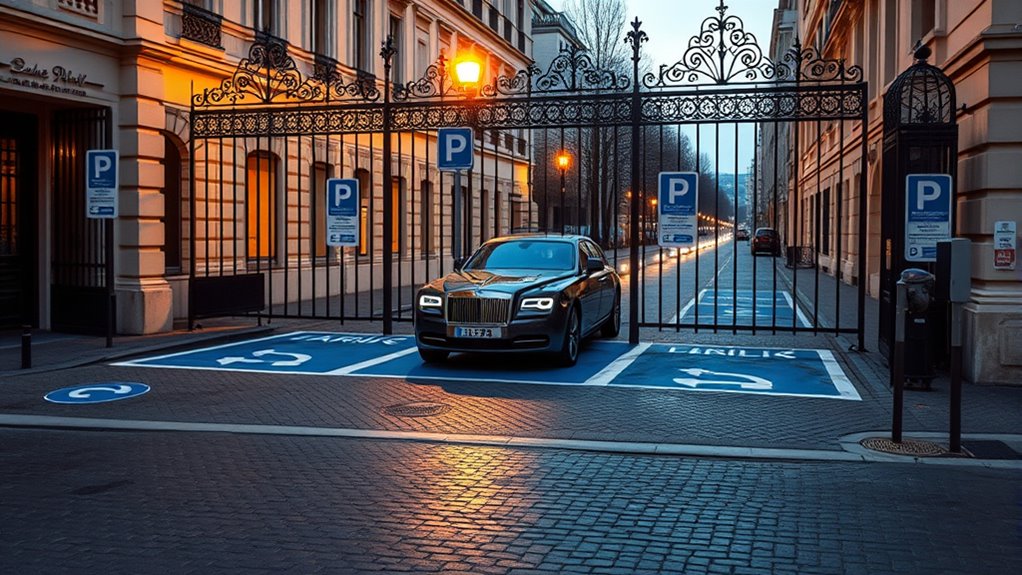
You should always park in authorized zones to avoid fines and violations. Using secure facilities helps protect your vehicle from theft and damage. Before parking, verify that the area has the necessary certification to guarantee safety and compliance with regulations. Additionally, choosing well-lit areas with good visibility can further reduce the risk of theft or vandalism deep-sky imaging techniques. Ensuring that parking areas are properly marked and maintained is also crucial for compliance and safety. Proper installation practices and adherence to safety standards can further enhance your vehicle’s security and prevent accidents. Incorporating water quality standards into parking area maintenance can also contribute to overall safety and durability of the infrastructure.
Authorized Parking Zones Only
To guarantee safety and compliance, you must park only in authorized zones that feature certified secure facilities. Ignoring this can lead to costly fines, towing, or damage to your vehicle’s reputation. Ensuring you’re in the right zone offers peace of mind and protects your investment. Here’s what you should keep in mind:
- Recognize official parking signs; they indicate authorized areas clearly.
- Use designated parking apps to verify zone status before parking.
- Confirm that facilities meet EU safety standards for added security.
- Avoid unauthorized zones, which often lack proper surveillance and enforcement.
Secure Facilities for Vehicles
Ensuring vehicle safety and compliance starts with choosing authorized parking facilities that meet EU standards for secure areas. Opt for certified parking lots and garages that have proper security measures, such as surveillance cameras, controlled access, and adequate lighting. These facilities are regularly inspected and meet safety regulations, reducing your risk of theft or damage. Avoid unverified or unofficial parking areas, which often lack security features and may lead to fines or towing. Using authorized parking facilities guarantees your vehicle is protected in secure environments, giving you peace of mind. Additionally, secure areas typically provide clear signage and proper payment systems, helping you stay compliant with local regulations. Prioritize certified, authorized parking options to safeguard your vehicle and avoid unnecessary penalties.
Verify Certification Status
How can you confirm that parking facilities meet EU safety and security standards? First, check for official certification signs displayed prominently at the entrance or within the facility. Second, verify online through official transportation or municipal websites, which list authorized parking areas. Third, ask parking staff for proof of certification, especially in secure zones. Fourth, look for recognizable EU safety logos or accreditation marks indicating compliance. Ensuring a facility is certified gives you peace of mind, knowing your vehicle is protected from theft or damage. It also helps you avoid fines or towing due to illegal or uncertified parking. Always prioritize authorized and certified parking areas—your vehicle’s safety depends on it.
Planning Ahead for Dynamic Availability and Space Reductions
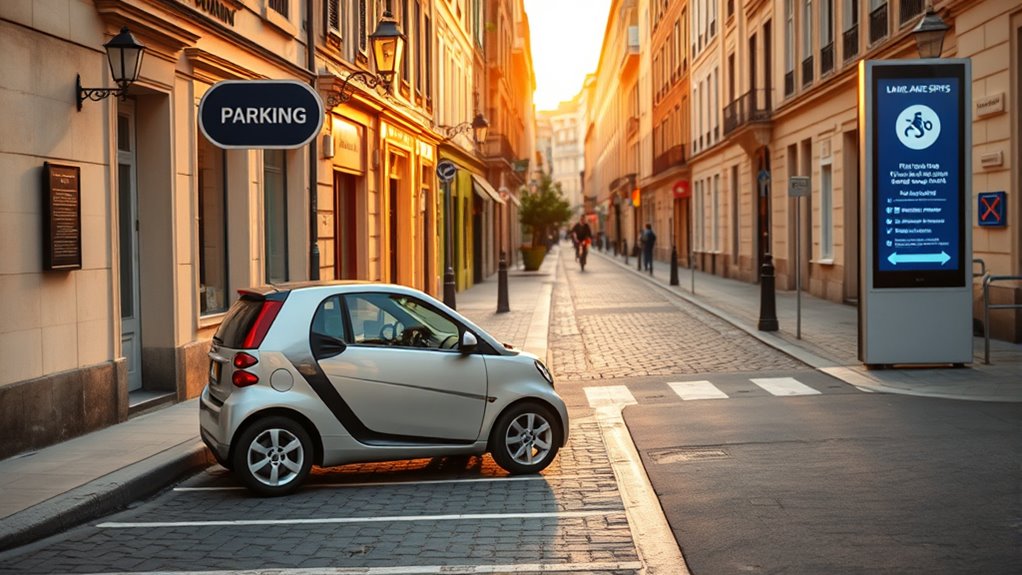
Planning ahead for dynamic availability and space reductions is essential as European cities shift towards smarter parking management. You need to stay informed about ongoing changes, such as the removal of on-street spaces or new restrictions in specific zones. Regularly check city updates, parking apps, and digital signage to identify available spots in real time. Consider alternative options like off-street garages or park-and-ride facilities, especially in areas with planned reductions. By adjusting your parking plans proactively, you can avoid last-minute frustrations, fines, or towing. Use available data to plan routes that minimize parking hassle and time spent searching. Staying ahead of these shifts guarantees smoother journeys and helps you comply with local regulations, reducing the risk of penalties.
Complying With Urban Parking Policies and Minimum Standards
Complying with urban parking policies and minimum standards requires you to stay informed about local regulations and adapt your parking practices accordingly. Ignoring rules can lead to hefty fines, towing, or parking bans. To succeed, focus on these key actions:
Staying informed on local parking laws is essential to avoid fines and penalties.
- Research local parking laws before arriving—know the permitted zones and time limits.
- Verify tariff and environmental label requirements—avoid overpaying or parking in restricted zones.
- Check for minimum and maximum parking standards in new developments—understand your rights and obligations.
- Stay updated on policy changes—regulations evolve, especially with EU mandates on data and safety standards.
Monitoring Enforcement Measures and Certification Requirements
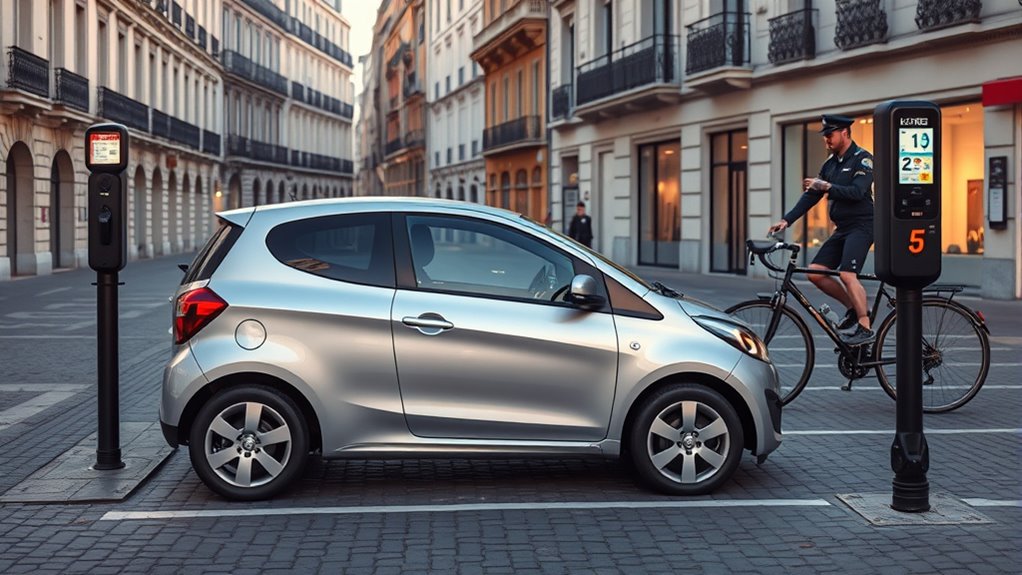
Effective enforcement of parking regulations guarantees compliance and enhances urban mobility. You need to guarantee that parking areas meet certification standards like the EU’s Safe and Secure Parking Area requirements, which protect drivers and vehicles. Authorities regularly monitor parking facilities through inspections, surveillance cameras, and automated systems to identify violations and uncertified zones. If a parking lot lacks proper certification, it’s vulnerable to higher crime rates and penalties. Enforcement measures include issuing fines, towing vehicles, and deploying digital ticketing tools to streamline compliance. You should verify that parking operators adhere to certification requirements before parking. Regular audits and updates ensure ongoing compliance, while transparent monitoring maintains public trust and safety. Staying informed about enforcement policies helps you avoid fines and ensures you park legally in certified facilities.
Leveraging Digital Parking Data and Real-Time Information

Digital parking data and real-time information are transforming how you find and use parking facilities across European cities. With instant updates, you can:
- Avoid costly fines by locating available spots before parking, preventing illegal or expired parking.
- Reduce stress by receiving alerts about parking restrictions or approaching time limits.
- Save time through navigation tools that direct you to the nearest free or affordable parking options.
- Enhance convenience by accessing dynamic availability data, so you’re always informed about space status, especially during peak hours.
Leveraging these digital tools ensures you stay compliant and avoid towing risks. By using apps and real-time info, you can navigate urban parking smarter, more efficiently, and with peace of mind.
Tips for Safe Parking and Preventing Towing Incidents
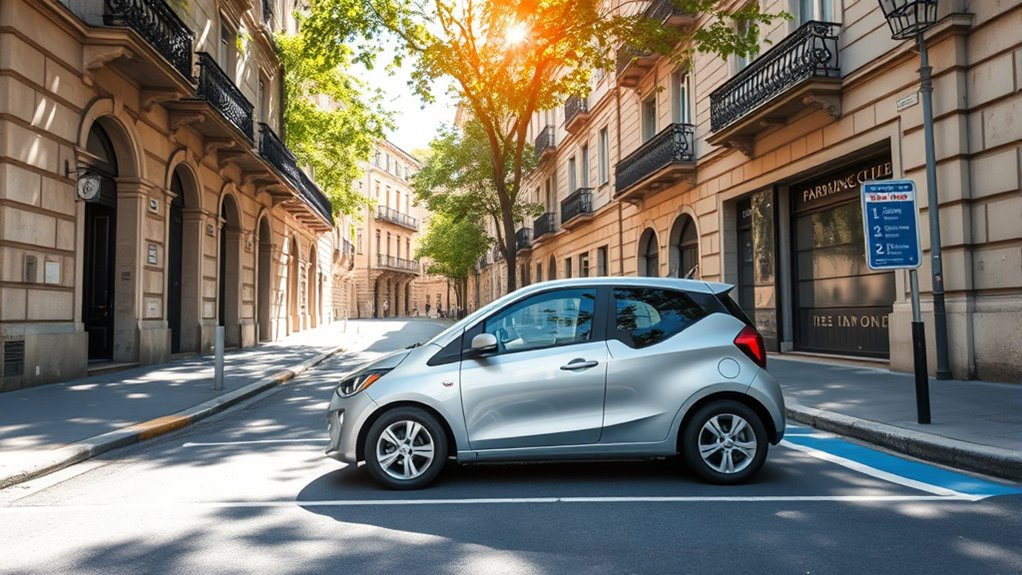
To avoid towing incidents and guarantee your vehicle’s safety, it’s essential to choose parking spots carefully and follow local regulations closely. Always look for designated parking areas, especially certified Safe and Secure Parking Areas, to reduce risks. Pay attention to signage indicating restrictions, time limits, and environmental labels, as violations often lead to fines or towing. Verify the parking fee structure beforehand to avoid overpayment or unexpected costs. Be mindful of low emission zone rules; vehicles with certain labels may face restrictions or need underground parking. Use real-time parking apps to find available spaces and avoid illegal parking. Lastly, ensure your vehicle is properly parked within lines and avoid obstructing traffic or access points, which can prompt immediate towing.
Frequently Asked Questions
How Can I Verify Specific Parking Regulations in Unfamiliar Cities?
You can verify specific parking regulations in unfamiliar cities by checking official city websites or local transportation authority pages for updated rules and tariffs. Use parking apps or GPS services that provide real-time information on parking zones, restrictions, and fees. Always look for posted signage when you arrive, and consider contacting local parking authorities if you’re unsure. Being proactive helps you avoid fines and guarantees compliance with regional regulations.
What Are the Consequences of Parking Violations Under EU Regulations?
Like a detective uncovering clues, you face fines, towing, and vehicle immobilization if you violate parking rules. EU regulations enforce strict penalties, including hefty fines, especially in low emission zones or restricted areas. Ignoring signage or environmental classifications can lead to additional costs or vehicle restrictions. Stay alert and comply with local rules—failure to do so may turn your city visit into an unexpected adventure with costly consequences.
Are There Penalties for Parking in Uncertified Secure Areas?
Yes, parking in uncertified secure areas can lead to penalties. You risk fines, towing, or both, especially if those areas lack EU safety standards or certification. Authorities may also restrict or revoke access, and insurance claims could be denied if your vehicle is damaged or stolen in uncertified zones. To avoid trouble, always verify that parking facilities have proper certification and meet safety standards before parking.
How Do Environmental Labels Impact Parking Rights Across Different Cities?
If your vehicle has a zero-emission label, you can park freely and without time restrictions in many cities. ECO-labeled cars may enjoy limited on-street parking during regulated hours, usually for up to two hours. However, vehicles with C or B labels face restrictions in Low Emission Zones, and A or unlabeled vehicles are often prohibited. Always verify each city’s specific environmental classification rules to avoid fines and parking issues.
What Steps Should I Take if My Vehicle Is Towed in Europe?
If your vehicle gets towed in Europe, act quickly. First, locate the towing company or police station using signs or local authorities’ info. Bring your registration and proof of parking rights. Don’t delay—pay any fines or fees promptly to retrieve your vehicle. Keep calm, ask for a receipt, and understand the reason for towing. Being proactive helps you avoid additional charges and complications.
Conclusion
Think of parking in European cities like steering through a bustling maze — with some planning, you can find the right path without getting lost or fined. I once missed a sign and learned the hard way, but now I check regulations ahead of time. Staying informed and mindful keeps your journey smooth. Remember, a little preparation is like a trusty map — it guides you safely through the twists and turns of urban parking.