
Seat reservations in Europe can be tricky, but it’s manageable once you know which trains need them. High-speed, international, and night trains often require or recommend reservations, while regional trains usually don’t. You can book your seat online or at stations, but costs vary from a few euros to over 50 euros for fast or overnight routes. Understanding when and how to reserve helps avoid surprises—keep exploring to master this part of European train travel.
Key Takeaways
- High-speed and international trains often require mandatory seat reservations, especially during peak travel times.
- Reservation costs vary from €3 to over €48, depending on train type and route, so plan your budget accordingly.
- Book early through operator websites or apps to secure preferred seats and avoid last-minute availability issues.
- Regional and local trains usually don’t need reservations, making them a more flexible, budget-friendly option.
- Pass holders can often access discounts or included reservations; always check policies to save money and secure seats.
Understanding When Reservations Are Required or Recommended

Understanding when reservations are required or recommended is key to planning your train journey in Europe. You’ll find that high-speed and international trains, like Eurostar or TGV, often demand mandatory reservations, especially on busy routes. If you’re traveling on night trains or sleeper services, reservations are almost always necessary, and an extra fee usually applies. For regional, local, or suburban trains, reservations rarely exist, and seating is typically free. Many long-distance domestic routes in countries like France, Italy, and Spain include seat assignments with every ticket, so reservations are automatic. Conversely, in Central European countries like Germany or Austria, reservations are optional, meaning you can travel without one, but seats aren’t guaranteed during peak times. Knowing these rules helps avoid surprises and guarantees a smooth journey. Additionally, understanding the role of projector technology can enhance your home cinema experience, ensuring you select the right equipment for your space and preferences. Being aware of reservation policies and how they vary by country can save you time and prevent last-minute inconveniences. Consulting local train company guidelines can provide further clarity on specific reservation requirements, especially when planning trips that include support breakfast options at your destination. Moreover, reviewing ticketing platforms can help you compare reservation options and fees across different operators.
Types of Trains That Often Need Seat Reservations
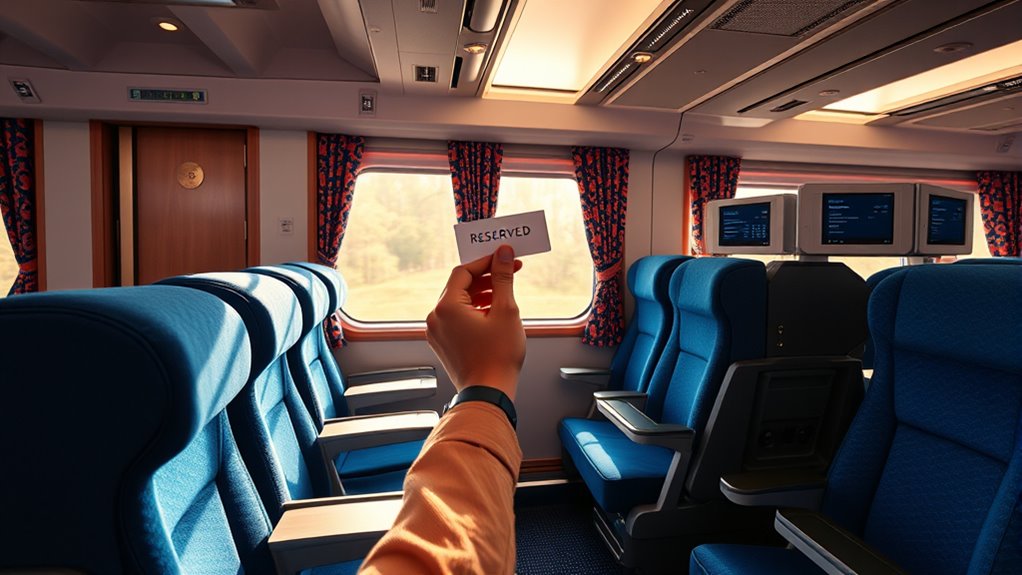
High-speed and international trains are the main types that often require seat reservations, especially on busy routes. On services like Eurostar, TGV, and Italo, reservations are usually mandatory, ensuring you have a designated seat during your journey. Night trains and sleeper services also frequently need reservations, often with an extra fee for couchettes or private cabins. These trains cater to travelers seeking comfort overnight, so securing your spot in advance is wise. Well-sourced coverage of different train types helps travelers understand which options require reservations. Conversely, regional, local, and suburban trains usually don’t require reservations, offering free seating. However, during peak travel times on long-distance domestic routes in countries like France, Italy, or Spain, reservations become more common and sometimes mandatory. Being aware of reservation policies can help you plan your trip more effectively. Additionally, train booking systems are designed to facilitate reservations and ticketing across various countries, simplifying your travel arrangements. Knowing which train types require reservations can save you hassles and ensure a smooth trip. Detecting passive voice can help improve clarity and readability in your travel planning documents.
How to Book Your Seat: Options and Best Practices
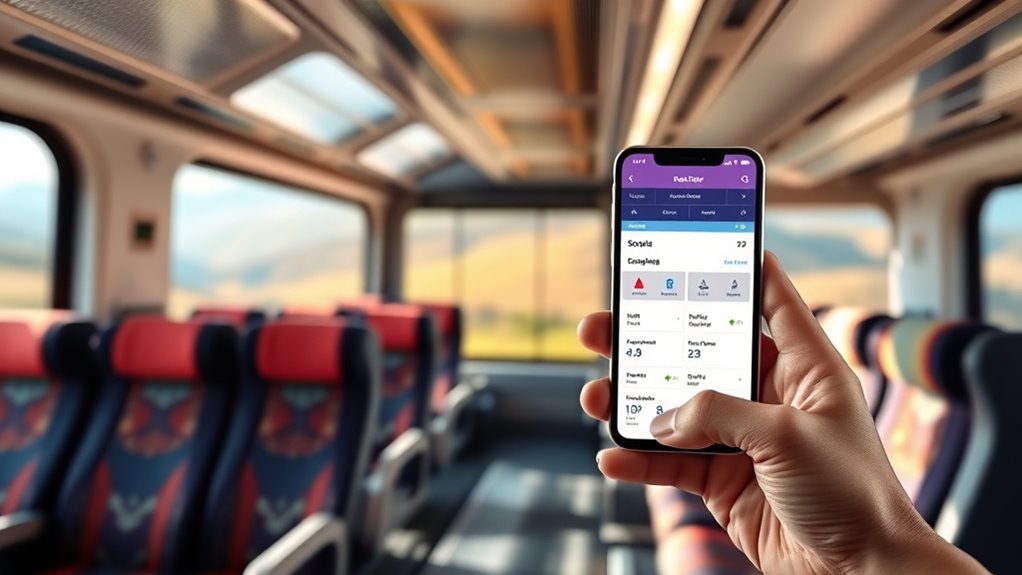
You can book your seat through operator websites, apps, or centralized reservation platforms, often with different fees and options. While most systems auto-assign seats, some allow you to choose your preferred spot, like a window or aisle. Keep in mind that group bookings usually get seats together automatically, but specific preferences may not be guaranteed. Understanding seat configuration can help you navigate your options more effectively. Being aware of modern reservation systems can also streamline the booking process and reduce confusion. Additionally, familiarizing yourself with connected booking technology can further enhance your experience and ensure smoother reservations, especially as these systems often incorporate wave and wind considerations for a more seamless journey. Knowing how to assess quality of reservation options can also help you select the best available seats for your needs.
Booking Platforms and Apps
Booking your train seat in Europe is most conveniently done through various online platforms and mobile apps, each offering different features and levels of flexibility. Major operator websites like Eurostar, Trenitalia, SNCF, ÖBB, and Deutsche Bahn allow you to view schedules, check seat availability, and make reservations directly. Centralized platforms like Rail Europe, Eurail Reservation Service, and b-europe simplify booking multiple routes across different countries, especially for pass holders. Many stations also support same-day reservations at staffed counters, although advance booking is recommended for popular routes. Keep in mind, some apps and websites auto-assign seats, while others let you select specific ones. Using these platforms ensures quick, reliable reservations, but always double-check seat types, availability, and cancellation policies before finalizing. Additionally, understanding the seat reservation processes can help prevent surprises at the station. Being familiar with reservation rules and policies for each booking method can also improve your travel experience. Consulting booking policies in advance can help you plan better and avoid unnecessary delays or fees.
Seat Selection Strategies
When selecting your seat in Europe, it’s important to understand the available options and how to optimize your choice for comfort and convenience. Most reservation systems auto-assign seats, but some operators like Eurostar and Trenitalia let you choose specific seats, often via their websites or apps. If seat preference matters, look for options to select window or aisle seats when booking early. For night trains, consider private compartments or reserved sleeping berths for more privacy. Group bookings typically seat you together automatically, so don’t worry about splitting up. Keep in mind that guarantees on facing seats or forward-facing seats are rare, so plan accordingly. Check the train’s reservation rules and availability early, especially during peak seasons, to secure your preferred spot. Seat reservation options vary depending on the train operator and booking platform, so exploring these can help you find the best fit. Additionally, understanding the seat selection strategies can further improve your travel experience by helping you choose the most suitable seating arrangements, especially considering the best rated vacuum cleaners for comfort and convenience during your journey. A good understanding of the best soil for string of hearts plants can also be helpful if you plan to bring along some greenery for added comfort during your trip. Being aware of train seat configurations and how they impact your comfort can help you make more informed decisions when booking.
The Cost of Seat Reservations and Extra Fees
Seat reservation costs in Europe vary widely, from just a few euros for optional bookings to over €50 for premium international or high-speed trains. Extra charges, such as supplements for sleepers or private cabins, can add markedly to your total fare. Being aware of these fees upfront helps you avoid surprises and plan your travel budget more effectively. Additionally, understanding affiliate disclosure policies can help you make informed decisions when booking through third-party sites. Considering safe backup systems for travel disruptions can also ensure you stay connected and comfortable during unexpected delays. Analyzing sector performance metrics can provide insights into the most reliable and cost-effective travel options, especially in fluctuating markets. Knowing about different train classes and their associated costs can further help you optimize your travel experience and avoid additional expenses.
Reservation Price Range
The cost of seat reservations in Europe varies widely depending on the train type and route. For low-cost, optional reservations, prices range from €3 to €12. High-speed and international trains often charge €25 to €48 or more, especially in premium classes. Night trains and sleeper services incur additional fees for couchettes or berths. Here’s a quick overview:
| Reservation Type | Typical Cost | Notes |
|---|---|---|
| Low-cost optional | €3–€12 | Flexible, add-on |
| High-speed/international | €25–€48+ | Mandatory or recommended |
| Sleeper services | Varies, extra for cabins | Per berth or compartment |
Prices depend on train class, route, and booking channel. Always check in advance to avoid surprises.
Additional Service Charges
Additional service charges for seat reservations in Europe can considerably increase your travel costs beyond the base fare. You’ll encounter varying fees depending on the train type and reservation requirements. Here’s what to expect:
- Optional reservations typically cost €3–€12, adding a small fee for guaranteed seat choice.
- Mandatory reservations on high-speed and international trains can range from €25–€48 or more, especially in premium classes.
- Sleepers and couchettes often include extra charges per berth or compartment, increasing overall cost.
- Pass-holder fees and supplements may apply if you book through certain portals or need specific seat types, like window or forward-facing seats.
Understanding these charges helps you budget accurately and avoid surprises during booking.
Choosing the Right Seat: What You Need to Know

Have you ever wondered how to pick the best seat on a European train? While most reservation systems auto-assign seats, some allow you to choose. Think about your priorities: do you want a window view, easy aisle access, or a quiet spot? For trains with seat maps, select accordingly; for others, trust the system or ask staff. Keep in mind that facing seats or specific directions aren’t guaranteed. Consider group seating if traveling with others—most systems seat groups together automatically. Also, check if the train offers special zones like family areas or quiet cars to enhance your comfort. Use the table below to decide your ideal seat based on your preferences:
| Priority | Best Seat Choice |
|---|---|
| Scenic Views | Window seat, away from doors |
| Quiet Environment | Carriages with quiet zones |
| Easy Access | Aisle seat, near doors |
| Group Travel | Adjacent seats, booked together |
| Forward-facing | Forward-facing seats, if available |
Reservation Windows and How Far in Advance to Book

Wondering when to book your European train seat? Timing is key, and reservation windows vary. Typically, you should consider these guidelines:
- For high-speed and international trains, book as early as possible—up to 6 months in advance if available—especially during peak seasons.
- Night trains and sleeper services often open reservations 3 to 6 months ahead, with some requiring early booking to secure a berth.
- Regional and local trains usually don’t require reservations, so booking isn’t necessary, but check ahead during busy periods.
- For popular routes or peak travel times, reserve at least 1-2 months in advance to guarantee your seat and avoid sell-outs.
Being proactive guarantees you get the best options and prices for your trip.
Tips for Pass Holders and Discounted Reservation Services
If you hold a Eurail or Interrail pass, steering reservation requirements can be tricky, but knowing how to access discounted or free reservation options can save you money and stress. Many operators offer special pass-holder discounts through their websites or apps, so always check online before booking. Reseller platforms like Rail Europe, b-europe, and Eurail Reservation Service often provide discounted reservation fees for pass holders, sometimes with exclusive deals. Some countries include reservation fees in the ticket price, so you might not pay extra. Always verify if your pass covers reservation costs—these are typically separate. Booking early through official channels ensures better availability and lower fees. Avoid last-minute bookings at station counters, which can be more expensive or limited for pass holders.
Common Confusions and Mistakes to Avoid
Many travelers assume that booking a train ticket automatically includes a guaranteed seat, but this isn’t always the case in Europe. To avoid surprises, keep these common confusions in mind:
Booking a train ticket doesn’t always guarantee a seat in Europe—check reservation requirements.
- Reservation requirements vary: Some trains, like high-speed or night services, require mandatory reservations, while regional trains rarely do.
- Reservation labels matter: Don’t assume “optional” means a seat is guaranteed; it only means you can travel without one.
- Booking channels differ: Prices and seat availability can change depending on whether you book directly or through third-party platforms.
- Passes don’t cover all reservations: Eurail or Interrail passes often exclude reservation fees, so plan extra time and money for those bookings.
Understanding these pitfalls helps you avoid unexpected costs or denied boarding.
Navigating Seat Availability and Last-Minute Travel
Securing seat availability for last-minute travel in Europe requires careful planning, as options can change rapidly, especially on popular routes or during peak seasons. If you’re booking close to departure, check real-time availability on operator websites or apps, as seats can sell out quickly. Reservation-optional trains often still have some space, but you risk standing or splitting from your group. For high-speed or international routes, booking as early as possible improves your chances of securing a seat and avoiding extra fees. Consider using centralized booking platforms like Rail Europe or Eurail reservations, which may offer last-minute options. Keep in mind, some trains may have limited last-minute availability, so flexibility with travel times and routes can help you navigate last-minute plans more smoothly.
Frequently Asked Questions
Can I Change or Cancel a Reservation Once Booked?
Yes, you can usually change or cancel your reservation, but it depends on the train operator’s policies. Many allow modifications or refunds if you do so within a specific timeframe, often with a fee. Check the booking platform or ticket provider’s terms before confirming. Some reservations, especially on high-speed or international trains, may have stricter rules or non-refundable fares, so review those details carefully.
Do All Trains Have Assigned Seating Automatically?
Nope, not all trains have assigned seating automatically—imagine the chaos if they did! On regional and local trains, you’ll find free seating where you just hop on. But on high-speed, night, or international trains, you might get a seat assigned, or you might not—depending on the train’s rules. So, don’t assume; always check if your ticket guarantees a seat or if you’ll be playing musical chairs.
Are Group Reservations Guaranteed to Seat Together?
Group reservations are usually seated together automatically by booking systems, but guarantees aren’t always absolute. You might find that some operators prioritize proximity, but not facing seats or perfect arrangements. To make certain your group stays together, book early and specify your preferences when possible. Keep in mind that larger groups may face limited options, so planning ahead and confirming your seating arrangements helps avoid surprises on the day of travel.
How Do I Know if My Pass Covers Reservation Fees?
You can find out if your pass covers reservation fees by checking the specific terms and conditions of your pass type. Look at the operator’s website or pass provider’s information, as some include reservation costs, while others don’t. For clarity, contact customer service or use the reservation platforms linked to your pass. Always verify in advance to avoid surprises, especially on high-speed or international trains where reservation fees are common.
What Happens if My Preferred Seat Is Already Taken?
If your preferred seat is already taken, you’ll likely get assigned a different seat automatically, especially if the system manages group seating or auto-assigns during booking. Some operators let you choose seats, so try to select early or contact the railway company directly for assistance. If options are limited, you might need to accept the next best seat or inquire about cancellations or upgrades closer to departure.
Conclusion
Finding seat reservations in Europe can feel like charting a maze, but with clear steps, you’ll find your way smoothly. Remember to check when reservations are needed, book early if possible, and consider your travel plans carefully. Think of it as planting seeds—anticipating needs helps your journey grow effortlessly. Stay informed, avoid common pitfalls, and you’ll enjoy a stress-free trip where your seat awaits like a trusted companion on your adventure.