
If you fly budget airlines in Europe, you’ll find strict baggage rules that differ from US airlines. Many carriers charge high fees for oversized or overweight bags, enforce size limits at gates, and often surprise travelers with hidden charges for seat selection or extras. New regulations aim to improve transparency and protect your rights, but overall, European budget airlines operate with tighter controls you need to know about. Keep going to discover more about what often catches Americans off guard.
Key Takeaways
- European budget airlines enforce strict baggage size and weight limits, often more rigorously than US carriers, leading to high gate fees for oversize luggage.
- They typically charge additional fees for seat selection, priority boarding, and in-flight services, which can surprise American travelers unaware of extra costs.
- EU regulations now require airlines to send pre-filled compensation forms within 48 hours for delays and cancellations, enhancing passenger rights.
- Enforcement at European airports uses advanced technology and automated systems to quickly identify oversize or overweight bags and streamline boarding.
- Many European airlines are moving toward fee-free small cabin bags, standardizing policies and reducing hidden charges, which Americans often miss.

Travelers Club Chicago Hardside Expandable Spinner Luggage, Teal, 22" Carry-On
Flexible Size & Set Options for Every Trip: Choose the 22” expandable carry-on alone, the 3-piece travel set…
As an affiliate, we earn on qualifying purchases.
As an affiliate, we earn on qualifying purchases.
How Baggage Policies Differ Across Carriers
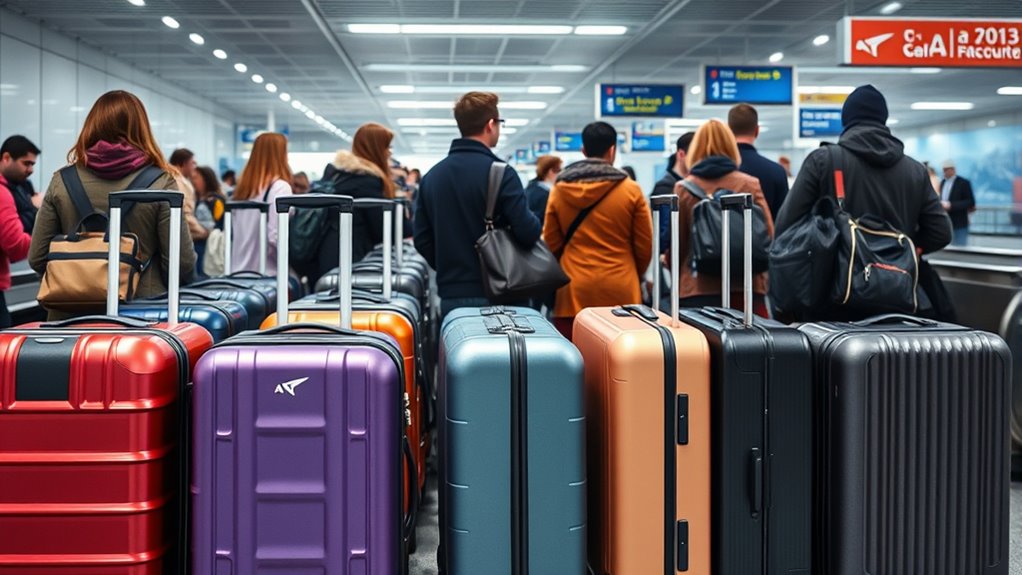
Baggage policies vary considerably across European budget airlines, often catching travelers off guard. Each airline sets its own size and weight limits, which can be stricter than what you’re used to. For example, Ryanair generally allows a 40 x 20 x 25 cm personal item, with larger cabin bags only for priority passengers. Wizz Air offers a slightly bigger 55 x 40 x 23 cm bag for upgraded fares but keeps smaller options for others. Many airlines enforce strict checks at the gate, with fees for oversized or overweight bags. Some carriers, like Ryanair, have even stopped accepting paper boarding passes, which can complicate check-ins. Expect to pay extra if you go over the size or weight limits—regulations are tight, and enforcement is rigorous. Staying informed about industry trends can help travelers better navigate these policies and avoid unexpected fees.

HOMIEE Ryanair Personal Item 40x20x25 Travel Bag, 20L Carry on Backpack Flight Approved Underseat Hand Luggage Cabin Bag for Weekender Gift Fits 15.6 Inch Laptop, Black
【Airline Approved Personal Item Backpack】The HOMIEE travel backpack meets airline carry-on requirements and can be used as an…
As an affiliate, we earn on qualifying purchases.
As an affiliate, we earn on qualifying purchases.
The Push for Fee-Free Small Hand Luggage
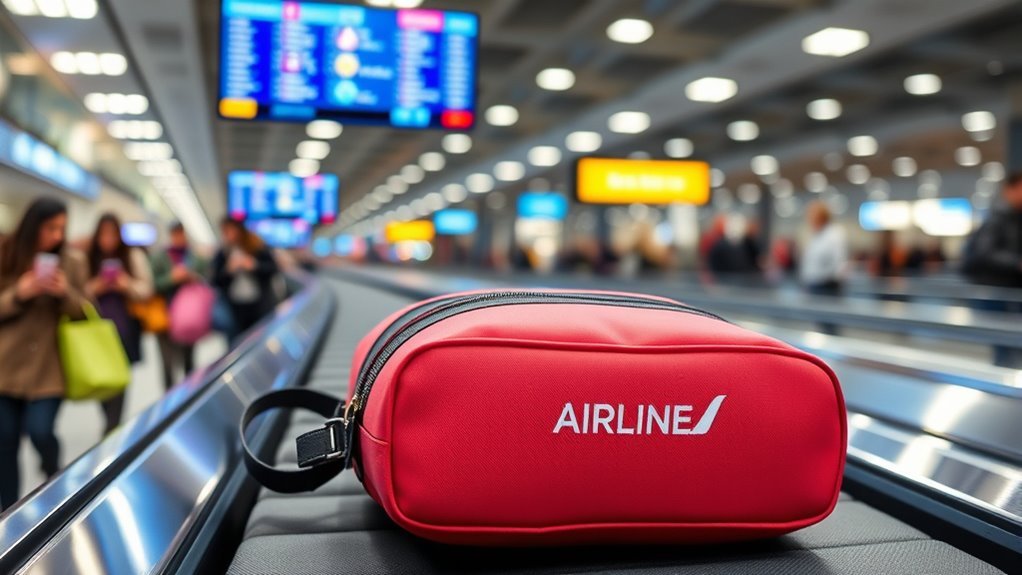
Have you ever been caught off guard by unexpected baggage fees at the gate? Many budget airlines now push for fee-free small hand luggage to improve passenger experience and reduce confusion. The EU is proposing standard rules, allowing one free cabin bag up to 100 cm total dimensions and 7 kg, plus an under-seat item. Airlines like Ryanair and Wizz Air are adjusting their policies to align with these standards, but enforcement varies. Some airlines still restrict size and weight, charging for bags that don’t fit or exceed limits. The goal is to eliminate surprise fees and streamline boarding, especially for travelers unfamiliar with different carrier rules. Understanding carry-on baggage policies can help you avoid unexpected charges and ensure compliance with airline standards. Additionally, being aware of airline fee structures can help travelers manage their expenses more effectively and avoid unexpected charges. Being aware of cruise industry insights can also give you a broader perspective on travel logistics and regulations. Moreover, travelers can benefit from understanding airline compliance to better navigate the evolving rules and avoid penalties. Still, don’t assume you’ll always get free carry-on; always check your airline’s specific policy before flying.

Travelers Club 22" Richmond Spinner Carry-On Luggage, Charcoal
Carry-On Size Built for Easy Travel: 22” rolling hardside carry-on meets most airline carry-on requirements while offering efficient…
As an affiliate, we earn on qualifying purchases.
As an affiliate, we earn on qualifying purchases.
Rights and Compensation for Disrupted Flights
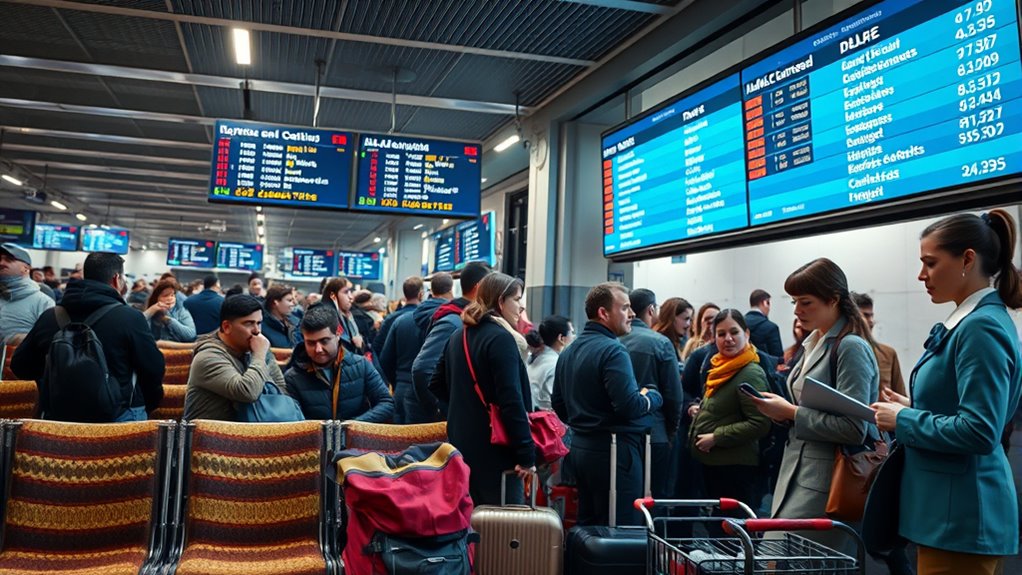
When your flight gets disrupted, understanding your eligibility for compensation is vital, especially with stricter rules for budget airlines. Airlines are required to notify you promptly and provide clear information on your rights, but delays or vague communication can complicate claims. Knowing the criteria and notification requirements helps you assert your rights and guarantee you receive what you’re owed. Additionally, being aware of vetted wave and wind information can assist you in understanding the operational factors that may influence flight disruptions. Recognizing airline compliance with regulations can also help you evaluate the airline’s responsibility in handling delays or cancellations. Moreover, understanding the importance of regulatory oversight ensures you are aware of the enforcement mechanisms designed to protect passenger rights. Being informed about delays caused by weather or air traffic control can further clarify situations where airlines may not be held fully liable. Understanding how contrast ratio impacts image quality can also be useful for passengers who rely on in-flight entertainment systems to enhance their viewing experience during delays.
Compensation Eligibility Criteria
Understanding whether you’re eligible for compensation depends on the specific circumstances of your flight disruption. Generally, if your flight is delayed, canceled, or overbooked due to factors within the airline’s control, you likely qualify. Budget airlines often cite extraordinary circumstances, like weather or air traffic control issues, to deny payouts—these don’t usually qualify for compensation. If the airline fails to notify you appropriately, or if they offer a reroute that causes significant delays, you may be entitled to compensation. However, exceptions exist, especially during strikes or legal restrictions. Keep records of your booking, communications, and delays. Eligibility hinges on whether the disruption was foreseeable or within the airline’s control, so understanding these criteria helps you claim what you’re owed. Additionally, knowing the rules and regulations governing airline compensation in Europe can empower you to advocate for your rights effectively. Being aware of passenger rights can make a significant difference in ensuring fair treatment. Familiarizing yourself with these compensation policies can help you navigate potential disputes more confidently and ensure you receive the appropriate compensation.
Disruption Notification Requirements
Airlines are required to notify passengers promptly about any flight disruptions, including delays, cancellations, or overbookings. When your flight is affected, they must provide clear, timely information about the situation. This includes updates on expected departure times and reasons for the disruption. Airlines are also obliged to send a pre-filled compensation form within 48 hours of the disruption, making it easier for you to claim your rights. If the disruption is due to extraordinary circumstances, like severe weather, compensation may not apply. However, if the airline is responsible, they must inform you quickly and offer assistance, such as rerouting or refunds. These rules aim to keep you informed, reduce confusion, and ensure you receive compensation when entitled. Creating calm, clutter-light homes can help reduce stress during travel disruptions, making it easier to manage unexpected delays or changes. Implementing clear communication protocols can further improve passenger experience during these situations. Understanding your passenger rights and how airlines must adhere to these notification requirements can make a significant difference in managing disruptions effectively. Additionally, understanding the types of disruptions and their typical causes can help travelers better anticipate and respond to unexpected changes.

Sharp Calculators EL-243SB 8-Digit Pocket Calculator
Hinged, hard cover protects keys and display when stored
As an affiliate, we earn on qualifying purchases.
As an affiliate, we earn on qualifying purchases.
Stricter Baggage Checks at the Gate
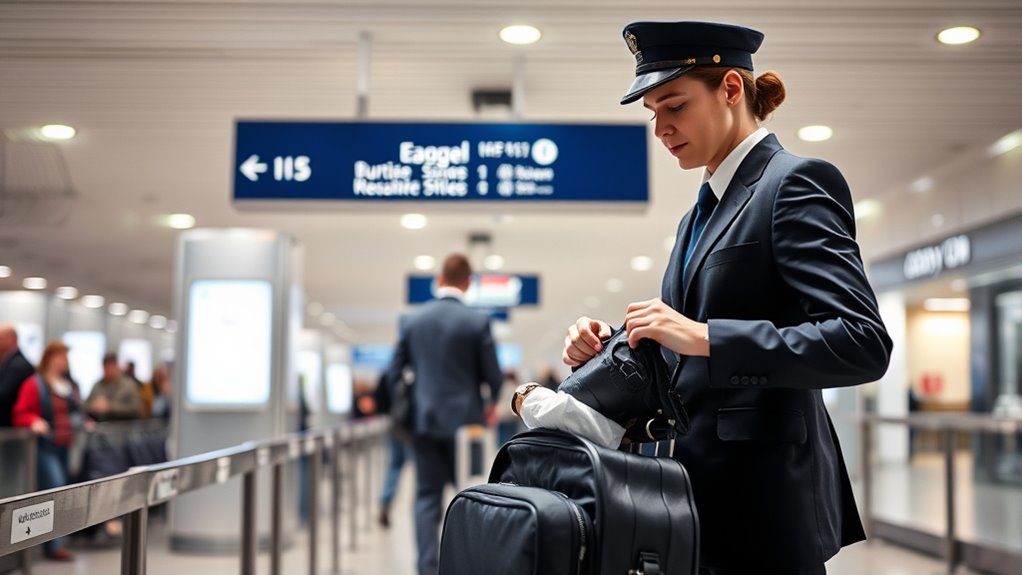
Stricter baggage checks at the gate have become a hallmark of budget airlines, as they enforce size and weight limits more rigorously than traditional carriers. You’ll often be asked to place your bag on a sizing frame before boarding, and if it exceeds the limits—usually 7-10 kg and specific dimensions—you’ll face extra fees or have to check it at the gate. Airlines like Ryanair and Wizz Air are notorious for their strict gate checks, charging high fees for oversized or overweight bags. This means you need to pack carefully and adhere to the rules to avoid surprises. Unlike US carriers, which are more lenient, budget airlines prioritize quick boarding and cost control, making gate baggage checks more frequent and rigorous. Expect strict enforcement to save costs and ensure quick turnaround times. Additionally, these airlines often use filtration systems to quickly identify and manage oversized luggage, emphasizing the importance of packing within the specified limits. The enforcement procedures are designed to streamline the boarding process and minimize delays, reflecting the airlines’ focus on efficiency. Moreover, many airlines implement automated scanning systems to enhance the accuracy and speed of baggage inspections, further supporting their operational goals. These advanced technologies help airlines maintain a balance between customer convenience and operational efficiency, making sure flights depart on time. In some cases, digital tracking helps airlines monitor and enforce baggage policies more effectively, reducing delays.
The Impact of New Passenger Rights Legislation

New passenger rights legislation in Europe is poised to reshape your flying experience, particularly regarding compensation and transparency. Airlines now must send pre-filled compensation forms within 48 hours of a delay or cancellation, making it easier to claim refunds. If your flight is disrupted under extraordinary circumstances, you may no longer qualify for compensation, which clarifies airline responsibilities. Portugal is warning Ryanair against refusing paper boarding passes, emphasizing compliance. Additionally, airlines are required to provide clear, upfront info about multimodal tickets before purchase, reducing surprises. These rules aim to protect travelers from hidden fees and unfair treatment. Furthermore, the new regulations address gelato quality standards, ensuring travelers receive better service and transparency about airline offerings. They also include provisions for passenger safety, which is crucial amid ongoing debates about airline security measures. However, budget airlines are still enforcing strict baggage and boarding policies, so you’ll need to stay informed to avoid unexpected charges. Overall, these changes are designed to make flying fairer and more transparent for passengers.
Hidden Fees and Surprising Charges
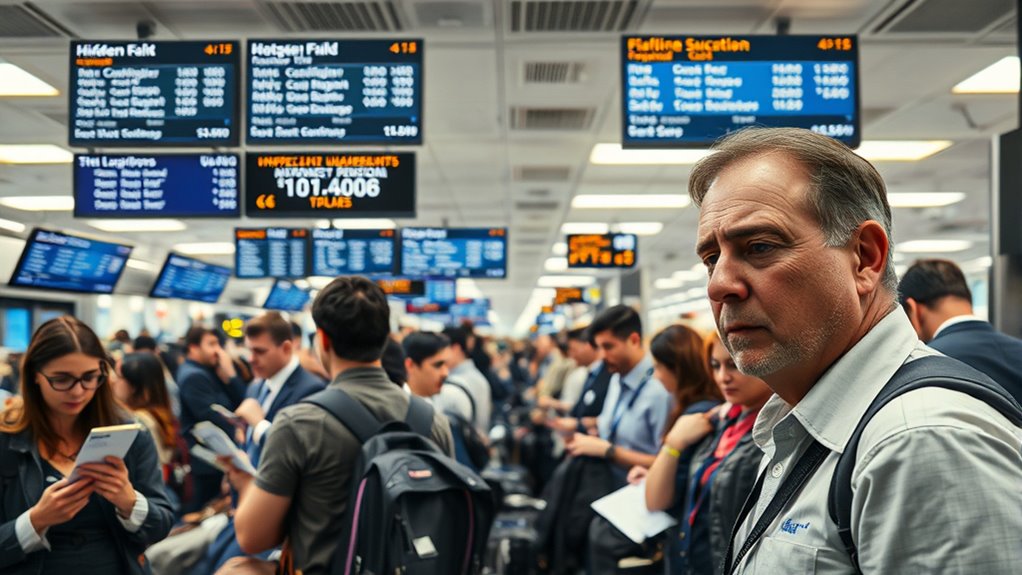
You might think you’re getting a great deal, but hidden fees can quickly add up. Budget airlines often enforce strict baggage size limits and charge extra for anything over the standard allowance. Be prepared for surprise charges for services you assumed were included, like seat selection or priority boarding.
Baggage Size Limits
Have you ever been caught off guard by baggage size limits on budget airlines? If so, you’re not alone. These airlines enforce strict rules that often differ from traditional carriers. Typically, you’re allowed a small cabin bag measuring around 40 x 30 x 15 cm, with some airlines like A4E standardizing this size. Larger bags, such as the 55 x 40 x 20 cm ones permitted on Ryanair or Wizz Air, are only allowed if you pay extra or have priority boarding. Weight restrictions usually range from 7 to 10 kg, and exceeding these limits results in hefty fees at the gate. Budget airlines prioritize strict enforcement, meaning your carefully packed bag might need to be downsized or paid for if it exceeds these limits, catching travelers off guard and adding unexpected costs.
Extra Fee Traps
Budget airlines often surprise travelers with hidden fees that can quickly inflate the overall cost of your trip. You might think you’re paying for just a seat, but extra charges can catch you off guard. Here are four common traps:
- Baggage Fees: Even if you checked the size, exceeding weight limits often results in costly charges at the gate.
- Seat Selection: Choosing specific seats, especially aisle or window, usually costs extra.
- Priority Boarding: Paying for faster boarding may seem optional, but it’s often necessary to avoid delays or additional fees.
- In-flight Services: Snacks, drinks, and Wi-Fi are rarely free, with fees added at the end of your journey.
Being aware of these charges helps you avoid surprises and stick to your budget.
Hidden Service Charges
Hidden service charges can turn an affordable flight into an unexpected expense. Budget airlines often advertise low fares but add surprise fees at various stages. You might pay extra for seat selection, priority boarding, or even printing a boarding pass at the airport. Baggage fees are common, especially if your luggage exceeds size or weight limits—strictly enforced at the gate. Some airlines charge for printing paper boarding passes, forcing you to use digital versions or pay a fee. Additional costs can also include airport taxes, security surcharges, or fees for changing or cancelling your ticket. These charges can quickly inflate your total travel cost, so always read the fine print. Expect hidden fees, and budget accordingly to avoid sticker shock.
How Airline Regulations Affect Travelers From America
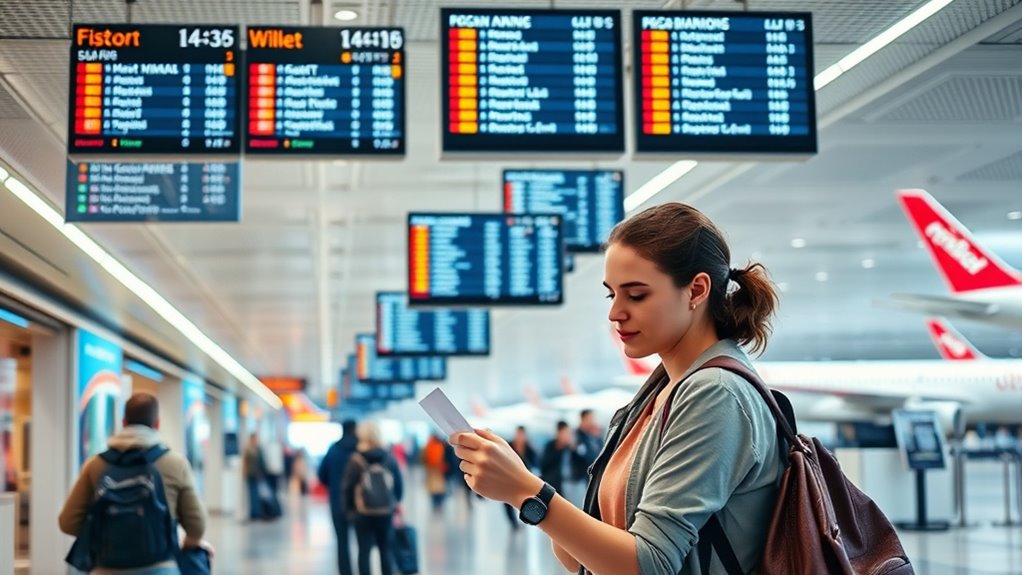
Traveling from America to Europe means journeying through a maze of new regulations that can catch you off guard. These rules directly impact how you plan and budget for your trip. Here are four key points to consider:
- Biometric Data Requirements: The European Entry/Exit System (EES) now mandates biometric data at borders, excluding Ireland and Cyprus, which may delay entry procedures.
- Visa Delays: The ETIAS visa waiver system faces delays, expected to be fully operational by early April 2026, requiring pre-trip application.
- Baggage Policies: Strict size and weight limits are enforced, with airlines like Ryanair charging for exceeding them, adding unexpected costs.
- Passenger Rights: Regulations now demand clearer compensation processes for delays and disruptions, influencing airline interactions and potential reimbursements.
These regulations shape your travel experience and costs considerably.
The Future of Budget Flying in Europe
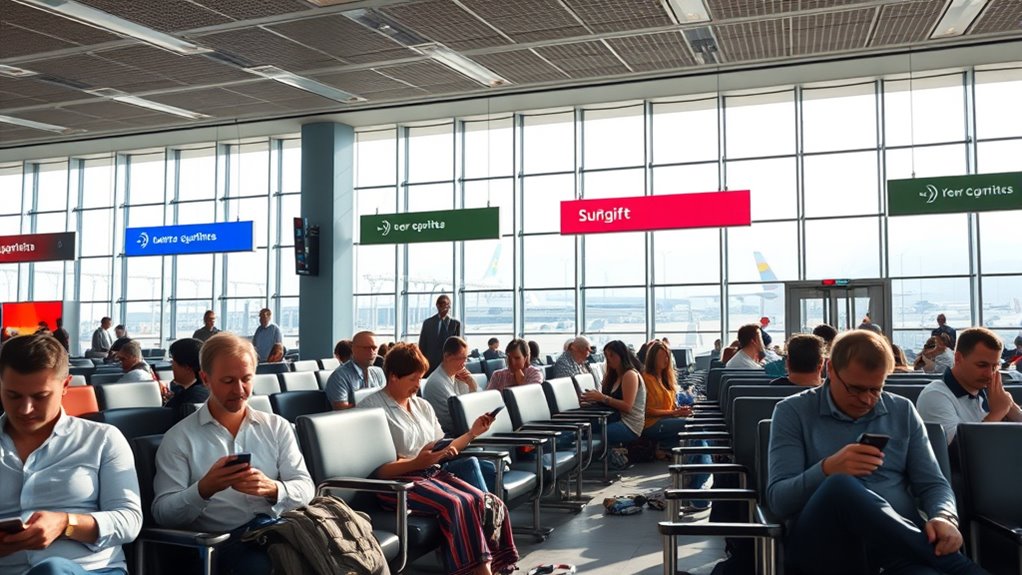
As European airlines continue to adapt to new regulations and shifting consumer expectations, the landscape of affordable flying is poised for significant change. Expect clearer baggage rules, with standard size limits and stricter enforcement at gates. Airlines will likely adopt more uniform policies, reducing surprise fees and confusion. Passenger rights will strengthen, including quicker compensation processes and better transparency. Budget airlines will continue to tighten restrictions around baggage and boarding, but improvements in digital border controls and transparency aim to ease travel.
| Future Trends | Impact on Travelers |
|---|---|
| Standardized baggage policies | Fewer unexpected fees |
| Enhanced passenger rights | Faster compensation, clearer info |
| Digital border processes | Smoother border crossings |
Frequently Asked Questions
Are There Any Exemptions for American Travelers Under EU Baggage Rules?
No, there aren’t exemptions for American travelers under EU baggage rules. You’ll need to follow the same size, weight, and baggage policies as European travelers, which are stricter than US standards. Budget airlines enforce these rules at the gate, charging fees for excess baggage or size violations. To avoid surprises, pack within the limits, and check your airline’s specific policies before you fly, especially if you’re traveling on a low-cost carrier.
How Will New Passenger Rights Legislation Impact Ticket Prices Long-Term?
Imagine your travel budget as a delicate thread, easily frayed by hidden costs. The new passenger rights legislation aims to strengthen this thread, offering better compensation and transparency. While you might see some ticket prices rise slightly, in the long run, you’ll gain peace of mind knowing airlines are held accountable. This balance helps protect your wallet from unexpected surprises, making your European adventures smoother and more predictable.
Do Budget Airlines in Europe Offer Any Free Services Besides Baggage?
Budget airlines in Europe generally don’t offer free services beyond your carry-on baggage. You’ll typically pay for extras like seat selection, checked luggage, and onboard food or drinks. Some airlines might include basic services like a small personal item, but anything beyond that, such as priority boarding or in-flight snacks, usually costs extra. To avoid surprises, always check the airline’s specific rules before booking or boarding.
Can Travelers Still Bring Personal Items That Exceed Size Limits?
You can’t bring personal items that exceed size limits on European budget airlines. They strictly enforce size and weight restrictions, and if your bag is too big or heavy, you’ll face fees, delays, or forced to check it. To avoid surprises, measure your bag beforehand, adhere to airline standards, and pack efficiently. Respect the rules, and you’ll enjoy a smoother, hassle-free journey without extra charges or stress.
What Are the Penalties for Airlines Not Complying With New Rules?
If airlines don’t comply with the new rules, they face penalties like fines, legal action, and potential restrictions on their operations within the EU. You might also experience delays or canceled flights if airlines fail to adhere to baggage and passenger rights regulations. Enforcement varies, but authorities are increasingly strict, emphasizing compliance to protect passengers. As a traveler, you can report violations, ensuring airlines follow rules and avoid penalties that could impact your journey.
Conclusion
Now that you know the ins and outs of European budget airlines, you’re better prepared to navigate their quirks. Don’t let hidden fees or strict baggage rules catch you off guard—stay informed and keep your wits about you. Remember, knowledge is power, and in this game, it’s better to be safe than sorry. So, don’t put all your eggs in one basket—plan ahead, and you’ll fly high without a hitch.