
Many Americans mistakenly think the 90/180 rule is based on calendar years or fixed stays, but it’s actually a rolling window that counts every day you spend in the Schengen Area within the past 180 days. If you stay longer than 90 days or don’t keep track precisely, you risk fines, deportation, or bans from re-entry. To stay legal, you need to understand how the 180-day period works and manage your visits carefully—there’s more to learn if you continue exploring.
Key Takeaways
- Americans often forget the 180-day rolling window, which includes all visits within the last 180 days, not just current stay.
- Many rely solely on passport stamps or memory, risking overstay due to inaccurate tracking of days spent in the Schengen Area.
- Overstaying beyond 90 days can lead to fines, bans, and difficulties re-entering Schengen countries.
- Proper planning and precise timing of entries and exits are crucial to stay within the 90/180 rule.
- Longer stays require visas or residence permits, which many travelers overlook or delay applying for.
Top picks for "schengen rule american"
Open Amazon search results for this keyword.
As an affiliate, we earn on qualifying purchases.
Understanding the 90/180 Rule Simplified
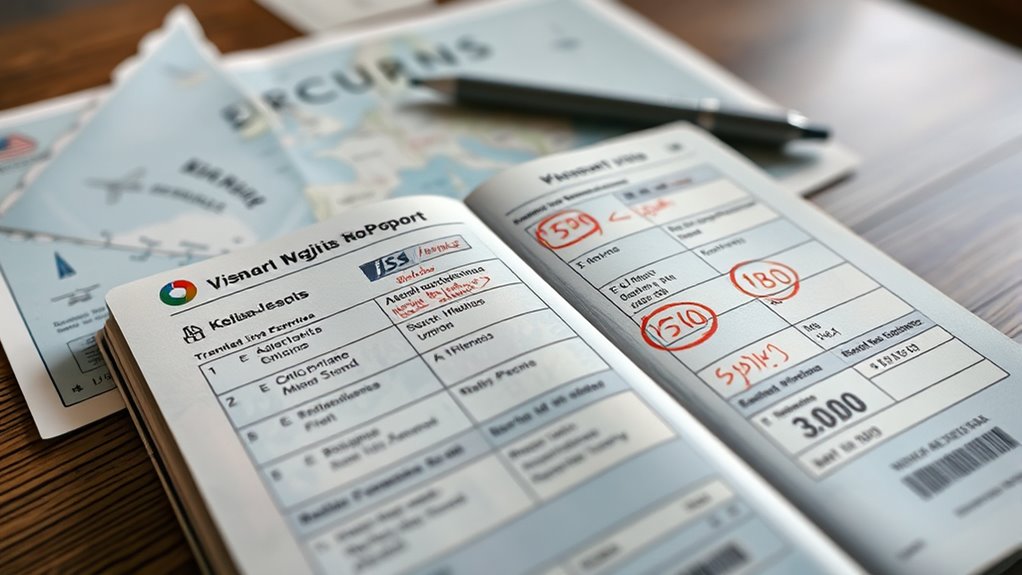
The 90/180 rule is straightforward but important to understand before traveling to the Schengen Area. It means you can stay for up to 90 days within any 180-day period. Your passport should be valid for at least three months beyond your planned departure date, ensuring smooth entry and exit. Check that your passport validity is up-to-date before you travel. Additionally, having travel insurance covering medical expenses is highly recommended and sometimes required, as it proves you’re prepared for unexpected costs. Remember, this rule applies regardless of how many times you enter the Schengen Zone within those 180 days. Staying compliant helps avoid penalties or future entry issues. Prepare your documents carefully, and you’ll enjoy your trip without worries about overstaying. European visa regulations are essential to understand to ensure smooth travel plans.
How the 180-Day Window Works
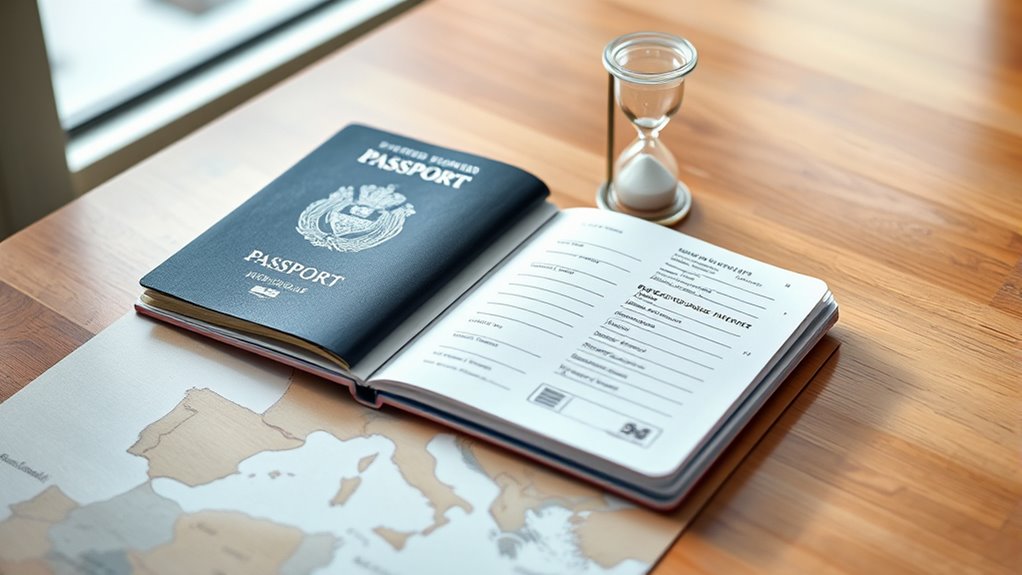
To understand how the 180-day window works, you need to realize that each day you spend in the Schengen Area counts toward this period, and the calculation is rolling. This means that your stay isn’t just about the current trip but also includes any previous visits within the last 180 days. To stay compliant, keep these points in mind:
- Track your days carefully to avoid overstaying and risking visa extensions or residency permit issues. Using accurate tracking methods can help ensure you remain within the legal limits.
- Your stay resets every day you leave, so plan trips accordingly.
- Long-term stays or frequent visits might require applying for a residency permit or other visas to stay longer legally. Being aware of entry and exit requirements can help you plan accordingly.
- Being aware of your net worth can help you plan your travel budget more effectively, especially if you are considering longer stays or multiple trips.
- Additionally, understanding the calculation method used for the 180-day window can help you better manage your travel schedule and avoid accidental overstays.
Understanding this helps you manage your travel and stay within the legal limits.
Common Mistakes Travelers Make With Stay Limits

Many travelers accidentally overstay their 180-day limit by miscalculating how long they’ve been in the Schengen Area or forgetting to account for previous visits. During passport control, officials check your entry and exit dates, but it’s your responsibility to track your stay accurately. Forgetting about days spent in other Schengen countries or visits before the current trip can lead to unintentional overstay violations. Visa requirements also matter; if you need a visa, exceeding stay limits can jeopardize future travel. To avoid mistakes, keep detailed records of your entries and exits, including stamps and travel dates. Relying solely on memory isn’t enough. Staying within the 90/180 rule ensures smooth border crossings and prevents potential fines or bans from the Schengen Area. Understanding the rules can help travelers better manage their time in the region. Additionally, understanding ear wax odor or other subtle signs can help prevent health issues that might interfere with travel plans. Being aware of health indicators can also support overall well-being during travels. Incorporating tools like tracking apps can further assist in monitoring your stay and avoiding violations.
The Difference Between Calendar Days and 24-Hour Periods

Understanding the difference between calendar days and 24-hour periods is essential for your Schengen stay. While calendar days count each day on the calendar, 24-hour periods are based on a continuous clock cycle. Knowing how these counting methods work can help you avoid overstaying your permitted time. Additionally, be aware that wave and wind conditions can influence travel plans and border crossings within the Schengen area. Being mindful of travel restrictions related to weather can prevent unexpected disruptions during your trip. It’s also important to remember that piercings or other personal activities involving the body do not affect your Schengen duration but should be considered when planning your trip.
Calendar Days Count
When calculating your stay under the Schengen rules, it’s essential to distinguish between calendar days and 24-hour periods. Calendar days include every day you’re physically present, starting from the date of entry. This impacts:
- The day your passport gets stamped, counting as a full day.
- Visa exemptions, which reset after 90 days within 180 days.
- The timing of your departure, ensuring you don’t accidentally overstay.
24-Hour Cycle Limits
While calendar days provide a straightforward way to track your stay, the 24-hour period rule adds a critical layer of precision. Instead of counting full days, you need to track each 24-hour cycle from your initial entry. For example, if you arrive at 3 PM on Monday, you must leave by 3 PM on Thursday to stay within the 90/180 limit. This approach prevents accidental overstays, especially if your travel plans span different time zones. Remember, overstaying can jeopardize your passport renewal and complicate future travel insurance claims. Always pay attention to the exact timing of your entries and exits, not just calendar days. Using the 24-hour cycle helps ensure compliance and avoids penalties or restrictions during your trip to Europe.
Counting Method Differences
Have you ever wondered how counting your days in the Schengen Area can differ depending on the method used? There are two main approaches:
- Counting calendar days, where each day you’re present in the Schengen counts regardless of hours spent.
- Using a 24-hour period, which resets every time you cross a border, affecting your passport validity and travel insurance coverage.
- Combining both methods can lead to confusion, risking overstaying your 90/180 limit.
Understanding these differences matters because overstaying can jeopardize your passport validity and travel insurance claims. Always track your entry and exit times carefully, and remember that the method you use can change how long you’ve been in the Schengen Zone. Clear tracking helps avoid penalties and keeps your travel plans smooth.
Tracking Your Days in the Schengen Area

Keeping track of your days in the Schengen Area is essential to avoid overstaying your visa-free period. Each time you cross a Schengen border, your passport gets stamped, which provides a record of your entry and exit dates. These passport stamps are your primary evidence to monitor how many days you’ve spent inside the zone. These records are crucial for tracking your stay, helping you stay compliant with the rules. It’s a good idea to keep a personal log or use a travel app to record each border crossing and the corresponding dates. Remember, even if you forget to get a stamp, you’re responsible for tracking your days accurately. Regularly reviewing your passport stamps helps you stay aware of your remaining days and ensures you don’t accidentally overstay. Staying organized prevents complications and keeps your travels smooth. Using passport stamps as a reliable method to verify your stay can help prevent unintentional overstays. Additionally, understanding Schengen rules can help travelers better navigate the system and avoid penalties.
What Happens if You Overstay Your Limit

Overstaying your allowed time in the Schengen Area can lead to serious consequences. If you stay beyond 90 days without proper arrangements, authorities may take action. Here’s what can happen:
- You might face fines or deportation, making future border crossings difficult.
- Your ability to apply for a visa extension could be limited or denied.
- You could be banned from re-entering the Schengen Zone for several years.
- Overstaying can also impact your travel record, which may affect future visa or residency applications.
- Additionally, overstaying can trigger border checks and penalties that could disrupt your plans.
- Such violations can also reflect poorly on your immigration history, potentially complicating any future travel or legal processes.
- It is essential to stay within your designated stay period to avoid complications that could hinder your international mobility.
- To prevent these issues, always keep track of your entry and exit dates and consult official sources for any updates on regulations.
To avoid this, always monitor your days carefully and consider applying for a visa extension if you need more time. Overstaying triggers border checks and penalties that could disrupt your plans. Staying compliant guarantees smooth border crossings and preserves your travel options in the future.
Multiple Short Visits vs. Continuous Stay

Deciding between multiple short visits and a continuous stay in the Schengen Area depends on your travel plans and visa limits. If you plan frequent trips, short visits can keep you under the 90/180 rule, especially with visa exemption. However, border control officers may scrutinize your pattern, questioning if you’re trying to live in the Schengen without proper authorization. A continuous stay might seem simpler but risks exceeding your 90 days quickly if not tracked carefully. To avoid issues, maintain clarity about your travel history and ensure you’re within your limits. Understanding the rules can help you plan effectively and avoid potential complications. Being aware of entry and exit regulations can further ensure your travels remain smooth and compliant. Additionally, keeping detailed records of your trips can assist in demonstrating compliance with visa policies if questioned. Remember, border control has the authority to deny entry if they suspect your visits are not genuine or if you’ve overused your permitted stay.
How to Reset Your 180-Day Count
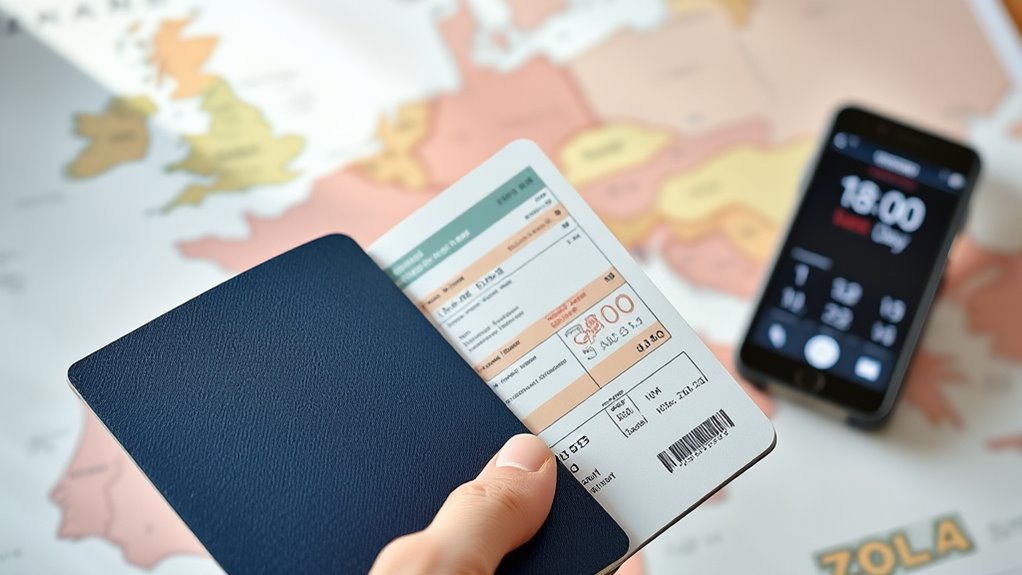
Since the 180-day count in the Schengen Area is reset based on your travel history, understanding how to effectively manage this timeline is essential. To reset your count:
Managing your travel history effectively resets your Schengen 180-day count, ensuring compliance and smooth re-entry.
- Leave the Schengen Zone completely for at least 90 days before returning. This breaks the continuous stay and allows the clock to reset.
- Plan your trips carefully, ensuring you don’t exceed 90 days within any rolling 180-day period.
- Update your travel documents, like renewing your passport or preparing for a visa application, to avoid delays or issues when re-entering.
- Being aware of the family photoshoot fails and unexpected events can also help you plan your travels without surprises.
When You Might Need a Visa or Longer Stay Options

If your travel plans require staying in the Schengen Area for longer than 90 days within a 180-day period, you’ll need to obtain a visa before you go. Visa requirements vary depending on the country and purpose of your stay, such as work, study, or family reunification. If you plan to stay longer, explore long term options like national visas or residence permits offered by individual countries. These visas typically allow extended stays beyond the 90/180 rule, but each has specific eligibility criteria. Applying in advance is essential, as processing times can be lengthy. Remember, overstaying without proper authorization can lead to penalties, deportation, or future entry bans. Always check the specific requirements for your destination country before making your travel arrangements.
Tips for Staying Compliant and Enjoying Your Trip

Keep track of how many days you spend in the Schengen Area to make certain you stay within the allowed limit. Planning your travel dates carefully helps you avoid overstaying and facing penalties. Staying organized ensures you enjoy your trip without unnecessary stress.
Track Your Visa Days
Keeping track of your visa days is essential to staying compliant with Schengen rules and enjoying your trip without stress. To avoid overstaying, monitor your days carefully. Here are some tips:
- Keep a record of your passport stamps and entry/exit dates to calculate your remaining days accurately.
- Use a travel journal or mobile app to log each stay and avoid relying solely on memory.
- Remember that travel insurance documents often show your travel dates, helping you stay within limits.
Staying organized prevents accidental overstays and costly fines. Additionally, be aware that border officers may ask for proof of travel insurance and your passport stamps, so keep these handy. Tracking your visa days ensures you enjoy Europe stress-free and within the rules.
Plan Travel Carefully
Planning your travel carefully guarantees you stay within the Schengen rules while making the most of your trip. Start by checking your passport requirements—your passport should be valid for at least three months beyond your planned departure date from the Schengen area. Make sure to book accommodations and flights in advance, and track your 90/180 stay to avoid overstaying. Don’t forget to get suitable travel insurance that covers medical emergencies and trip cancellations; this not only keeps you compliant but ensures peace of mind. Map out your itinerary to prevent unintentional overstays or multiple short visits that could add up. Being well-prepared helps you enjoy your trip fully without the stress of last-minute surprises or violations of the Schengen rules.
Frequently Asked Questions
Can I Enter the Schengen Area Multiple Times Within 180 Days?
Yes, you can enter the Schengen Area multiple times within 180 days, but each stay must not exceed 90 days. Make sure you meet visa requirements if necessary, and always carry valid travel insurance. Keep track of your total days spent in the zone to avoid overstaying, as this can lead to penalties or future entry issues. Planning your trips carefully helps you stay compliant and enjoy your travel seamlessly.
Does Working or Studying Affect My Stay Limits?
Imagine you’re living in a world where working or studying in the Schengen Area doesn’t extend your 90/180 stay limit. Actually, it does impact it. If you’re working or studying, you might need a specific visa or permit, and you should always verify visa requirements beforehand. Also, confirm you have valid travel insurance, as it’s often required for long stays or special visas. Ignoring these rules could lead to overstaying or penalties.
How Does the 90/180 Rule Apply to Family Members?
When it comes to family members, the 90/180 rule still applies. If you’re visiting for family reunification, your stay must stay within 90 days within any 180-day period unless you have the proper visa. Family members often need specific visa requirements, so check what’s needed for your situation. Remember, overstaying can affect future travel, so plan accordingly and stay within the limits.
Are There Exceptions for Emergency or Medical Visits?
When life throws a medical emergency or urgent visit your way, the rules bend a little like a gentle breeze. You can stay longer than 90 days if you have proper documentation for medical emergencies or urgent visits. Just keep in mind, you’ll need proof showing the necessity of your extended stay. The key is to communicate clearly with border authorities and carry all relevant medical documentation.
How Do Border Officers Verify My Stay History?
Border officers verify your stay history through border control procedures by checking your passport stamps and entry/exit records. They may also access electronic databases that track your stay duration across Schengen countries. To guarantee compliance, always carry proof of your travel plans or emergency visits. If your stay exceeds the permitted 90/180 days, officers can review your stay duration records to determine if you’ve overstayed and take appropriate action.
Conclusion
Just like Icarus learned soaring too close to the sun, pushing your limits with the 90/180 rule can lead to trouble. By understanding the rules and tracking your days carefully, you’ll avoid pitfalls and enjoy your travels freely. Remember, the key is balance—stay mindful of your stay, and you’ll keep your journey smooth. With this knowledge, you can explore the Schengen Area confidently, soaring high without the risk of falling.