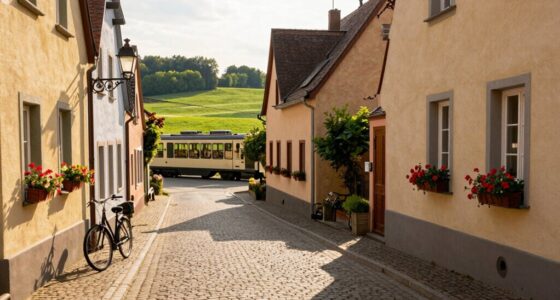
To build a Europe bucket list without a bad itinerary, focus on a mix of iconic landmarks and hidden spots that match your interests. Prioritize authentic experiences over crowded tourist traps, and leave room for spontaneous discoveries. Limit destinations to avoid rushing, and plan day trips for nearby attractions. Engage with locals for personalized tips and be flexible enough to veer off your plan when something exciting comes up. Continuing your journey will help you craft a balanced, memorable trip.

Get travel and outdoor gear delivered free — and shop member deals
- Fast, free delivery on millions of items
- Access to Prime Big Deal Days deals on October 6–7
- Prime Video, Amazon Music and more included
Key Takeaways
- Prioritize a mix of iconic landmarks and hidden gems aligned with your core interests.
- Limit destinations to avoid overloading and allow time for spontaneous local discoveries.
- Research local insights and authentic experiences to add depth beyond typical tourist spots.
- Create a flexible itinerary with buffer days, linking nearby sites for efficient exploration.
- Engage with locals for personalized recommendations and be open to veering off plan for unique experiences.

Building a Europe bucket list can seem overwhelming with so many incredible destinations to choose from, but starting with a clear plan makes it manageable and exciting. To do this effectively, you need to focus on balancing the must-see cultural highlights with lesser-known hidden gems. This approach ensures you experience the true diversity of Europe rather than just visiting popular spots. This way, your itinerary isn’t just a checklist of popular spots, but an authentic experience that reveals the true diversity of Europe.
Begin by identifying your core interests—whether it’s art, history, food, or nature. Once you know what excites you most, you can prioritize destinations that align with those passions. For example, if you’re captivated by history, include iconic sites like Rome’s Colosseum or Paris’s Louvre, but also seek out lesser-known museums or neighborhoods that showcase local stories. These hidden gems often provide a more intimate, less crowded experience and help you avoid the typical tourist traps that can make your trip feel rushed and superficial.
Identify your passions—art, history, food, or nature—to craft a personalized, authentic European journey.
Next, research the cultural highlights of each place on your list. These are the landmarks and attractions that define a city’s identity, like the Eiffel Tower in Paris or the Acropolis in Athens. Make sure to allocate enough time to fully explore these sites, but don’t forget to leave room for spontaneous discoveries. Some of the most memorable moments come from wandering through local markets, street art districts, or quiet parks that aren’t featured on every travel guide. Incorporating local insights can greatly enrich your experience and help you uncover unique aspects of each destination.
To keep your itinerary from becoming a bad one—overpacked and exhausting—set a comfortable pace. Limit the number of destinations per trip, and give yourself days to relax and absorb each place. Incorporate some buffer time for travel delays or unexpected detours, which often lead to discovering your own hidden gems. Also, consider linking nearby destinations to minimize travel time and maximize exploration. For example, combining a day trip from Barcelona to Montserrat or a quick train ride from Venice to Verona keeps your schedule flexible.
Finally, be open to adjusting your plans. Sometimes, the best experiences happen when you veer off the planned route. Talk to locals, ask for their recommendations, and follow your instincts. Building a Europe bucket list isn’t just about ticking off famous sites; it’s about immersing yourself in the culture, uncovering hidden gems, and creating a journey that feels personalized and enriching. Remember that travel planning tools can help you organize your trip efficiently and avoid common pitfalls. With thoughtful planning and a flexible mindset, you’ll craft an itinerary that’s both exciting and manageable, making your European adventure truly unforgettable.
As an affiliate, we earn on qualifying purchases.
Frequently Asked Questions
How Many Destinations Should I Include on My Europe Bucket List?
You should aim for 8 to 12 destinations on your Europe bucket list, balancing your travel budget and time. Too many spots can make your trip rushed and less enjoyable. Focus on places where you can enjoy local experiences and immerse yourself in culture. Prioritize quality over quantity, allowing ample time to explore each destination fully without feeling overwhelmed. This approach guarantees a memorable, enriching European adventure.
What’s the Best Time of Year to Visit Europe?
Think of Europe as a vibrant canvas, changing colors with the seasons. The best time to visit depends on your interests—spring (April to June) and fall (September to November) often offer mild weather, fewer crowds, and off-season advantages like cheaper prices. Avoid peak summer months if you dislike crowds. Traveling during shoulder seasons allows you to enjoy the seasonal weather comfortably while experiencing authentic local culture without the tourist rush.
How Do I Prioritize Must-See Attractions Versus Hidden Gems?
You should prioritize must-see attractions for iconic experiences and include hidden gems to discover local customs and culture. Balance popular sights with off-the-beaten-path locations to avoid crowds and deepen your understanding of each place. Research local customs beforehand so you can appreciate lesser-known spots authentically. This way, your itinerary remains exciting and well-rounded, giving you a genuine taste of Europe’s diverse regions without feeling rushed or overly touristy.
Should I Plan My Itinerary Around Specific Events or Festivals?
Don’t put all your eggs in one basket, but planning your itinerary around local festivals and seasonal events can truly enrich your trip. Attending these gatherings offers authentic cultural experiences and memorable moments. Just make sure to balance event dates with must-see attractions so you don’t miss out. By integrating festivals into your plans, you embrace the spirit of the places you visit, creating a vibrant, well-rounded Europe adventure.
How Can I Travel Efficiently Between Multiple European Countries?
To travel efficiently between multiple European countries, you should prioritize understanding transportation options and planning your travel logistics. Use high-speed trains like the Eurostar or Thalys for quick journeys, and consider budget airlines for longer distances. Buses and regional trains also work well for local travel. Booking tickets in advance saves money and time, and a flexible schedule helps you adapt to delays or changes, making your trip smoother and more enjoyable.
compact travel backpack for Europe
As an affiliate, we earn on qualifying purchases.
As an affiliate, we earn on qualifying purchases.
Conclusion
Remember, Rome wasn’t built in a day, and your European adventure doesn’t have to be either. Focus on your top destinations, balance must-see sites with hidden gems, and stay flexible. By planning thoughtfully and avoiding overload, you’ll create experiences that truly matter. Keep your journey enjoyable and authentic—after all, the best trips are those that leave you with stories to tell, not regrets to regret. Happy travels!
European city sightseeing tour tickets
As an affiliate, we earn on qualifying purchases.
As an affiliate, we earn on qualifying purchases.
As an affiliate, we earn on qualifying purchases.
Halloween Picks
halloween
As an affiliate, we earn on qualifying purchases.