To choose a travel setup for working remotely from Europe, start by researching reliable internet providers and consider portable Wi-Fi or local SIM cards for consistent connectivity. Pack essential tech accessories like chargers, noise-canceling headphones, and ergonomic gear. Secure extensive travel insurance covering health and equipment. Find quiet, well-lit workspaces, whether at co-working spots or cafes with stable Wi-Fi. Familiarize yourself with local internet laws to stay compliant. Keep these tips in mind, and you’ll be well-prepared for a smooth working adventure.
Key Takeaways
- Research reliable local internet providers and consider portable Wi-Fi or local SIM cards for consistent connectivity.
- Choose quiet, well-lit workspaces with ergonomic furniture, or use co-working spaces with necessary facilities.
- Pack essential tech accessories like universal chargers, noise-canceling headphones, and portable mice for productivity.
- Understand local internet and data laws to ensure legal compliance and protect personal information.
- Obtain comprehensive travel insurance covering health, belongings, and work equipment for peace of mind.
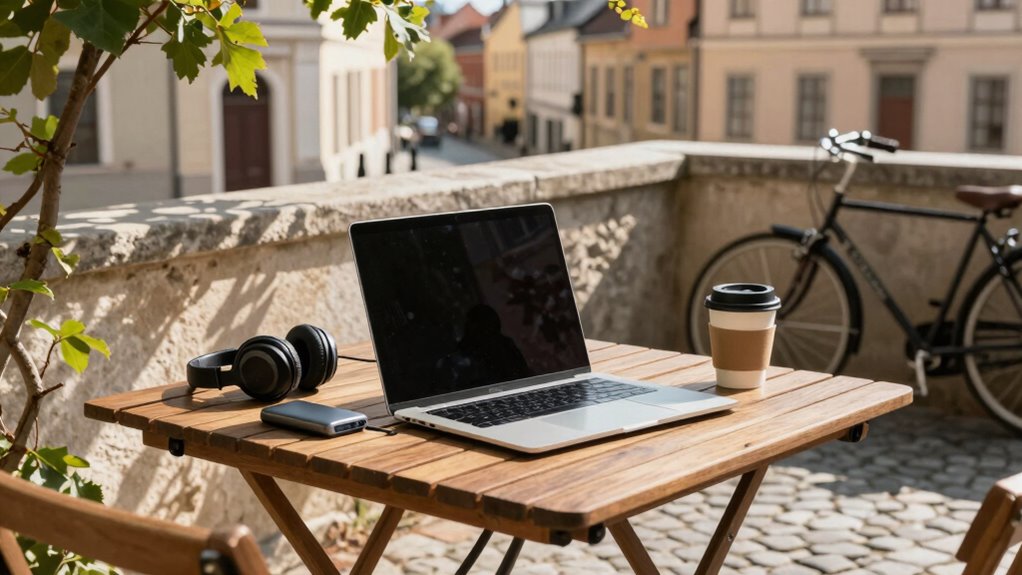
Traveling to Europe for remote work opens up a world of new experiences, but setting up your workspace efficiently is essential for productivity. To do that, you first need a reliable internet connection. Local internet options vary across countries, so it’s smart to research the best providers in your destination before you arrive. Many European cities boast high-speed broadband and widespread Wi-Fi hotspots, but the quality can differ from place to place. Consider investing in a portable Wi-Fi device or a local SIM card with data plans to guarantee consistent connectivity. This way, you won’t have to worry about spotty internet at cafes or hotels, and you can work smoothly regardless of where you’re based.
Another crucial aspect is your travel insurance. It might not be the first thing on your mind when planning your trip, but it’s imperative for protecting your health, belongings, and even your work tools. Make sure your travel insurance covers emergency medical expenses, especially since healthcare systems differ across Europe. It’s also worth checking if your policy includes coverage for lost or stolen equipment, like laptops or smartphones, which are essential for remote work. Having extensive travel insurance provides peace of mind, allowing you to focus on your work and exploration without unnecessary worries.
When choosing your workspace, think beyond just the internet and insurance. Consider the environment—look for quiet, comfortable spots with good lighting, and ideally, some ergonomic furniture. Many cities have co-working spaces designed for remote workers, offering reliable Wi-Fi, printers, and meeting rooms. These spaces can boost your productivity and help you establish a routine, while also giving you opportunities to network with other remote professionals. If you prefer working from cafes or your accommodation, verify your place has a dedicated workspace with a stable table and comfortable seating. Additionally, understanding local internet regulations can help you avoid any legal issues related to online activity during your stay. Being aware of data privacy laws can also ensure your personal information remains protected while working abroad. Researching digital security best practices can further help you safeguard your work and personal data in unfamiliar environments. Additionally, knowing the internet infrastructure quality in your destination can help you better prepare for potential connectivity challenges.
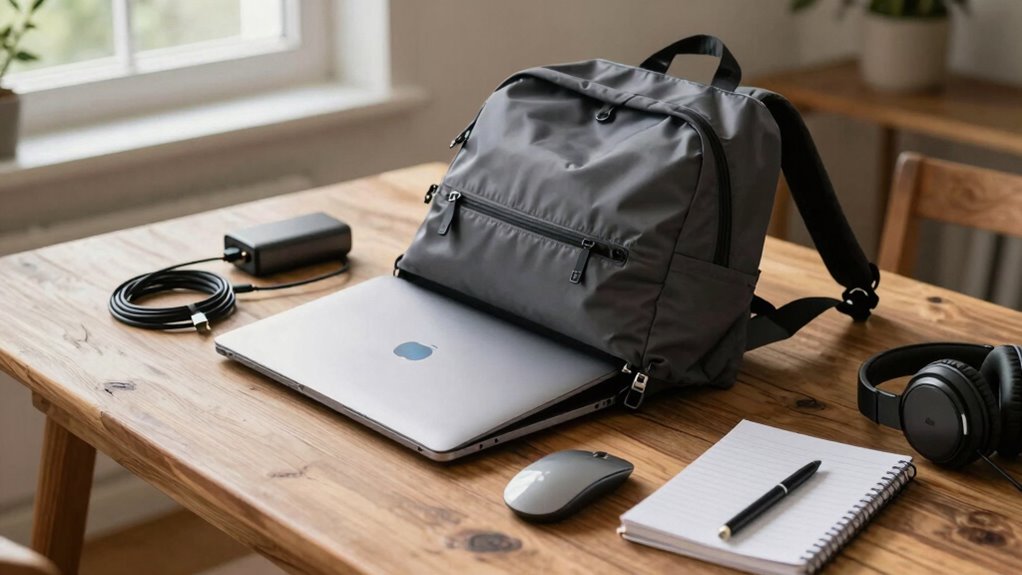
Finally, don’t forget to pack essential tech accessories like a universal charger, portable mouse, and noise-canceling headphones. These small items can make a big difference in creating a productive environment. Also, familiarize yourself with local laws and regulations regarding internet use and data privacy to avoid any legal hiccups. By focusing on securing local internet, obtaining the right travel insurance, and creating a comfortable workspace, you set yourself up for success. With a little planning, you’ll enjoy the best of both worlds—immersing yourself in European culture while maintaining high productivity levels.
portable Wi-Fi device for travel
As an affiliate, we earn on qualifying purchases.
As an affiliate, we earn on qualifying purchases.
Frequently Asked Questions
What Are the Best Travel Insurance Options for Remote Workers in Europe?
You should consider travel insurance policies that specifically cover remote work scenarios and health emergencies while in Europe. Look for plans that include thorough medical coverage, trip cancellation, and tech protection. Additionally, check if your destination requires a remote work visa, as some policies may offer tailored coverage for visa-related issues. Comparing options from providers like World Nomads or Allianz can help guarantee you’re well-protected during your stay.
How Do I Find Reliable Wi-Fi Hotspots Across Different European Cities?
Did you know over 70% of travelers rely on public Wi-Fi for connectivity? To find reliable hotspots across European cities, always check reviews on apps like Wi-Fi Map or Instabridge. Use secure connections, avoid sensitive transactions on public networks, and consider portable mobile hotspots for consistent internet. This way, you guarantee a steady, secure connection wherever you go, keeping your remote work seamless and stress-free.
What Legal Requirements Do I Need to Work Remotely in Europe?
You need to check visa regulations and work permit requirements before working remotely in Europe. Some countries may allow digital nomads to stay and work without a visa, while others require specific permits. Research each country’s rules, as they vary widely. Make certain your passport is valid, and apply for any necessary visas or permits in advance. Staying compliant keeps your work trip smooth and stress-free.
How Can I Manage Currency Exchange and Banking While Traveling?
They say, “Don’t put all your eggs in one basket,” and that’s true for managing currency exchange and banking while traveling. Use currency management tools like Revolut or Wise for real-time conversions and low fees. Opt for banking solutions that offer international ATM access with minimal charges. Keep a backup credit card, and notify your bank about your travels. This way, you stay financially flexible and avoid unnecessary fees.
What Are Safety Tips for Digital Nomads in Unfamiliar European Areas?
To stay safe in unfamiliar European areas, follow local safety tips like avoiding poorly lit streets at night and keeping your belongings secure. Practice cultural awareness by learning basic customs and language phrases, which helps build trust and shows respect. Stay connected with local contacts or fellow digital nomads, and always have your emergency contacts handy. By staying alert and respectful, you’ll enjoy your work and adventures safely.
As an affiliate, we earn on qualifying purchases.
Conclusion
As you pack your essentials and set your sights on Europe, remember that your travel setup is the compass guiding your journey. Like a sturdy vessel steering through unpredictable seas, your gear keeps you afloat amid new environments. Embrace flexibility as your North Star, and let your preparations be the lighthouse illuminating your path. With the right setup, you’ll not only work remotely but also discover new horizons—turning each destination into a chapter of your ongoing adventure.
noise-canceling headphones for work
As an affiliate, we earn on qualifying purchases.
As an affiliate, we earn on qualifying purchases.
As an affiliate, we earn on qualifying purchases.