
When planning your trip to Spain, it’s important to take into account public holidays, as many businesses, transportation, and attractions may close or operate on altered schedules. These holidays also offer a fantastic chance to participate in local festivals, cultural traditions, and regional celebrations that highlight Spain’s rich heritage. Knowing when these events occur helps you maximize your experience and avoid disruptions. Keep exploring to discover how these special days can deepen your travel journey.

Get travel and outdoor gear delivered free — and shop member deals
- Fast, free delivery on millions of items
- Access to Prime Big Deal Days deals on October 6–7
- Prime Video, Amazon Music and more included
Key Takeaways
- Know major public holidays to adjust travel plans and avoid closures of businesses and attractions.
- Research regional celebrations to experience authentic local festivals and traditions.
- Align trips with cultural festivals for immersive experiences and unique sightseeing opportunities.
- Be aware of holiday dates to ensure access to transportation and accommodation availability.
- Incorporate understanding of holiday significance to enrich cultural appreciation during your visit.
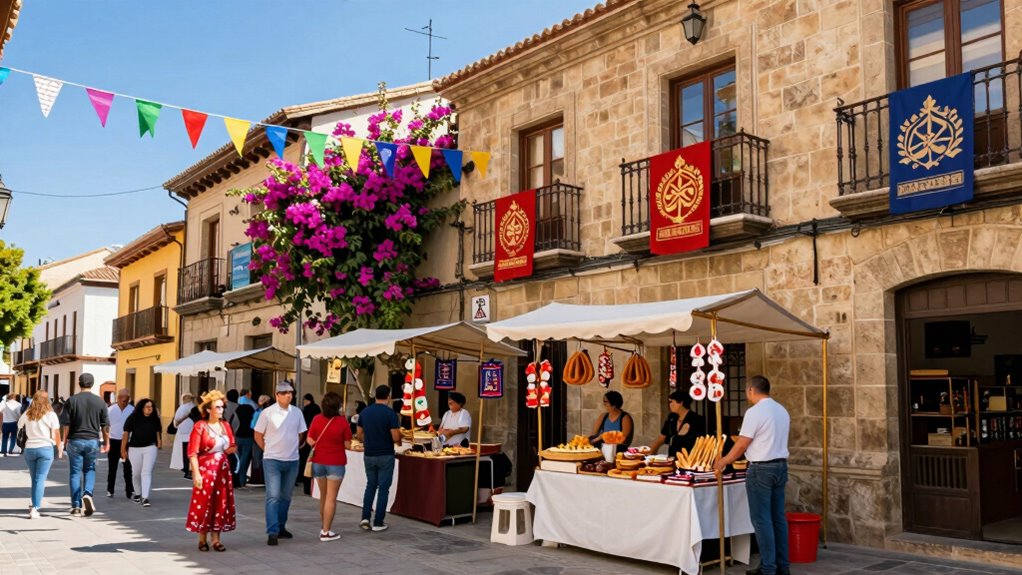
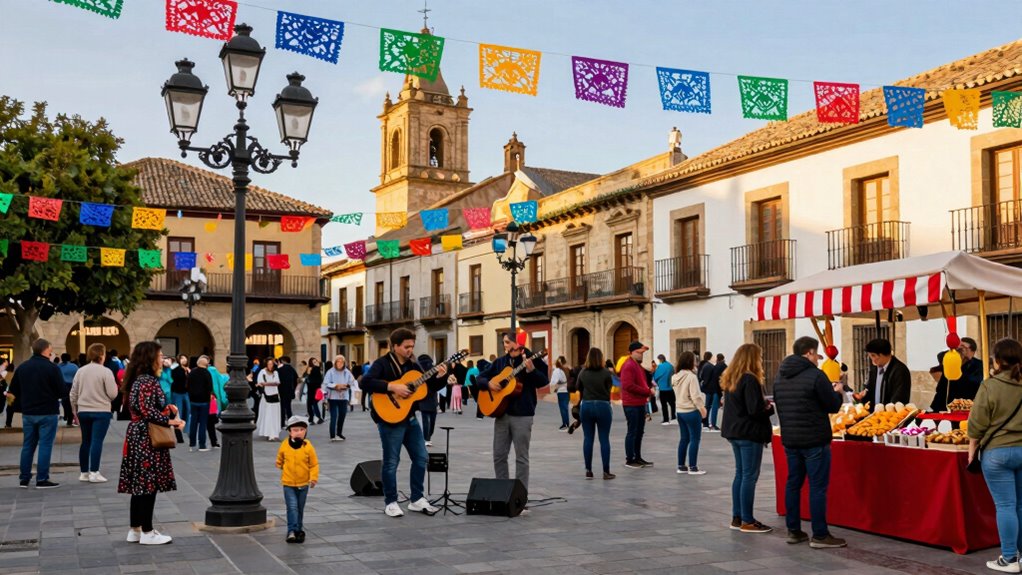
Spain celebrates numerous public holidays throughout the year, offering residents and visitors alike opportunities to enjoy cultural traditions, religious festivities, and national commemorations. When planning your trip, it’s vital to keep these dates in mind, as many events can influence business hours, transportation, and local activity schedules. One of the most mesmerizing aspects of Spain’s public holidays is the rich array of regional celebrations that vary from place to place. These regional celebrations often showcase local customs, cuisines, and unique traditions, making each region’s festivities a distinctive experience. For example, in Catalonia, you might witness the vibrant castells (human towers), while in Andalusia, flamenco performances might take center stage. These regional celebrations not only highlight local heritage but also offer you a more authentic glimpse into Spain’s diverse cultural tapestry. Participating in these regional festivities can greatly enrich your travel experience by providing deeper insight into local identities and customs. Additionally, understanding the significance of traditional festivals can help visitors appreciate the historical and cultural roots that shape these lively celebrations. Recognizing the cultural importance of these holidays can also enhance your appreciation of Spain’s rich historical narrative and festive traditions, ultimately making your visit more meaningful.
Frequently Asked Questions
Are Public Holidays the Same Nationwide or Do They Vary by Region?
Public holidays in Spain vary by region due to regional variations and local celebrations. While some holidays like New Year’s Day are nationwide, others are specific to certain areas, reflecting local traditions and history. As a traveler, you should check regional calendars because public holidays can influence opening hours, transportation, and events. Planning ahead ensures you don’t miss out on local festivities or encounter closures during your visit.
How Do Public Holidays Affect Business Hours in Spain?
Public holidays in Spain often lead to work closures, so expect many businesses to shut down or have limited hours. This can cause delays in services, especially in retail, banking, and government offices. If you’re planning activities or need specific services, it’s wise to check ahead. During these times, you might experience business delays or find some establishments completely closed, so plan your schedules accordingly.
Are There Any Special Customs or Traditions Associated With Specific Holidays?
Yes, Spain’s traditional celebrations and regional customs make holidays unique. During festivals like La Tomatina, you might participate in tomato fights, while Semana Santa features elaborate religious processions. In Catalonia, you’ll enjoy the castells—human towers—showcasing local bravery and skill. These traditions highlight regional identities and add vibrant, memorable experiences to your trip. Embracing these customs helps you connect deeply with Spanish culture during your visit.
Do Public Holidays Impact Transportation Schedules Across Spain?
Public holidays do impact transportation schedules across Spain, causing holiday transportation disruptions and public holiday travel restrictions. You might find trains, buses, and flights operating on limited hours or with delays during these times. It’s wise to check schedules in advance, especially around major holidays, so you can plan your travel accordingly and avoid unexpected delays. Being prepared guarantees your trip remains smooth despite holiday-related transportation changes.
Are There Any Holiday-Specific Festivals or Events Travelers Should Attend?
Yes, you should experience holiday-specific festivals and events in Spain. During regional celebrations, you’ll enjoy lively parades, traditional music, and unique cultural customs. Don’t miss out on the festive gastronomy, where local dishes shine during these festivities. Attending these events gives you a genuine taste of Spain’s vibrant culture, making your trip more memorable. Be sure to check local calendars so you can join these lively celebrations firsthand.
Conclusion
As you plan your trip, think of Spain’s public holidays as vibrant threads woven into the country’s rich tapestry. These celebrations add color, rhythm, and local flavor to your journey, turning ordinary days into memorable adventures. By aligning your plans with these festive moments, you’ll experience Spain’s heart and soul firsthand. Embrace the ebb and flow of these holidays—they’re the sparks that ignite your travel experience and make your visit truly unforgettable.
Fall Picks
fall essentials
As an affiliate, we earn on qualifying purchases.