If you’re choosing between Madrid and Barcelona, consider what excites you most. Madrid offers world-class art, historic neighborhoods, and vibrant traditions, making it perfect if you love classical culture and iconic museums. Barcelona, with its unique architecture, seaside charm, and lively neighborhoods, suits those craving modern culture and coastal experiences. Both cities have excellent transport and great food, but your choice depends on your interests. Keep exploring to discover which city aligns best with your travel style.
Key Takeaways
- Madrid offers world-renowned art museums and historic sites, ideal for art lovers and history enthusiasts.
- Barcelona provides a Mediterranean coastal experience with vibrant neighborhoods and unique Gaudí architecture.
- Spring and fall are best for visiting both cities, avoiding extreme weather and crowds.
- Madrid’s extensive metro system makes exploration affordable, while Barcelona’s walkable layout suits leisurely sightseeing.
- Consider your interests: art and history for Madrid, beach and modernist architecture for Barcelona.

Madrid And The Prado: Art and Architecture
As an affiliate, we earn on qualifying purchases.
As an affiliate, we earn on qualifying purchases.
Key Cultural and Artistic Highlights
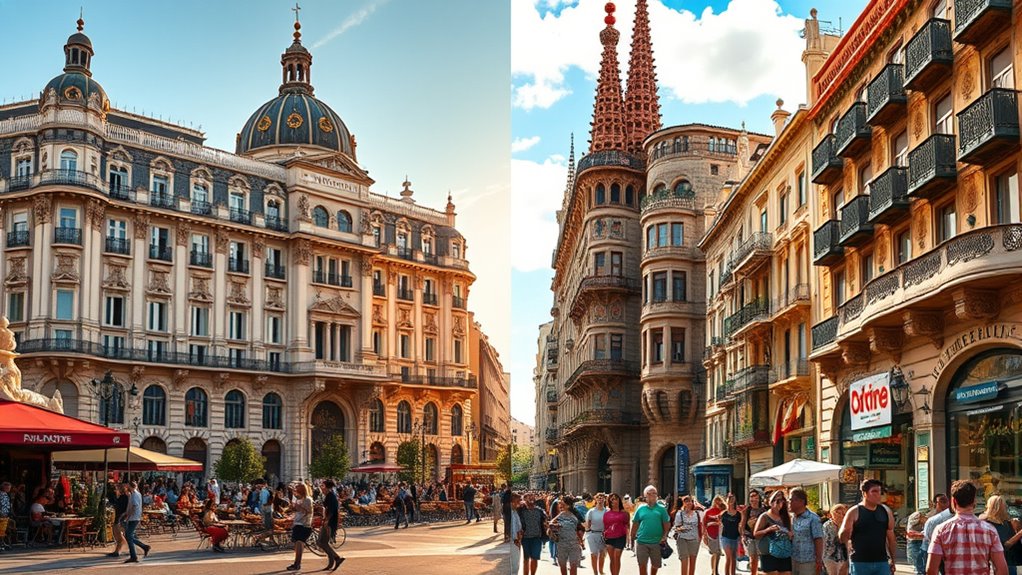
Madrid is renowned for its world-class art scene, with the Golden Triangle of Art—comprising the Prado, Reina Sofía, and Thyssen-Bornemisza museums—serving as the city’s cultural heart. You can spend hours exploring masterpieces like Velázquez’s “Las Meninas,” Picasso’s “Guernica,” and impressionist works. The Prado holds some of Europe’s finest classical collections, showcasing Spanish, Italian, and Flemish masters. Reina Sofía focuses on modern and contemporary art, with Picasso’s iconic “Guernica” as a highlight. The Thyssen-Bornemisza offers a diverse range of European art spanning centuries. Beyond museums, Madrid’s historic neighborhoods, royal palaces, and vibrant street art scenes enrich your cultural experience. If art and history top your list, Madrid provides an immersive, enriching journey into Spain’s artistic legacy. Art collections in Madrid reflect a rich history of European and local artistic traditions, making the city a must-visit for art enthusiasts.

Rick Steves Pocket Barcelona
Pocket-Sized Barcelona Guide: Fit Barcelona in Your Pocket
As an affiliate, we earn on qualifying purchases.
As an affiliate, we earn on qualifying purchases.
Climate and Best Seasons to Visit
Understanding the climate is key to choosing the best time to visit Spain’s capital and its vibrant neighbor. Madrid has a continental climate, meaning hot, dry summers with highs around 33–36°C and cold winters that can bring frost. The ideal visiting seasons are spring (April–June) and autumn (September–October), when temperatures are comfortable for sightseeing. These seasons also tend to have fewer tourists, making your experience more enjoyable. Barcelona experiences a Mediterranean climate, with milder winters and warm, humid summers reaching 28–31°C. Its shoulder seasons—spring and autumn—offer pleasant weather and fewer crowds, making them perfect for exploring both the city and beaches. Summer (June–September) is peak beach season, ideal if you want to swim and enjoy seaside activities. Avoid visiting during peak summer if you prefer milder weather and fewer tourists. Climate patterns play a significant role in determining the best times to visit each city.

StreetSmart Mexico City Map by VanDam – Laminated City Center Street Map of CDMX w/all Attractions, Pre-hispanic Sites, Museums, Hotels, Restaurants, … 2025 Edition (English and Spanish Edition)
As an affiliate, we earn on qualifying purchases.
As an affiliate, we earn on qualifying purchases.
Access and Transportation Options
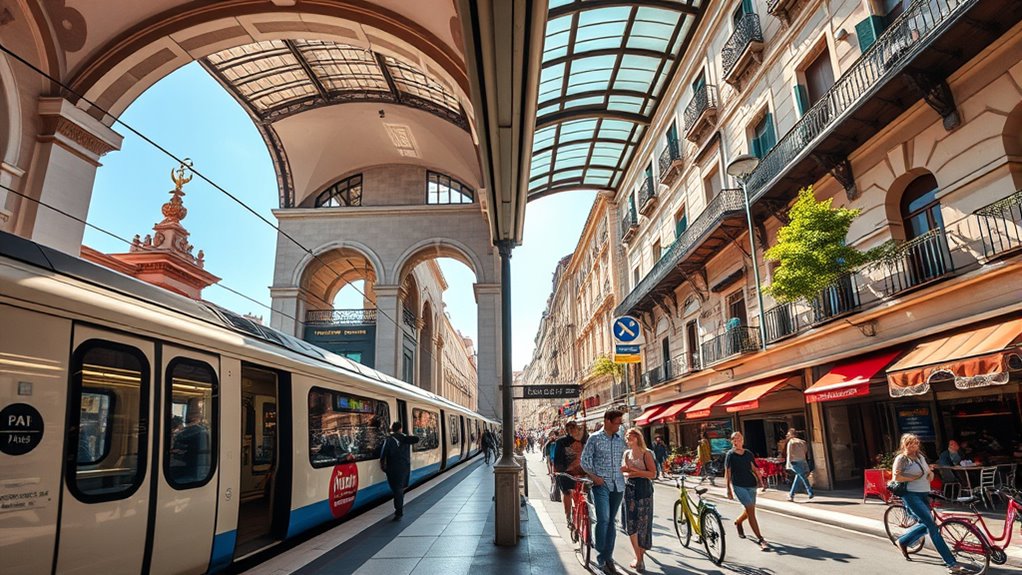
Both Madrid and Barcelona offer extensive transportation networks that make getting around the cities convenient for visitors. Madrid’s large airport, Madrid-Barajas, connects with more long-haul flights from the U.S., thanks to its status as Spain’s main international hub. The city’s metro system is thorough, with many stations, though some older ones have limited accessibility. Madrid’s high-speed AVE trains make traveling to other Spanish cities fast and easy. Barcelona-El Prat Airport provides frequent direct flights from the U.S., especially on the West Coast, often at lower fares. Its metro system is modern, accessible, and integrates well with buses and trams. Barcelona’s compact layout means you can often walk between key attractions, but public transit remains a reliable option for longer trips or beach visits.

Barcelona & Madrid Travel Guide 2025: Your Essential Guide to Exploring the Heart of Spain: Culture, Cuisine, and Captivating Experiences
As an affiliate, we earn on qualifying purchases.
As an affiliate, we earn on qualifying purchases.
Cost and Value for Travelers
Traveling to either city can be quite costly, especially during peak seasons when accommodation and attraction prices rise. In Madrid, expect higher hotel rates during major events or trade fairs, but public transport offers affordable multi-day passes that help save money. Barcelona’s summer beach season drives up prices, especially near popular coastal attractions, but shoulder seasons offer better deals and fewer crowds. Dining options range from budget tapas to Michelin-starred restaurants in both cities, with neighborhood choices influencing costs. To maximize value, visit during off-peak times, and use public transit instead of taxis. While both cities are expensive compared to other Spanish destinations, smart planning and seasonal timing can considerably reduce your costs and improve your overall travel value. Additionally, considering the cost-effective water activities available can enhance your relaxation time after busy days exploring these vibrant cities, especially since public transportation can be a budget-friendly way to navigate the cities efficiently. Moreover, exploring sustainable travel options can help reduce your environmental impact and potentially lower expenses further. Being aware of ear wax odor and other sensory cues can contribute to a more comfortable experience during your travels, ensuring your focus remains on enjoying the city rather than discomfort.
Unique Attractions and Local Experience
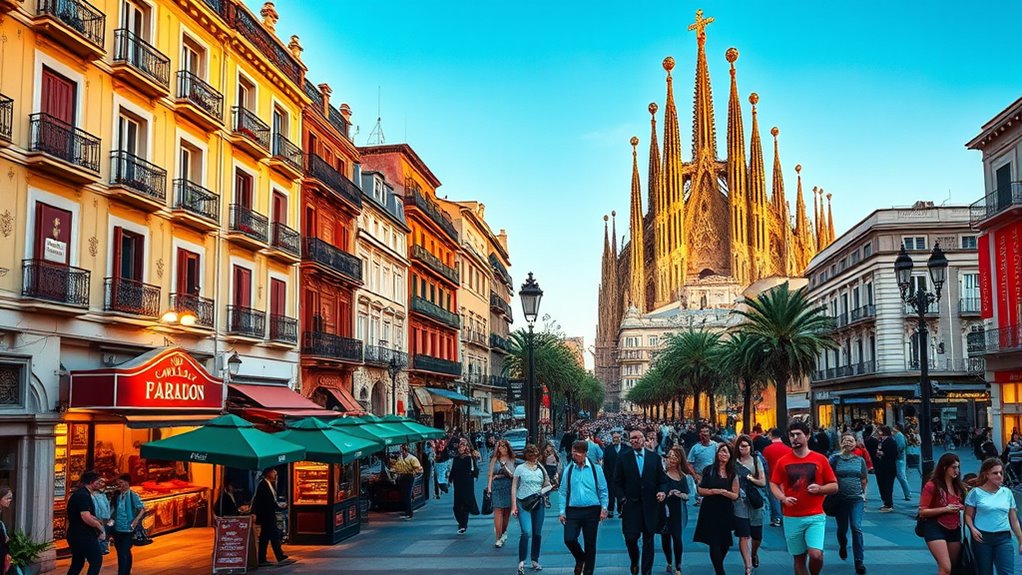
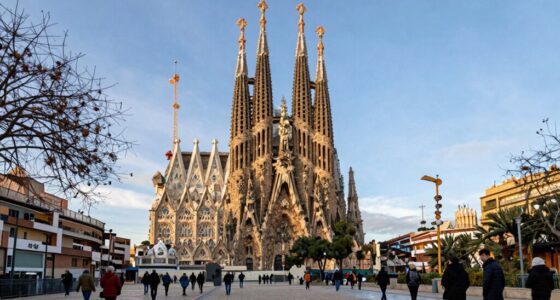
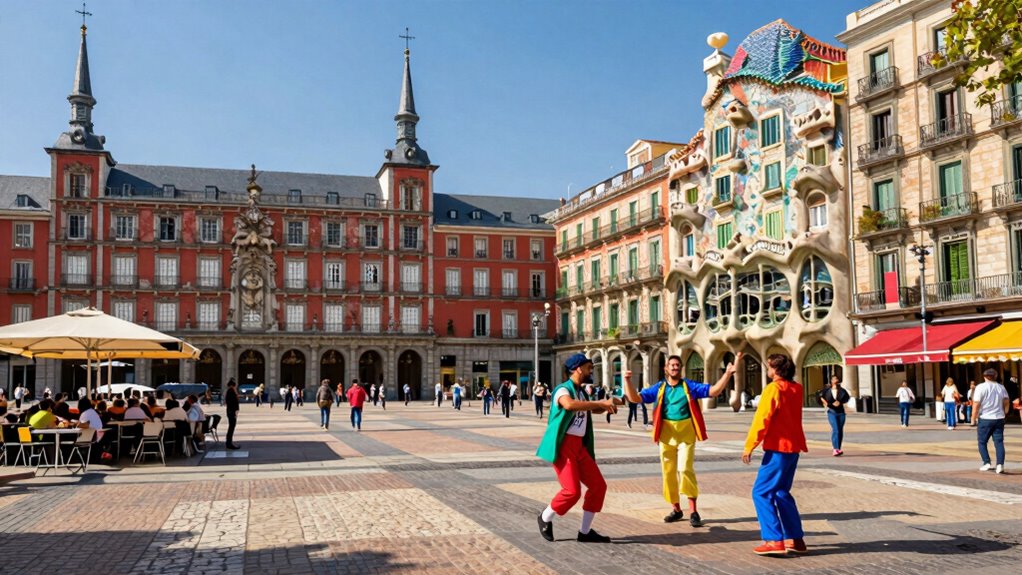
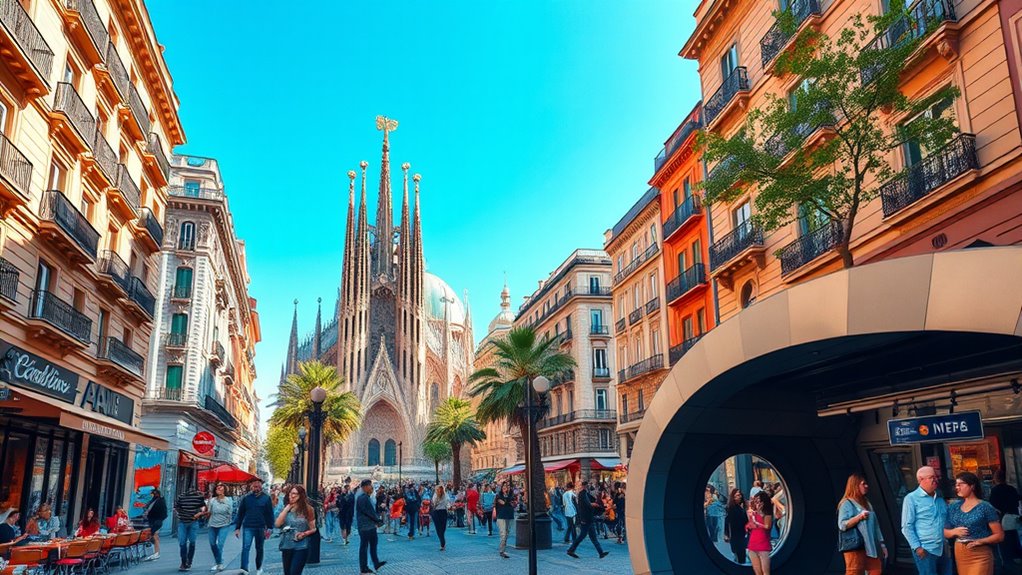
Barcelona offers a truly distinctive local experience through its vibrant neighborhoods, colorful markets, and unique cultural traditions. As you explore the Gothic Quarter, you’ll find narrow streets filled with centuries-old architecture and lively plazas. La Boqueria market immerses you in local flavors, with fresh produce, seafood, and Catalan delicacies. In the Eixample district, marvel at Gaudí’s iconic Modernisme architecture, such as Sagrada Família and Casa Batlló, which reflect Catalonia’s creative spirit. You can also experience local festivals like La Mercè, where street parades and fireworks showcase Catalan pride. Along the beachfront, Barceloneta offers seaside cafes and lively nightlife, blending city life with coastal leisure. This mix creates an authentic, immersive taste of Barcelona’s vibrant, eclectic identity. Cultural traditions play a significant role in shaping the city’s lively atmosphere and local identity, enriching your overall experience. Engaging with traditional festivals and celebrations provides deeper insight into Catalonia’s proud heritage. Additionally, exploring local cuisine gives visitors an authentic taste of regional flavors and culinary artistry. Moreover, taking part in community events can deepen your understanding of the city’s social fabric.
Ideal Trip Types and Planning Tips
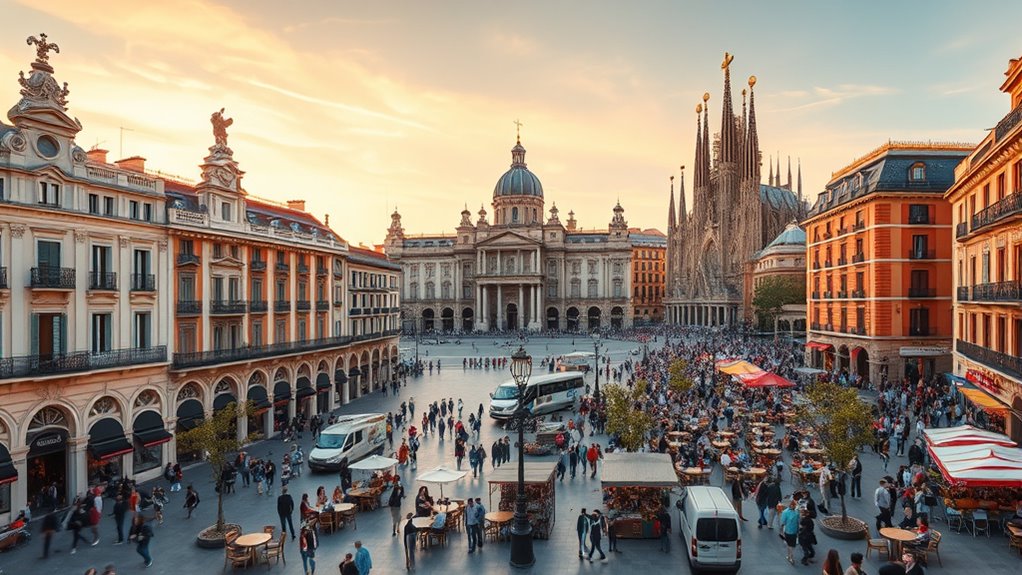
To make the most of your trip, tailoring your itinerary to your interests and time constraints is key. If you have limited days, focus on one city’s highlights—Madrid’s art museums and historic sites or Barcelona’s architecture and beaches. For a week or more, consider combining both cities for a diverse experience, traveling between them by high-speed train or flight. Plan your visit around shoulder seasons—spring or autumn—for fewer crowds and better prices. Book accommodation early during peak months. Use public transit to navigate efficiently; Madrid’s extensive metro simplifies city center travel, while Barcelona’s dispersed attractions benefit from accessible transit options. Prioritize must-see sites and leave some flexibility for spontaneous experiences, enjoying local cuisine and culture along the way. Understanding the comparative advantage of each city can help you optimize your itinerary for maximum enjoyment and efficiency. Additionally, researching local transportation options ahead of time can save you from unnecessary delays and help you make the most of your sightseeing. Exploring options like guided tours can also enhance your experience by providing deeper insights into each location. Being aware of local customs and etiquette can further enrich your cultural immersion and interactions with residents.
Frequently Asked Questions
Which City Has Better Options for Accessible Travel Accommodations?
Barcelona offers better options for accessible travel accommodations, thanks to recent investments in accessibility across key transit lines and stations. You’ll find more elevator-equipped metro stations and accessible public transport options, making it easier to navigate with mobility challenges. Madrid’s metro network is extensive but has some older stations with limited elevator access. Overall, Barcelona’s focus on accessibility makes it the more traveler-friendly choice if accessibility is a priority.
How Do Local Festivals Differ Between Madrid and Barcelona?
Imagine stepping into a city’s heartbeat—Madrid’s festivals pulse with regal grandeur and fiery tradition, like the spirited flamenco dance in Feria de San Isidro. Barcelona’s festivals shimmer with seaside charm and Catalan pride, such as the colorful castells and lively Festa Major de Gràcia. Both cities celebrate vibrant cultural identities, but Madrid’s focus is on historic, royal festivities, while Barcelona’s highlight its coastal, artistic spirit.
What Are the Best Neighborhoods for Nightlife in Each City?
In Madrid, you’ll find lively nightlife in neighborhoods like Malasaña and Chueca, known for trendy bars, clubs, and late-night tapas. Barcelona’s best spots include El Born and Raval, offering diverse bars, live music venues, and beach clubs. Both cities have vibrant atmospheres, so choose Madrid if you prefer traditional Spanish tapas and dancing, or Barcelona for seaside vibes and a mix of cultural and modern nightlife experiences.
Are There Any Safety Concerns Specific to U.S. Travelers in Either City?
You should be aware that petty theft is a common concern in both cities, especially in tourist-heavy areas. In Barcelona, pickpocketing near beaches and crowded attractions can be risky, so stay vigilant. Madrid has fewer incidents but still requires caution in busy neighborhoods. Avoid flaunting valuables, keep an eye on your belongings, and use secure bags. Overall, both cities are safe if you stay alert and exercise common sense.
How Do Airport Transfer Options Compare for Each City’s Main Airport?
You’ll find Madrid’s Barajas Airport offers extensive transfer options like metro, bus, taxi, and private shuttles, making getting to the city straightforward. Barcelona’s El Prat Airport also provides reliable options such as Aerobus, taxis, and private transfers, with the Aerobus connecting quickly to downtown. Both airports are accessible and well-equipped, but Madrid’s larger size means more transportation choices and slightly more frequent services, easing your arrival or departure experience.
Conclusion
Choosing between Madrid and Barcelona is like selecting a compass needle—each points to a different adventure. Madrid offers a regal journey through history and art, while Barcelona invites you to dance with vibrant streets and seaside charm. Whichever you pick, you’re steering toward unforgettable memories. Trust your instincts, and let your curiosity be your guide. Ultimately, the city that calls to you is the one that will turn your trip into a treasure map of experiences.