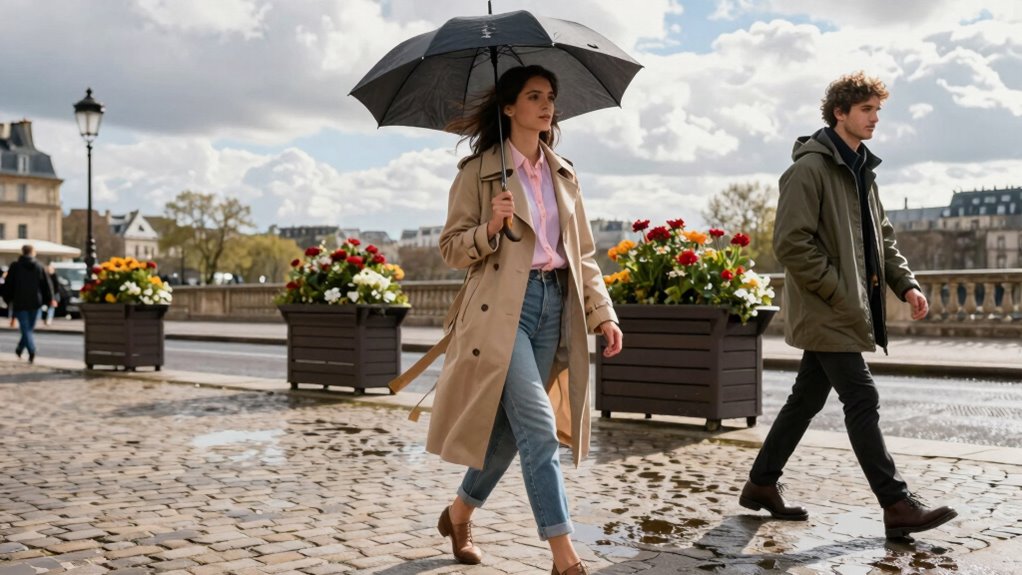
In March, you should dress in layers to handle France’s unpredictable weather. Bring a waterproof jacket or raincoat, waterproof shoes, and an umbrella for sudden showers. Include warm, breathable base layers for chilly mornings and afternoons, along with versatile sweaters or fleece. Add a windproof layer, stylish scarves, and UV sunglasses for sun protection. Comfort and adaptability are key — if you keep exploring, you’ll find plenty of tips to stay cozy and stylish.

Get travel and outdoor gear delivered free — and shop member deals
- Fast, free delivery on millions of items
- Access to Prime Big Deal Days deals on October 6–7
- Prime Video, Amazon Music and more included
Key Takeaways
- Layer lightweight base garments with thermal or long-sleeve pieces for mornings and cooler evenings.
- Pack a waterproof jacket or raincoat, along with an umbrella, to stay dry during brief spring showers.
- Wear waterproof, slip-resistant shoes or boots suitable for walking on wet or uneven surfaces.
- Accessorize with scarves, hats, and UV-protected sunglasses for wind, sun, and temperature protection.
- Incorporate versatile clothing options to adapt to changing weather, from cool mornings to milder afternoons.
As an affiliate, we earn on qualifying purchases.
Understanding the Weather Patterns in France During March
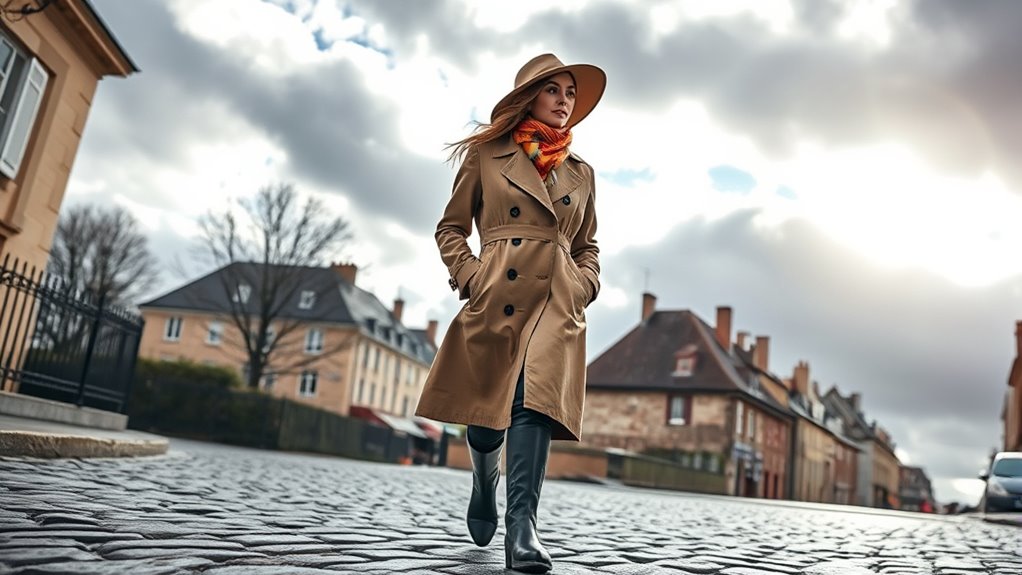
March in France marks the changeover from winter to spring, bringing variable weather across the country. You can expect average lows between 38°F and 45°F (3°C to 7°C), with some regions like northeastern France experiencing even cooler temperatures, sometimes dropping to 36°F (2°C). Average highs range from 50°F to 58°F (10°C to 15°C), but southern France can reach up to 61°F (16°C). Rain is common, with about 1.5 to 2.3 inches (38 to 60 mm) falling nationwide, often in brief showers. Wind speeds hover around 10-15 km/h, creating a brisk atmosphere, especially in the evenings. Humidity stays moderate, averaging around 73%. Days are gradually lengthening, with 5-7 hours of sunshine, signaling spring’s arrival. Energy-efficient cloud servers are increasingly supporting sustainable solutions across Europe. Additionally, weather variability can be quite noticeable, so it’s wise to prepare for different conditions when packing, especially considering climate patterns that influence seasonal changes. Being aware of seasonal transitions can help travelers better anticipate and adapt to the fluctuating weather in March. Moreover, understanding free floating weather systems can assist in planning outdoor activities with greater confidence.
As an affiliate, we earn on qualifying purchases.
Essential Clothing for Cool Mornings and Mild Afternoons
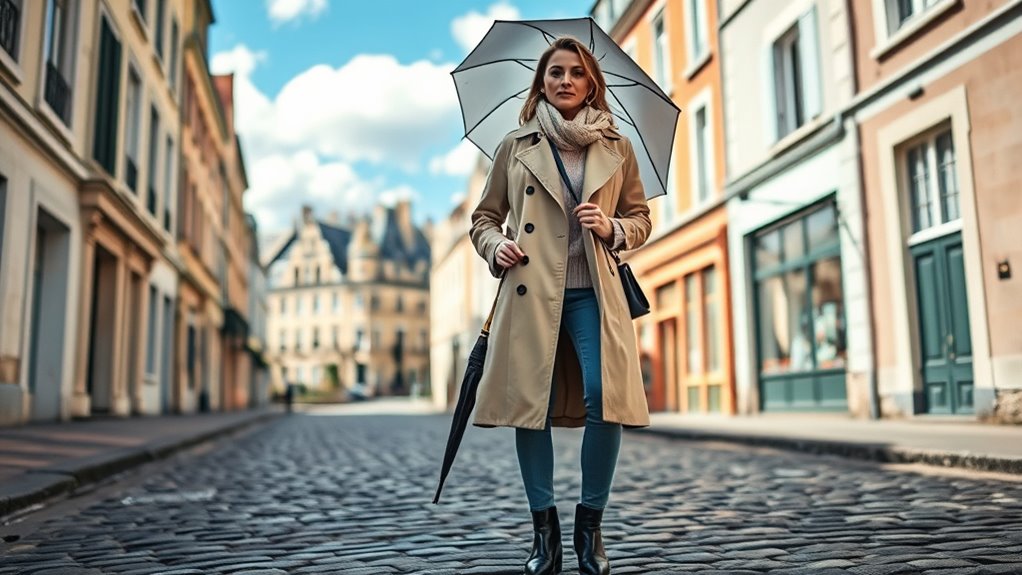
As the weather warms up during the day, you’ll find mornings still quite cool, making layered clothing your best option. Start with a thermal or long-sleeve base layer to keep warm during early hours. Add a lightweight sweater or fleece for extra insulation, which you can remove as temperatures rise. A versatile, medium-weight jacket or cardigan works well for mild afternoons, providing warmth without overheating. Choose breathable fabrics to stay comfortable during active sightseeing. Don’t forget a scarf or neck warmer for added coziness in the mornings. Footwear should be comfortable and adaptable, like sneakers or ankle boots, suitable for walking and changing weather. Incorporating layering techniques can help you adjust quickly to changing temperatures throughout the day. Paying attention to fabric choices can further enhance your comfort in fluctuating weather conditions, especially considering how sound vibrations and thermoregulation influence comfort and well-being. Being aware of weather variability can also help you better prepare for unexpected shifts in climate.
UV protection sunglasses for travel
As an affiliate, we earn on qualifying purchases.
As an affiliate, we earn on qualifying purchases.
Preparing for Rain: Must-Have Waterproof Gear
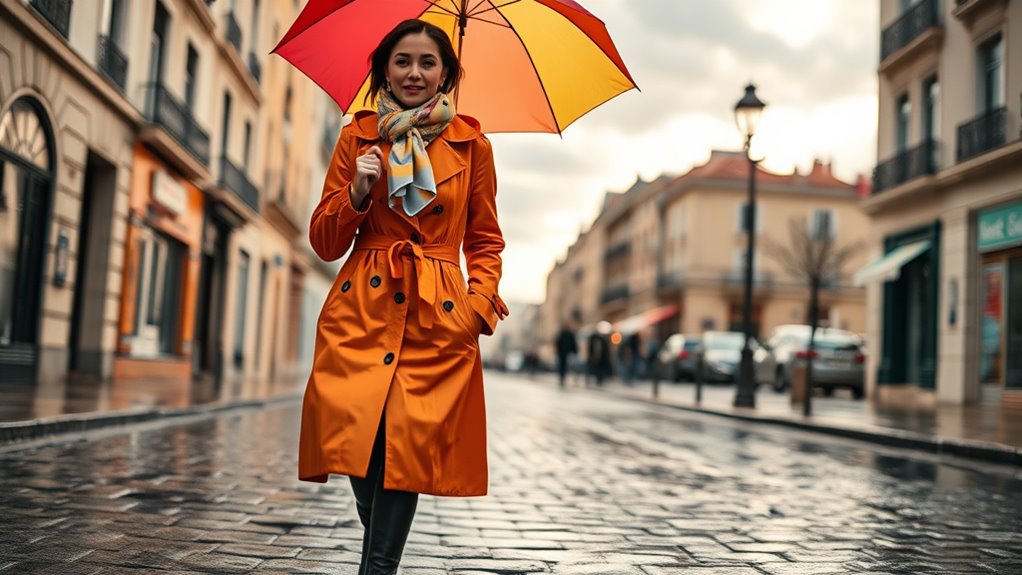
Since scattered showers are common in France during March, packing reliable waterproof gear is essential to stay dry and comfortable. A compact, lightweight umbrella is your best friend for quick rain showers, fitting easily into your bag. Invest in a waterproof jacket or a raincoat with a breathable membrane to keep you dry without overheating. Consider waterproof shoes or boots, especially if you plan to walk a lot; wet feet can ruin your day. A quick-drying, water-resistant backpack or tote helps protect your belongings from unexpected drizzles. Don’t forget to pack moisture-wicking base layers and quick-dry clothes—these will keep you comfortable if you get caught in rain. Being prepared with the right waterproof gear ensures your trip stays enjoyable, no matter the weather. Additionally, choosing high-quality air purifiers can improve indoor air quality, helping you breathe easier during your travels. Proper thermal behavior of your clothing and gear can also help regulate your body temperature in unpredictable weather conditions. Incorporating sound therapy techniques such as calming music or nature sounds can also create a more relaxing environment indoors when the weather is gloomy. Planning ahead for weather-related contingency plans can further enhance your travel experience. Using well-designed flushing mechanisms in accommodations can also help conserve water during your stay.
As an affiliate, we earn on qualifying purchases.
Dressing for Windy Conditions and Brisk Evenings
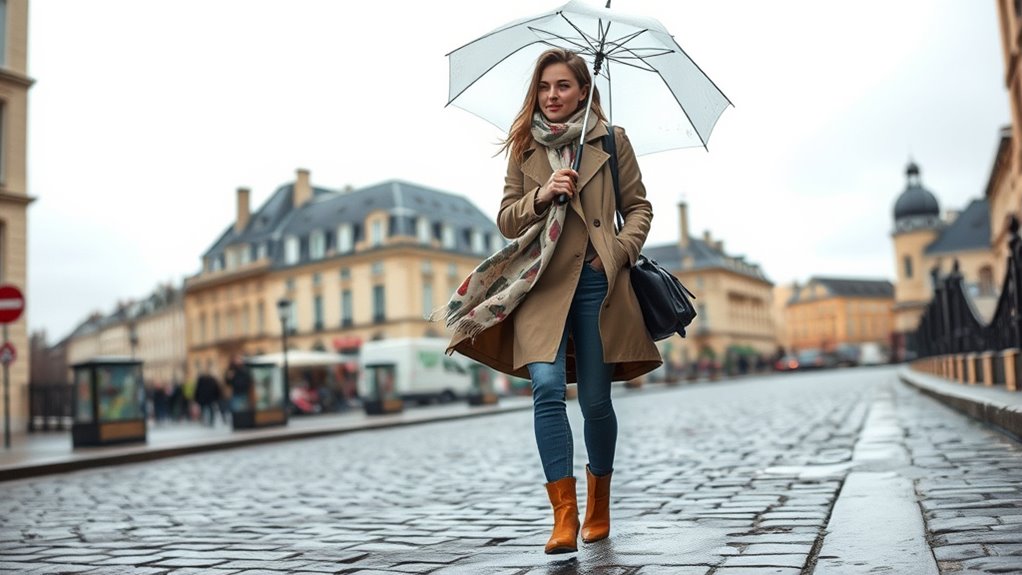
When braving France’s unpredictable spring weather, it’s important to be prepared for breezy evenings and windier days. Wind can chill you quickly, especially after sunset, so pack clothing that blocks the breeze. A wind-resistant jacket or a sturdy coat is essential, along with scarves to shield your neck. Layering is key—wear a thermal base layer under your outfit, so you stay warm without bulk. Additionally, incorporating layering techniques can help you adapt to fluctuating temperatures throughout the day. Proper clothing insulation can make a significant difference in maintaining your comfort during outdoor activities. For added protection, consider using wind-resistant fabrics that can help keep you comfortable in gusty conditions. Wearing clothing made from windproof materials provides an extra barrier against the chill, especially in windy environments. Utilizing seasonal clothing strategies can also help you stay comfortable and prepared when facing unpredictable spring weather. Here’s a quick look at what to prioritize:
Layers That Keep You Comfortable Across Regional Variations
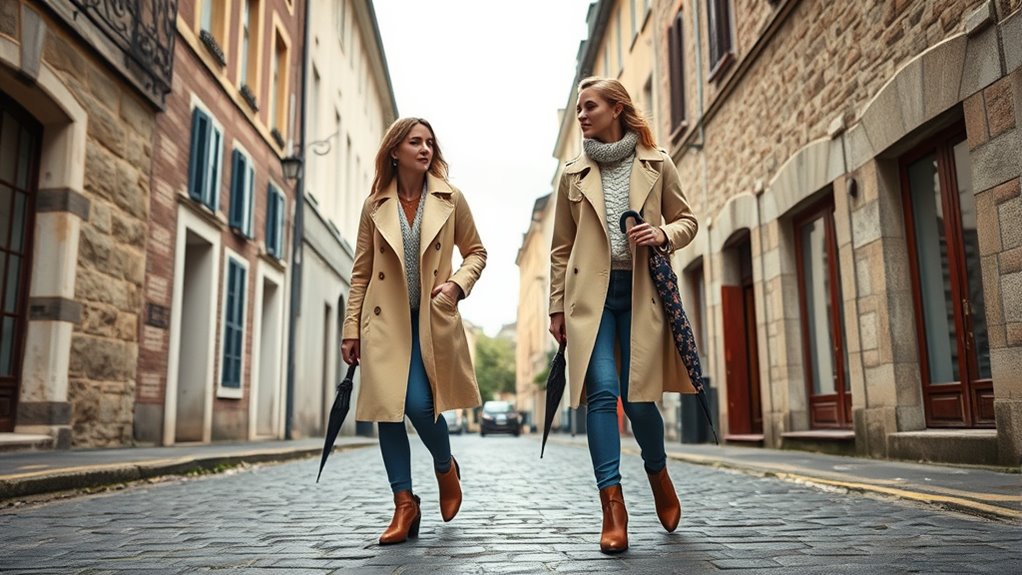
To stay comfortable across France’s diverse regions in March, layering is essential. You’ll want a lightweight base layer to wick moisture and keep you warm during cool mornings. Add a flexible mid-layer, like a sweater or fleece, for insulation as temperatures fluctuate. A waterproof or wind-resistant outer layer is vital for sudden rain or breezes, especially in Paris and the Atlantic coast. In southern regions, lighter layers suffice, but still include a warm top for chilly mornings. For northeastern France, pack thermal underlayers to handle lows around 36°F (2°C) and possible snow. Opt for versatile pieces you can easily add or remove as the weather shifts throughout the day. This approach guarantees you stay comfortable, dry, and adaptable wherever you explore in France.
Sun Protection and Managing Cloud Cover
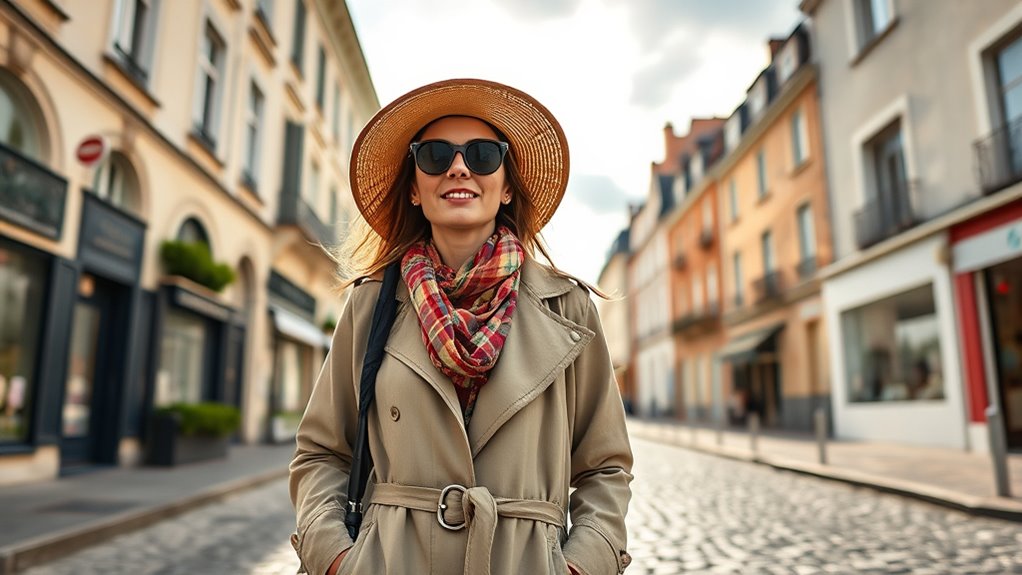
Although March weather in France can be unpredictable with frequent cloud cover, sun protection remains important for your comfort and safety. Even on cloudy days, UV rays can penetrate, risking sunburns and skin damage. Wear a broad-spectrum sunscreen with at least SPF 30, especially if you’re outdoors for extended periods. A wide-brimmed hat or cap offers extra protection for your face and neck. Sunglasses with UV protection shield your eyes from glare and harmful rays. Keep in mind that cloud cover can make it easy to forget about UV exposure, so stay vigilant. When the sun does peek through, take advantage by seeking shaded spots or using a parasol. Managing cloud cover and protecting your skin helps you enjoy your trip without discomfort or health concerns. Incorporating proper filtration in your skincare routine can also enhance your sun protection efforts. Additionally, being aware of UV exposure levels can help you plan your outdoor activities more safely. Remember that UV rays can be harmful even on overcast days, so always prioritize your skin’s safety.
Footwear Tips for Wet and Uneven Surfaces
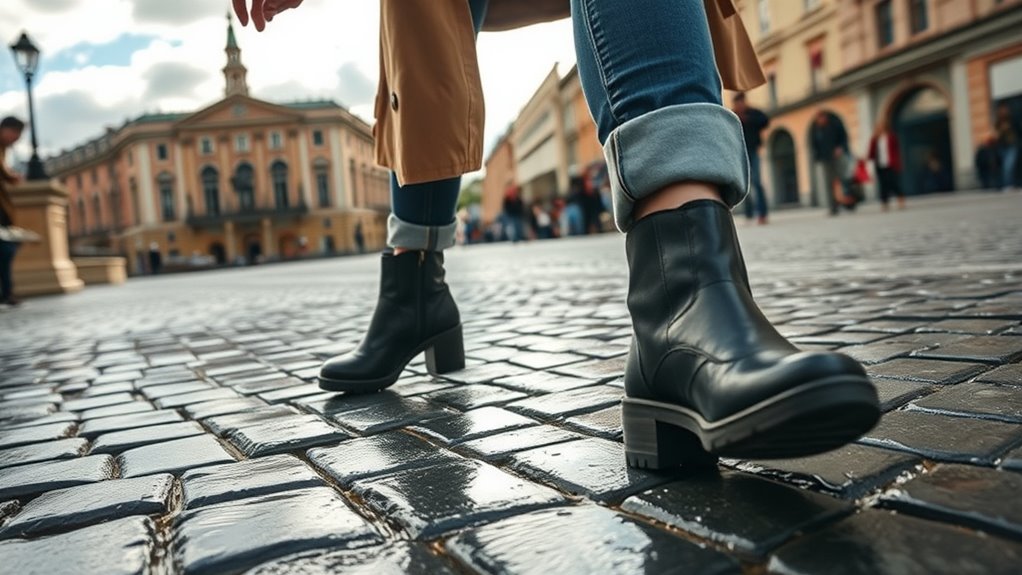
Wet and uneven surfaces are common in France during March, especially with frequent showers and lingering winter conditions. To stay comfortable and safe, choose footwear that provides good traction and protection.
- Opt for waterproof shoes or boots with slip-resistant soles to prevent slipping on wet pavements and cobblestones.
- Consider ankle-high boots for added ankle support and to keep your feet dry in puddles and muddy areas.
- Avoid smooth-soled shoes like dress shoes or sneakers that don’t grip well on slick surfaces.
- Incorporating multi-functional gear such as waterproof insoles or shoe covers can further enhance protection and adaptability in variable weather conditions.
- Selecting footwear with durable soles that are designed for challenging terrains can improve stability and safety on uneven streets.
Ensure your footwear is well-broken-in to avoid blisters, and always carry a compact rain cover or water-resistant spray for extra protection. Proper shoes keep you steady and comfortable as you explore France’s wet and uneven streets.
Packing Smart: Versatile Clothing for Changing Weather
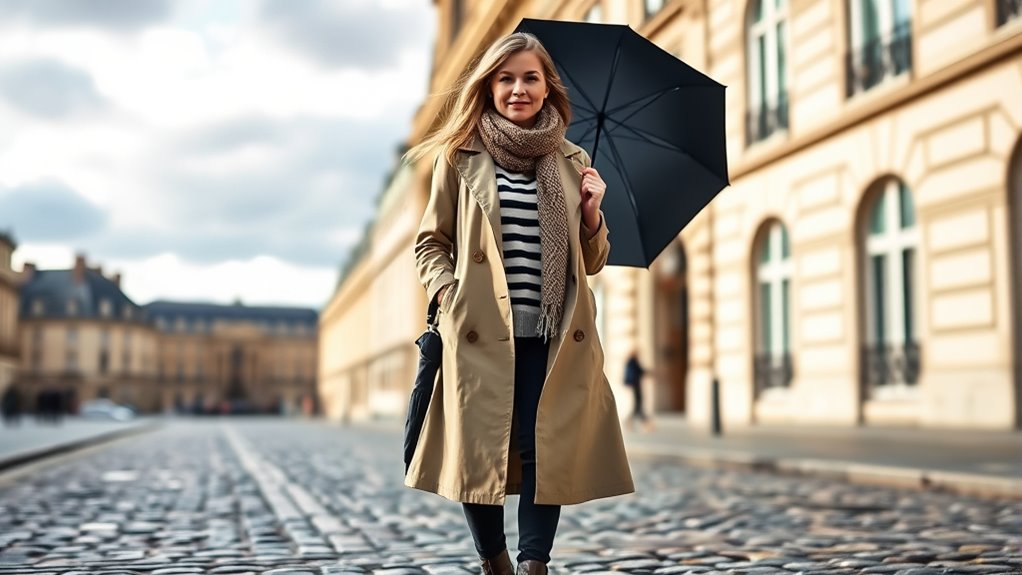
As the weather in France during March can shift quickly from chilly mornings to milder afternoons, packing versatile clothing is essential. Focus on layering pieces like lightweight sweaters, long-sleeve shirts, and breathable T-shirts that you can add or remove as temperatures change. A waterproof jacket or raincoat is a must for unexpected showers, while a wind-resistant layer helps combat brisk breezes. Pack a pair of comfortable pants suitable for both cool and mild weather, along with a few versatile skirts or shorts if you’re heading south. Don’t forget thermal base layers for cooler regions like northeastern France. By choosing adaptable clothing, you can stay comfortable regardless of the weather’s unpredictability, making your trip more enjoyable and stress-free.
Accessories to Enhance Your Comfort and Style
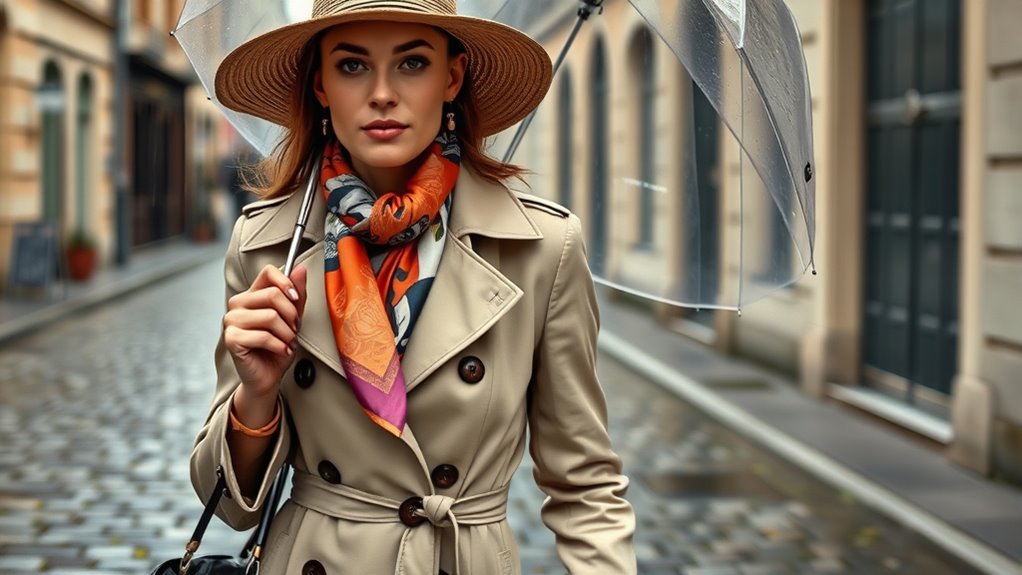
Adding the right accessories can make a big difference in staying comfortable and stylish during March’s variable weather. First, a compact umbrella is essential—you’ll encounter scattered showers, and it keeps you dry without bulk. Second, a stylish scarf adds warmth and elevates your outfit, especially on chilly mornings or breezy evenings. Third, don’t forget a versatile hat or beanie; it shields you from wind and adds a chic touch. These accessories not only boost your comfort but also add personality to your look. Opt for neutral tones that match multiple outfits or bold colors to stand out. With these thoughtful additions, you’ll stay cozy and fashionable, no matter if the skies are clear or overcast.
Planning Outfits for Day Trips and City Tours
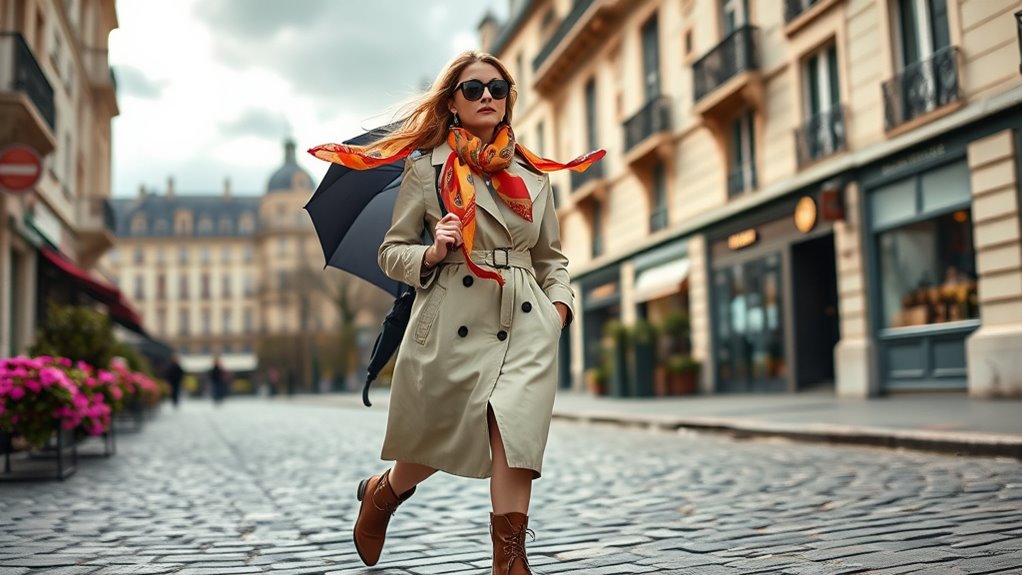
When planning your outfits for day trips and city tours, focus on layering to stay comfortable as temperatures fluctuate. Opt for versatile footwear that can handle cobblestone streets and occasional rain without sacrificing style. By choosing adaptable pieces, you’ll be ready for the changing weather and busy sightseeing schedules.
Layering for Comfort
Planning your outfits for day trips and city tours in France in March requires a practical approach to layering. Start with a moisture-wicking base layer to keep you dry and comfortable. Add a mid-layer, like a fleece or light sweater, for insulation against cool temperatures. Top it off with a waterproof or wind-resistant outer layer to protect against rain and wind.
Here are three key items to focus on:
- A lightweight, packable rain jacket or umbrella for sudden showers.
- Wool or thermal base layers for chilly mornings and evenings.
- A versatile, windproof jacket that can be easily removed as the day warms up.
This layering system keeps you adaptable to changing weather, ensuring comfort during your city explorations.
Choosing Versatile Footwear
Choosing versatile footwear is essential for comfortable city touring and day trips in France during March, when weather can vary throughout the day. You’ll want shoes that can handle rain, wind, and occasional mud, so opt for waterproof or water-resistant options like sturdy sneakers or ankle boots. Comfort is key, so select footwear with good support, especially if you plan to walk a lot. Slip-resistant soles help on slick surfaces, while closed-toe shoes protect against chilly winds. Consider packing a pair that balances style and practicality, so you’re prepared for both sightseeing and casual dining. Avoid overly delicate shoes that might get damaged or uncomfortable in unpredictable weather. With versatile footwear, you’ll stay comfortable, dry, and ready for anything March in France throws your way.
Frequently Asked Questions
How Should I Adjust My Wardrobe for Unexpected Temperature Drops?
You should pack warm layers like thermal shirts, sweaters, and a good insulated jacket. Make sure to bring a windproof and waterproof outer layer, such as a raincoat, to handle sudden drops in temperature and unexpected showers. Keep versatile clothing that you can add or remove easily. Don’t forget cozy accessories like hats, gloves, and scarves to stay warm during chilly mornings and evenings.
What Are the Best Fabrics for Fluctuating Weather Conditions in March?
You should choose fabrics that adapt well to changing temperatures and weather. Opt for lightweight, breathable materials like cotton or linen for milder afternoons, and layer with wool or thermal fabrics for chilly mornings and evenings. Waterproof or water-resistant fabrics, such as nylon or polyester, are essential for rain protection. Mix and match these materials to stay comfortable, dry, and prepared for unpredictable March weather in France.
How Can I Stay Comfortable During Sudden Rain Showers?
You can stay dry during sudden rain showers by always carrying a compact umbrella or a lightweight raincoat. It’s tempting to ignore the clouds, but a quick grab keeps you comfortable and dry, no matter how unpredictable the weather. Layer your clothing so you can peel off wet outer layers and stay cozy underneath. Embrace the showers—they’re brief, and with the right gear, you’ll enjoy your day without getting soaked.
Which Accessories Are Essential for Variable Wind and Sun Exposure?
You should bring a wide-brimmed hat or cap to shield your face from sun exposure and prevent glare. Pair it with sunglasses to protect your eyes from UV rays. A lightweight scarf can help block the wind and add extra warmth if needed. Consider a compact, wind-resistant umbrella or a foldable raincoat for sudden gusts or showers. These accessories keep you comfortable and prepared for variable wind and sun levels.
How Do Regional Climate Differences Affect Daily Outfit Choices?
You should adapt your outfits based on regional climate differences. In northern and western France, expect more frequent showers and wind, so pack waterproof layers and wind-resistant clothing. In southern France, warmer afternoons mean lighter layers, but still carry a raincoat. For northeastern areas, prepare for colder lows and possible snow by including thermal wear. Always layer up, and bring versatile pieces to stay comfortable across varying temperatures and weather conditions.
Conclusion
So, are you ready to pack smart and stay comfortable no matter what the weather throws your way in France? With the right layers, waterproof gear, and versatile accessories, you’ll be set for rain, wind, or shine. Just remember, dressing in adaptable pieces means you can enjoy your adventures without fuss. Why let unpredictable weather hold you back when you can be prepared and stylish all trip long?
Fall Picks
fall essentials
As an affiliate, we earn on qualifying purchases.