To stay warm in Europe’s winter without overpacking, focus on layering versatile pieces: moisture-wicking base layers, lightweight mid-layers, and insulated outer shells. Choose waterproof boots, warm socks, and stylish accessories like hats and scarves to add warmth and style. Pack a few bottoms—jeans, thermal leggings, or fleece-lined options—that mix and match effortlessly. Maximize space with compressible clothing and switch shoes for different occasions. If you keep exploring, you’ll discover tips to adapt comfortably across regions and seasons.
Key Takeaways
- Layer versatile, lightweight clothing such as merino base layers, mid-layers, and waterproof outer shells for adaptability and warmth.
- Pack 2–3 pairs of bottoms and 3–4 tops, mixing and matching to create multiple outfits while minimizing luggage.
- Choose waterproof, insulated footwear with moisture-wicking socks and add accessories like hats, gloves, and scarves for extra warmth.
- Use packing techniques like rolling and compression bags to maximize space and wear bulky items during travel to save luggage weight.
- Include multi-use accessories and switch shoes for day-to-night styling to reduce overpacking while staying stylish and comfortable.
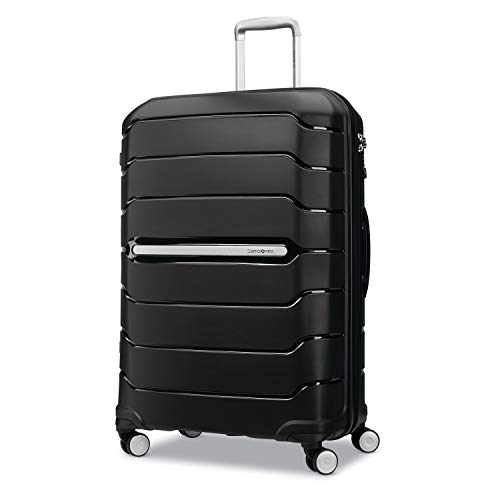
Samsonite Freeform Large Checked Luggage with Dual 360° Spinner Wheels - TSA Lock, Airline-Approved - Lightweight Durable Polypropylene Expandable Hardshell - Black
Durable & Stylish: This large checked spinner luggage features a scratch-resistant Polypropylene hardshell, measuring 31.1" x 20.9" x...
As an affiliate, we earn on qualifying purchases.
Layering Strategies for European Winter Travel
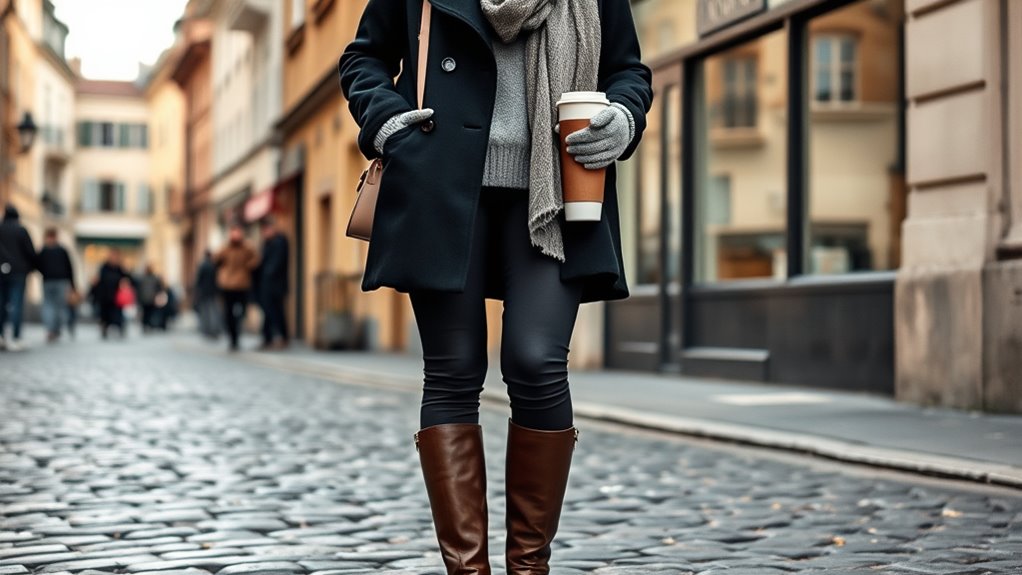
Layering is essential for staying comfortable and adaptable during European winter travel. You want to build your outfit from the inside out, starting with a moisture-wicking base layer like merino wool or synthetic thermal tops and leggings. These keep you dry and warm without adding bulk. Over that, add a lightweight mid-layer such as a fleece or thin wool sweater to trap heat while remaining packable for day-to-night versatility. For extra warmth, pack a compressible puffer jacket with a high fill rating—perfect for very cold days. Your outer shell should be waterproof and windproof, ideally with breathable membranes like Gore‑Tex. Keep your layers mix-and-matchable—3–4 tops and 2–3 bottoms—so you can create multiple outfits while minimizing luggage weight. Wear the bulkiest layer during transit to save space.

Traveler's Choice Pagosa Hardshell Expandable Luggage with Spinner Wheels, Black, 22-Inch Carry-on
Impact Resistant: Durable polypropylene hardshell that’s abrasion-, scratch-, and water-resistant. Expansion gusset provide up to 2" to make...
As an affiliate, we earn on qualifying purchases.
Essential Footwear and Sock Choices for Cold Climates
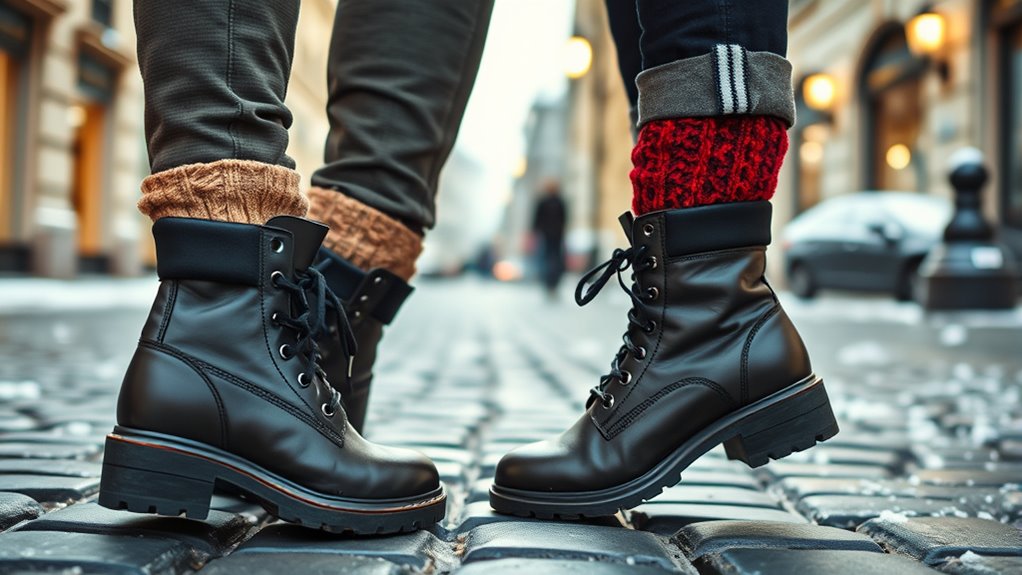
Your footwear choices should prioritize warm, waterproof boots with good traction to handle snow and icy sidewalks. Selecting merino or wool socks in multiple pairs guarantees your feet stay dry and comfortable in cold weather, especially when layering for extreme temperatures. Consider bringing additional accessories like insoles, microspikes, or gaiters to improve grip and protection during winter conditions. Incorporating essential oils for respiratory health into your routine can help soothe any breathing difficulties caused by cold air. Additionally, choosing footwear crafted by haute couture designers ensures both style and durability, even in challenging winter environments. Remember that vetted products and trusted brands can ensure durability and effectiveness in harsh winter environments. Utilizing proper layering techniques for your clothing can further enhance warmth without overpacking.
Choosing Warm, Waterproof Boots
Choosing the right waterproof boots is essential for staying comfortable and safe in Europe’s winter conditions. Look for boots that are insulated, waterproof, and have a sturdy rubber lug sole for good traction on snow, ice, and slippery cobblestones. Mid-calf or ankle height is ideal, providing protection without bulk. Prioritize boots with breathable membranes like Gore‑Tex to keep your feet dry and prevent overheating. Consider insoles for extra warmth and grip, especially in icy regions. Pack a waterproofing spray to maintain their water resistance. Wear thick merino wool or thermal socks to insulate and wick moisture away from your skin. Avoid cotton socks, which trap moisture and can lead to cold feet. Well-chosen boots keep your feet warm, dry, and secure during winter adventures across Europe. Incorporating innovative European cloud solutions can also help you stay connected and organized during your travels. To prevent discomfort and piercing infections, ensure your footwear and socks do not cause excessive pressure or irritation around new piercings.
Sock Material and Quantity
Wearing the right sock material is essential for keeping your feet warm, dry, and comfortable during Europe’s cold winter months. Opt for merino wool or thick wool blends over cotton, as they wick moisture away and retain heat even when damp. Bring 2–4 pairs of socks, including 1–2 thermal options for especially cold days, to ensure you always have dry, warm feet. Avoid cotton socks, which trap moisture and can make your feet feel colder. Pack a couple of lightweight, moisture-wicking socks for everyday wear and thermal or insulated socks for outdoor activities in snow or freezing temperatures. Consider layering thin socks under thicker ones if needed. Proper sock choice helps prevent blisters and keeps your feet comfortable during long walks or outdoor adventures.
Additional Footwear and Accessories
To stay warm and secure in Europe’s cold winter conditions, selecting the right footwear and accessories is essential. Your footwear should include:
- A pair of waterproof, insulated ankle or mid-calf boots with good traction for snow, slush, and cobblestones.
- A foldable, stylish dress shoe or shoe suitable for indoor outings or cultural sites.
- Merino wool or thermal socks (2–4 pairs), including thick options for very cold days.
- Insoles and microspikes or crampon grips for icy walks, plus waterproofing spray and quick-dry liners to extend wear.
- Choosing footwear with color accuracy and proper contrast can help you better assess icy conditions and avoid slips. Being aware of winter footwear technology can also improve your overall safety and comfort. Additionally, selecting footwear with insulation properties designed for winter can make a significant difference in keeping your feet warm. Incorporating advanced sole designs can enhance grip and stability on icy surfaces, further reducing the risk of falls. Considering proper fit and sizing will ensure comfort and prevent blisters during extended wear.
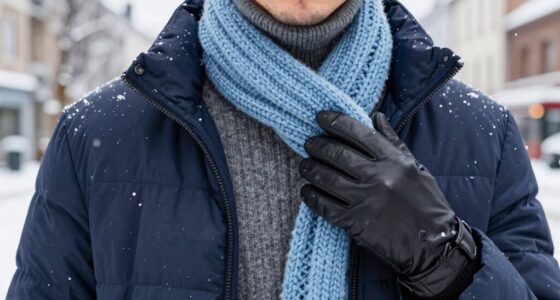
Accessories like an insulating hat, scarf, touchscreen gloves, and a lightweight packable rain shell complete your winter gear. These choices keep you comfortable while minimizing bulk.

Samsonite Freeform Hardside Carry-On Luggage with Spinner Wheels - Hardshell Suitcase - TSA, Airline-Approved - Expandable Hard Shell, Smooth Rolling Wheels for Lightweight Travel – Black
The Perfect Size: The textured, scratch-resistant exterior of this hardshell carry-on luggage is 15 x 10 x 23...
As an affiliate, we earn on qualifying purchases.
Packing Versatile Bottoms and Leggings for Varying Temperatures
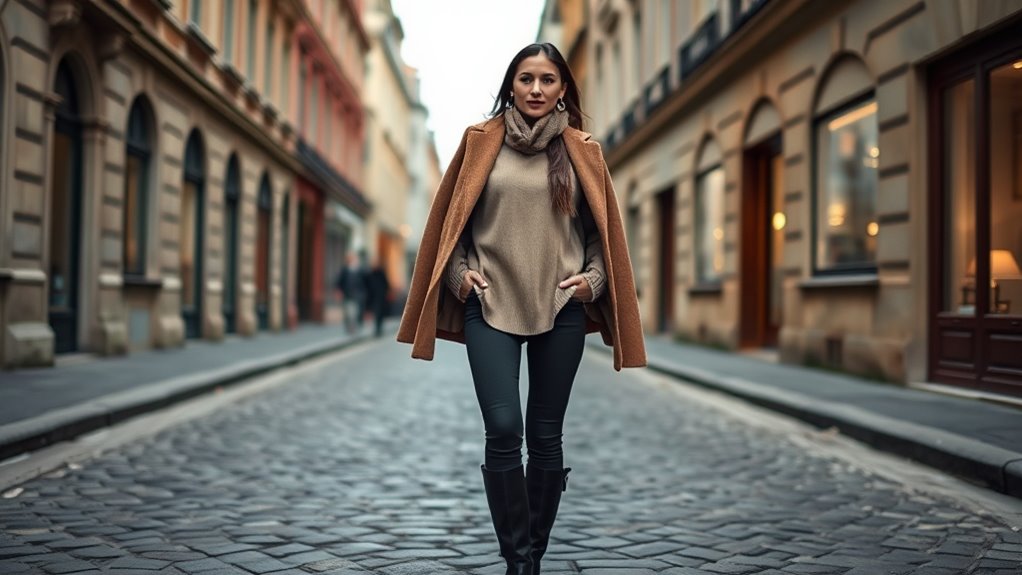
Layering versatile bottoms and leggings allows you to adapt easily to varying winter temperatures across Europe. You can combine different pieces to suit cold mornings, milder afternoons, or indoor warmth. Opt for thermal leggings or long johns under your pants for extra insulation. Pack two to three pairs of everyday pants, such as jeans and travel trousers, that can be layered or worn alone. Consider insulated or fleece-lined leggings for very cold days or as loungewear. Use layering techniques to create multiple outfits with fewer items. Incorporating smart layering methods can maximize warmth and outfit options while minimizing packing bulk. Incorporating clothing insulation principles can further enhance your comfort in fluctuating temperatures, especially by selecting appropriate fabrics that retain heat without adding bulk. Utilizing moisture-wicking fabrics can also help keep you dry and warm during active outings.

Travelpro Platinum Elite Softside Expandable Checked Luggage, 8 Wheel Spinner Suitcase, TSA Lock, Men and Women, Bordeaux Red, Checked Medium 25-Inch
EFFORTLESS MOBILITY: The Patented Precision Glide System with magnetic self-aligning 360° dual spinner wheels, adjustable 4-stop PowerScope extension...
As an affiliate, we earn on qualifying purchases.
Must-Have Accessories to Stay Warm and Protected
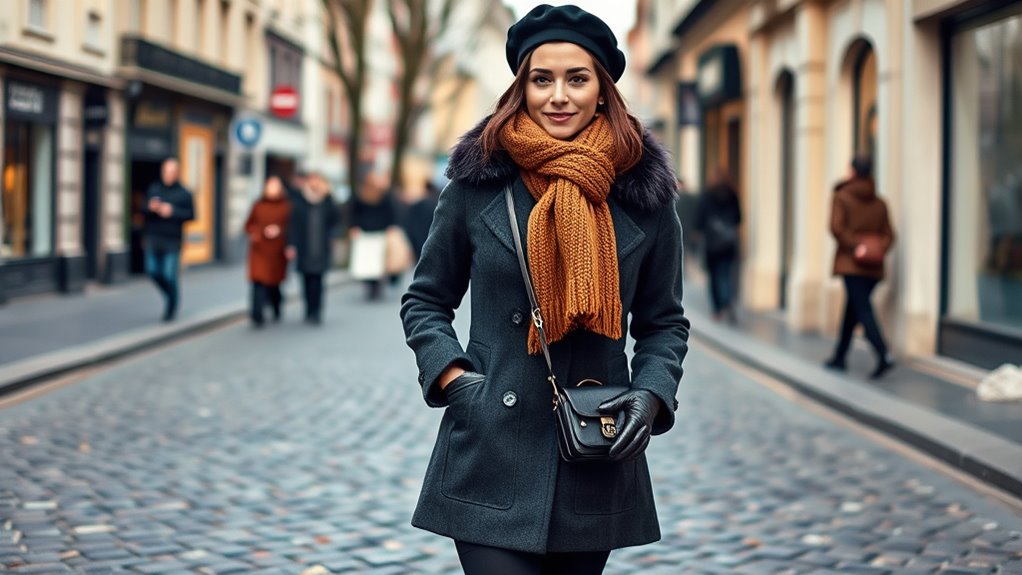
To stay warm and protected, you need the right accessories that complement your layering system. Insulating hats, scarves, and gloves can make a big difference in harsh weather, while waterproof covers keep you dry during rain or snow. Packing versatile, lightweight items guarantees you’re prepared for changing conditions without overloading your luggage. Incorporating proper gear selection ensures your clothing system remains effective across various winter environments.
Layering Essentials for Warmth
Staying warm in Europe’s winter demands essential accessories that protect you against cold, wind, and snow. Layering is key to staying comfortable and versatile. To optimize your wardrobe, focus on these essentials:
- Base layers: Merino wool or synthetic tops and leggings wick moisture and insulate, so pack 1–2 sets.
- Mid layers: Lightweight fleece or wool sweaters trap heat without bulk, perfect for day-to-night changes.
- Insulating layer: A compressible down or synthetic puffer provides high warmth-to-weight ratio for cold days.
- Outer shell: Waterproof, windproof jackets with breathable membranes shield you from the elements.
In addition, choosing appropriate fabrics can significantly enhance your comfort and longevity of your clothing in cold conditions.
Mix and match 3–4 tops and 2–3 bottoms to create multiple outfits, keeping your luggage light while staying warm and adaptable.
Weather Protection Accessories
Weather protection accessories are essential for maintaining comfort and safety during winter adventures across Europe. They shield you from wind, rain, and snow, ensuring you stay dry and warm. A compact umbrella and lightweight packable shell are versatile for sudden weather changes. Gloves, a hat, and scarves protect exposed skin from cold, wind, and frostbite. Consider touchscreen gloves for convenience. Gaiters or waterproof overboots can prevent moisture from seeping in during snow or slush. Additionally, choosing appropriate layering can significantly enhance your warmth and adaptability in fluctuating winter conditions. Proper insulation techniques are crucial for retaining body heat in cold environments. Using high-quality winter clothing can further improve your comfort and protection against harsh weather. As the demand for skilled professionals in AI cybersecurity continues to grow, staying prepared with the right gear can help you enjoy your trip without worry. Developing weather resilience strategies can further optimize your comfort and safety during unpredictable winter weather.
Selecting Travel-Friendly Garments for Different Regions
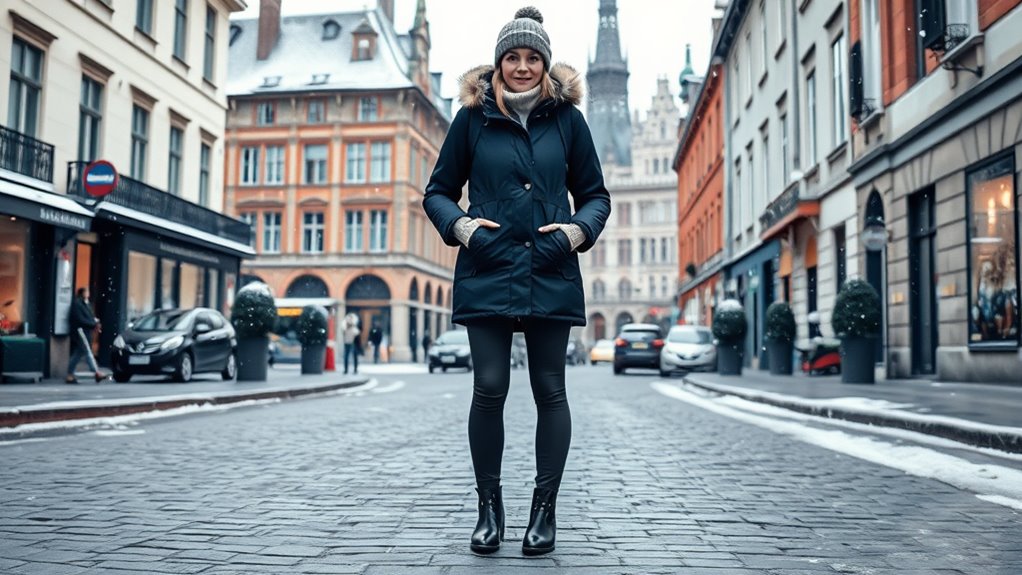
When selecting travel-friendly garments for different European regions, it’s essential to tailor your clothing choices to the specific climate and activities you’ll encounter. To do this effectively, consider these key points:
- Northern Europe: Pack extra insulating layers, a warm puffer, and waterproof footwear rated for subzero temps. Techniques like visual and auditory cues can aid in recognizing suitable clothing layers for cold weather. Additionally, Jack can be a helpful reminder that layering is key to managing fluctuating temperatures and staying comfortable throughout the day. Incorporating proper ventilation considerations can also help prevent moisture buildup and improve overall comfort.
- Central/Eastern Europe: Include thermal base layers, a puffer jacket, and a waterproof shell for temperatures often below freezing. Consistent practice in layering can improve your ability to adapt to fluctuating winter conditions.
- Southern Europe: Opt for lighter mid-layers and a warm coat for evenings, as winters tend to be milder and less wet. Incorporating moisture-wicking fabrics can help regulate body temperature during less intense outings.
- Alpine regions: Bring ski-specific gear like waterproof pants and technical layers, or plan to rent bulky equipment locally. Auditory processing techniques can help you better understand weather forecasts and equipment instructions in noisy environments. Also, selecting garments made from moisture-wicking fabrics can help regulate body temperature and keep you comfortable during active outings.
Matching garments to each region’s climate helps you stay comfortable while keeping your luggage light.
Tips for Maximizing Space With Compressible Clothing
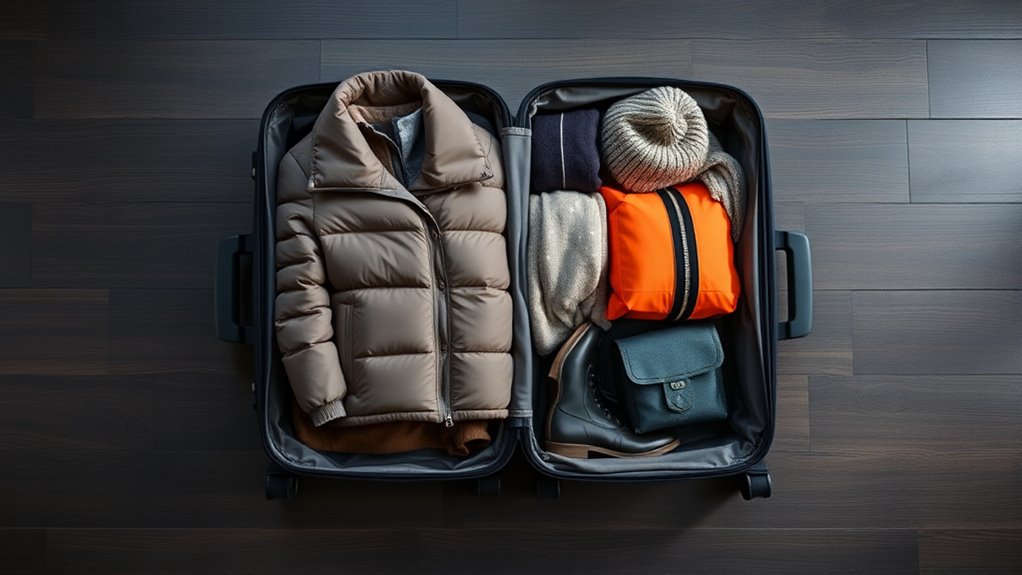
Maximizing space with compressible clothing starts with choosing lightweight, packable materials like down, merino wool, and technical synthetics that naturally fold into small volumes. Focus on versatile pieces that layer well and can serve multiple functions. Roll your clothing tightly rather than folding to reduce bulk, and utilize compression bags or vacuum-seal storage for extra space-saving. Wear your bulkiest items during travel—like puffer jackets or thick sweaters—to free up room in your luggage. Use the table below for quick reference on packing strategies:
| Packing Technique | Clothing Type |
|---|---|
| Roll garments | T-shirts, leggings |
| Use compression bags | Puffer jackets, sweaters |
| Wear bulky items | Boots, coats |
| Choose multi-use items | Scarves, convertible pieces |
Adapting Your Wardrobe for Northern, Central, and Southern Europe
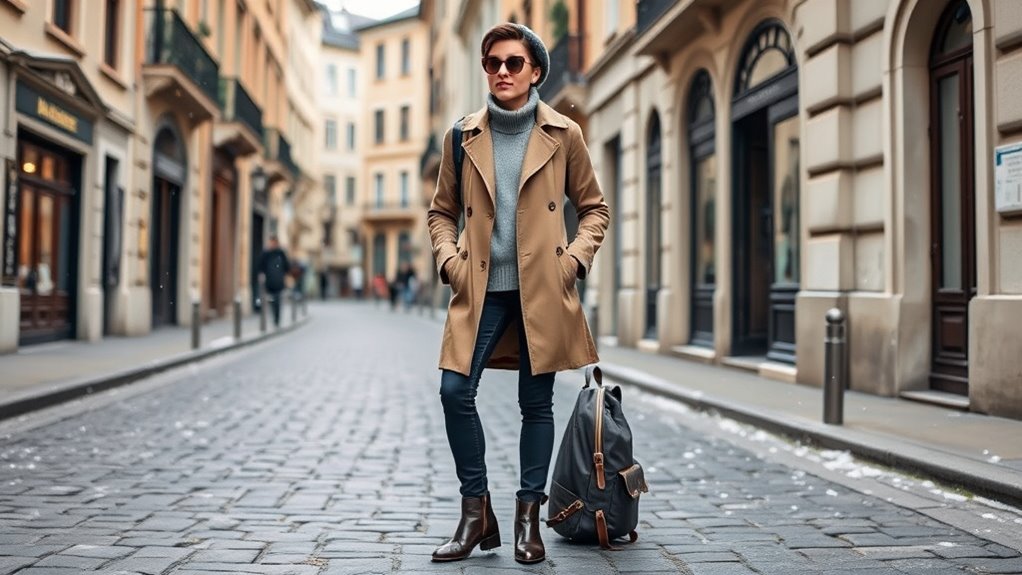
Adapting your wardrobe to different European regions guarantees you’re prepared for the varying winter conditions. Northern Europe, with its subzero temperatures, calls for extra insulation, like additional base layers and waterproof boots rated for cold. Central Europe often experiences freezing temperatures, so include thermal base layers, a puffer, and a waterproof shell. Southern Europe enjoys milder winters, requiring fewer layers—think a light mid-layer and a warm coat for chilly evenings. To optimize your wardrobe, consider these tips:
- Pack 1–2 extra insulating layers for colder regions.
- Use versatile base layers suitable for different climates.
- Choose lightweight, packable outer shells for layering.
- Adjust clothing quantity based on regional weather, minimizing bulk while staying warm.
Managing Clothing for Day-to-Night Transitions
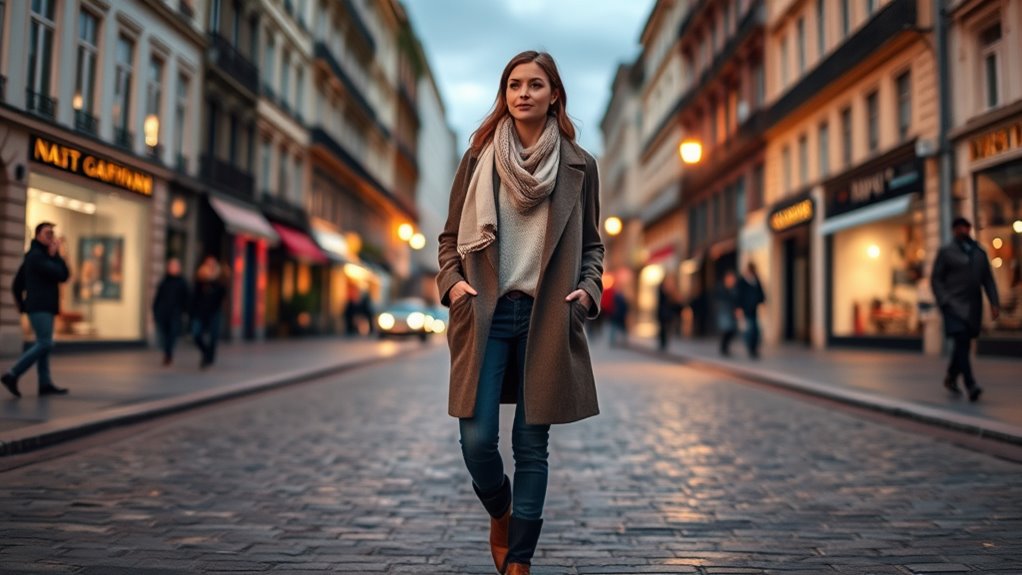
Having your wardrobe ready for varying European winter conditions means being able to shift seamlessly from daytime activities to evening outings. To do this, start with versatile layers. Keep your mid-layer or a stylish sweater handy that can elevate your look without adding bulk. A tailored blazer or a chic scarf can instantly dress up your outfit when the sun sets. Swap your daytime casual shoes for a more refined pair, such as foldable flats or sleek ankle boots. Use accessories like statement jewelry or a fashionable hat to add flair. Keep your outer layer simple but functional—remove your waterproof shell if indoors or in a cozy restaurant. Packing a few easy-to-add items ensures your look remains polished, comfortable, and adaptable for any evening plan.
Practical Laundry Tips to Reduce Packing Load
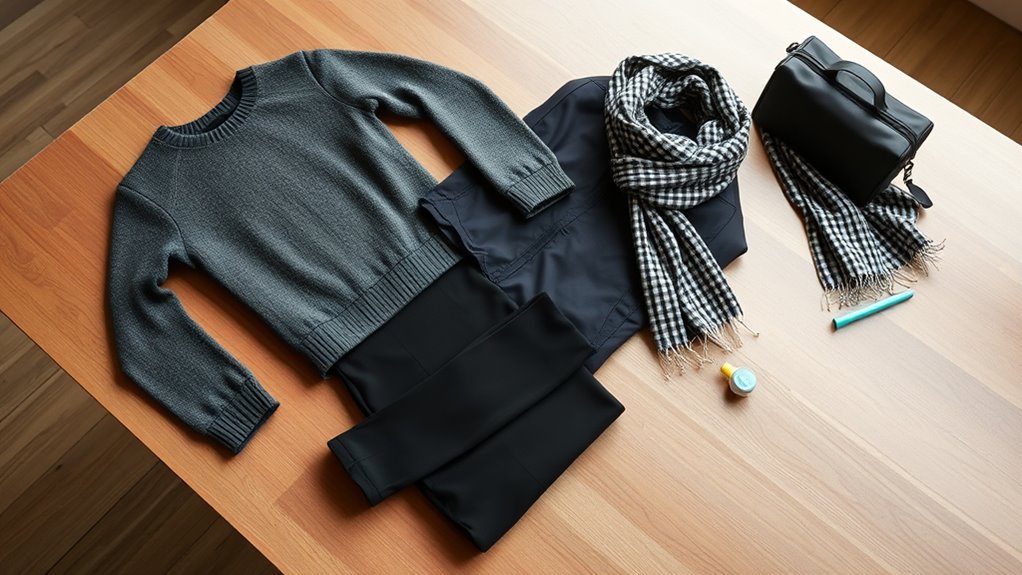
To lighten your packing load, planning for regular laundry during your trip is essential. Doing so allows you to carry fewer clothes and stay fresh. Here are four practical tips:
- Pack quick-drying fabrics: Merino wool and synthetic blends dry rapidly, making it easy to wash and wear again within a day.
- Use laundromats or sink washing: Locate laundromats or simply wash clothes in your accommodation’s sink, then hang to dry overnight.
- Rotate your wardrobe: Wear versatile pieces multiple times, washing them in between to keep your luggage light.
- Plan laundry days: Schedule laundry sessions every 4-5 days to refresh your clothes without overpacking.
Following these tips reduces your load, saves space, and keeps you comfortable throughout your trip.
Frequently Asked Questions
How Can I Stay Warm Without Packing Bulky Winter Coats?
You can stay warm without packing bulky coats by layering smartly. Wear a moisture-wicking base layer, add a lightweight mid-layer like fleece, and pack a high-quality, compressible puffer for insulation. Top it with a waterproof, windproof outer shell for weather protection. Wear your bulkiest layer during transit and outdoor activities, and keep a hat, scarf, and gloves handy. This combo keeps you warm, versatile, and space-efficient.
What Are the Best Moisture-Wicking Base Layers for Travel?
Your base layer choice can make or break your comfort during winter travels. Opt for high-quality merino wool or technical synthetics—they wick moisture like a miracle, regulate temperature effortlessly, and dry faster than you can blink. These layers keep you dry and warm even in the harshest conditions. Pack 1–2 sets, and you’ll stay cozy, fresh, and odor-free, no matter how long your adventure lasts.
How Do I Prevent Shoes From Smelling During Extended Trips?
To prevent shoes from smelling during extended trips, regularly air them out by removing insoles and letting them dry in a well-ventilated area. Use waterproofing spray and moisture-wicking liners to reduce odor buildup. Rotate between two pairs of shoes to give each pair time to dry completely. Additionally, stuff shoes with dry newspaper or silica packs overnight to absorb moisture and keep them fresh.
Can I Wear My Hiking Boots for City Touring?
Yes, you can wear your hiking boots for city touring, especially if they’re waterproof, comfortable, and provide good traction. Just make sure they’re well-broken-in and clean to avoid discomfort. Wear moisture-wicking socks, and if you’re concerned about style, pair them with versatile outfits like jeans or travel trousers. Carry a smaller, packable shoe for dressier occasions or evenings to mix functionality with city style.
What Accessories Are Essential for Unpredictable Winter Weather?
Think of winter weather as a mischievous chameleon, always changing colors. You’ll need a flexible toolkit to stay prepared. Pack an insulated hat that shields your ears like a fortress, a long scarf to guard your face and neck, and touchscreen gloves for quick adjustments. A compact umbrella and lightweight rain shell act as your loyal shields against rain and snow. Gaiters or waterproof overboots keep your steps sure-footed through unpredictable terrain.
Conclusion
By layering smartly, choosing versatile pieces, and packing efficiently, you’ll stay warm, comfortable, and stylish across Europe’s diverse winter regions. Focus on essentials, adapt your wardrobe for day and night, and embrace compact packing techniques to maximize space. With these strategies, you’ll travel light, feel confident, and enjoy every moment of your winter adventure—without overpacking or sacrificing comfort. Prepare well, pack wisely, and let your European winter journey be seamless and unforgettable.