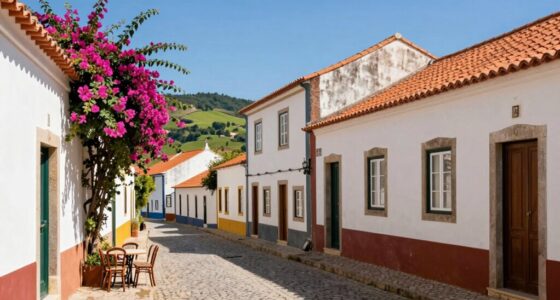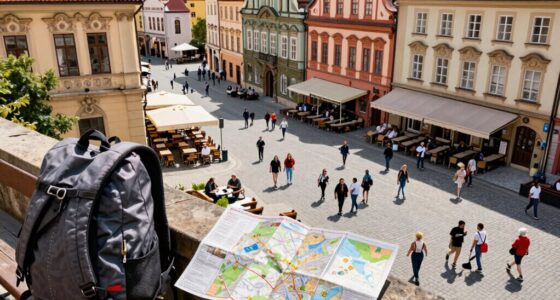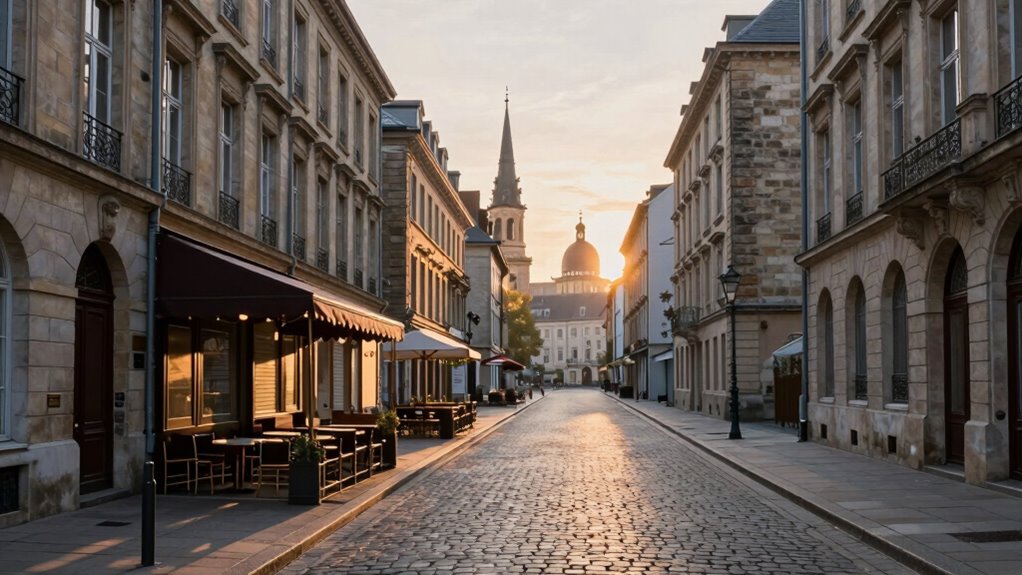

During major holidays like Christmas, Easter, Bastille Day, or Liberation Day, many European cities become particularly quiet as shops close and streets clear. Seasonal closures also happen in off-peak times, especially in tourist areas, offering a peaceful, authentic experience with fewer crowds. These periods let you explore local neighborhoods and traditions more intimately. If you keep exploring, you’ll discover how to make the most of these unique, tranquil moments and truly connect with local culture.

Get travel and outdoor gear delivered free with Prime
- Fast, free delivery on millions of items
- Prime Video, Amazon Music and more included
- Member-only deals all year
Key Takeaways
- Major religious and national holidays like Christmas, Easter, Bastille Day, and Liberation Day often lead to city-wide closures and quiet streets.
- Seasonal closures in tourist hotspots during winter or late summer reduce crowds and showcase authentic local atmospheres.
- Public festivities and traditional services take precedence, causing temporary pauses in business and transportation services.
- Understanding local holiday customs enhances cultural appreciation and helps plan around closures for key experiences.
- Off-peak travel during holidays or seasonal breaks offers a peaceful, immersive opportunity to explore local neighborhoods and traditions.
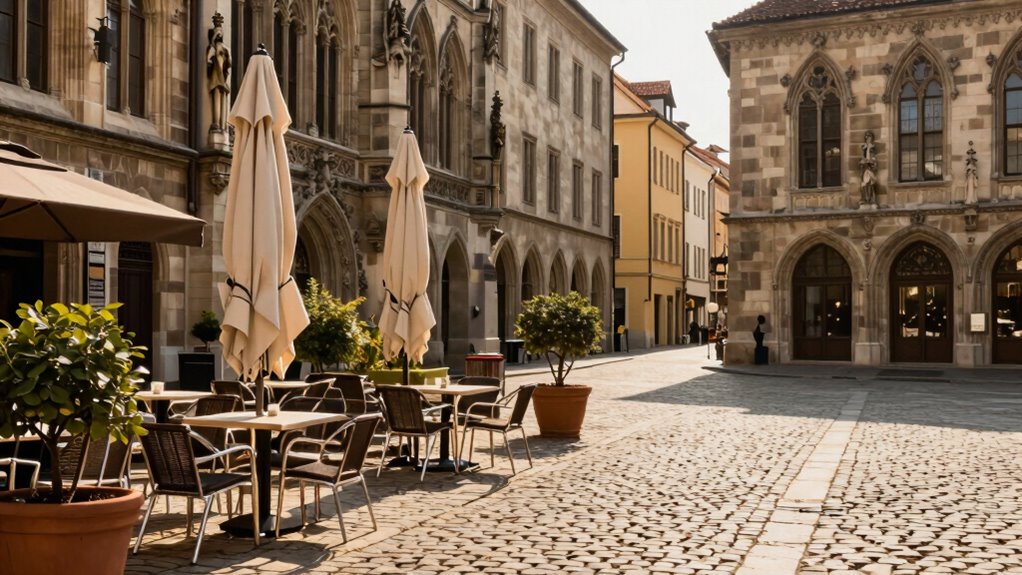
Throughout the year, many European cities experience moments when their usual hustle and bustle come to a complete halt, transforming lively streets into peaceful retreats. These quiet periods often align with local traditions and seasonal closures that shape the rhythm of the city’s life. As a traveler, understanding these times can help you plan visits that offer a more intimate experience, free from crowds and noise. Cities slow down during holidays rooted in local customs, such as religious festivals, national celebrations, or traditional events, which often lead to widespread closures of shops, restaurants, and public services. These closures are not just inconveniences; they are an integral part of local culture, giving you a glimpse into what residents hold dear.
European cities pause their bustle for cultural and seasonal celebrations, offering travelers authentic, quieter glimpses into local traditions and life.
For instance, during major religious holidays like Christmas and Easter, many European cities shut down their businesses, and streets become remarkably quiet. This isn’t just a holiday break; it’s a reflection of long-standing traditions that emphasize family, faith, and community. You’ll notice that during these times, churches are filled with locals participating in traditional services, and public festivities take precedence over commercial activity. It’s a unique opportunity to experience the city’s cultural heart, even if some attractions are temporarily closed. Similarly, national holidays, such as France’s Bastille Day or Italy’s Liberation Day, often bring city life to a standstill, with parades and public ceremonies taking center stage while regular commerce pauses.
Seasonal closures also shape the quietness of European cities, especially in winter or late summer. Many smaller shops and restaurants close for the season, especially in tourist hotspots. During these times, the cities feel more authentic and less commercialized, giving you a chance to explore local neighborhoods without the usual crowds. Keep in mind that some landmarks or museums might shut their doors during these periods, so check ahead to avoid surprises. Additionally, understanding seasonal closures and their impact allows travelers to better plan their itineraries and avoid missing out on key experiences. Recognizing these local customs can enhance your appreciation of the city’s traditions and cultural significance. Sometimes, these closures coincide with off-peak seasons, which means fewer tourists and a more relaxed atmosphere. Moreover, some cities host special events during quieter periods, providing unique opportunities to engage with local culture in an intimate setting.
Furthermore, the seasonal rhythm of a city influences not only closures but also the availability of services and transportation options, which can affect your overall travel plans. However, the tranquility can deliver a more reflective and relaxed experience, allowing you to soak in the architecture, local life, and natural beauty without the usual rush.
In these quiet moments, you get to see a different side of European cities—one rooted in tradition and seasonal rhythms. Embracing these closures and celebrations transforms your trip from a typical sightseeing tour into an authentic cultural journey. Understanding and respecting local customs helps you connect more deeply with the city’s spirit, making your visit memorable in ways that bustling tourist seasons often can’t offer.
European travel guidebooks for off-peak seasons
As an affiliate, we earn on qualifying purchases.
As an affiliate, we earn on qualifying purchases.
Frequently Asked Questions
Which European Cities Experience the Quietest Holidays Annually?
During European holidays, cities like Bruges, Innsbruck, and Salzburg experience the quietest seasons annually. You’ll notice urban tranquility and seasonal stillness as locals retreat and tourists decrease. These cities offer peaceful strolls through historic streets, serene mountain views, and a calm atmosphere that’s perfect for reflection or relaxation. To enjoy this quiet, plan your visit during traditional holidays or off-peak seasons, when these destinations are at their most tranquil.
Are Local Residents Affected by the City Quiet Periods?
During quiet holiday periods, local residents often experience noticeable impacts on city life, like decreased noise, fewer crowds, and slower public services. You might find shops closed or operating on limited hours, which can affect daily routines. While some residents enjoy the tranquility, others may feel the impact of reduced activity or disrupted services. Overall, these quiet periods bring both peacefulness and challenges to city life for residents.
How Do These Quiet Holidays Impact Local Businesses?
Like a silent symphony, quiet holidays test local business resilience. During these times, tourism’s economic impact drops, leaving shops, cafes, and attractions feeling the pinch. You might notice fewer customers and reduced revenue, but some businesses adapt by offering special deals or focusing on local patrons. While these holidays challenge local economies, they also encourage resilience and innovation, helping businesses prepare for busier seasons ahead.
Are There Specific Customs or Traditions During These Quiet Periods?
During these quiet periods, you’ll notice many regions observe specific customs or traditions, often linked to religious observances and cultural festivals. Locals might participate in prayer, processions, or special services, creating a unique atmosphere. Some towns hold traditional music or dance events, while others remain subdued for reflection. As a traveler, respect these customs, dress modestly if needed, and enjoy the chance to experience authentic, serene cultural practices that define these quiet holidays.
How Can Travelers Respectfully Enjoy These Quieter City Experiences?
Think of these quiet cities as hidden gems waiting to be uncovered. To enjoy them respectfully, you should follow local cultural etiquette and be mindful of visitor behavior. Keep noise levels low, avoid rushing through attractions, and show appreciation for local customs. By doing so, you become a respectful guest, allowing the city’s authentic charm to shine through and ensuring your experience remains meaningful and harmonious.
noise-canceling travel headphones
As an affiliate, we earn on qualifying purchases.
As an affiliate, we earn on qualifying purchases.
Conclusion
So, next time you visit Europe during a holiday, embrace the peaceful moments. Imagine strolling through empty streets, where iconic landmarks stand silent but majestic. Yes, it might feel strange at first, missing the usual hustle and bustle. But these quiet cities offer a rare chance to connect deeply with history and culture without the crowds. Don’t miss out—these tranquil escapes let you experience Europe in a whole new, serene light.
compact travel backpacks for city exploration
As an affiliate, we earn on qualifying purchases.
As an affiliate, we earn on qualifying purchases.
As an affiliate, we earn on qualifying purchases.
Halloween Picks
halloween
As an affiliate, we earn on qualifying purchases.