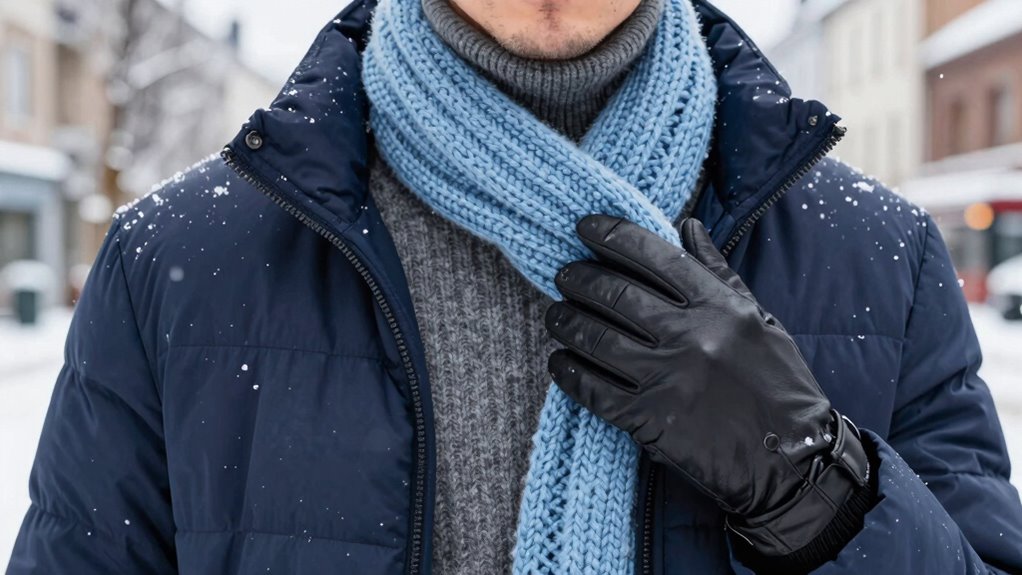

To stay warm during European winters, focus on layering effectively. Start with moisture-wicking base layers made of merino wool or synthetic fabrics to keep sweat away from your skin. Add insulating mid-layers like fleece or down for warmth, and top with waterproof, breathable outer shells to protect from the elements. Adjust your layers based on activity and weather changes for comfort and warmth. Keep exploring for detailed tips on mastering winter layering!
Key Takeaways
- Start with a moisture-wicking base layer to keep sweat away from your skin and prevent dampness.
- Add an insulating mid-layer like fleece or merino wool for warmth without bulk.
- Top with a waterproof, breathable outer layer to protect against wind and rain while allowing moisture to escape.
- Choose durable, quick-drying fabrics suited for active movement and varying winter conditions.
- Adjust and layer up or down based on activity level and changing weather to maintain optimal warmth and comfort.

Merino.tech Merino Wool Base Layer – Mens 100% Merino Wool Long Sleeve Thermal Shirts Heavyweight, Midweight, Lite with Socks (X-Large, Black 250)
Midweight: Mens Merino Base Layer Available in: Lightweight 165 g/m², Midweight 230-250 g/m², Heavyweight 320 g/m² Merino Wool…
As an affiliate, we earn on qualifying purchases.
As an affiliate, we earn on qualifying purchases.
Building a Moisture-Wicking Base Layer for Comfort
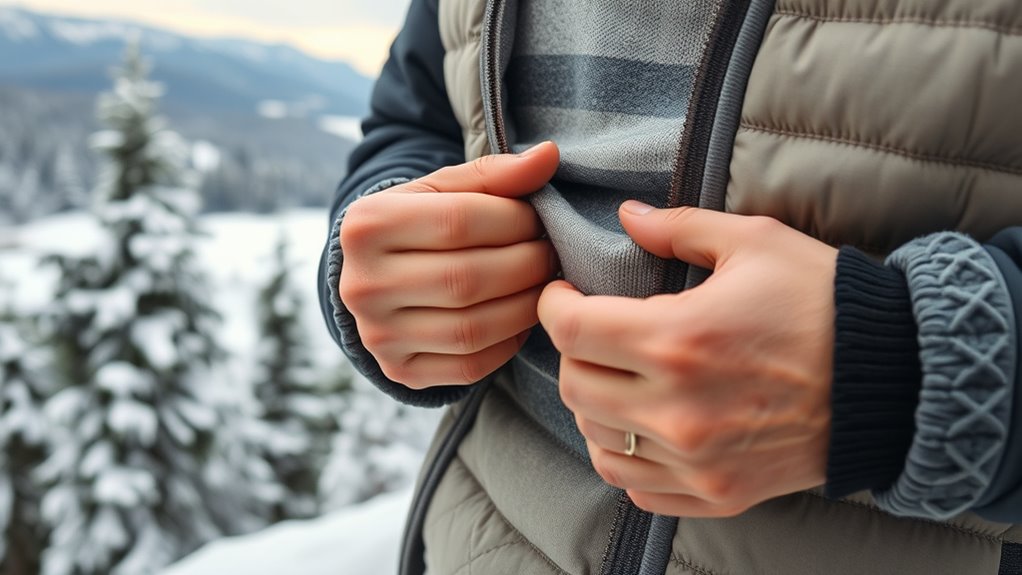
Have you ever felt uncomfortable because your base layer was soaked and cold? That’s because moisture sits against your skin, pulling heat away and making you feel chilled. To stay dry and comfortable, choose a moisture-wicking fabric like merino wool or technical synthetics. These materials draw sweat away from your skin, allowing it to evaporate quickly. Avoid cotton, which retains moisture and leaves you feeling damp and colder over time. For colder conditions, opt for thicker base layers to add warmth, but be mindful not to overheat during active movement. Proper fit is essential—your base layer should hug your body without restricting movement. When you start with a dry, well-chosen base layer, you set a solid foundation for the rest of your winter gear. Using high-quality moisture-wicking fabrics ensures you stay dry longer and enhances your overall comfort in winter conditions. Additionally, selecting breathable materials can help regulate temperature and prevent overheating during intense activity. Incorporating fabrics with moisture management properties can further improve your comfort by actively transporting sweat away from your skin. Being aware of pinball machine weights is also important if you plan to set up gear in a home or outdoor environment, as heavy machines require proper handling and placement to ensure safety and stability. Incorporating climate-adapted textiles can also assist in maintaining optimal body temperature across varying conditions.

Columbia Men's Watertight II Waterproof Rain Jacket, Black, Large
ADVANCED TECHNOLOGY: Columbia Men's Watertight II Jacket is crafted of a waterproof nylon shell durable enough to withstand…
As an affiliate, we earn on qualifying purchases.
As an affiliate, we earn on qualifying purchases.
Selecting Insulating Mid-Layers for Maximum Warmth
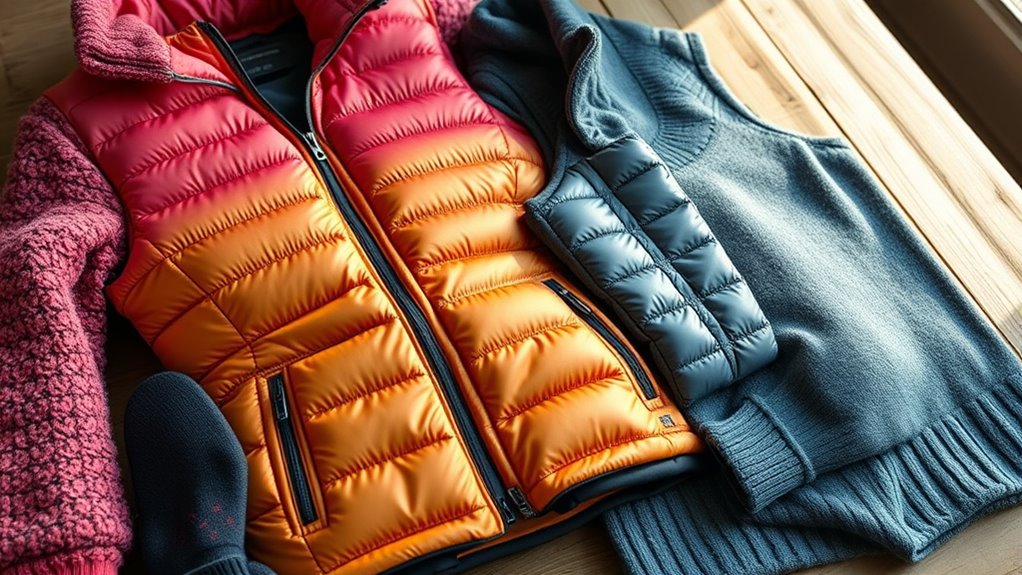
Choosing the right insulating mid-layer is essential for maximizing warmth during cold European winters. It traps heat close to your body, creating a barrier against the cold. Fleece is a popular choice because it offers excellent insulation without adding bulk, and it breathes well to prevent overheating. Synthetic materials, like polyester, are durable and dry quickly, making them practical for damp conditions. Wool, especially merino, retains warmth even when wet, which is a big advantage in unpredictable weather. Lightweight down vests or puffer jackets provide exceptional warmth for their weight but work best in dry conditions. Make sure your mid-layer fits loosely enough to trap air but isn’t restrictive, and consider layering multiple options in extreme cold for added insulation. When choosing your mid-layer, consider the breathability and moisture-wicking properties to stay comfortable during active movement. Additionally, paying attention to the moisture management capabilities of your layers helps prevent sweat buildup that can lead to chills in winter conditions.

CL convallaria Long Johns Thermal Underwear for Men Soft Fleece Lined Base Layer Cold Weather Top Bottom Gift Set Midweight Crew Neck Black Large
Ultimate Warmth and Comfort: Our thermal underwear is designed to keep you warm and comfortable even in the…
As an affiliate, we earn on qualifying purchases.
As an affiliate, we earn on qualifying purchases.
Choosing the Right Outer Layer for Weather Protection

The outer layer acts as your primary defense against the elements, shielding you from wind, rain, and snow while maintaining breathability. You want a waterproof, windproof jacket made from breathable fabrics like polyester with polyurethane coatings. It should fit comfortably over your mid-layers without restricting movement or compressing insulation. Look for features like adjustable cuffs, snow skirts, and ventilation zippers to adapt to changing conditions. Consider a jacket with sealed seams to prevent moisture leaks. For added protection, pick outer layers with hood options, preferably adjustable, to shield your head and neck. Remember, the right outer layer balances waterproofing and breathability, keeping you dry and comfortable without overheating. This helps you stay warm and dry during your winter adventures. Incorporating safe operating procedures when selecting and wearing your gear ensures durability and optimal performance, especially under challenging weather conditions. Additionally, choosing gear with proper maintenance extends its lifespan and maintains its protective qualities. Being aware of industry standards for outdoor gear can also guide you in selecting high-quality, reliable equipment.

MAGCOMSEN Women's White Puffer Vest Lightweight Sleeveless Stand Collar Zip Puffy Jacket Winter Water-Resistant Padded Outerwear Vest S
Ultralight Material: Shell: Pure Nylon; Filling: Pure Polyester. Filled with 160g pure polyester , lightweight, warm and soft,…
As an affiliate, we earn on qualifying purchases.
As an affiliate, we earn on qualifying purchases.
Material Considerations for Optimal Performance and Durability
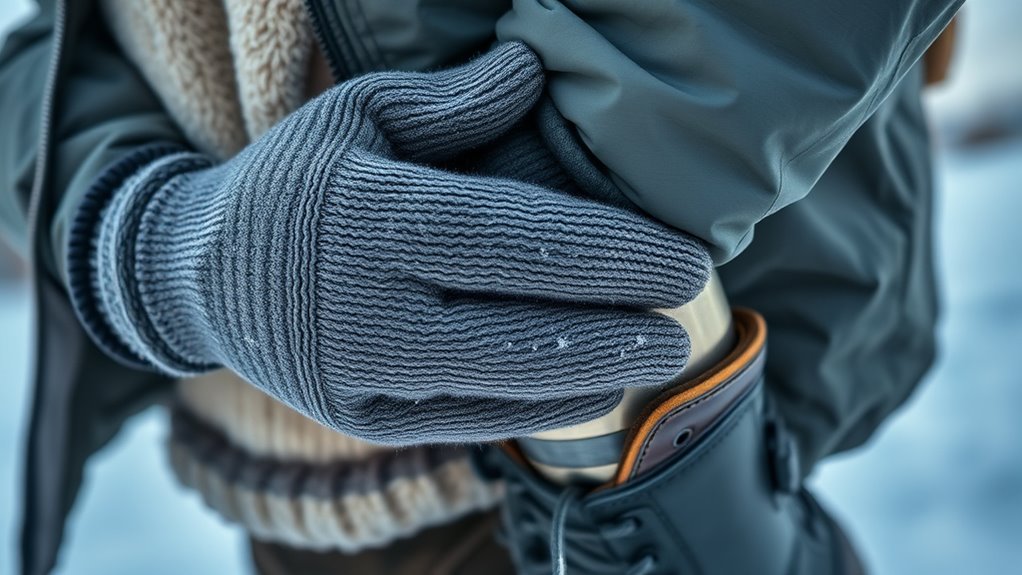
Selecting the right materials is essential for ensuring your layers perform well and withstand harsh winter conditions. Durability and performance depend on choosing fabrics that resist wear, moisture, and cold. Merino wool offers excellent warmth retention and moisture management, even when damp. Technical synthetics dry quickly and are resistant to abrasion, ideal for active days. Avoid cotton, which retains moisture and loses insulation properties. Consider these material properties:
| Material | Durability | Insulation & Moisture | Best For |
|---|---|---|---|
| Merino Wool | High | Excellent, retains warmth when wet | Base layers, socks |
| Synthetic Fibers | Very durable, resistant to tearing | Quick-drying, moisture-wicking | Mid-layers, outer shells |
| Down | Light, compressible | Poor when wet, loses insulating power | Insulation in dry conditions |
| Fleece | Moderate, durable | Good moisture transfer | Mid-layers |
Choosing the right combination optimizes warmth, longevity, and comfort. Additionally, selecting appropriate fabrics can significantly enhance your winter layering system.
Adapting Your Layers for Changing Conditions and Activities
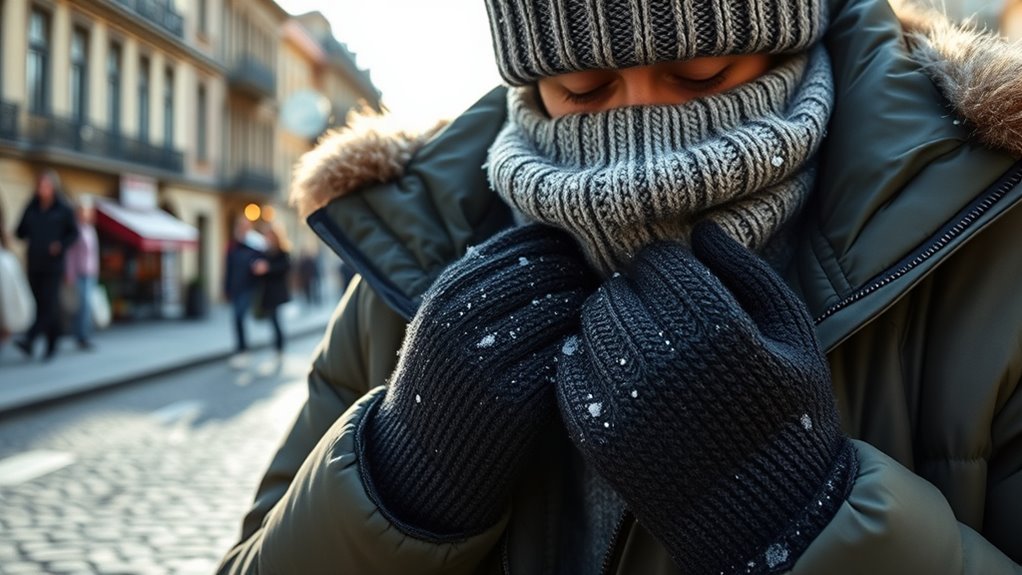
As weather and activity levels fluctuate during your winter outings, adjusting your layered clothing is essential to stay comfortable and safe. If the temperature rises or you start sweating, remove or unzip your outer shell to prevent overheating and moisture buildup. When activity intensity increases, switch to lighter mid-layers or vent your outer layer to maintain breathability. Conversely, if conditions worsen or you slow down, add or tighten mid-layers and ensure your outer layer is fully sealed to block wind and moisture. Keep a flexible system by carrying extra layers or packing a lightweight vest or thermal tights. Monitoring your body’s response allows you to adapt quickly, maintaining warmth without overheating or excessive sweating, ensuring your comfort and safety throughout your winter adventure. layering principles are fundamental to creating an effective clothing system that can be adjusted on the go. Simple systems help you stay organized and prepared for changing conditions on your outings. Additionally, being aware of layering principles can optimize your ability to adapt effectively during your winter activities, especially considering the importance of yarn weight and stitch type in outdoor clothing and accessories. Incorporating appropriate clothing materials can further enhance moisture management and insulation, making your layering system even more effective.
Frequently Asked Questions
How Do I Prevent Overheating During Intense Activity While Layering?
To prevent overheating during intense activity, you should start with a moisture-wicking base layer that keeps sweat away from your skin. Add only a light mid-layer if needed, and keep your outer shell breathable to release excess heat. Adjust layers as you begin to sweat, removing or venting them when necessary. Stay active and monitor your body’s signals to stay comfortable without overheating.
Can I Mix Different Materials Within the Same Layer?
Absolutely, you can mix materials within the same layer to optimize performance. Think of it as creating a super-armor of warmth and moisture control; combining merino wool with synthetic fabrics boosts moisture-wicking and insulation. Just guarantee the layers are compatible and fit well, preventing bulkiness. By blending materials, you strike a perfect balance between warmth, breathability, and dryness, keeping you comfortable no matter how fierce the winter conditions get.
What Are the Best Ways to Store Layered Clothing When Not in Use?
You should store layered clothing by cleaning and thoroughly drying each piece first to prevent mold and odors. Fold them neatly to avoid stretching or creasing, and store in a cool, dry place away from direct sunlight. Use breathable storage bags or bins to allow airflow, which helps maintain fabric quality. Avoid hanging heavy layers for long periods, as this can distort their shape and reduce insulation effectiveness.
How Often Should I Wash or Replace My Thermal Layers?
You should wash your thermal layers after about 10 wears or when they start to smell or lose their moisture-wicking ability. Replace them every few seasons or if they develop holes or thinning fabric. Keep an eye on their performance—if they no longer dry quickly or feel less insulating, it’s time for new ones. Proper care extends their lifespan, so follow the manufacturer’s washing instructions.
Are There Specific Brands Recommended for European Winter Layering Systems?
You should look for brands like Patagonia, Arc’teryx, The North Face, and Helly Hansen for reliable European winter layering. These brands offer high-quality, durable, and breathable layers that perform well in damp and cold conditions. Focus on their moisture-wicking base layers, insulating mid-layers, and waterproof outer shells. While premium, investing in these brands guarantees you stay warm, dry, and comfortable during winter adventures across Europe.
Conclusion
Just like a well-crafted winter scene, your layers come together to create a masterpiece of warmth and protection. By choosing the right materials and adapting as conditions shift, you’ll stay cozy through Europe’s coldest days. Think of yourself as the artist, blending moisture-wicking, insulating, and weatherproof layers seamlessly. With this knowledge, you’ll be ready to face winter’s chill, turning each adventure into a warm, memorable story—crafted by your smart layering skills.