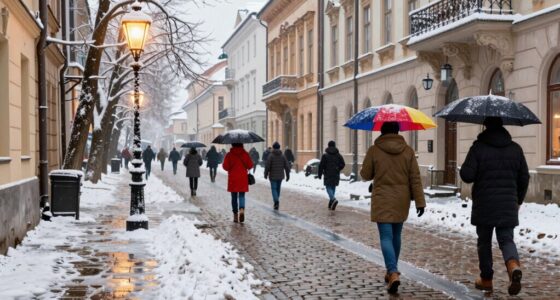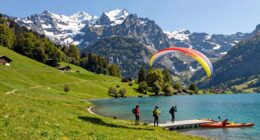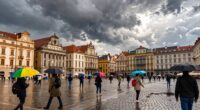
Traveling to Europe in spring during shoulder season helps you save money with lower flight, hotel, and activity prices. Fewer tourists mean less crowded attractions, making sightseeing more enjoyable. Book early, use fare alerts, and plan midweek trips for extra savings. Explore lesser-known destinations and smaller towns for authentic experiences and better deals. Want to uncover hidden gems and smart tactics to maximize your trip? Keep going for expert tips to get the most out of your journey.
Key Takeaways
- Book flights and accommodations early during March–May and September–November for lower prices and better deals.
- Travel midweek and avoid school holidays to maximize savings and reduce crowds.
- Explore lesser-known destinations and smaller towns for authentic experiences and fewer tourists.
- Attend seasonal festivals and local events to enjoy cultural immersion at lower costs.
- Use flexible booking options and stay adaptable to capitalize on off-peak discounts and avoid peak season surcharges.

ALBANIA TRAVEL GUIDE: Your Companion to Experiencing Captivating Adventures, Cultural Marvels and Unforgettable Memories
As an affiliate, we earn on qualifying purchases.
As an affiliate, we earn on qualifying purchases.
Why Spring Is the Ideal Time for Budget Travel in Europe
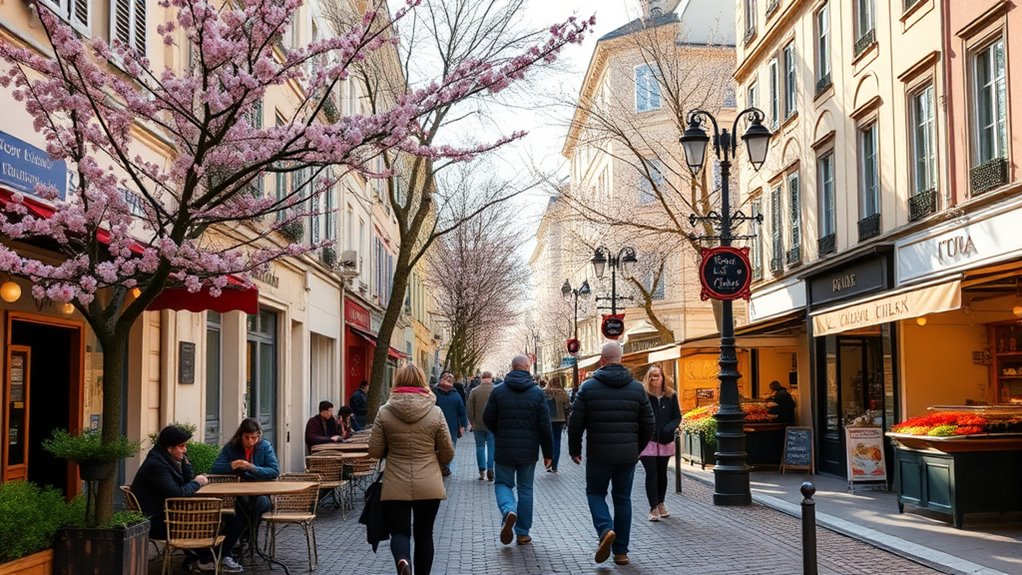
Spring is an ideal time for budget travel in Europe because prices tend to be lower across flights, accommodation, and activities compared to the peak summer months. During this shoulder season, airlines often reduce fares on Western and Southeast European routes, giving you more affordable options. Hotels and vacation packages also drop their rates, especially outside July and August, when demand peaks. Plus, fewer tourists mean less crowded attractions, better access to guided tours, and more flexible booking options. Traveling midweek or early in the season can help you snag even better deals. With moderate weather and fewer crowds, spring allows you to enjoy popular destinations without the hefty prices or long lines typical of high summer. It’s the perfect time to explore Europe on a budget.

Cut-Fill-Play Airline Tickets: Blank Airline Ticket to cut, fill and play, for your child's Airlines | Blank Aeroplane Tickets, Blank Flight Tickets for kids
As an affiliate, we earn on qualifying purchases.
As an affiliate, we earn on qualifying purchases.
How to Find the Best Deals on Flights and Accommodation
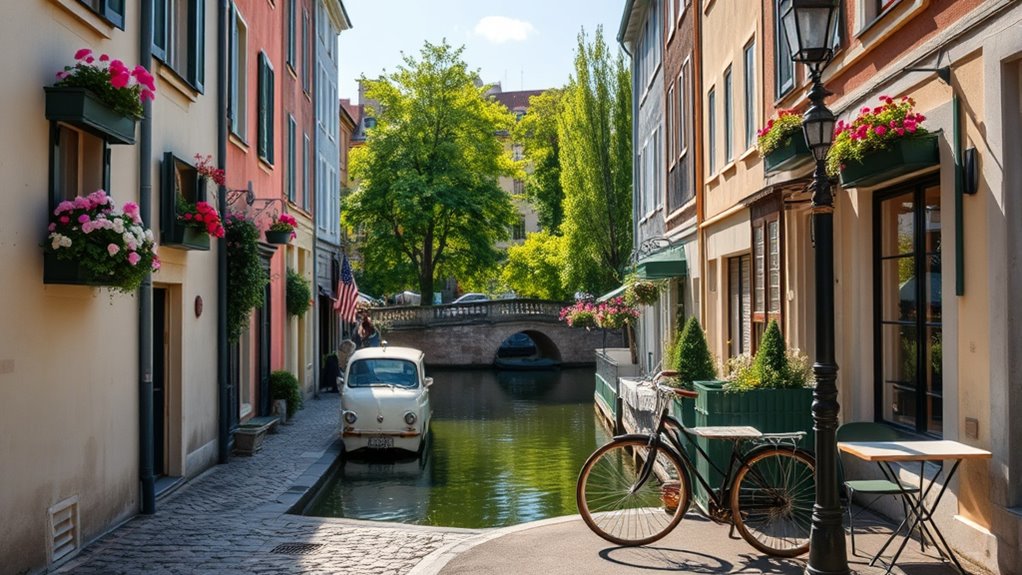
To score the best deals on flights and accommodation, timing and strategic planning are key. Book early during shoulder months like March–May and September–November, when prices drop due to lower demand. Use fare alerts and flexible dates to track fare fluctuations. Consider midweek departures and avoid school holidays for savings. Opt for secondary airports or nearby towns to access better rates. Leverage package deals and local operators seeking business outside peak season, often offering discounts. Exploring free floating options for flexible travel arrangements can also provide additional savings and convenience. Additionally, incorporating sound healing science and essential oils in your travel routine can help manage travel-related stress and discomfort during your trip. Paying attention to seasonal travel trends can further refine your planning and maximize savings, especially when understanding piercing aftercare to ensure smooth healing and avoid unexpected expenses.

Taygeer Travel Backpack for Women, Carry On Backpack with Water Bottle Pocket & Shoe Pouch, TSA 15.6inch Laptop Mochila Flight Approved, Nurse Bag Casual Daypack for Weekender Business Hiking, Pink
Extra Shoe Bag & Wet Pocket: Large carry on backpack for women includes a bonus shoe bag to…
As an affiliate, we earn on qualifying purchases.
As an affiliate, we earn on qualifying purchases.
Top Destinations That Shine During Shoulder Season
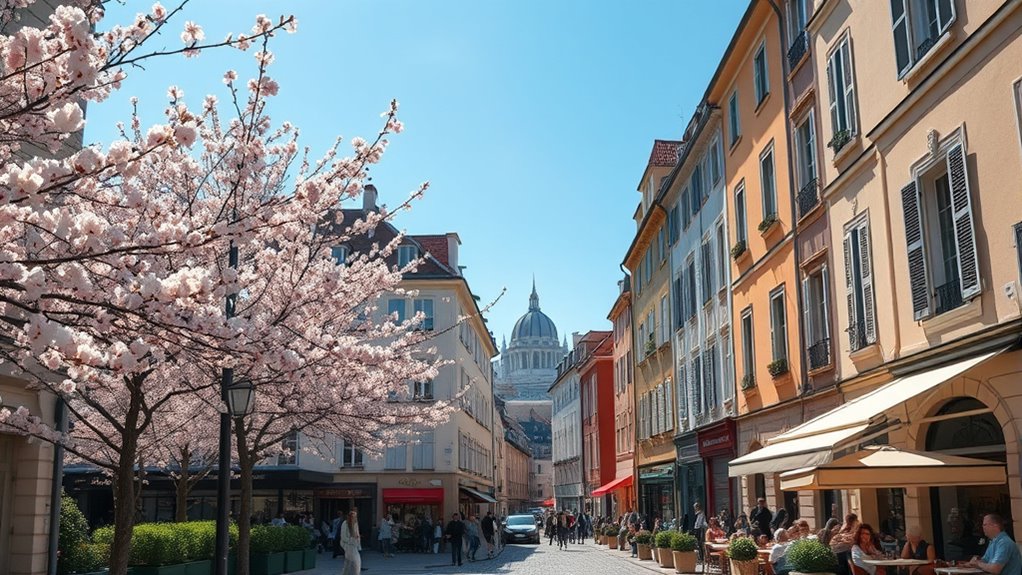
During shoulder season, you can uncover Italy’s hidden gems, where quieter streets and authentic experiences await. The Mediterranean beaches remain alluring, offering pleasant weather and fewer crowds. Meanwhile, France’s vibrant festivals provide a perfect chance to enjoy rich culture without the summer rush. Exploring local traditions during this time can also lead to unique cultural insights and memorable encounters. Additionally, travel during this period often allows for cost-effective accommodations, making your trip even more budget-friendly. Embracing sustainable tourism practices during shoulder season not only benefits the environment but also enhances your authentic travel experience. Being mindful of halal dietary practices when exploring local cuisines can enrich your cultural immersion and ensure your dietary needs are met. Incorporating insulated jackets during early spring trips can ensure warmth during chilly mornings and evenings, making your journey more comfortable.
Hidden Gems in Italy
Have you ever considered visiting Italy’s lesser-known destinations during the shoulder season? This is your chance to explore charming towns and hidden regions without the summer crowds. Places like Lucca, with its medieval walls, or Orvieto, perched on a volcanic hill, offer authentic experiences and fewer tourists. In Puglia, discover whitewashed towns and pristine beaches that are just as beautiful outside July and August. The quieter months make it easier to enjoy local festivals, guided tours, and outdoor activities at a relaxed pace. You’ll find better accommodation deals and lower prices on meals and attractions, allowing you to indulge more deeply in Italy’s rich culture and history. Shoulder season is perfect for uncovering Italy’s hidden gems while saving money and avoiding crowds. Additionally, traveling during the shoulder season often means better opportunities to experience local festivals and events that are less crowded and more authentic.
Off-Peak Mediterranean Beaches
As the crowds thin out in the shoulder season, Mediterranean beaches reveal their quieter, more authentic side. You’ll enjoy milder weather, fewer tourists, and better access to coastal gems. Destinations like Costa Brava, Greek islands, and Croatian coastlines shine without summer congestion. To maximize savings, book early, choose midweek travel, and consider smaller airports or lesser-known spots. Many beach resorts and tours offer discounts, making your trip more affordable. Keep in mind, some services may close or reduce hours, so verify availability beforehand. The table below highlights key differences between peak and shoulder season beach experiences:
| Aspect | Shoulder Season Benefits |
|---|---|
| Crowds | Significantly diminished |
| Prices | Lower accommodation and flights |
| Weather | Mild, but variable |
| Activities | Fewer seasonal closures |
| Atmosphere | More relaxed, authentic vibe |
Cultural Festivals in France
Falling shoulder season in France offers a vibrant array of cultural festivals that showcase the country’s rich heritage and lively traditions. During spring and autumn, you can immerse yourself in events like the Fête de la Musique in June, celebrating live music across cities, or the Fête de la Gastronomie in September, highlighting regional cuisines. Autumn festivals such as the Dijon International Gastronomy Fair or the Vendanges de Montmartre in Paris offer authentic experiences away from summer crowds. These festivals often feature local artisans, traditional performances, and culinary delights, giving you a deeper connection to French culture. Traveling during shoulder seasons means fewer tourists and better access to museums, historic sites, and outdoor events, all while enjoying lower prices and a more relaxed atmosphere. Additionally, exploring these regional festivals can provide insights into anime culture and storytelling, which is an integral part of modern Japanese cultural exports. Recognizing the importance of cultural festivals can enhance your travel experience by allowing you to participate actively in local traditions and celebrations, and engaging with authentic regional customs can deepen your understanding of France’s diverse cultural landscape. Moreover, embracing biodiversity preservation during your travels can enrich your appreciation for the natural environments that host these festivals and support local communities.

2 Pack European Plug Adapter USB C, TESSAN US to Europe Adapter 4 Outlets 3 USB Charger, Type C International Power Adaptor to Italy Spain France Portugal Iceland Germany, Europe Travel Essentials
Adapter for Europe Plug: Europe plug adapter works in European countries such as Italy, Spain, France, Portugal, Greece,…
As an affiliate, we earn on qualifying purchases.
As an affiliate, we earn on qualifying purchases.
Planning Your Itinerary: Tips for Weather and Crowd Management
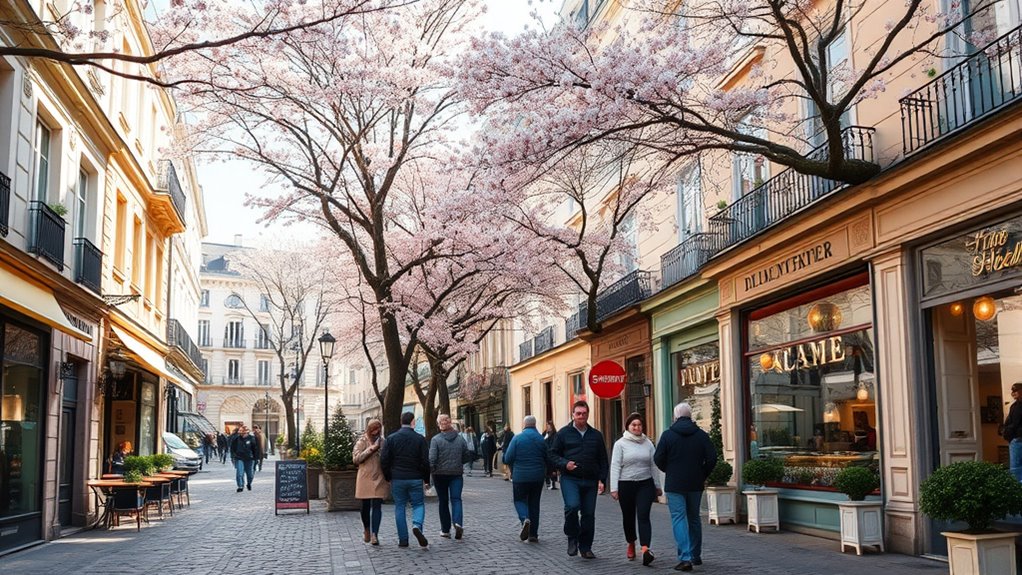
Planning your itinerary during shoulder seasons requires balancing pleasant weather with fewer crowds, so you can enjoy popular sights without the summer rush. Focus on flexible scheduling to adapt to variable weather, packing layers for warmth and rain gear. Aim for midweek visits and early or late in the day to beat crowds at museums and attractions. Consider alternative routes or lesser-known destinations to avoid congested hotspots. If outdoor activities like hiking or beach visits are on your list, check local weather forecasts and be ready for cooler or unpredictable conditions. Book tickets and tours in advance, especially for popular sites, to secure availability and better prices. Staying adaptable and strategic helps you maximize experiences while minimizing stress from weather and crowds. Incorporating seasonal tourism patterns can help you plan more effectively for your trip. Additionally, researching local event calendars can reveal unique opportunities to experience local culture without the usual tourist crowds. Being aware of off-peak travel benefits can also lead to cost savings and more authentic experiences.
Hidden Gems and Offbeat Spots for Spring Travelers
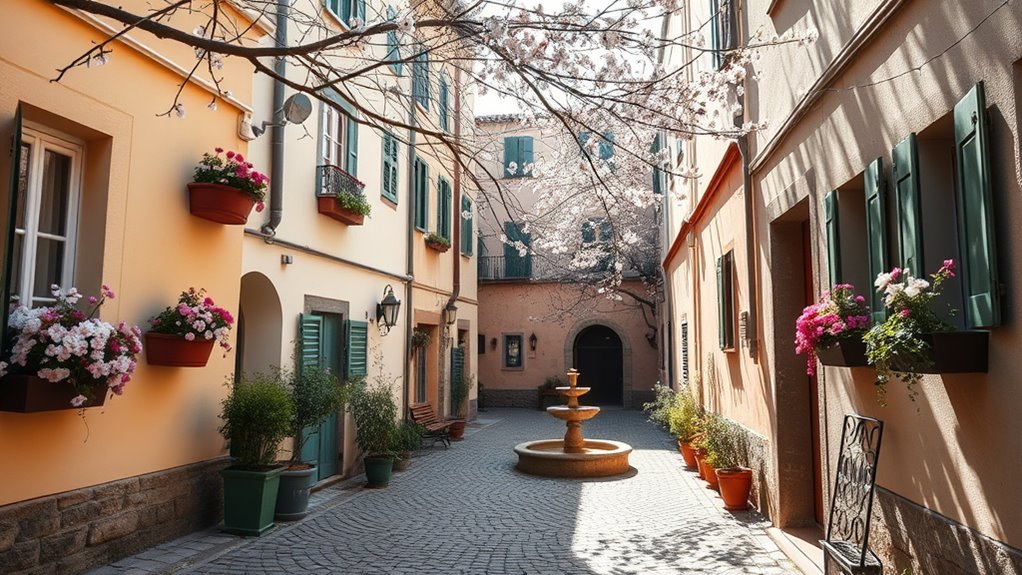
While popular sights draw crowds and higher prices during peak seasons, spring offers a perfect chance to explore lesser-known destinations that promise authentic experiences and tranquility. Consider visiting Slovenia’s Lake Bled’s quieter shores or exploring Croatia’s Istrian Peninsula, which remains less crowded than Dubrovnik. In France, venture beyond Paris to discover the charming villages of Alsace or the less-visited regions of Provence, where lavender fields bloom in spring. Eastern Europe also offers hidden gems like Slovakia’s High Tatras or Bulgaria’s Plovdiv, rich in history and natural beauty. Smaller Mediterranean islands such as Malta or Larnaca in Cyprus provide warm weather and cultural charm without the summer crowds. These offbeat spots let you enjoy genuine local life, scenic landscapes, and affordable prices away from tourist hotspots. Embracing the shoulder season can also mean better travel deals and less stressful experiences. Additionally, traveling during this period can help you avoid the challenges associated with yarn yardage planning, like dealing with crowded venues or limited availability, making your trip more relaxed and enjoyable. Exploring these lesser-known destinations can also enhance your work-life balance by providing peaceful environments for reflection and rejuvenation. Moreover, visiting during the shoulder season allows for more authentic cultural experiences, as local festivals and traditions are often in full swing.
Smart Tactics to Maximize Savings and Enhance Your Experience
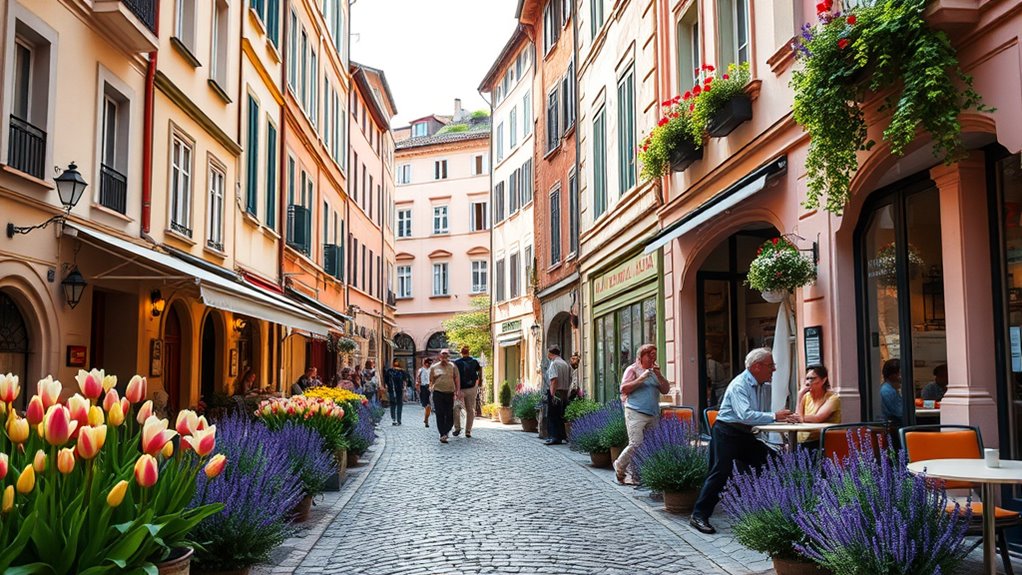
To maximize your savings and boost your experience, consider flexible booking strategies like using fare alerts and choosing midweek departures. Traveling during shoulder seasons and to lesser-known destinations can also help you avoid crowds and find better deals. By selecting activities and accommodations wisely, you’ll enjoy a richer trip without stretching your budget. Additionally, choosing destinations that prioritize community support and local experiences can create a more meaningful and authentic journey.
Flexible Booking Strategies
Maximizing savings during shoulder season travel hinges on embracing flexible booking strategies that adapt to fluctuating prices and availability. Start by monitoring fare alerts and booking early to secure the best deals on flights, especially during midweek departures when prices tend to drop. Consider using flexible tickets that allow changes without hefty fees, giving you room to adapt if prices shift. Stay alert to airline schedule adjustments or route additions, which can temporarily lower fares. When booking accommodations, look for deals at secondary airports, smaller towns, or lesser-known regions—these often offer lower rates and fewer crowds. Combining packages or booking directly with local operators can also unlock discounts on tours, meals, and activities, helping you stretch your budget further during Europe’s shoulder seasons. Additionally, staying informed about dynamic pricing strategies can help you anticipate when prices might fluctuate, allowing you to time your bookings for optimal savings.
Midweek Travel Advantages
Booking your travel midweek can considerably boost your savings and improve your overall experience in Europe’s shoulder seasons. Airlines and hotels often lower prices on Tuesdays and Wednesdays, avoiding weekend peaks. Flexibility with departure and return days lets you snag the best deals and avoid crowded transport and attractions. This strategy also increases your chances of securing premium slots at museums or guided tours, which fill up quickly during weekends.
| Day of Travel | Savings Potential | Crowd Levels |
|---|---|---|
| Monday | Moderate | Low |
| Tuesday | Highest | Low |
| Wednesday | High | Low |
| Thursday | Moderate | Moderate |
| Friday | Lower | High |
Choosing midweek travel helps you stretch your budget while enjoying a quieter, more relaxed experience.
Destination & Activity Tips
Strategically selecting destinations and activities during shoulder seasons can substantially boost your savings while enriching your travel experience. Focus on lesser-known locales or emerging markets to avoid crowds and access better deals. Opt for outdoor activities like hiking, cycling, or exploring coastal towns where weather remains mild. Take advantage of seasonal festivals and cultural events to enjoy local traditions without the peak season prices. Consider visiting smaller islands or rural areas, which often offer lower accommodation rates and fewer tourists. Booking early or choosing midweek stays can also open up discounts. Use local tour operators for off-peak packages, and explore alternative transportation options like regional trains. This approach guarantees you’re making the most of your trip’s value while immersing yourself more deeply in authentic experiences. Additionally, leveraging technological solutions such as household robots can help you save time and energy, allowing you to focus more on enjoying your trip.
Frequently Asked Questions
How Early Should I Book to Get the Best Shoulder Season Deals?
You should book your shoulder season trip at least 2-4 months in advance to secure the best deals. Early bookings often reveal lower fares, especially if you choose midweek departures and flexible tickets. Keep an eye on fare alerts and monitor airline schedules, as carriers sometimes add or cut routes, creating temporary discounts. Planning ahead also helps you snag accommodations and tours before they fill up during popular travel windows.
Are Last-Minute Bookings Viable for Spring Travel Discounts?
Last-minute bookings can sometimes snag you spring travel discounts, if you’re lucky. Ironically, waiting until the last moment often means risking higher fares or limited availability, especially for popular destinations. But if you’re flexible, monitor fare alerts, choose midweek departures, and stay open to lesser-known spots or secondary airports, you might just find a fleeting deal. Still, planning ahead remains your best bet for securing those coveted shoulder-season bargains.
Which Secondary Airports Offer the Most Significant Savings in Europe?
You can save the most by flying into secondary airports like Brussels South Charleroi, Milan Bergamo, and Paris Beauvais, which often have lower fares than major hubs. Look for smaller regional airports near popular destinations, such as Larnaca in Cyprus or Malta International, which attract fewer travelers and offer better deals. Booking early, monitoring fare alerts, and choosing midweek flights also help maximize savings when flying into these secondary airports.
How Do Weather Variations Affect Outdoor Activities During Spring?
You’ll find that spring weather can be unpredictable, which influences outdoor activities. Cooler temperatures and occasional rain mean outdoor plans like hiking or beach visits may need flexibility or alternative options. Pack layered clothing and check weather forecasts regularly. While some days are perfect for outdoor adventures, others might require indoor activities. Staying adaptable ensures you enjoy your trip regardless of weather fluctuations, making your experience more enjoyable and stress-free.
What Travel Insurance Options Best Cover Shoulder Season Uncertainties?
Think of travel insurance as your safety net during unpredictable weather in shoulder season. You’ll want a plan that covers weather-related cancellations, delays, and activity disruptions. Look for policies that include trip interruption, weather delay coverage, and medical emergencies, especially for outdoor activities. Choose providers known for flexible claims processes and clear coverage details. This way, you stay protected whether rain dampens your plans or sudden storms alter your adventure.
Conclusion
As you explore Europe in spring, remember that the season’s quiet charm often reveals unexpected treasures—like a hidden café or a quiet courtyard. It’s no coincidence that shoulder season offers both affordability and authenticity; sometimes, the best experiences come when you least expect them. Embrace the surprises, and you might find that the journey’s true magic lies in the gentle balance between planning and spontaneity. Happy travels!