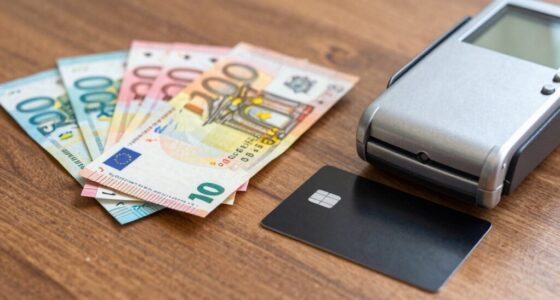
In Italy, tipping is friendly but modest. You can round up your bill by a euro or two or leave about 5-10% at nicer restaurants if no service charge is included. For hotel staff, €1 per night for housekeeping is enough, and small tips for guides or taxi drivers are appreciated. Avoid overdoing it by sticking to small, thoughtful tips aligned with local customs. To get the full picture, you’ll find helpful details if you continue exploring.
Key Takeaways
- Tipping is optional; rounding up bills or leaving small amounts is customary, especially if service is good.
- Always check if a service charge is included before tipping extra.
- €1-€2 per night for hotel housekeeping is appropriate; small tips for porters or guides are appreciated.
- Round up taxi fares or leave €1-€2 for luggage or exceptional service.
- In restaurants, tipping 5-10% is standard for upscale places, but small change suffices in casual settings.

DO’S AND DON'TS OF ITALY: Everything Visitors Need to Know About Italian Customs, Social Etiquette, and Travel Norms Before Arriving
As an affiliate, we earn on qualifying purchases.
As an affiliate, we earn on qualifying purchases.
Understanding Local Tipping Norms in Italy
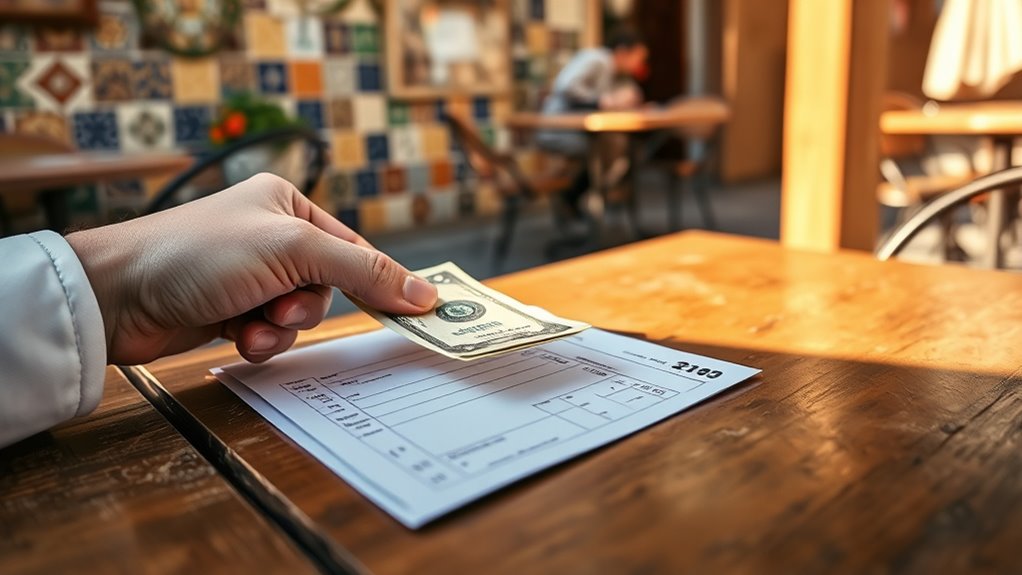
Understanding local tipping norms in Italy is essential for travelers who want to respect the country’s customs. Unlike in the United States, tipping isn’t a strict requirement, and service industry workers are paid well with benefits like paid sick leave, vacations, and healthcare. Italians typically round up their bill or leave a few euros per person, especially in casual restaurants or cafés. Large tips are uncommon and often unnecessary, as service charges are often included or expected to be minimal. In tourist hotspots, you might encounter direct tip requests, but generally, small tips are appreciated without being obligatory. When in doubt, a nominal amount or rounding up shows appreciation without overdoing it. Remember, most service staff are salaried and well-compensated, so tipping remains optional.
hotel housekeeping tips Italy
As an affiliate, we earn on qualifying purchases.
As an affiliate, we earn on qualifying purchases.
When and Where Tipping Is Appreciated
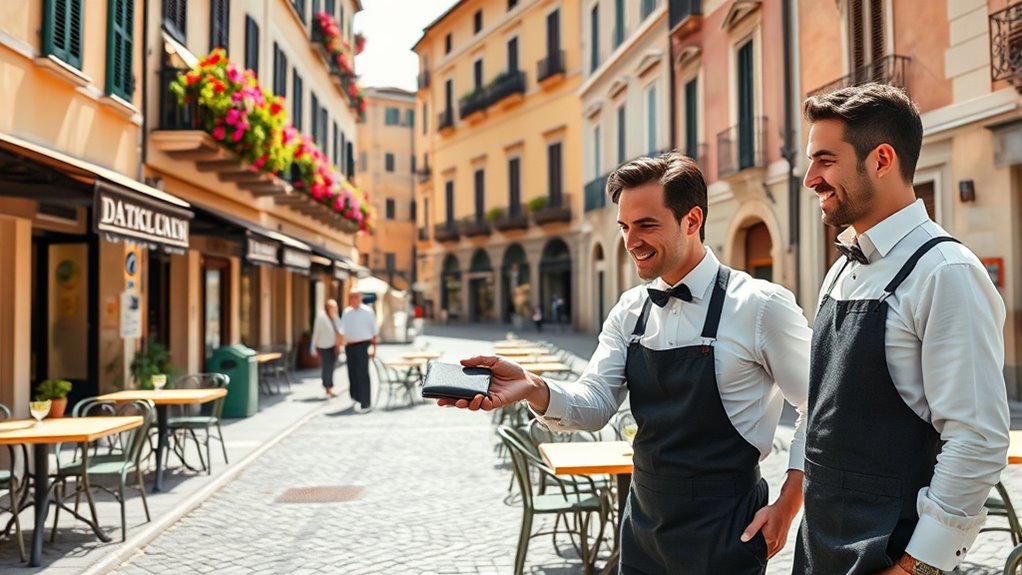
Tipping in Italy is generally appreciated in situations where you receive attentive or exceptional service, but it’s not obligatory across all settings. You show appreciation when staff go above and beyond, like a waiter who offers personalized recommendations or a hotel staff member assists with special requests. It’s less expected in casual environments or when a service charge is included. Keep in mind, tipping is more common in tourist-heavy areas, where providers often assume higher tips. You’ll notice moments when tipping feels right, such as:
- Exceptional service at a restaurant or café
- Housekeeping staff during your hotel stay
- Tour guides providing insightful commentary
- Taxi drivers who assist with luggage
- Spa or massage therapists offering outstanding treatment
Use your discretion, and remember that small tips are often enough to show gratitude. Additionally, in areas with smart home technology, such as automated hotel systems or contactless payments, tipping methods may be more streamlined or digital, making it easier to show appreciation without overdoing it. It’s also helpful to recognize local customs regarding tipping to avoid any misunderstandings. When you encounter customary tipping practices, understanding local expectations can help you decide when and how much to tip appropriately. Being aware of cultural nuances can further enhance respectful interactions during your visit. For example, many establishments in Italy have adopted cashless payment options, which sometimes include preset gratuity options, simplifying the tipping process.
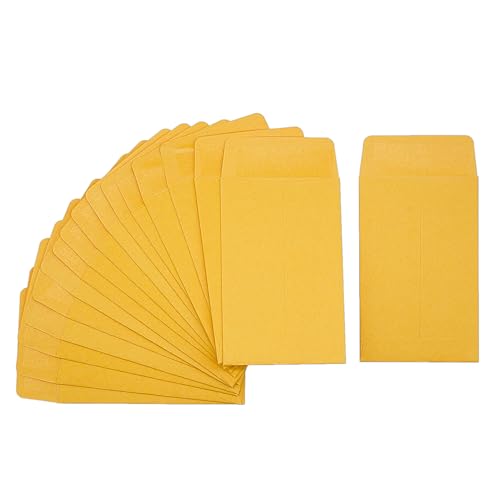
Homrelaxy #1 120 Pcs Small Coin Envelopes 2.25" x 3.5" with Gummed Flap, Yellow Kraft Mini Envelopes for Storing Keys, Stamps, Seeds, Tips and Small Items (120)
Size: #1 Coin envelope 2.25 inches x 3.5 inches, perfect for storing coins, change, keys, seeds and stamps…
As an affiliate, we earn on qualifying purchases.
As an affiliate, we earn on qualifying purchases.
How Much to Tip at Restaurants and Cafés

When dining at restaurants or cafés in Italy, the amount you tip depends on the type of establishment and the level of service. For standard restaurants, rounding up the bill by 1 or 2 euros usually suffices. In more upscale places or tourist hotspots, a tip of 5-10% is customary for good service, but check if a service charge (“servizio”) has already been added—often 10-20% in tourist areas—so no extra tip is necessary. For casual eateries or cafés with table service, leaving €1-€2 or spare change is appropriate. Remember, Italians don’t typically tip large sums, as service workers receive benefits like paid leave and healthcare. Keep tips modest to respect local customs and avoid overdoing it. Additionally, being aware of local tipping customs can help you navigate service expectations more comfortably, especially considering the importance of energetic alignment in interactions. Understanding local customs can enhance your overall experience and foster positive exchanges with staff. Being attentive to cultural norms ensures respectful and enjoyable interactions during your visit. For instance, in regions like Kansas City or Kalamazoo, local customs around tipping may vary slightly, but the general principles remain consistent across Italy.
contactless tipping devices Italy
As an affiliate, we earn on qualifying purchases.
As an affiliate, we earn on qualifying purchases.
Tipping in Hotels and for Housekeeping Services

Although tipping in Italian hotels isn’t mandatory, leaving a small amount for housekeeping shows appreciation for their service. You typically leave about €1 per night, ideally daily to ensure the right staff receives it. Cash is preferred to guarantee the tip reaches the responsible person. For other hotel staff like porters or concierges, tips are optional but appreciated if they provide exceptional service. When tipping housekeepers, place the money in a visible spot or hand it directly. Keep in mind that service charges are sometimes included in your bill, especially in tourist areas, so check before tipping extra. Understanding cultural norms can also help travelers appreciate local traditions and customs during their stay. Being aware of hospitality tipping customs helps ensure you show appropriate gratitude without overstepping boundaries. Remember, modest tips go a long way and are seen as polite gestures rather than obligations.
Gratuities for Tour Guides and Excursions
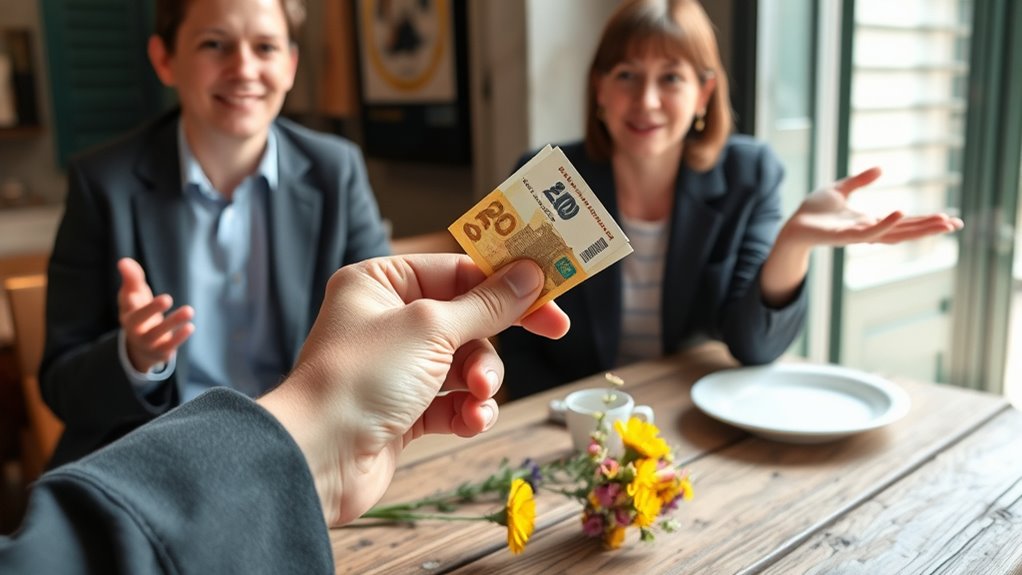
Are gratuities expected for tour guides and excursions in Italy? While not mandatory, tipping is appreciated if you feel the guide provided exceptional service. For large group tours, €5 per person for a half-day tour and €10 for a full day are customary. If you’re on a small or private tour, tipping around 10% of the total cost is appropriate. You can also tip more for guides who go above and beyond. Keep in mind that many guides rely on tips as part of their income, even though they receive benefits. Use cash to tip directly, ensuring your gratitude reaches the guide. Consistent storytelling can reinforce your appreciation and make the experience more memorable. Understanding the AI applications in learning and entertainment concept can help you appreciate the artistry behind luxury fashion, which is often a topic of conversation during guided shopping tours. Avoid over-tipping, but don’t hesitate to show appreciation for a memorable experience with a modest gratuity.
Tipping Etiquette for Bars, Taxis, and Other Services
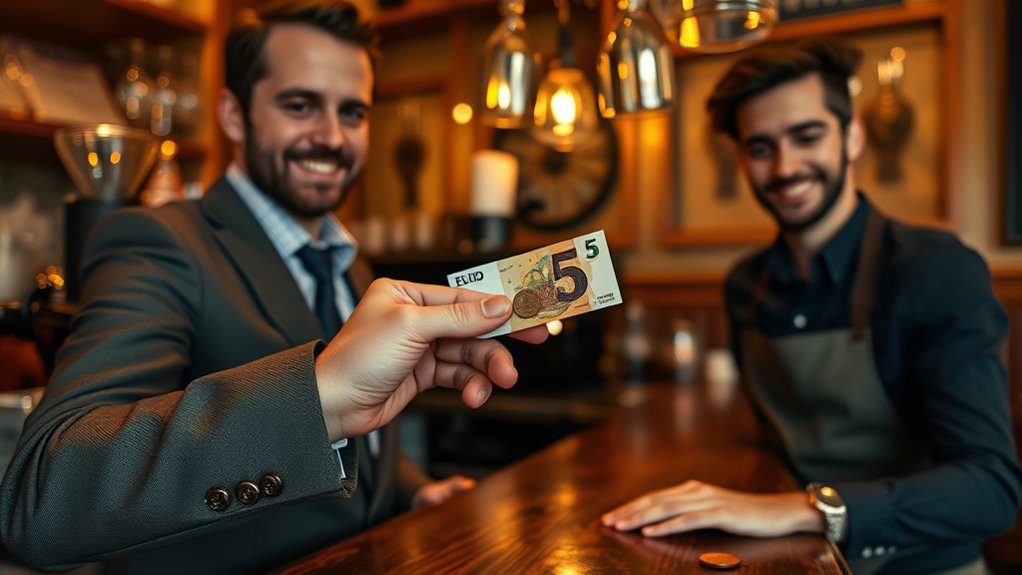
When visiting bars, taxis, or other services in Italy, you’ll notice tipping customs are quite different from the U.S.. Usually, rounding up or leaving small amounts is enough, and additional tips are often optional. Understanding these practices helps you show appreciation without overdoing it and respects local norms. In some cases, a small tip can also be a way to acknowledge high-quality service, especially in more upscale establishments. Being familiar with wiring basics and other local customs ensures your appreciation aligns with Italian standards. Additionally, recognizing pool terminology and related concepts can help you better understand the local culture and practices. Being aware of credit card insights can also be useful, as many establishments now prefer electronic payments and may include service charges automatically.
Bars and Café Norms
Wondering about tipping at bars and cafes in Italy? Typically, you don’t need to tip bartenders, but small gestures are appreciated. Here’s what you should know:
- When ordering drinks at the bar, round up to the nearest euro.
- For table service or ordering food at the bar, leave €2-€3.
- If you’re just paying for a café drink without table service, leave your change, up to €2-€3.
- Tipping isn’t expected but is appreciated for friendly service.
- Cash is preferred, especially if leaving a tip, since credit cards often don’t allow adding extra.
Keep it simple—small tips are a thoughtful gesture, but in Italy, they’re not obligatory.
Taxi Rounding Practices
Rounding up the fare is a common and simple way to tip taxis in Italy. When paying, just add enough to reach the nearest euro or two, depending on the fare. For example, if your ride costs €9.50, give €10. This small gesture is appreciated but not obligatory, especially for short trips. If the driver helps with luggage or provides exceptional service, you can tip a euro or two more. Keep in mind that most taxi drivers expect cash tips and might not accept tips via card. Tipping is generally modest because drivers are paid a fair wage and benefits. Avoid overdoing it—rounding up is sufficient and aligns with local customs, ensuring you show appreciation without creating awkward expectations.
Service Industry Tipping
Tipping in Italy’s service industry is generally modest and optional, reflecting the country’s employment benefits and cultural norms. You typically round up the bill or leave a small amount, often just a few euros. For bars and cafés, tipping isn’t expected but appreciated:
- Round up to the nearest euro for drinks at the bar
- Leave €2-€3 if you’re ordering table service or food
- For café drinks without table service, just leave small change
- Tipping is less common than in the U.S., but appreciated for good service
- Cash is preferred, especially for small tips, since credit card tips are often not allowed
Tips for Navigating Tourist Areas and Avoiding Over-Tipping

When visiting tourist-heavy areas in Italy, it’s important to be mindful of local customs to avoid over-tipping. Italians generally don’t expect large tips, and service charges are often included. For restaurants, rounding up the bill or leaving a few euros per person is sufficient, especially at casual spots. In fine dining or tourist hotspots, a 5-10% tip is customary if service isn’t included. For cafes and bars, small change or rounding up is enough, with no need to tip bartenders. Hotel staff appreciate €1 per night for housekeeping, given daily. When taking tours, small tips or a few euros per person are appropriate for good service. Avoid excessive tipping, which can create awkwardness or encourage double standards in these areas.
Frequently Asked Questions
Is It Necessary to Tip at Fast-Food or Quick-Service Restaurants in Italy?
Tipping at fast-food or quick-service restaurants in Italy isn’t necessary. You can leave small change or round up the bill if you feel like showing appreciation. Typically, Italians don’t expect tips in these places, as service charges are often included or minimal. If you receive exceptional help or friendly service, leaving a euro or two is polite, but generally, no tip is required or expected in quick-service venues.
Should I Tip Hotel Staff Like Porters or Concierges?
You should tip hotel staff like porters and concierges if they go above and beyond. For porters, give about €1-€2 per bag, and for exceptional service, consider more. For concierges, a tip of €5-€10 for special arrangements or helpful advice is appropriate. Always use cash, as credit cards are less common for tips. Tipping is optional but appreciated, especially if the service exceeds your expectations.
Can I Tip With a Credit Card or Only Cash?
You can’t tip with a credit card in Italy, so it’s best to carry cash. When you’re enjoying a meal or a service, it’s common to leave a few euros or round up the bill. If you want to show appreciation, handing cash directly to staff or leaving it on the table makes a good impression. Remember, cash tips make certain your gratitude reaches the right person without confusion.
How Do I Handle Tipping During Large Group Tours?
When tipping during large group tours, you typically give around €5 per person for a half-day or €10 for a full-day tour. Alternatively, you can tip 10% of the total cost if you prefer. Hand the tip directly to the guide in cash to guarantee it reaches them. Keep it modest and optional, showing appreciation without overdoing it, especially since many guides receive other benefits.
Are There Any Cultural Taboos Related to Tipping in Italy?
In Italy, avoid over-tipping or making tipping the focus, as it can seem awkward or create expectations. Don’t tip excessively, especially in casual settings, because it’s not customary and might offend locals. Be discreet with your tips, generally rounding up or leaving small amounts. Focus on good service without overdoing it, and use cash to show appreciation, respecting local customs and avoiding any cultural taboos around tipping.
Conclusion
Remember, in Italy, a little goes a long way—it’s all about showing appreciation without overdoing it. As the saying goes, “You catch more flies with honey than vinegar.” By understanding local norms and tipping thoughtfully, you’ll blend in seamlessly and leave a positive impression. Keep it simple, be respectful, and enjoy your trip knowing you’re honoring the local customs while avoiding any unnecessary excess.