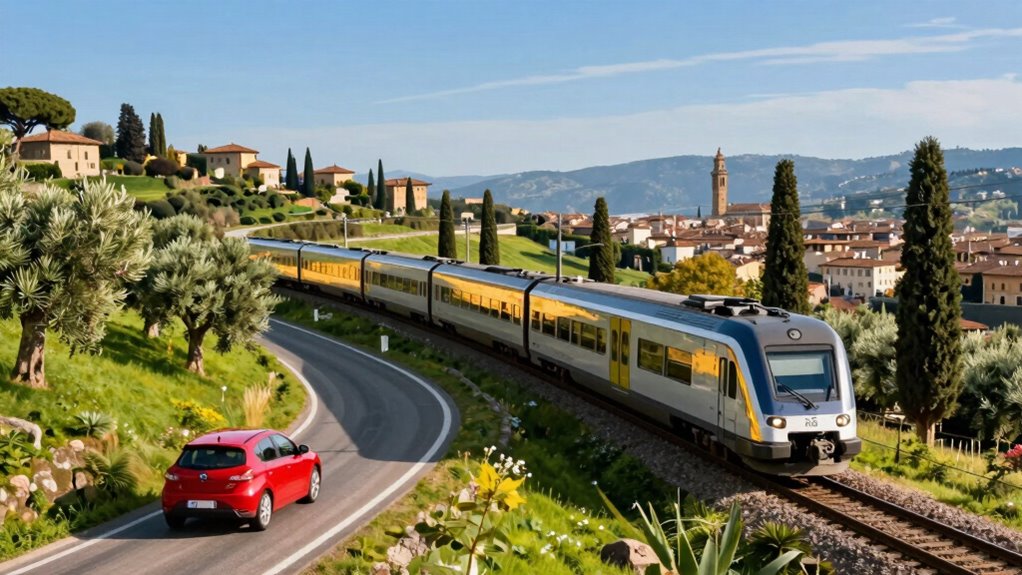
Traveling from Rome to Florence is easier and more convenient by high-speed train than by car, thanks to faster travel times, reliable schedules, and less stress with traffic and parking. Trains take around 1 hour 20 minutes, run frequently, and offer scenic views and comfort. Driving can take nearly twice as long and involves tolls, fuel, and finding parking in busy city centers. Want to discover more practical tips? Keep exploring how to make your trip smooth and enjoyable.

Get travel and outdoor gear delivered free — and shop member deals
- Fast, free delivery on millions of items
- Access to Prime Big Deal Days deals on October 6–7
- Prime Video, Amazon Music and more included
Key Takeaways
- High-speed trains offer faster, more predictable travel (1h 20m–1h 45m) compared to car drives (about 2h 45m–3h).
- Trains are generally more convenient with centrally located stations and less stress from traffic and parking.
- Driving involves tolls, fuel, parking costs, and navigating restricted zones, making it less straightforward.
- Trains are more eco-friendly and reduce urban congestion, especially during peak seasons.
- Booking train tickets early can save money and ensure seat availability, while driving offers flexibility for rural stops.
high-speed train Rome Florence tickets
As an affiliate, we earn on qualifying purchases.
As an affiliate, we earn on qualifying purchases.
Travel Time Comparison and Variability
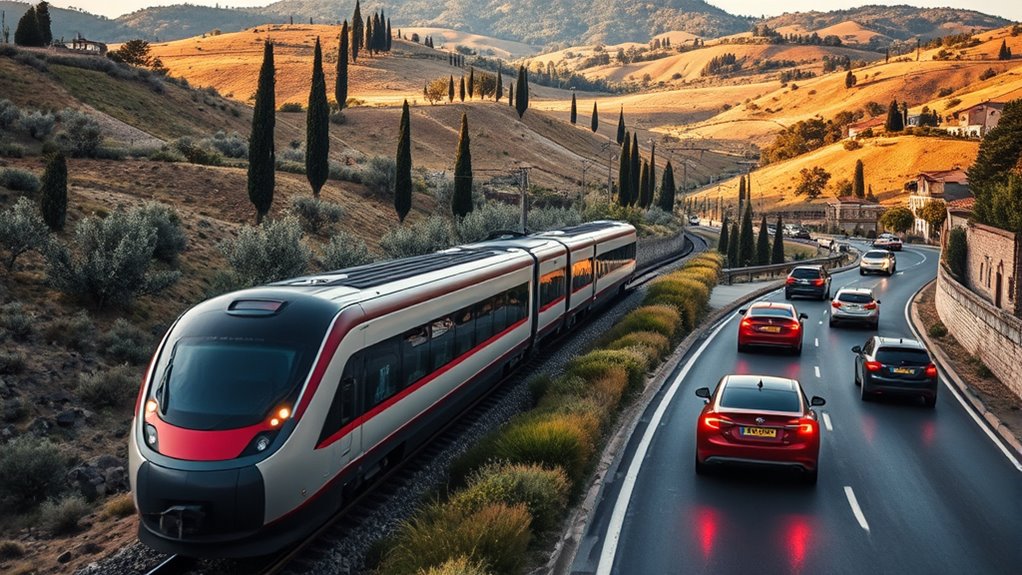
Travel time between Rome and Florence varies considerably depending on your mode of transport and timing. A high-speed train typically takes about 1 hour 20 to 1 hour 45, depending on service and stops, making it a quick option. Driving nonstop along the A1 autostrada usually takes around 2 hours 45 to 3 hours under normal traffic. However, travel time by car can increase during peak hours, holidays, or summer months due to congestion and roadworks. Including stops for tolls, fuel, or breaks, your total driving time can stretch to 3.5 hours or more, sometimes matching or exceeding the train’s duration. Additionally, train stations are centrally located, saving you time for city-center access, while driving involves parking and navigating urban traffic. Choosing the right mode of transport can significantly impact your travel experience, especially considering factors such as congestion and timing.
portable car GPS navigation system
As an affiliate, we earn on qualifying purchases.
As an affiliate, we earn on qualifying purchases.
Cost Analysis: Tickets, Fuel, and Tolls
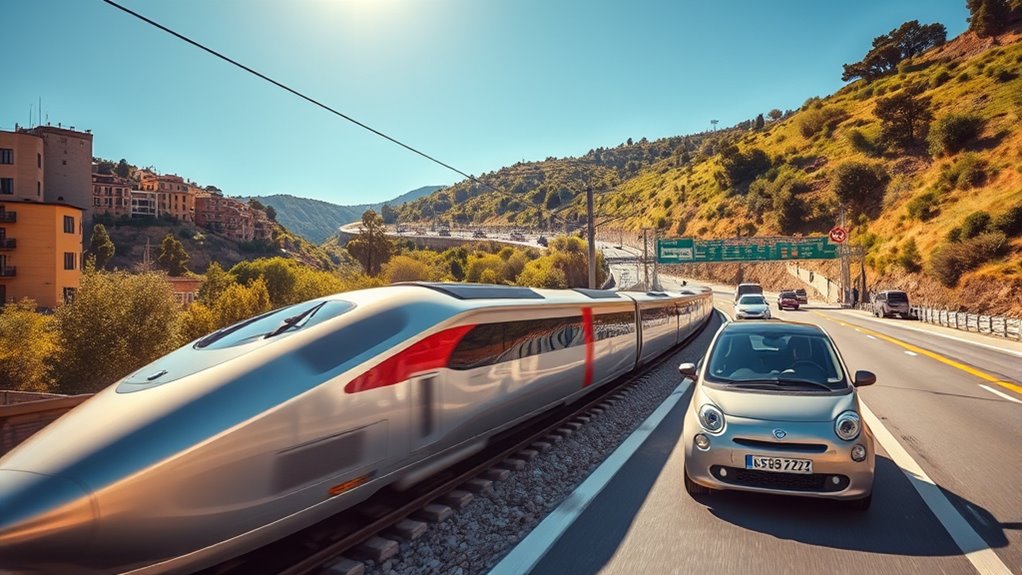
When comparing costs, you’ll find train ticket prices vary based on how early you book and the flexibility of your fare. Driving expenses include fuel, tolls, and parking fees, which can add up quickly depending on your route and stops. Understanding these cost factors helps you choose the most economical option for your trip. Additionally, considering energy-efficient cloud servers can inspire more sustainable travel choices that reduce your carbon footprint. Research supports that planning ahead can also help optimize your cost-efficiency and overall travel budget. Incorporating environmentally conscious methods into your travel planning can further minimize your impact and promote sustainability, reflecting a deeper commitment to spiritual renewal and responsible stewardship. Being mindful of eco-friendly transportation options can also contribute to reducing environmental impact and supporting global sustainability efforts.
Ticket Pricing Variability
Ticket prices for high-speed trains between Rome and Florence can vary considerably based on how early you book, the flexibility of the fare, and the time of travel. Booking in advance usually secures lower prices, often between €20 and €50 for economy seats, but last-minute tickets can cost markedly more. Flexible fares or refundable tickets tend to be pricier, giving you more changeability but at a higher cost. Peak travel times, such as weekends or holidays, also push prices upward due to high demand. Additionally, promotional deals and discounts may appear sporadically, requiring you to stay alert for offers. Overall, your ticket cost fluctuates based on timing, fare type, and availability, making it essential to plan and compare options early.
Fuel and Toll Expenses
Driving from Rome to Florence involves several direct costs that can substantially impact your overall trip expenses. Fuel costs range from €18–€25 one way, depending on your vehicle and fuel prices. Tolls on the A1 autostrada add around €20 each way. Parking in Florence’s city center typically costs €2–€4 per hour, with daily maximums. Here’s a breakdown:
| Expense Type | Estimated Cost (One Way) |
|---|---|
| Fuel | €18–€25 |
| Tolls | €20 |
| Parking | €8–€32 |
| Total | €46–€77 |
Additionally, considering the Free Floating parking options and their availability can help optimize your parking expenses and convenience during your visit.
As an affiliate, we earn on qualifying purchases.
Convenience and Accessibility at Stations and Destinations
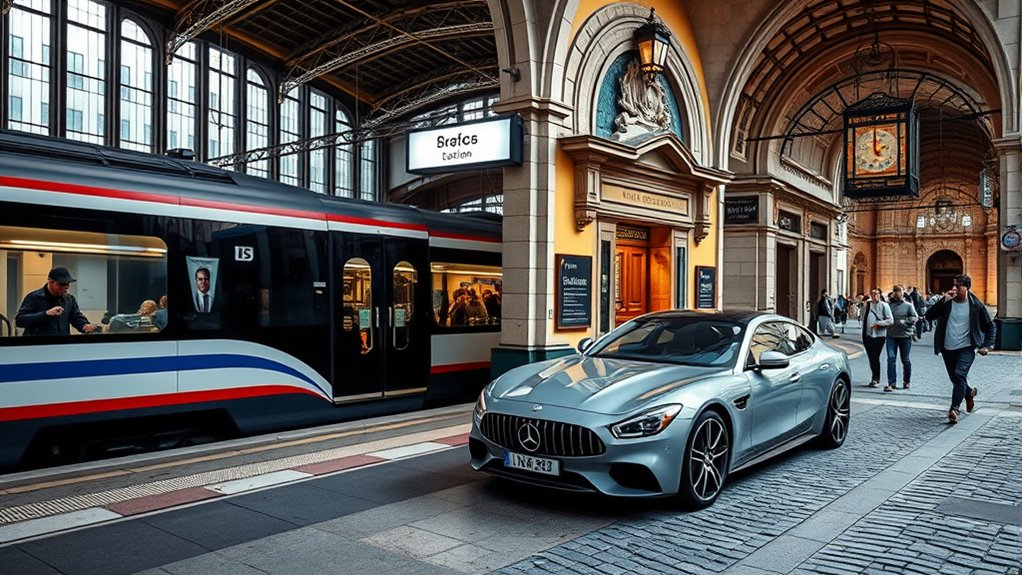
High-speed trains in Italy typically arrive at stations located centrally within cities, making it easy for you to access main attractions, public transit, and accommodations without long transfers. This convenience means you can start sightseeing immediately or catch local buses and metro lines with minimal effort. When traveling by car, you gain direct access to rural areas, villas, or wineries outside city centers, but urban destinations often require *steering* restricted zones or searching for parking.
Consider these points:
- Train stations are often within walking distance of major sights and transit hubs.
- Parking in city centers can be limited, expensive, and restricted by ZTL zones.
- Trains eliminate the need for parking and urban driving stress.
- Driving offers flexibility for exploring off-the-beaten-path locations not served by public transport.
As an affiliate, we earn on qualifying purchases.
Ease of Luggage Handling and Storage
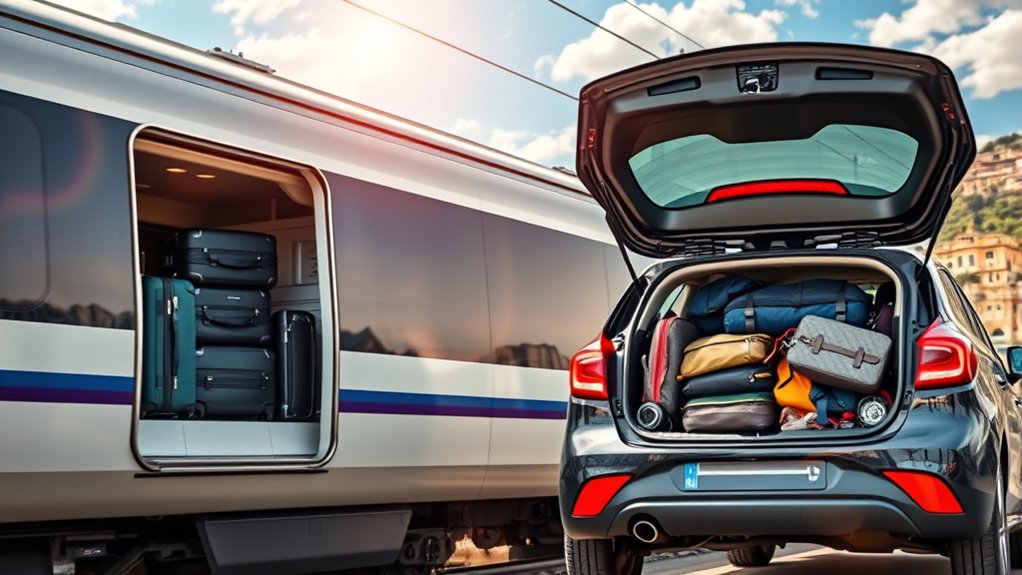
Traveling by train simplifies luggage handling because you can load your bags once at the start and move freely without repeatedly unloading or reloading. You don’t need to worry about searching for parking or maneuvering crowded streets with heavy bags. High-speed trains usually have spacious luggage racks above or near seats, making it easy to store large suitcases safely. You’re free to access your belongings during the journey without concern for trunk space or security. In contrast, driving requires you to load and unload luggage multiple times—once at departure, during stops, and at your destination. Parking in city centers can also be a hassle, especially with bulky luggage. Overall, trains offer a more straightforward, less stressful experience when it comes to handling and storing your bags, especially since luggage management is simplified on public transportation. Additionally, the space-efficient design of train compartments helps optimize luggage storage and accessibility.
Schedule Flexibility and Reliability Factors
Choosing between train and car for your trip hinges considerably on schedule flexibility and reliability. Trains run frequently, with multiple departures per hour, making it easier to adapt your schedule. Cars, however, offer greater on-the-fly flexibility, allowing you to change routes or stop unexpectedly. Consider these factors:
- Trains provide consistent, predictable schedules, reducing uncertainty.
- Car travel can be delayed by traffic, accidents, or roadworks, which are harder to anticipate.
- Rail strikes or service disruptions occasionally occur but are usually announced in advance.
- Road conditions and weather can notably impact driving reliability, especially during peak seasons.
- The type of technology used in projectors can influence the reliability of image quality during presentations, much like how train schedules depend on infrastructure.
- Modern train systems often incorporate electric vehicle technology, which enhances their efficiency and environmental impact.
Ultimately, trains offer dependable timing for city-to-city travel, while cars excel when spontaneity and route flexibility matter more.
Comfort, Scenic Views, and Passenger Experience
When it comes to comfort and passenger experience, trains often provide a more relaxed and enjoyable environment for city-to-city travel. You can sit back, stretch your legs, and move freely during the journey, which reduces fatigue. High-speed trains typically offer spacious seats, onboard Wi-Fi, and amenities like power outlets, making your trip more comfortable. Unlike driving, you won’t need to focus on navigation or traffic, allowing you to rest, work, or enjoy the scenery. Scenic views are a bonus on train routes, especially as you pass through Tuscany’s rolling hills and charming towns. In contrast, driving offers privacy and control over your environment but can be stressful with traffic, parking, and urban congestion. Additionally, traveling by train reduces carbon footprint, contributing to a more sustainable choice for environmentally conscious travelers. Modern trains also feature noise reduction, making the journey quieter and more peaceful. The security of being in a shared space can also enhance your overall comfort and peace of mind during the trip.
Practical Considerations for Planning Your Trip
When planning your trip from Rome to Florence, you need to think about booking and ticketing options to get the best prices and seat choices. Traversing traffic and parking can impact your schedule, especially during busy times or in city centers with restrictions. Keep seasonal and traffic variations in mind, as they can cause delays and affect your overall travel experience. Additionally, understanding caregiver support resources can help you manage stress and stay organized during your journey. Incorporating user experience considerations into your planning can also make your trip smoother and more enjoyable. Being aware of vehicle leasing options might be useful if you decide to rent a car for flexibility during your stay. Monitoring website performance metrics can offer insights into your travel planning process, helping you identify areas for improvement. Considering real-time traffic updates can further help you avoid unexpected delays and optimize your route.
Booking and Ticketing
Booking and ticketing for the Rome to Florence route require careful planning to maximize savings and guarantee availability.
- Book your train tickets early—advance fares are cheaper and more secure, especially during peak seasons.
- Compare ticket options—look for nonrefundable, flexible, or round-trip discounts to fit your plans.
- Use official websites or trusted apps—these platforms often offer the best prices and seat reservations.
- For driving, reserve rental cars early, considering insurance, one-way fees, and cancellation policies to avoid last-minute costs.
- Being proactive ensures better deals and avoids sold-out options. Keep an eye on promotional fares, seasonal discounts, and potential strike notices, regardless of your chosen mode. Proper planning streamlines your trip, saving money and reducing stress.
- Additionally, understanding transportation options and typical travel conditions can help you choose the most convenient and enjoyable way to get from Rome to Florence.
Navigating Traffic and Parking
Traveling through traffic and parking in Rome and Florence requires careful planning, as urban congestion and restricted zones can considerably impact your trip. Rome’s city center is packed with ZTL (restricted traffic zones), meaning unauthorized cars face fines if caught entering without a permit. Parking options are limited and expensive, often forcing you to search for garages outside the center. Florence presents similar challenges, with limited parking and strict ZTL zones that restrict access to many areas. Maneuvering these zones means paying attention to signs and timing your entry carefully. Parking in city-center garages can cost €2–€4 per hour, adding up quickly. For both cities, using public transportation or train stations as your base can save you time, money, and stress. Additionally, understanding urban traffic regulations can help you avoid fines and plan your route more effectively. Being aware of local parking restrictions can further prevent costly fines and streamline your travel experience. Planning ahead with real-time traffic updates can also help you navigate these busy urban areas more efficiently.
Seasonal and Traffic Variations
Seasonal and traffic variations markedly impact your travel plans between Rome and Florence. During peak seasons like summer and holidays, expect increased congestion and longer travel times, especially by car. Weekday rush hours also considerably slow down driving, with delays often exceeding an hour due to traffic jams and roadworks. Conversely, trains tend to run more reliably during these times, though strikes or service disruptions can still occur.
Consider these factors:
- Summer and holiday weekends cause heavy congestion, making driving unpredictable.
- Off-peak seasons offer smoother, faster journeys by car with less traffic.
- Train schedules are more consistent, but seasonal strikes or maintenance can affect reliability.
- Planning ahead and checking real-time traffic and train updates helps avoid delays and ensures a smoother trip.
Environmental Impact and Sustainability Aspects
Because high-speed trains generally produce considerably lower CO2 emissions per passenger-kilometer than cars, choosing rail travel for your trip from Rome to Florence can substantially reduce your environmental footprint. Trains use electricity, often generated from renewable sources, making them a greener option. In contrast, cars rely on fossil fuels, emitting more greenhouse gases and pollutants. Additionally, train stations located in city centers reduce the need for extra travel, further decreasing emissions. By opting for the train, you also help alleviate road congestion and lower noise pollution. Overall, traveling by high-speed rail aligns better with sustainable practices, helping you minimize environmental impact while enjoying a comfortable, efficient journey between these historic Italian cities.
Making the Best Choice Based on Your Travel Needs
Choosing the best transportation option between Rome and Florence depends on your specific travel needs and priorities. To make an informed decision, consider these factors:
- Time Sensitivity: If speed matters, high-speed trains offer a quick 1h 20–1h 45 journey, while driving takes around 2h 45–3h, often longer with traffic.
- Environmental Impact: Trains produce less CO2, making them a better choice if sustainability is important.
- Flexibility: Car travel allows spontaneous stops and rural exploration, whereas trains follow fixed schedules but provide city-center convenience.
- Budget & Convenience: Book train tickets early for savings; factor in fuel, tolls, and parking costs if driving. Choose what aligns with your budget and comfort needs.
Frequently Asked Questions
How Do Seasonal Traffic Variations Affect Travel Time and Costs?
Seasonal traffic variations can markedly impact your travel time and costs. During holidays, summer, or weekends, congestion on the A1 autostrada can extend driving times by 30–90 minutes, increasing fuel and toll expenses. Peak times also raise the risk of delays and parking difficulties in Florence’s city center. Trains tend to be more reliable during busy seasons, helping you avoid unpredictable delays and extra costs caused by road congestion.
Are There Specific Train Ticket Discounts for Early Bookings or Group Travelers?
Yes, there are specific train ticket discounts for early bookings and groups that can save you quite a bit. Book your tickets well in advance to snag lower fares, especially during peak seasons. Group discounts may apply if you’re traveling with multiple people, often offering reduced prices for groups of 10 or more. Keep an eye on promotional offers and special deals—these can turn a good trip into a fantastic one.
What Are the Parking Restrictions and ZTL Zones in Florence?
In Florence, parking is limited and heavily restricted by ZTL zones, which aim to reduce traffic in the historic center. You can’t park freely in these zones, and entering without a permit risks hefty fines. If you plan to drive, look for designated parking garages outside the ZTL areas, then walk or use public transport to reach the city center. Always check ZTL maps and restrictions before your trip to avoid penalties.
Can I Bring Oversized Luggage or Special Equipment on High-Speed Trains?
You can bring oversized luggage or special equipment on high-speed trains, but restrictions apply. Most trains allow large suitcases and sports gear, but they must fit in designated luggage areas and not block aisles. Notify the railway in advance if your equipment is bulky or fragile. Be prepared for limited space during busy periods, and consider splitting large items into smaller pieces for easier handling and to make certain of a smooth journey.
How Often Do Rail Strikes Typically Disrupt Rome-Florence Services?
Rail strikes on the Rome-Florence route happen occasionally, disrupting services about once or twice a year. While they can cause delays or cancellations, these strikes are usually announced in advance, giving you time to adjust your plans. You can check for strike notices before booking or traveling. Staying flexible, booking tickets early, and keeping an eye on official updates help you avoid major disruptions during your trip.
Conclusion
Choosing between the train and car from Rome to Florence is like picking the perfect vessel for your journey—each offers a unique voyage. Weigh your priorities: speed, cost, convenience, or scenery. Whether you prefer the steady cruise of the train or the freedom of the open road, your ideal trip depends on what matters most to you. Trust your instincts, and let your travel style steer the way to an unforgettable adventure.
Fall Picks
fall essentials
As an affiliate, we earn on qualifying purchases.