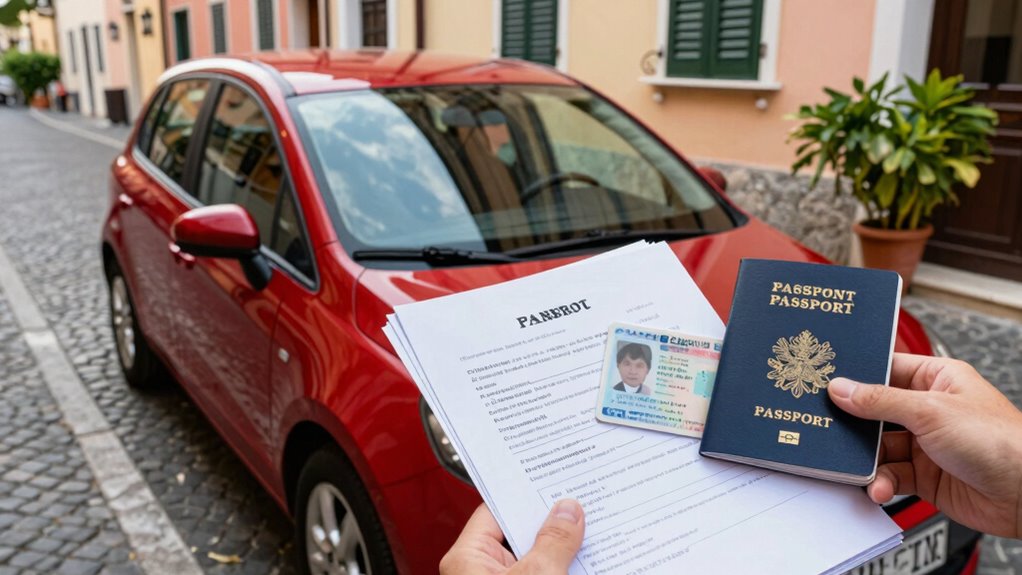

When renting a car in Italy, many Americans forget to carry a valid passport, an international driver’s permit if their license isn’t in Italian, and make certain their driver’s license is valid for the entire rental period. You also need to prepare secondary IDs, understand insurance coverage limits, and be aware of regional restrictions like ZTL zones. Missing these documents can cause delays or unexpected charges. Keep these details in mind to avoid surprises; there’s more to think about if you continue exploring.
Key Takeaways
- Ensure your valid U.S. passport and driver’s license are current and meet Italy’s minimum holding period requirements.
- Obtain an International Driving Permit (IDP) if your license isn’t in Italian or is non-EU, and carry it alongside your license.
- Prepare all necessary documents, including your passport, driver’s license, credit card, and any additional IDs, before arriving at the rental counter.
- Confirm that the main driver’s name matches the credit card used for the deposit to avoid issues.
- Review regional restrictions like ZTL zones and toll policies to ensure proper documentation and avoid fines.
Top picks for "rent italy paperwork"
Open Amazon search results for this keyword.
As an affiliate, we earn on qualifying purchases.
Essential Documents to Prepare Before Your Trip

To guarantee a smooth car rental experience in Italy, you need to gather and prepare essential documents before your trip. First, confirm you bring your valid passport, as rental agencies often require it as secondary ID. Don’t forget your driver’s license; some companies specify a minimum holding period, so check if yours qualifies. If your license isn’t in Italian, consider obtaining an International Driving Permit (IDP) to avoid issues. Bring a credit card with enough available limit for the deposit—debit cards are frequently declined. Finally, print and carry your reservation confirmation or voucher, as failure to present it can cause delays or upselling. Organizing these documents beforehand helps you avoid common pitfalls and ensures a hassle-free rental process in Italy. Additionally, verify that your affiliate disclosures or privacy preferences are in order to ensure a smooth transaction.
Understanding Your Driver’s License and IDP Requirements

Make sure your driver’s license is valid for the entire duration of your rental in Italy, as some agencies require it to be valid for at least a year. If your license isn’t in Italian or doesn’t meet local requirements, you’ll need an International Driving Permit (IDP) to avoid issues at pickup. Check both your license’s validity and whether you need an IDP before you arrive to prevent delays or fines.
Valid License Duration
Understanding how long your driver’s license is valid is essential before renting a car in Italy. Many rental companies require your license to be current for at least six months or more from the rental date. If your license has expired or will expire soon, you might be denied a vehicle. Some agencies also restrict rentals if your license is newer than one or two years, especially for certain vehicle types. Always check your license’s expiration date well in advance to avoid last-minute surprises. Remember, an expired license invalidates your ability to rent and drive legally. Keep your license up-to-date and verify rental requirements regarding license duration before arriving in Italy. This simple step prevents delays and ensures a smooth rental experience. Be aware that Free Floating options in Italy may have different regulations regarding driver qualifications, including license validity periods. Additionally, understanding the security zone info can help ensure you are prepared with the right documentation and knowledge about local regulations.
International License Necessity
If your driver’s license isn’t issued in Italy or the EU, carrying an International Driving Permit (IDP) becomes a must. Many Americans overlook this requirement, risking fines or denied rental. An IDP translates your license into multiple languages, including Italian, and confirms your legal driving status abroad. Before traveling, obtain your IDP through AAA or the American Automobile Association. Even if your license is valid, some rental agencies or local law enforcement may require it. Failure to present an IDP can delay pickup or result in penalties. Double-check your rental agreement for specific IDP requirements. Here’s a quick overview:
| Requirement | Explanation | Action Needed |
|---|---|---|
| EU/Italy License | Not needed | N/A |
| Non-EU License | Must have IDP | Obtain before trip |
| Validity | IDP valid for 1 year | Renew if expired |
| Language | Translates license | Essential for compliance |
| Rental Policy | May require IDP | Confirm with agency |
Additionally, vehicle rental policies often specify the need for an IDP, so it’s wise to verify directly with your rental company before arriving.
The Importance of a Valid Passport and Secondary IDs

A valid passport is vital when renting a car in Italy because rental agencies often require it as primary identification. Without it, you may face delays or be denied service altogether. Make sure your passport is current and easily accessible at the rental counter. Secondary IDs, like a driver’s license, are also essential, especially if your license is from outside Italy or the U.S. You may be asked to present additional proof of identity, such as a credit card in your name or a utility bill. Keep multiple forms of ID handy to streamline the process. Ensuring your documentation is complete and accurate can also help prevent issues with home energy integration or other aspects of your travel experience. Failing to bring the necessary documentation can lead to wasted time, extra fees, or even losing your rental. Prepare these documents in advance to avoid unnecessary complications during pickup. Additionally, verifying driver’s license validity beforehand can help prevent last-minute surprises. Being aware of international driving requirements can also be beneficial when traveling in Italy.
Navigating Insurance Options and Coverage Limits

Understanding your insurance options is vital to avoid costly surprises. Many renters overlook coverage limits and fine print details that can leave them exposed during an accident or theft. Make sure you know what’s included, what’s not, and how to properly document your coverage before hitting the road. Additionally, reviewing your pilot shirts for men aviator and hygiene practices can help prevent infections that might lead to unexpected medical expenses during your trip. Being aware of insurance coverage limits and how they apply can help you better navigate potential claims and avoid out-of-pocket costs. Familiarizing yourself with cookie categories and how they are managed can also ensure your browsing experience remains smooth and secure while researching insurance policies. Consulting with professional services can offer tailored advice to optimize your coverage and protect your trip investment.
Understanding Policy Details
Finding your way through rental car insurance options can be confusing, but knowing what coverage is included and where your limits lie helps you avoid unexpected costs. First, understand the scope of the Collision Damage Waiver (CDW). It typically covers damage but often has a deductible, which can be costly. Don’t assume your credit card offers full coverage; read the fine print to confirm if it’s primary or secondary insurance. Personal liability and theft protection are frequently overlooked, yet they can be essential if you’re involved in an accident or theft. Clarify whether the insurance covers damage in certain areas or to specific vehicle types, especially in Italy’s unique zones like ZTLs. Being aware of these details prevents surprises and ensures you’re adequately protected during your trip. Additionally, understanding regional policies for local zones can help prevent fines or denied coverage due to restrictions such as limited access areas. Knowing how insurance coverage limits apply in various regions ensures you won’t face unexpected expenses. It’s also helpful to verify if the rental agency provides additional coverage options that might better suit your needs. Familiarizing yourself with regional restrictions can further safeguard you from potential legal or financial issues while driving. Moreover, researching the history of local driving laws can enhance your safety and compliance during your stay.
Avoiding Coverage Pitfalls
Managing insurance options when renting a car in Italy can be tricky, but knowing how to avoid coverage pitfalls saves you money and stress. First, understand that your credit card may provide secondary coverage, but it often requires declining the rental agency’s CDW. Second, check the deductible and scope of local insurance policies—large excesses can still leave you responsible for significant costs. Third, don’t overlook personal liability and personal effects coverage, which are often excluded from credit-card policies. Finally, be aware of theft protection exclusions, such as leaving the keys in the vehicle or parking in unsafe areas. Additionally, proper insurance understanding can help you navigate the complexities of local and international policies to ensure comprehensive coverage during your trip. To stay protected, verify: 1. Your credit card’s coverage and whether you need to decline agency insurance. 2. The deductible and coverage limits of local insurance policies. 3. The scope of personal liability and effects coverage. 4. Theft and damage exclusions in the fine print. Being familiar with insurance policy details can prevent unexpected expenses and ensure you are fully covered.
How Age, Licenses, and Driver Eligibility Affect Your Rental
Your age and driver’s license eligibility directly impact your ability to rent a car in Italy, as rental companies enforce specific age requirements and license criteria. Most agencies require drivers to be at least 21, but some allow 18 with restrictions or surcharges. Younger drivers often face additional fees, and some companies restrict rentals to drivers with a license held for at least one year. If your license is from outside the EU, you may need an official translation or International Driving Permit (IDP). The main driver’s name must match the credit card used for the deposit, and you can’t rent if your license has been issued recently. Understanding these simple requirements and the importance of valid licensing can help you avoid common pitfalls. Ensuring your driver’s license validity is up to date is essential, as expired licenses will prevent you from renting a vehicle. Failing to meet these rules can result in denied rental or extra charges, so verify eligibility before booking. Additionally, being aware of license recognition policies can save you from unexpected issues at the rental counter. Being familiar with driver age restrictions and how they vary by rental company can further streamline your experience.
Vehicle Restrictions and Geographic Limitations in Italy

Before renting a car in Italy, understanding vehicle restrictions and geographic limitations is vital. Failing to do so can lead to fines, denied access, or vehicle damage. Here are key points to contemplate:
- Cross-border travel may be restricted; check if your vehicle can enter neighboring countries like Switzerland or France.
- ZTL (limited traffic zones) in historic city centers often require special permits or can result in hefty fines if entered illegally.
- Narrow streets and tight parking in towns demand smaller, maneuverable vehicles; choosing the wrong size can cause trouble.
- Fuel policies vary—full-to-full is common, but pre-purchase options exist, which can be costly if misunderstood. Managing toll systems and GPS use also requires planning.
Renting a car in Italy often comes with unexpected costs that can catch travelers off guard. One major hidden expense is the security deposit, which can be a hefty hold on your credit card, sometimes exceeding your rental fee. Taxes, airport surcharges, and local fees are often added at pickup and can notably increase your total cost. Don’t forget about tolls; electronic toll devices like Telepass may incur extra charges or administrative fees if not understood beforehand. Additional charges for late returns, roadside assistance, or cleaning—especially if you smoke or leave the car dirty—can also surprise you. Plus, fines for parking violations or traffic infractions are usually passed directly to you, often with service fees. Always clarify these potential costs before signing the rental agreement to avoid budget-busting surprises. Being aware of home safety & accessibility tips can help you prepare for unexpected expenses and manage your budget effectively during your trip.
Dealing With Traffic Fines and Post-Rental Notifications
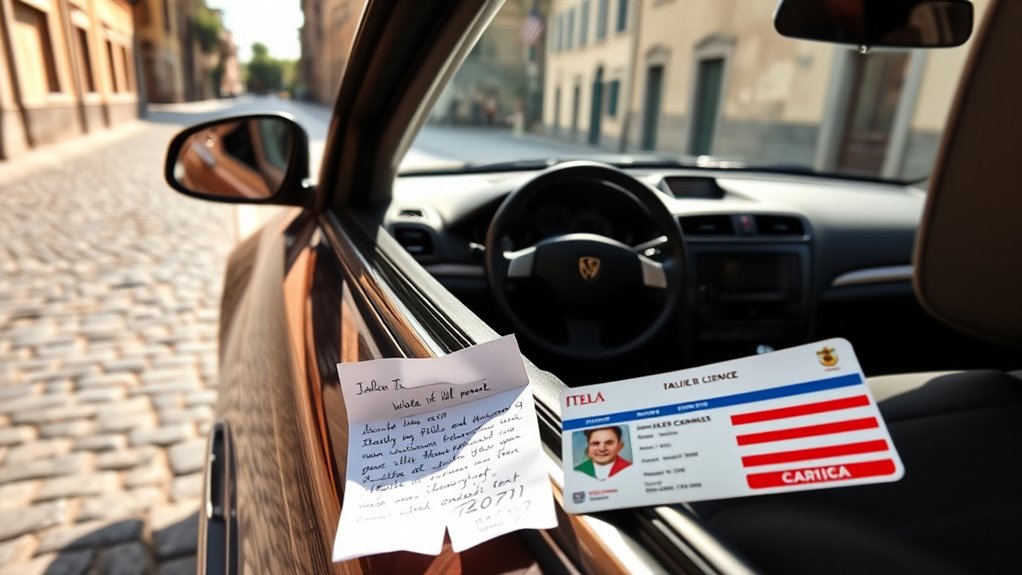
Traffic fines and post-rental notifications often catch travelers off guard if they’re unaware of the local enforcement system. You might not realize that speeding, parking violations, or ZTL infractions will be documented and sent to your rental company, then billed to you later with added fees. To avoid surprises, keep these points in mind:
- Fines from speed cameras or ZTL zones are typically sent weeks or months after the violation.
- Rental companies charge service fees for processing fines, which can considerably increase costs.
- Parking tickets and tow charges often arrive days after the incident, with some municipalities requiring immediate payment.
- Ignoring or delaying payments can result in collection agency charges or additional penalties, complicating your travel plans.
Stay alert, pay fines promptly, and monitor your email or rental account for notifications.
Tips for Avoiding Common Paperwork Pitfalls at the Rental Desk

To avoid delays and unexpected charges at the rental desk, you need to guarantee all required paperwork is in order beforehand. First, verify you have your valid passport and driver’s license, along with an International Driving Permit if required. Bring a printed reservation confirmation or voucher, as missing it can cause delays or upsells. Confirm your credit card has enough available limit and is the correct type, since debit cards are often declined. Check that your license meets agency requirements, such as holding it for at least a year or having proper translations or IDPs for non-EU licenses. Keep copies of your insurance coverage details, including any waivers or secondary coverage. Being prepared with these documents prevents surprises and smooths your pickup experience.
Frequently Asked Questions
Do I Need an International Driving Permit (IDP) for All Rentals in Italy?
You generally need an International Driving Permit (IDP) for rentals in Italy if your driver’s license isn’t from the EU or the U.S. and isn’t in Italian. If you’re from the U.S., some agencies accept your valid license without an IDP, but it’s safer to get one beforehand. Always check with your rental company’s requirements to avoid issues at pickup, especially if your license isn’t in a widely understood language.
Can I Use a Debit Card for the Rental Deposit?
You can use a debit card for the rental deposit, but don’t assume it’ll be accepted without issues. Many rental agencies prefer credit cards because they offer more security. Your debit card might be declined or hold a large sum for security, tying up funds. To avoid surprises, check with your rental company beforehand, verify your debit card has sufficient funds, and be prepared for possible additional documentation or restrictions.
Are There Specific Paperwork Requirements for Young Drivers?
Yes, young drivers need specific paperwork when renting a car in Italy. You typically must present a valid driver’s license held for at least one year, and some agencies require an International Driving Permit (IDP) if your license isn’t in Italian or EU language. You’ll also need to pay a young driver surcharge, and declaring additional drivers upfront is essential to avoid extra fees. Check the rental company’s age policies before booking.
What Secondary IDS Are Accepted Besides My Passport?
Besides your passport, rental agencies in Italy often accept a valid national ID card if you’re an EU resident. Some may also accept a driver’s license from your home country, but check with the agency first. Make sure your secondary ID is current and matches your name. Carrying multiple forms of identification speeds up the process and helps avoid delays or issues at the rental desk.
How Early Should I Complete Paperwork Before Arriving at the Rental Desk?
You should complete all rental paperwork at least 24 to 48 hours before arriving at the rental desk. Doing so allows you to verify your documents, like your IDP, driver’s license, and reservation details, diminishing delays. Many companies now offer online check-in options, so take advantage of that. Preparing early helps you avoid last-minute surprises, guarantees all requirements are met, and makes the pickup process smoother and faster.
Conclusion
So, as you prepare to rent your car in Italy, remember there’s more than just the paperwork—hidden details can catch you off guard. Double-check your documents, understand the rules, and stay alert. One overlooked detail could turn a smooth trip into a stressful ordeal. Stay vigilant, stay informed, and keep one step ahead. After all, the true adventure begins not just with the roads you travel, but with the precautions you take along the way.