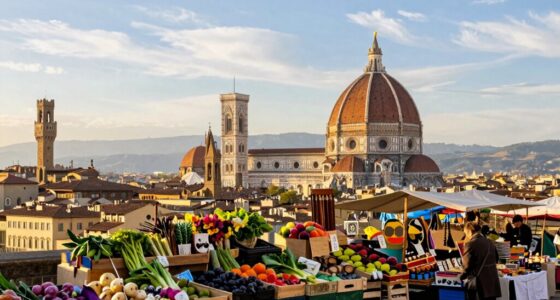
In 48 hours in Florence, focus on iconic sites like the Duomo, Uffizi, and David, reserving tickets early to skip lines. Balance indoor art visits with outdoor city views at Piazzale Michelangelo and stroll along the Arno. Enjoy local flavors through markets and authentic trattorias, and plan routes to maximize time. Add some buffer for weather or crowds. Curious how to craft the perfect schedule? Keep exploring for all the tips to make your trip unforgettable.
Key Takeaways
- Prioritize must-see landmarks like Uffizi, David, and Duomo, booking tickets in advance to save time.
- Balance indoor museum visits with outdoor sightseeing, adapting to weather conditions for a flexible itinerary.
- Group nearby attractions such as Piazza della Signoria and Palazzo Vecchio for efficient exploration.
- Incorporate local dining, markets, and piazzas to enjoy authentic flavors and immerse in Florence’s culture.
- Build buffer times between activities and have backup plans to manage crowds, lines, and weather changes effectively.
Top picks for "florence only hour"
Open Amazon search results for this keyword.
As an affiliate, we earn on qualifying purchases.
Prioritize Must-See Landmarks and Early Visits
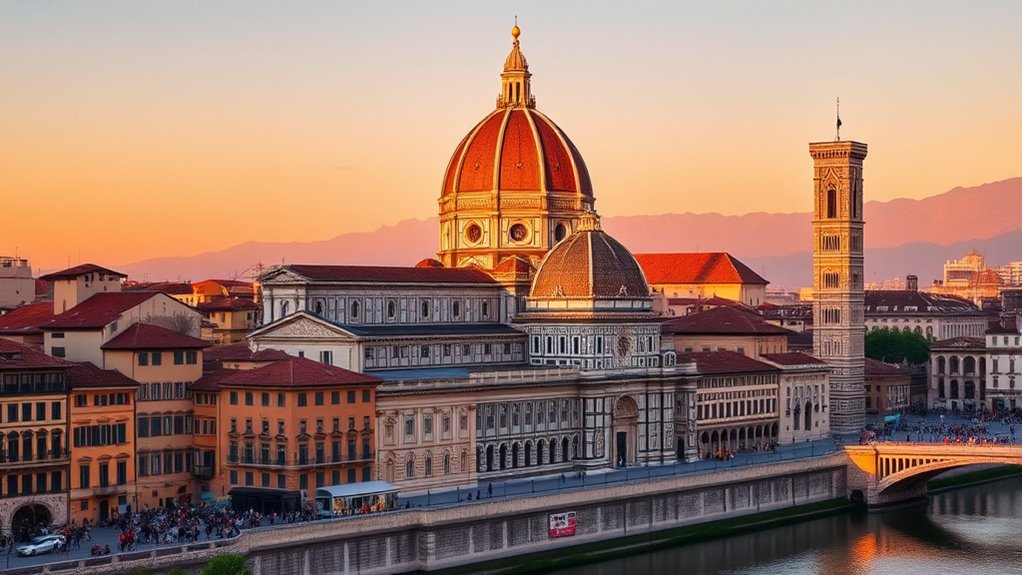
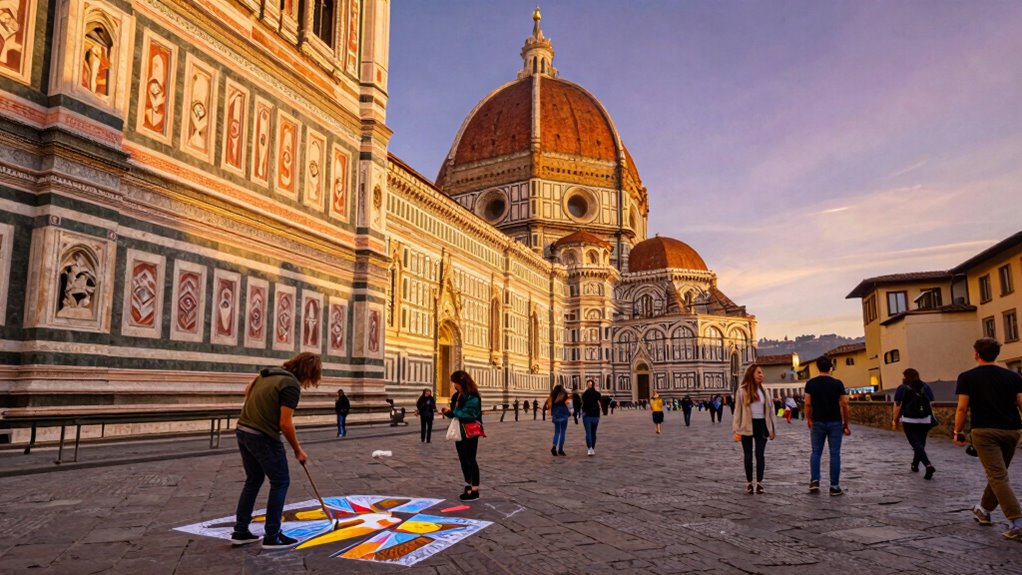
To make the most of your time in Florence, start your day by visiting the city’s top landmarks first. Reserve your tickets in advance for the Uffizi Gallery and Galleria dell’Accademia to skip long lines and secure your spot. Head straight to the Duomo early in the morning to climb the dome or Giotto’s Campanile—both have limited capacity and offer incredible city views. Visit the Accademia first thing to see Michelangelo’s David before crowds arrive. Schedule visits to the Museo dell’Opera del Duomo or Baptistery mid-morning to connect the architecture with your earlier cathedral experience. For a peaceful start, catch sunrise or early morning from Piazzale Michelangelo for stunning panoramic views with fewer people around. Prioritizing these landmarks ensures you make the most of your limited time. Additionally, considering the projector technology used in modern home cinemas can enhance your viewing experience when relaxing after a day of sightseeing. Exploring the European cloud servers industry can also offer insights into innovative solutions for sustainable and secure digital infrastructure in the region.
Maximize Afternoon Art and Museum Routes
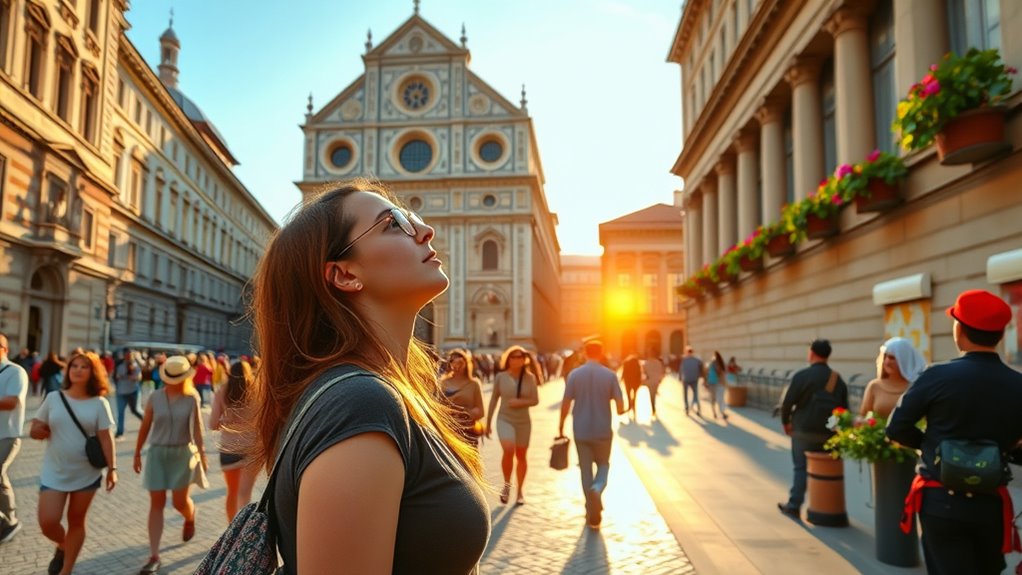
Efficiently planning your afternoon museum visits can considerably enhance your Florence experience by reducing transit time and maximizing your time inside each site. To do this effectively:
Maximize your Florence visit with smart museum grouping and efficient scheduling.
- Group nearby attractions, like pairing the Uffizi with Piazza della Signoria and Palazzo Vecchio, to minimize walking.
- Visit Pitti Palace and the Boboli Gardens together, allowing a seamless progression from indoor art to outdoor scenery.
- Allocate specific time slots for each museum—around 1.5 hours for the Uffizi and 1 hour for the Accademia—to stay focused.
- Use nearby cafes or the Mercato Centrale for quick, convenient lunch options, saving time without sacrificing quality.
This approach keeps your afternoon productive, letting you enjoy Florence’s rich art scene without feeling rushed.
Experience Florence’s Sunset Views and Dining Scenes
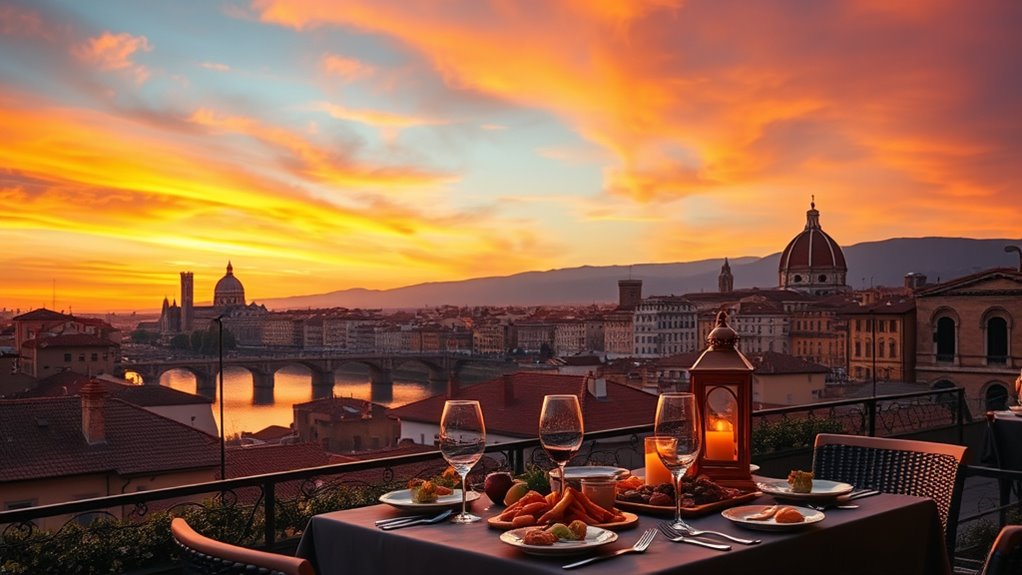
Watching the sunset over Florence offers an unforgettable moment that combines stunning views with the city’s vibrant atmosphere. Head to Piazzale Michelangelo in the late afternoon to catch golden-hour light and panoramic vistas of the city’s rooftops and the Arno River. Afterward, find a nearby rooftop bar or café near the Duomo or Ponte Vecchio to enjoy a revitalizing aperitivo as you watch the sky change colors. For dinner, venture into the Oltrarno district for authentic Tuscan cuisine away from tourist crowds. Consider booking a table in advance. As night falls, take a leisurely stroll across Ponte Vecchio and along the Arno, soaking in the illuminated bridges and façades. These moments blend natural beauty with Florence’s lively spirit, perfect for closing your 48-hour adventure. Exploring at‑home beauty tech devices can help you maintain that radiant glow even after your trip.
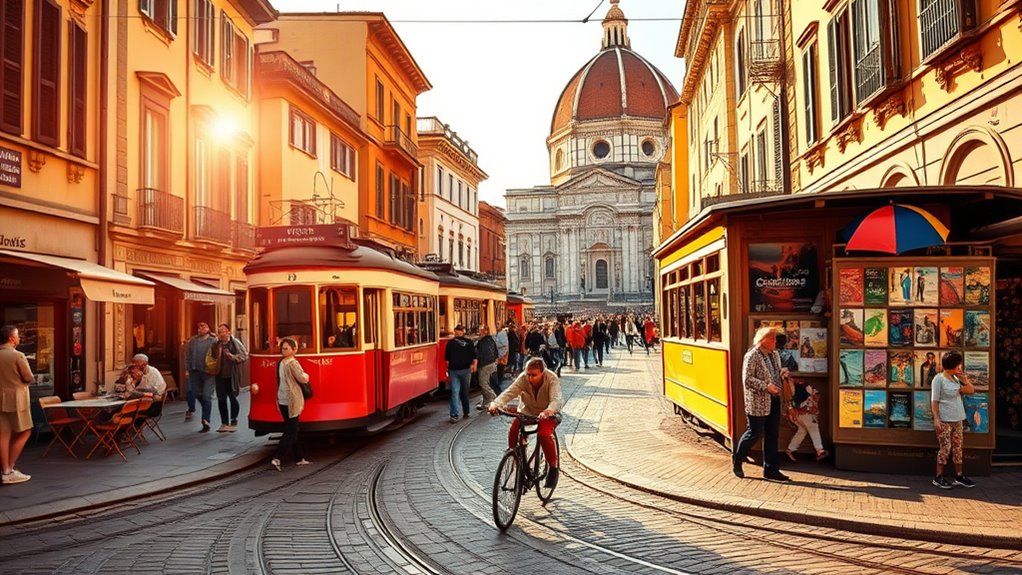
To make the most of your time in Florence, focus on efficient walking routes that connect major sights within the compact city center. You can also optimize transit options like buses for uphill trips or when you’re short on time. Planning your movements carefully helps you avoid unnecessary delays and frees up more moments to enjoy the city’s highlights. Using a map or navigation app can further streamline your route planning and ensure you don’t miss any must-see locations.
Subheading 1: Efficient Walking Routes
Traveling Florence’s historic center is best done on foot, as most major attractions are within a 20 to 30-minute walk of each other. To make your route efficient, consider these tips:
- Start early at the Duomo and climb Giotto’s Campanile for panoramic views before crowds arrive.
- Head straight to the Galleria dell’Accademia to see Michelangelo’s David in the morning.
- Walk from there to Piazza della Signoria and Palazzo Vecchio, which are nearby.
- End your day with a stroll to Ponte Vecchio and along the Arno, enjoying the illuminated sights.
Stick to this loop to save time and energy, and wear comfortable shoes—Florence’s cobblestones demand it. This way, you’ll maximize your 48 hours exploring on foot.
Subheading 2: Optimize Transit Options
Since Florence’s historic center is compact and easily walkable, prioritizing walking as your primary transportation method is the most efficient way to explore. Most major sights—Duomo, Uffizi, Ponte Vecchio—are within 20-30 minutes on foot, saving time and avoiding transit costs. For destinations outside the center, like Piazzale Michelangelo, use buses (lines 22 or 23) to save uphill walking. Purchase timed-entry tickets in advance to streamline visits and minimize wait times. Keep a detailed schedule with buffer periods for lines and delays. Wear comfortable shoes and carry a small backpack for essentials. When necessary, taxis or ride-sharing apps can quickly cover short distances, but walking remains your best option for maximizing sightseeing and avoiding traffic or parking hassles. Utilizing Free Floating bike-sharing options can also be a convenient way to cover short distances efficiently.
Savor Local Flavors: Markets, Quick Bites, and Cafés
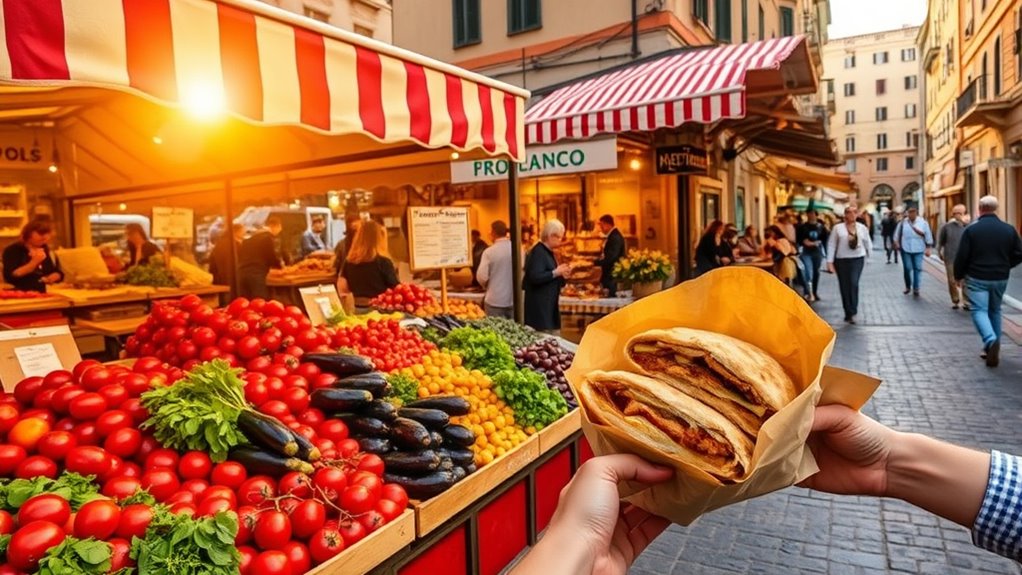
Exploring Florence’s vibrant food scene is a delightful way to experience its local flavors without the need for lengthy sit-down meals. You can sample authentic Tuscan bites quickly and easily. Here’s how:
Discover Florence’s tasty local bites with quick visits to markets, cafés, and gelato shops.
- Hit Mercato Centrale for a variety of fresh, tasty options—perfect for a quick, flavorful lunch.
- Grab a gelato from a reputable gelateria—look for natural ingredients to enjoy a genuine treat.
- Stop at a historic café for an espresso or pastry, immersing yourself in local coffee culture.
- Enjoy an aperitivo in the late afternoon, sipping drinks with small plates at a bar near major squares.
- Be mindful of credit card security measures when paying, ensuring your data remains protected during quick transactions.
- Consider the electric bike options available in Florence for efficient and eco-friendly transportation to explore the city’s sights comfortably.
These bites let you savor Florence’s culinary soul without missing out on sightseeing. Keep it simple, flavorful, and efficient.
Adapt Plans for Weather, Crowds, and Closures
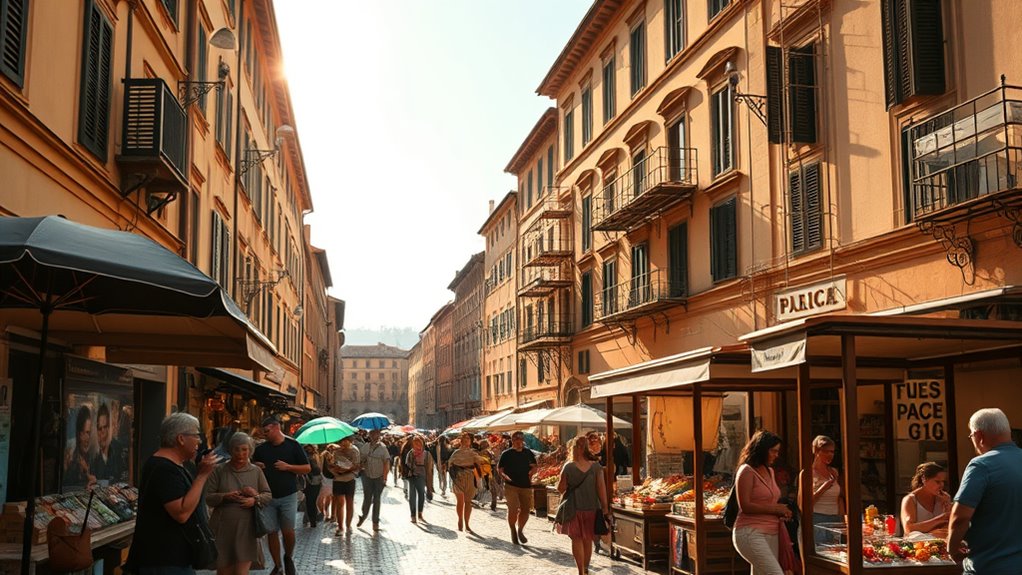
When weather conditions or unexpected closures threaten to disrupt your plans, having adaptable strategies ready is essential. If rain or heat restrict outdoor activities like Piazzale Michelangelo or Boboli Gardens, switch to indoor sites such as the Bargello or Museo dell’Opera del Duomo. Keep a list of backup options that are easily accessible. If crowds are overwhelming, visit popular attractions early in the morning or later in the afternoon when foot traffic subsides. Always check for last-minute closures or strikes before heading out—many museums post updates online. Flexibility is key: if a site is closed or too crowded, explore nearby squares like Piazza della Signoria or cross the Ponte Vecchio for scenic views. Having these alternatives ensures you make the most of your limited time.
Create a Flexible 48-Hour Itinerary for an Unforgettable Trip
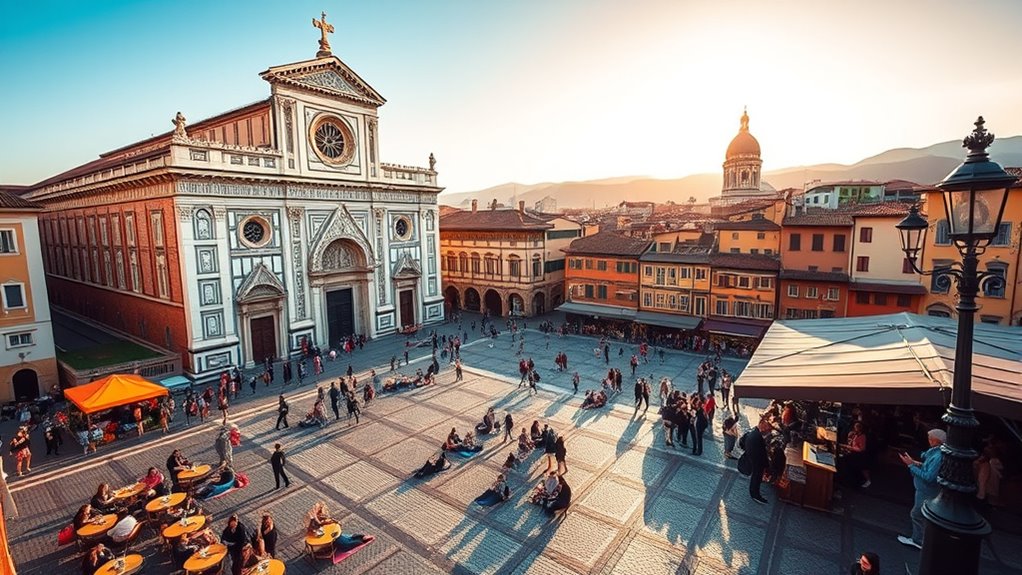
Designing a flexible 48-hour itinerary in Florence means balancing must-see highlights with options to adapt on the fly. To do this effectively:
- Prioritize key sites like the Uffizi, David, and Duomo early, reserving tickets and planning time slots. Incorporating cultural decor elements or historical insights can enrich your visits and deepen your appreciation.
- Mix indoor and outdoor activities—visit museums on rainy days, enjoy piazzas and viewpoints when sunny.
- Build in buffer time—30 to 45 minutes between major stops—to handle lines or delays.
- Keep alternative plans ready, such as switching outdoor visits for indoor museums or exploring lesser-known neighborhoods if crowds are overwhelming.
- Incorporate local dining customs and European hosting rhythms to enrich your experience and maintain a relaxed pace throughout your trip.
Frequently Asked Questions
How Can I Skip Long Lines at Florence’s Top Attractions?
To skip long lines at Florence’s top attractions, buy your tickets online in advance and choose timed entries. Arrive early or later in the afternoon to avoid peak hours. Reserve guided tours or skip-the-line tickets for popular sites like Uffizi and Accademia. Use mobile apps or official websites to check real-time wait times, and consider visiting less crowded hours or days to enjoy your visit without the wait.
What Are the Best Times to Visit to Avoid Crowds?
Visit early mornings and late afternoons to avoid crowds at Florence’s top sites. Aim for sunrise at Piazzale Michelangelo or before 9 am for major landmarks like the Duomo and galleries. Midweek visits also help, avoiding weekends when crowds peak. Use pre-booked tickets and arrive right when attractions open or during the last hour before closing. These times give you a more relaxed experience and better photo opportunities.
Is It Possible to See Everything in 48 Hours?
Yes, you can see a lot in 48 hours if you plan carefully. Start early, prioritize the main landmarks like the Duomo, Uffizi, and David, and book timed tickets in advance. Walk between nearby sites to save time, and use quick meals or market stops for efficiency. Keep some flexibility for weather or crowds, and focus on your must-sees first. With good planning, you’ll maximize your brief stay.
How Should I Prioritize Indoor Versus Outdoor Activities?
You should prioritize indoor activities when the weather’s unpredictable or during peak heat, like visiting the Uffizi, Accademia, and Palazzo Pitti. Save outdoor sites such as Piazzale Michelangelo and Boboli Gardens for early mornings or late afternoons when the light is best and crowds are thinner. Balancing indoor and outdoor experiences guarantees you enjoy Florence comfortably, regardless of weather or time constraints, making your 48 hours more enjoyable.
What Are Quick Transportation Options Between Major Sights?
You should mainly walk between major sights since Florence’s center is compact and walkable within 20-30 minutes. To save time on uphill routes like Piazzale Michelangelo, hop on buses such as lines 22 or 23. Prebook timed-entry tickets to avoid lines, and consider using taxis or ride-shares for quick, hassle-free transports if you’re pressed for time. This way, you’ll maximize your sightseeing without wasting minutes on transit.
Conclusion
With just 48 hours in Florence, you’ll craft a tapestry of unforgettable moments, weaving iconic sights with hidden gems. Think of your trip as a delicate dance—each step carefully timed and embraced with spontaneity. Embrace the city’s rhythm, savor every flavor, and let the art and history breathe life into your journey. In Florence, even a brief visit becomes a masterpiece, leaving your soul enriched long after you’ve bid arrived.