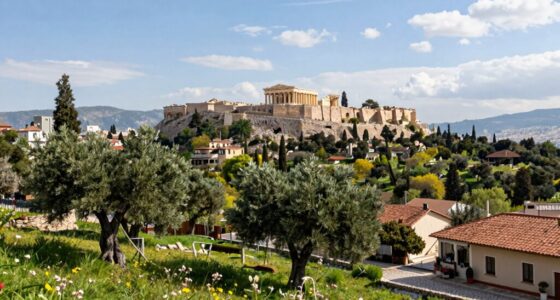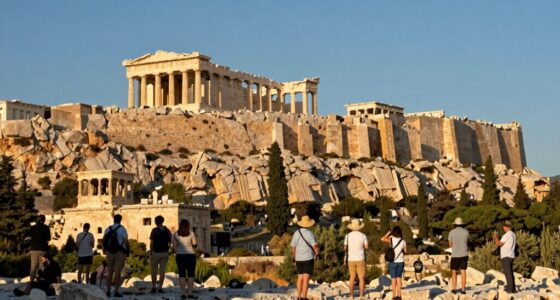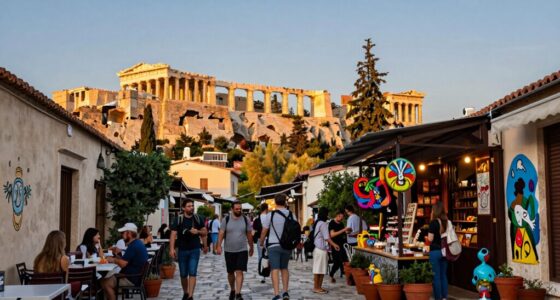

The biggest planning misconception between Athens and Santorini is focusing too much on visitor numbers rather than actual spending and experience quality. Many assume high arrival rates equal success, but this overlooks declining per-visitor spend and infrastructure limits. This shortsighted view can lead to overcrowding and limited economic gains. To truly understand what drives sustainable tourism, you’ll see how shifting priorities and destination diversity matter more than just counting visitors. Keep going to uncover the full picture.
Key Takeaways
- The misconception is that Santorini’s popularity is more sustainable or profitable than Athens, ignoring infrastructure and regional balance issues.
- Visitors often assume high Athens traffic equates to success, overlooking declining per-visitor spending and infrastructure strain.
- Many plan trips focusing solely on Santorini, risking overcrowding and underutilizing Athens’ cultural and urban attractions.
- The belief that Santorini’s scenic appeal guarantees economic benefits ignores limitations like capacity and seasonality.
- Overemphasizing Santorini’s attractiveness can misguide planners, neglecting Athens’ role and the need for diversified, balanced tourism strategies.

A Guide to Relocating to Greece: Embrace the Mediterranean Dream
As an affiliate, we earn on qualifying purchases.
As an affiliate, we earn on qualifying purchases.
Misunderstanding the Visitor Volume Focus

Many people assume that increasing visitor numbers automatically boosts a destination’s economic success, but in Greece’s case, this focus on volume can be misleading. You might think that more tourists equal more money, but that’s not always true. Athens, for example, attracts millions of visitors each year, yet spending per visitor has declined sharply. Instead of generating higher revenue, the city’s economy becomes overly dependent on sheer arrival numbers. This reliance can lead to overcrowding and infrastructure strain, which diminishes the overall visitor experience and economic benefits. This situation highlights the importance of contrast ratio in creating a balanced and sustainable tourism model. This means that even if visitor counts rise, the actual economic benefit may stagnate or shrink if visitors spend less. Relying solely on volume overlooks the importance of attracting high-value travelers. You need to focus not just on how many people come, but on how much they spend and how they contribute to local businesses and infrastructure. Recognizing visitor spending patterns is essential for developing more effective tourism strategies. Additionally, understanding visitor behavior can help destinations tailor their offerings to encourage longer stays and higher expenditures. Incorporating insights from essential oils for tourism health can also promote traveler well-being, encouraging positive experiences and repeat visits.

LISEN Airplane Travel Essentials for Women Men Phone Holder for Desk Cruise Essentials 2026 MagSafe Travel Size Accessories Airplane Gadgets Men Long Flight Spring Break Essentials Easter Gifts
Designed for MagSafe | Important Notes Before Use: Not compatible with car vents/dashboards to avoid damage to devices…
As an affiliate, we earn on qualifying purchases.
As an affiliate, we earn on qualifying purchases.
Overestimating the Spending Power of Tourists
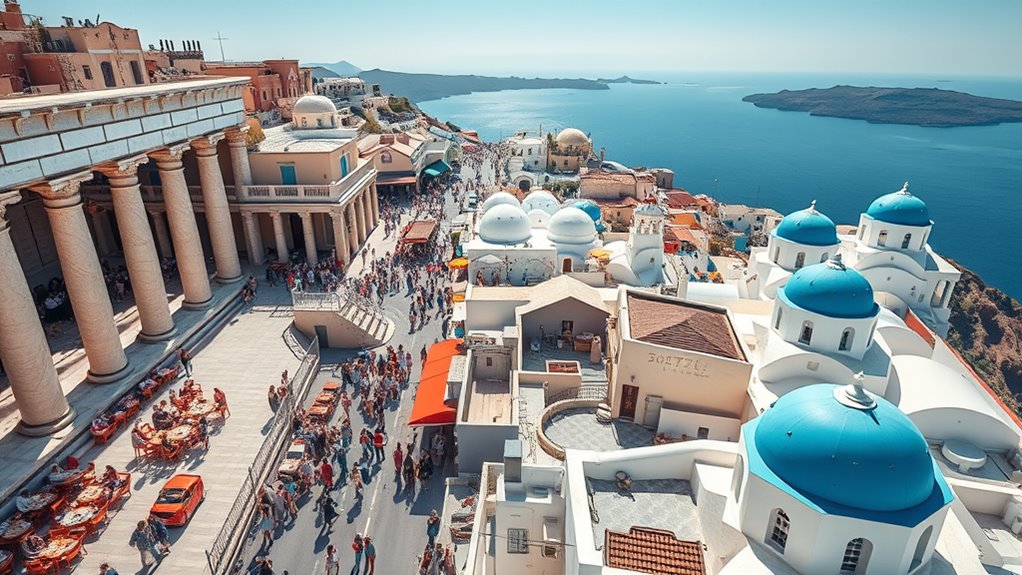
You might assume that more visitors mean higher spending, but that’s not always the case. Despite rising arrival numbers, travelers are spending less per trip, especially in Athens and Santorini. Overemphasizing the volume of tourists can lead you to overlook the shrinking spending power of each visitor. Additionally, factors such as economic fluctuations and changing traveler preferences have contributed to this trend, emphasizing the importance of understanding AI cybersecurity jobs and investment strategies rather than solely focusing on tourist influx. Recognizing the impact of cookies on user engagement and behavior can also influence how businesses adapt to these shifts. For example, the Free Floating concept highlights how external factors can influence visitor behavior and spending patterns, underscoring the need for adaptable strategies in tourism management.
Assumed High-Value Visitors
Despite Greece’s reputation as a luxury destination, the assumption that high-value visitors substantially boost revenue may be overstated. Many believe affluent travelers spend more, but recent data shows this isn’t always the case. While some elite tourists do spend generously, a large portion of visitors, especially from major markets like the UK, Germany, and France, are spending less per trip. This shift indicates a changing traveler behavior, with fewer willing to splurge on high-end experiences. Overestimating the spending power of these visitors can lead to misguided investment decisions and inflated expectations. Additionally, Key brands recognized for quality and durability suggest that many tourists are prioritizing value over luxury, further impacting revenue expectations. Recognizing this reality is vital for sustainable tourism planning, and adjusting marketing strategies accordingly. Understanding the spending patterns of tourists can help local businesses develop more realistic revenue projections and avoid overreliance on assumptions about affluent visitors. Furthermore, the trend toward value-oriented shopping highlights the importance of offering affordable yet appealing options to meet diverse tourist preferences. Incorporating market research can also provide deeper insights into evolving consumer behaviors, ensuring strategies remain relevant.
Declining Per-Trip Spending
Recent data indicates that the assumption of high-value tourists considerably boosting Greece’s tourism revenue is increasingly flawed. You might think visitors are spending more than ever, but the reality shows a different trend. Spending per trip has sharply declined, especially in September 2025, with a 7.8% drop despite rising visitor numbers. This shift means more tourists aren’t necessarily spending more money, impacting overall revenue.
- Major markets like Germany and the UK are spending less, reducing income per visitor
- Tourists are opting for cheaper accommodations and activities, limiting spending growth
- Greece’s reliance on volume rather than high-value spending risks overstating its revenue potential
- The trend highlights the importance of energy-efficient and sustainable tourism initiatives to adapt to changing spending patterns
Understanding this change is vital for realistic revenue planning and sustainable tourism strategies.
Overemphasis on Arrival Numbers
Focusing primarily on increasing tourist arrival numbers can lead to a misleading picture of Greece’s true revenue potential. Higher visitor counts don’t guarantee higher spending, especially when per-trip expenditures decline. Many destinations, like Athens, see a surge in arrivals but face reduced spending per visitor, which weakens actual economic benefits. Relying solely on arrival figures can inflate success metrics while masking underlying issues like market saturation or lowered tourist spending power.
| Destination | Arrival Growth | Spending Trends |
|---|---|---|
| Athens | +5.6% in 2025 | -7.8% per trip |
| Santorini | -19.1% arrivals | Declining, post-seismic recovery |
| Mykonos | Stable | Moderate growth |
This imbalance highlights the need to prioritize visitor quality and spending over sheer volume.
tourist spending analytics tools
As an affiliate, we earn on qualifying purchases.
As an affiliate, we earn on qualifying purchases.
Ignoring Seasonal Variations in Travel Patterns
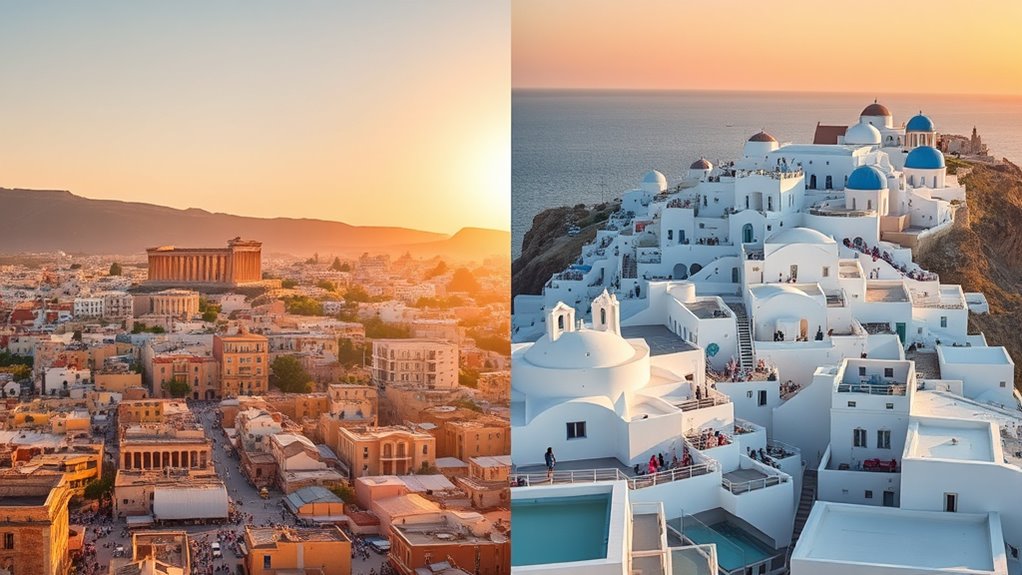
Ignoring seasonal variations in travel patterns can lead to misleading assessments of a destination’s tourism performance. You might think high visitor numbers mean strong demand year-round, but that’s often false. Recognizing seasonal trends helps you understand true tourism health and economic impact. Additionally, analyzing industry trends provides deeper insights into fluctuations and long-term sustainability.

Desensitizing Delay Sprayer for Long Last Men, Fast-Acting Formula, Enhancing Intimacy Experience for Couples, Discreet Travel-Size Personal Care Mist, Retardante para Caballeros, 10ml (0.34 FL oz)
Extend Sensations & Enhance Mutual Experience: Our delay spray is designed to help you feel more in control…
As an affiliate, we earn on qualifying purchases.
As an affiliate, we earn on qualifying purchases.
Underestimating the Impact of Infrastructure Limitations
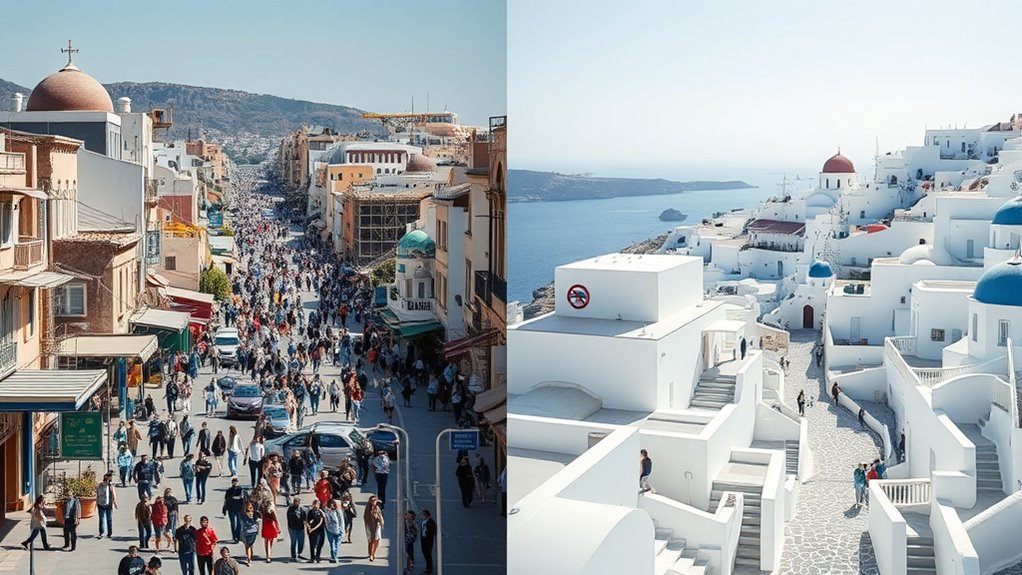
Underestimating the impact of infrastructure limitations can substantially hinder Greece’s tourism recovery and long-term growth. Athens Airport handles nearly 32 million arrivals annually, making it a critical hub, but capacity constraints can cause delays and overcrowding, discouraging visitors. Airport capacity issues often lead to longer wait times and logistical bottlenecks that diminish visitor satisfaction. Additionally, limited transportation infrastructure on the islands hampers ease of travel, further deterring potential tourists. The scarcity of reliable ferry services on Santorini and other islands restricts tourism flow, especially for cruise passengers and island-hoppers. The rapid expansion of short-term rentals in Athens adds pressure to existing hotel infrastructure, risking overcrowding and declining service quality. Ongoing hotel supply increases, while necessary upgrades lag behind demand, threaten the sustainability of tourist sites. These infrastructure challenges can lead to visitor dissatisfaction, reduced spending, and slower recovery, especially if authorities overlook the need for strategic investments. Recognizing and addressing infrastructure capacity issues through targeted investments is essential for supporting sustainable growth. Without addressing these limitations, Greece risks undermining its tourism potential and long-term competitiveness.
Overlooking the Significance of Destination Diversity
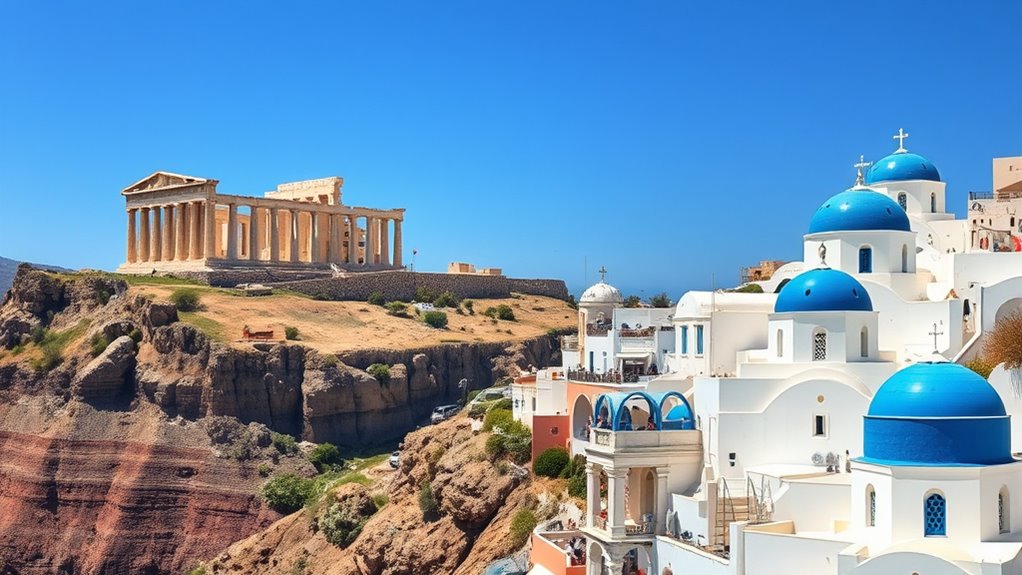
You might focus heavily on Athens, but ignoring other destinations limits growth and resilience. Underutilizing secondary locations like Santorini can reduce overall visitor experience and economic benefits. Embracing a diverse destination mix spreads tourism impacts and creates more sustainable opportunities for Greece. Additionally, promoting cycling-friendly infrastructure can further enhance the appeal of less-visited areas and encourage eco-friendly tourism. Implementing destination diversification strategies can help balance visitor distribution and boost regional development. Recognizing the importance of destination diversification can lead to more resilient tourism sectors and a richer visitor experience throughout Greece.
Overdependence on Athens
Greece’s heavy reliance on Athens as the primary gateway for international tourists has led to a risky overdependence that overlooks the importance of diversifying its destination portfolio. This focus on Athens means the country risks economic instability if visitor numbers decline or external factors disrupt travel. Overdependence can also strain Athens’ infrastructure and inflate its tourism-related costs, leaving secondary destinations underfunded and underdeveloped.
- Limiting visitor spread hampers regional economic growth
- Overcrowding in Athens impacts visitor experience and sustainability
- Neglecting secondary destinations reduces overall tourism resilience
Balancing visitor flows across Greece’s diverse attractions not only spreads economic benefits but also mitigates risks, ensuring sustainable growth and better experiences for travelers.
Underutilized Secondary Destinations
Despite Athens dominating Greece’s tourism landscape, many secondary destinations remain underutilized, limiting the country’s overall tourism potential. Islands like Naxos, Paros, and Crete offer unique experiences but often get overshadowed by Santorini or Mykonos. This underappreciation restricts economic growth and disperses visitor flow more evenly across Greece. By diversifying your itinerary, you can avoid overcrowding and enjoy authentic local culture, scenic landscapes, and quieter ambiance.
| Destination | Key Attraction |
|---|---|
| Naxos | Ancient ruins, beaches |
| Paros | Traditional villages |
| Crete | Historic sites, mountains |
| Rhodes | Medieval Old Town |
| Corfu | Lush landscapes, beaches |
Benefits of Destination Mix
A well-balanced destination mix enhances the overall tourism experience by spreading visitors across various locations, reducing pressure on popular sites like Athens and Santorini. This approach benefits travelers by offering diverse activities and authentic local culture while easing overcrowding. It also helps sustain smaller destinations by boosting their economies and infrastructure. By exploring less crowded areas, you can enjoy more personalized service and authentic experiences, making your trip more memorable. Additionally, a varied itinerary can improve the sustainability of Greece’s tourism industry, preventing burnout and preserving natural and cultural assets.
- Distributes tourism impact more evenly across regions
- Encourages exploration of hidden gems and secondary destinations
- Supports local communities and reduces overtourism in hotspots
Misjudging the Role of Cultural and Natural Attractions
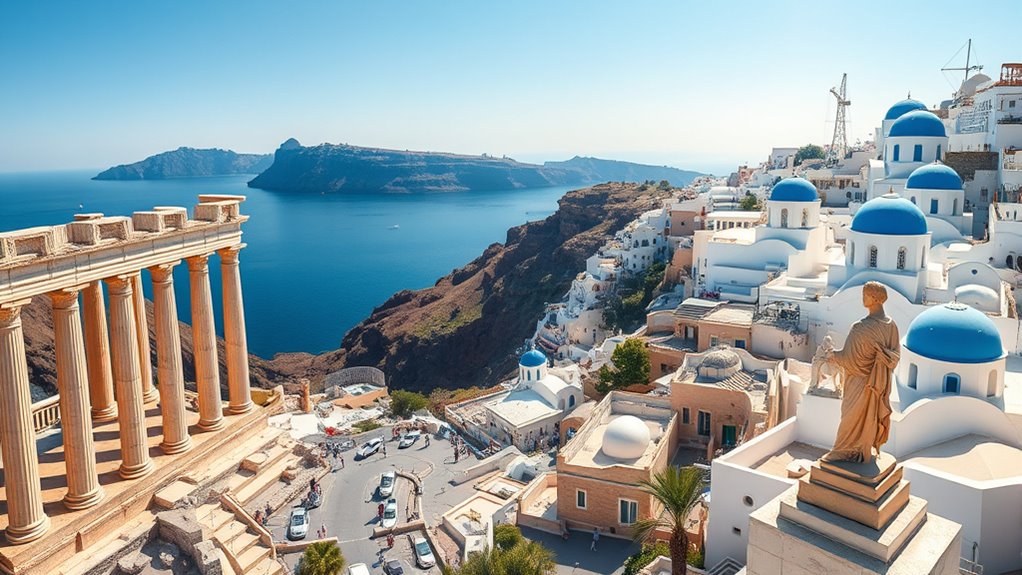
Many tourism strategies focus heavily on attracting visitors through iconic cultural and natural attractions, but this approach can lead to misjudging their true impact on sustainable growth. Relying solely on these highlights often oversimplifies what drives long-term success. For instance, Athens’ Acropolis and waterfront draw many first-time visitors, but they don’t guarantee repeat visits or increased spending. Similarly, Santorini’s landscapes and beaches attract tourists, yet seismic activity and safety concerns can quickly diminish appeal. Overestimating the power of these attractions risks neglecting underlying factors like infrastructure, accessibility, and visitor experience quality. You might assume that showcasing famous sights alone sustains tourism, but in reality, a balanced strategy that emphasizes authentic experiences, safety, and local engagement is vital for lasting growth.
Neglecting the Effects of Safety and Perception on Tourism
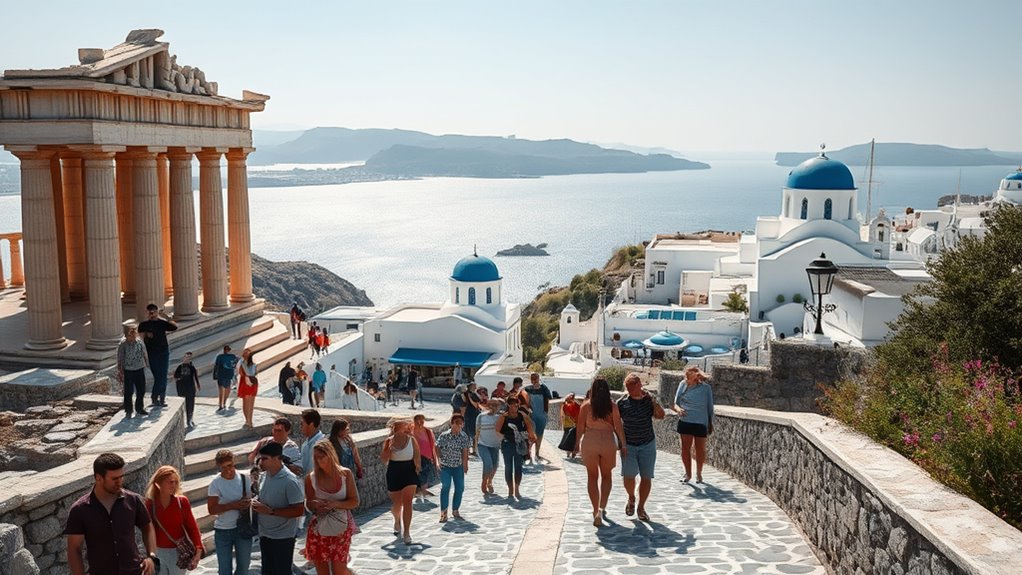
Safety and perception play a crucial role in shaping tourist decisions, yet they’re often overlooked in strategic planning. If travelers perceive a destination as unsafe or unstable, they’ll hesitate or choose alternative spots. For example, seismic activity in Santorini during 2025 temporarily damaged its safety image, reducing bookings despite recovery efforts. Conversely, Athens’ higher safety ranking boosts confidence, attracting cautious travelers.
Perceived safety greatly influences tourism; negative events can harm, while high safety ratings attract cautious travelers.
- Negative incidents or natural disasters can quickly tarnish a destination’s reputation and deter visitors.
- Perceived safety influences not just arrivals but also length of stay and spending habits.
- Public perception can linger long after actual risks diminish, impacting future tourism flows.
Ignoring these factors risks long-term decline, making safety and perception critical for sustainable tourism growth.
Underappreciating the Importance of High-Value Segments
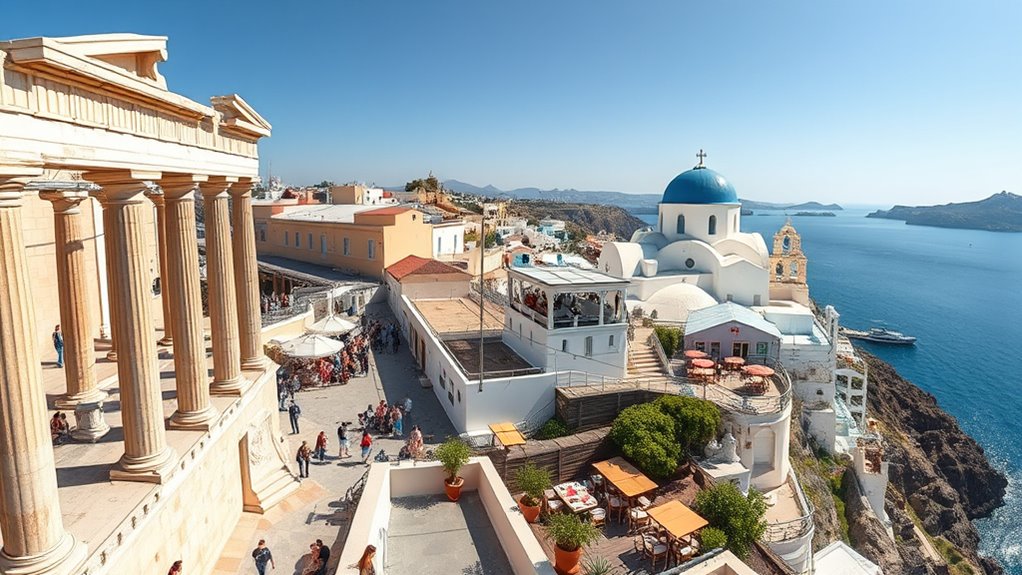
While increasing visitor numbers can boost short-term revenue, focusing solely on volume often leads destinations to underestimate the value of high-spending traveler segments. You might think that more tourists automatically mean more income, but bulk arrivals don’t guarantee growth if spending per visitor declines. High-value segments—those willing to spend on premium accommodations, experiences, and services—generate considerably more economic impact. By neglecting these travelers, you risk creating a dependency on mass tourism that strains infrastructure and reduces profitability. Santorini’s focus on attracting wealthy visitors with luxury offerings illustrates this shift, whereas Athens’s reliance on volume hampers its ability to sustain long-term profitability. Recognizing and targeting high-value segments ensures a more resilient, sustainable tourism industry that maximizes economic benefits from each visitor.
Overreliance on Volume Metrics for Economic Success
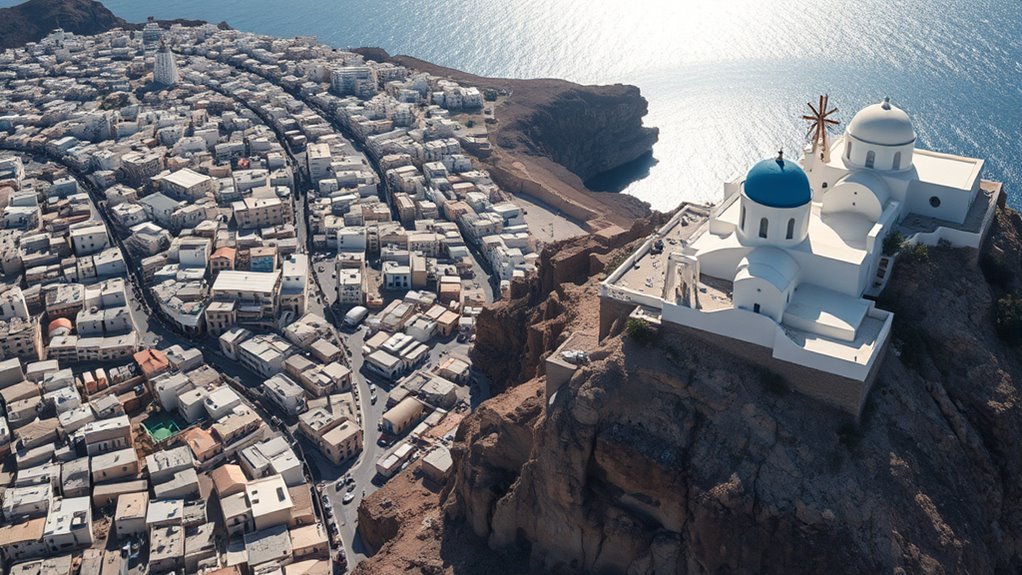
Relying too heavily on increasing visitor numbers can make your economy vulnerable to shifts in travel trends and external shocks. When volume dominates, you risk undervaluing high-spending travelers who contribute more to revenue. Ultimately, this overdependence can lead to economic instability if visitor numbers decline unexpectedly.
Volume vs. Value Balance
Greece’s tourism industry has long emphasized increasing visitor numbers as a key measure of success, but this focus can obscure the true economic benefits. Relying on volume alone risks overlooking high-value spending and sustainable growth. To shift toward a better balance, consider:
- Prioritizing quality over quantity by targeting affluent travelers willing to spend more
- Diversifying destinations to reduce dependency on Athens and spread economic benefits
- Enhancing experiences and infrastructure to encourage longer stays and higher per-visitor spending
Focusing solely on visitor numbers can lead to overcrowding, strained infrastructure, and diminished visitor satisfaction. Instead, aligning growth with value ensures a resilient, sustainable tourism sector that benefits local economies without sacrificing quality or long-term viability.
Economic Risks of Dependence
Focusing solely on increasing visitor numbers can expose the tourism industry to significant economic risks. Relying heavily on volume metrics makes your economy vulnerable to external shocks like seismic activity, geopolitical issues, or global crises that reduce arrivals. When your success depends on more tourists, declining visitor numbers—such as Santorini’s drop in arrivals—hit revenue hard, especially if spending per visitor stays low. This overdependence can lead to unstable growth, as hotel occupancy and local business revenues fluctuate with seasonal or global changes. If infrastructure isn’t adapted to attract higher-value travelers, you risk a cycle of declining profits and overcapacity. Ultimately, prioritizing visitor volume over visitor spending leaves your economy exposed to risks beyond your control, undermining sustainable development and long-term prosperity.
Failing to Anticipate Future Shifts in Traveler Behavior
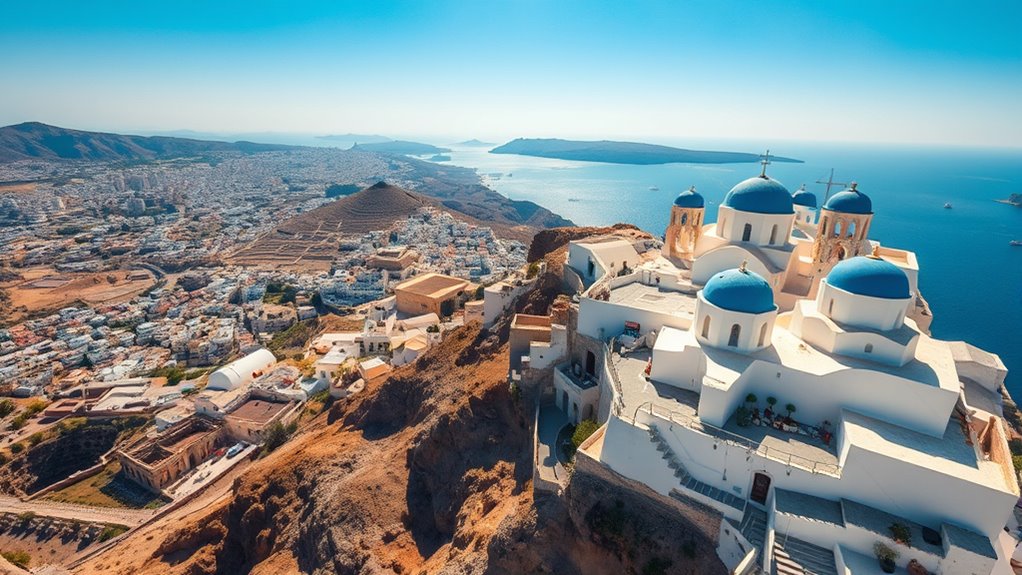
Many tourism stakeholders failed to anticipate the evolving preferences and spending habits of modern travelers, risking their ability to sustain long-term growth. As visitor behavior shifts, relying solely on increasing numbers no longer guarantees success. You need to recognize that travelers now prioritize unique experiences, sustainable travel, and value over volume.
- Travelers are spending less per trip, even as visitor numbers grow, indicating a demand for more targeted, high-value offerings.
- Younger tourists seek authentic, immersive experiences, reducing the importance of traditional sightseeing.
- Post-pandemic, many travelers prefer flexible, personalized journeys, requiring adaptable and innovative tourism strategies.
Failing to adapt to these changes risks economic stagnation, especially if destinations cling to volume-based models that no longer align with traveler priorities.
Frequently Asked Questions
How Does Tourism Infrastructure Capacity Affect Visitor Experience in Athens and Santorini?
Tourism infrastructure capacity directly impacts your experience in Athens and Santorini. In Athens, high visitor numbers strain transport, accommodation, and public spaces, leading to overcrowding and longer wait times. Santorini’s limited sea access and smaller facilities can cause congestion, especially during peak seasons. When infrastructure struggles, your trip feels less enjoyable, with reduced comfort, longer queues, and disrupted sightseeing plans. Improving capacity guarantees smoother, more enjoyable visits for you.
What Alternative Metrics Can Better Measure Tourism Success Beyond Visitor Numbers?
Imagine measuring a destination’s vibrancy not just by crowds, but by the richness of experiences. Instead of visitor numbers, focus on metrics like average spend per visitor, length of stay, and visitor satisfaction scores. Track the diversity of attractions visited, the quality of accommodations, and the economic impact on local communities. These indicators reveal true success, showing how well tourism enriches both travelers and destinations beyond mere headcounts.
How Do Safety Perceptions Influence Traveler Choices Between Athens and Santorini?
You should consider that safety perceptions heavily influence your travel choices between Athens and Santorini. If you view Athens as safer due to its higher global safety ranking and lower crime index, you’ll likely prefer it, especially for first-time visits or family trips. Conversely, despite seismic activity concerns, Santorini’s iconic landscape and cruise appeal can outweigh safety worries for some travelers seeking unique experiences. Your perception shapes your destination decision considerably.
Which High-Value Tourist Segments Should Greece Target for Sustainable Growth?
You should target high-net-worth individuals, luxury travelers, and cultural enthusiasts for sustainable growth. Focus on offering exclusive experiences, premium accommodations, and personalized services that appeal to their desire for unique, high-quality travel. Promote Greece’s rich history, safety, and scenic beauty to attract this segment, ensuring they spend more per trip and stay longer. This approach will diversify revenue sources and promote long-term, sustainable tourism development.
How Might Future Traveler Preferences Shift Away From Volume-Driven Tourism Models?
You should prepare for a shift away from volume-driven tourism, as travelers increasingly prioritize quality experiences over sheer numbers. With Greece seeing a 7.8% decline in spending per visitor in 2025, it’s clear visitors are spending less per trip. Future travelers will likely seek personalized, high-value experiences, emphasizing cultural authenticity and exclusivity, rather than mass tourism, prompting you to focus on sustainable, premium offerings that attract discerning visitors willing to spend more.
Conclusion
So, next time you plan your trip or promote these destinations, remember that bigger crowds and higher spending aren’t the only measures of success. Ironically, understanding the nuances—like seasonality, infrastructure, and traveler intent—can make all the difference. Don’t fall for the misconception that volume equals value; sometimes, a quieter, more thoughtful experience offers a richer reward. After all, in tourism, quality often outshines quantity—if you’re willing to look past the hype.