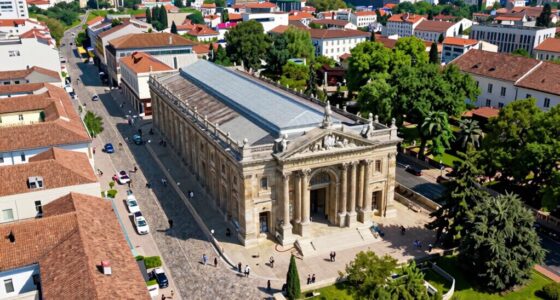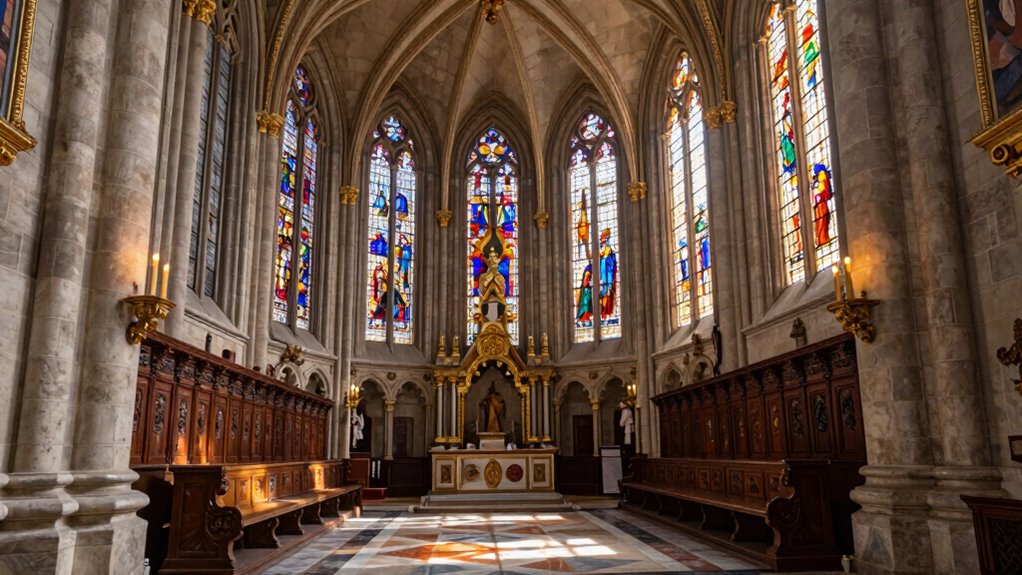
To visit Europe’s cathedrals and churches with more meaning, pay close attention to their architectural styles, symbols, and artwork. Take time to observe intricate details and learn about their historical and spiritual significance. Ask questions or use guides to deepen your understanding. Participate in rituals if possible and approach each site with curiosity and respect. As you explore, you’ll uncover richer stories and insights that transform your experience—if you continue exploring, you’ll discover even more.

Get travel and outdoor gear delivered free — and shop member deals
- Fast, free delivery on millions of items
- Access to Prime Big Deal Days deals on October 6–7
- Prime Video, Amazon Music and more included
Key Takeaways
- Study the architectural styles and historical context to appreciate the design and purpose of each church.
- Learn about religious symbols and their placement to understand spiritual messages conveyed through art.
- Read guides, plaques, or participate in tours for deeper insights into the church’s history and symbolism.
- Approach visits with curiosity, observing details and considering the significance of art, architecture, and rituals.
- Participate in services or rituals to experience the spiritual atmosphere and connect more meaningfully.
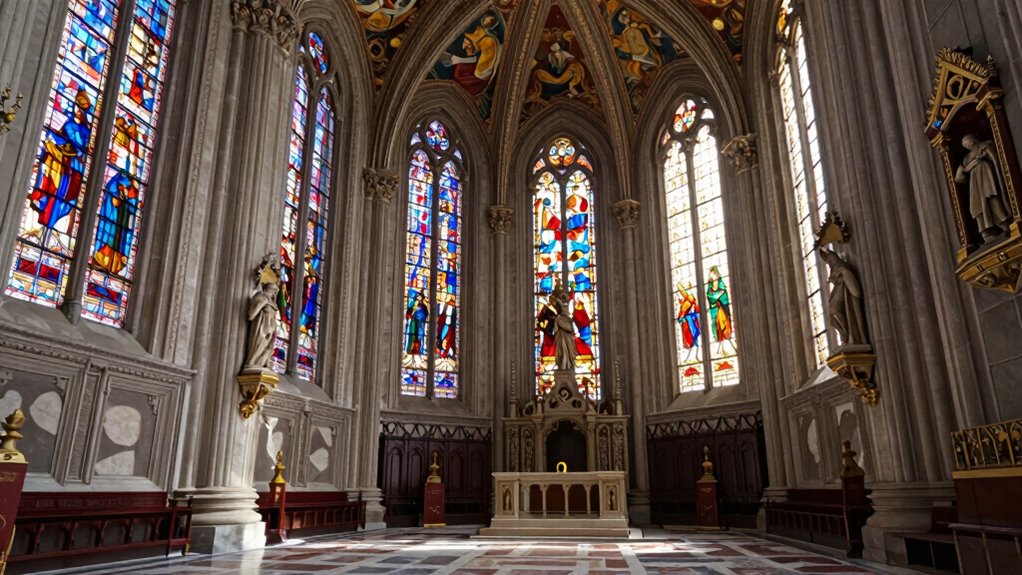
Europe’s cathedrals and churches are more than just places of worship; they’re masterpieces of architecture, history, and art that invite you to explore their stories. When you step inside these sacred spaces, you’re not only entering a place of spiritual reflection but also immersing yourself in centuries of craftsmanship and cultural expression. To truly appreciate their significance, it helps to understand the role of historical architecture in shaping their grandeur. Many of these structures reflect the architectural styles of their time—Gothic, Romanesque, Renaissance—each with distinctive features like soaring vaulted ceilings, intricate stone carvings, and stained glass windows. Recognizing these elements allows you to see beyond their visual appeal and appreciate the technical ingenuity and artistic ambition that went into their creation.
Religious symbolism is woven into every inch of these buildings, serving as visual sermons that communicate spiritual truths and divine stories. You’ll notice symbols like the cross, the lamb, or the vine embedded in sculptures and stained glass, each carrying layered meanings that deepen your understanding of the faith practices that inspired their design. Paying attention to these details transforms your visit from casual sightseeing into a deeper exploration of religious narratives and theological messages. Consider the placement of statues, the orientation of altars, or the biblical scenes depicted in windows—they’re carefully chosen to tell stories and reinforce the church’s spiritual mission. Understanding architectural styles can also help you see how different periods influenced the design and purpose of these sacred spaces. Exploring symbolism in church art can further enhance your appreciation of the layered messages conveyed through these creative elements.
To visit with more meaning, approach each church with curiosity and respect. Take time to read the plaques or guides explaining the architectural styles and symbols. Engage with local guides or audio tours that highlight the historical context behind each masterpiece. Ask yourself questions: Why was this particular style chosen? What does this symbol represent? How does the architecture serve the religious functions of the space? These questions help you connect with the history and symbolism that define each church’s identity. Additionally, understanding the significance of religious symbolism can deepen your appreciation of how these elements convey spiritual messages and stories. Exploring the interplay of art and faith can also reveal how artists and architects used their talents to inspire devotion and awe.
Finally, participate in the rituals or services if possible. Attending a mass or prayer session can deepen your connection, allowing you to experience the spiritual atmosphere firsthand. Remember, these sites aren’t just monuments—they’re living places of faith and community. By approaching your visit with an awareness of their historical architecture and religious symbolism, you turn a simple trip into a meaningful journey through Europe’s rich spiritual and artistic heritage.
As an affiliate, we earn on qualifying purchases.
Frequently Asked Questions
Are There Any Dress Codes for Visiting These Religious Sites?
Yes, there are dress codes for visiting these religious sites. You should wear appropriate attire, such as modest clothing that covers your shoulders and knees, to show respect. Avoid casual clothes like shorts or tank tops. Maintaining respectful behavior is also essential—keep noise levels low and act reverently. Following these guidelines helps you honor the sacred space and enhances your meaningful experience during your visit.
Can I Take Photographs Inside the Cathedrals and Churches?
You can usually take photographs inside cathedrals and churches, but be mindful of photography restrictions that vary by site. Some may prohibit flash or professional equipment, so check their rules beforehand. Also, adhere to dress code requirements—covering shoulders and knees is common—and be respectful during services. By following these guidelines, you can capture meaningful memories without disrupting the sacred atmosphere.
Are Guided Tours Available in Multiple Languages?
Imagine you’re exploring Notre-Dame, and a multilingual tour enhances your experience. Yes, guided tours are available in multiple languages, often complemented by audio guides. These tools help you understand intricate details and history, making your visit richer. Many sites offer multilingual tours to cater to international visitors, ensuring you don’t miss out on the cultural significance, regardless of your native language.
What Are the Best Times of Year to Visit These Sites?
You should visit European cathedrals and churches during off-peak times, typically in late fall or early spring, to avoid crowds and enjoy a more meaningful experience. These seasons often coincide with seasonal festivals, offering unique cultural insights. Visiting outside peak months allows you to appreciate the architecture and atmosphere more deeply, making your experience richer and more personal. Be sure to check local festival calendars for the best times to go.
Do I Need to Pay an Entry Fee to Visit?
You often need to pay entrance fees, but some cathedrals and churches offer free entry or discounted tickets, especially for students or seniors. Always check in advance because entrance fees can be as small as a pocketful of coins or as grand as a treasure chest. Look for ticket discounts online or through guided tours, making your visit both meaningful and budget-friendly. Don’t miss out on opportunities to explore without overspending!
As an affiliate, we earn on qualifying purchases.
Conclusion
So, next time you step into Europe’s stunning cathedrals and churches, remember to look beyond the surface. Engage with the history, art, and stories that echo through these sacred spaces. Isn’t there a richer experience waiting for you when you connect more deeply? By embracing their spiritual and cultural significance, you’ll transform a simple visit into a meaningful journey that stays with you long after you’ve left. Are you ready to see these landmarks with new eyes?
church architecture tour audio guide
As an affiliate, we earn on qualifying purchases.
As an affiliate, we earn on qualifying purchases.
As an affiliate, we earn on qualifying purchases.
Evergreen bestsellers Picks
bestsellers
As an affiliate, we earn on qualifying purchases.