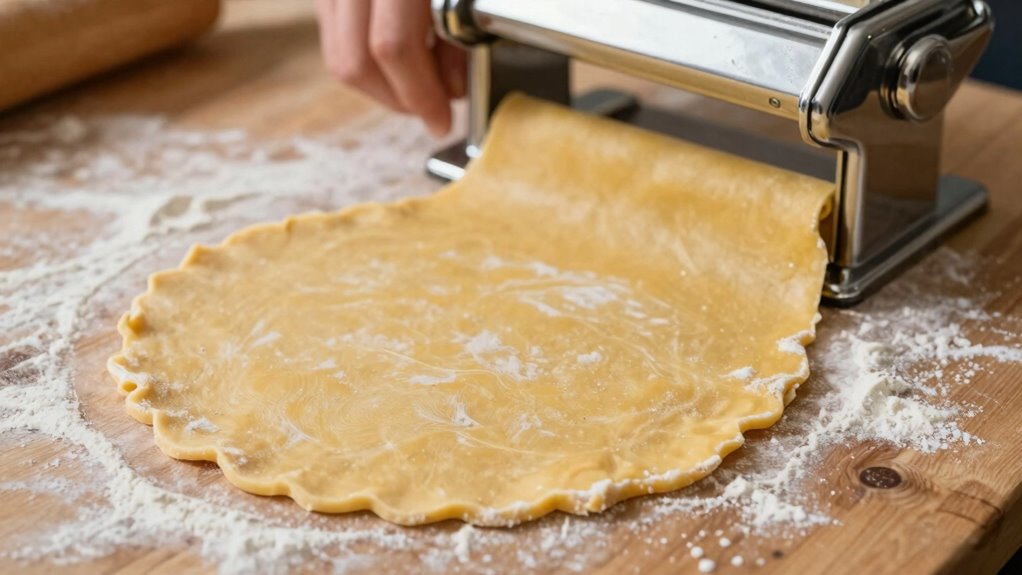

If you’re a beginner, modern methods make making fresh pasta much easier. Using a food processor or stand mixer cuts down on kneading and speeds up the process, so you spend less time fussing with dough. These techniques also produce consistent results, helping you gain confidence quickly. Traditional methods are authentic but can be more complex and time-consuming. Keep exploring, and you’ll discover simple tips to perfect your homemade pasta skills and enjoy delicious results every time.

Get travel and outdoor gear delivered free — and shop member deals
- Fast, free delivery on millions of items
- Access to Prime Big Deal Days deals on October 6–7
- Prime Video, Amazon Music and more included
Key Takeaways
- Modern methods with a food processor or stand mixer simplify mixing and kneading, making them easier for beginners.
- Traditional techniques require more hands-on effort but offer authentic experience; beginners may find them more challenging.
- Modern approaches reduce time and effort, providing consistent results with less practice needed.
- Starting with modern methods helps build confidence before exploring traditional techniques.
- Both methods require kneading and resting, but modern methods are generally more beginner-friendly.
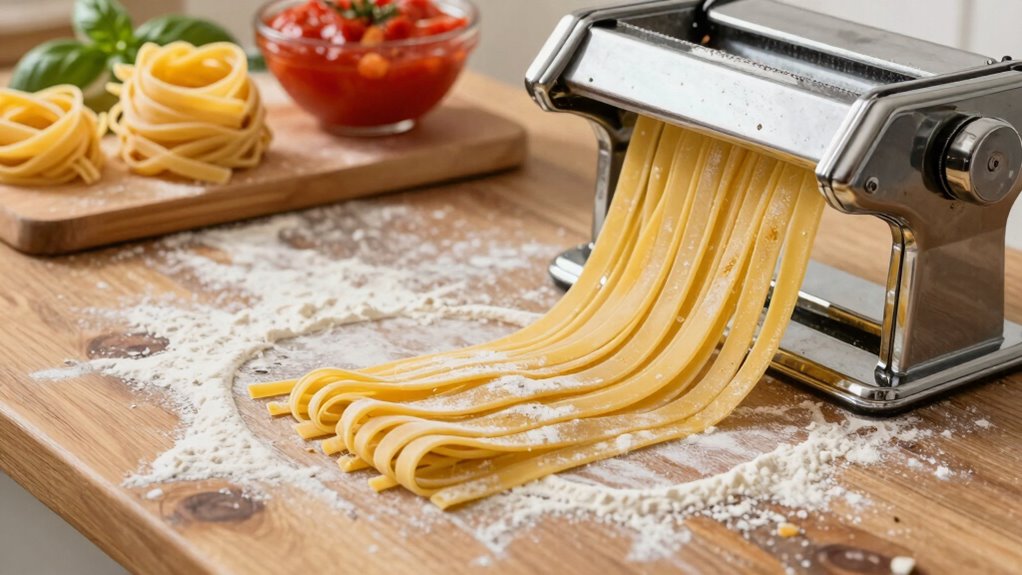
Making fresh pasta at home might seem intimidating, but with a few simple ingredients and some basic techniques, you can create delicious, homemade noodles in no time. When it comes to pasta dough techniques, you’ll find that there are several approaches, each with its own advantages. For beginners, choosing between traditional vs. modern methods can make a huge difference in the ease and success of your pasta-making journey.
Traditional pasta dough techniques often involve mixing flour and eggs by hand, kneading the mixture until it’s smooth and elastic. This method emphasizes patience and attention to detail, and many find it rewarding to work the dough until it reaches the perfect consistency. Traditionalists prefer these methods because they feel more authentic and allow for a hands-on experience. However, they can be a little more time-consuming and require some practice to master the right kneading pressure and timing. Incorporating authentic techniques can help you achieve a more genuine flavor and texture in your homemade pasta. Additionally, understanding dough elasticity can improve your success in achieving the right pasta texture. Developing an awareness of technique mastery can further enhance your skills and results.
Traditional pasta dough involves hands-on mixing and kneading for authentic, rewarding results.
On the other hand, modern methods tend to streamline the process. Many beginners opt for using a food processor or stand mixer, which can greatly cut down on prep time. With these tools, you simply combine the ingredients, pulse or run the machine until the dough comes together, and then knead it briefly by hand. This approach is less labor-intensive and often more forgiving for those new to pasta making. It also offers consistent results, which helps build confidence in your skills. Additionally, understanding biodiversity in ingredients and techniques can enrich your cooking experience and promote sustainable practices.
Deciding which process is easier for you depends on your preferences and the equipment you have. If you’re comfortable working with your hands and want a more traditional experience, the classic pasta dough techniques might be more satisfying. However, if you’re looking for a quick, straightforward process, modern methods are likely better suited to your needs. Both approaches require some kneading and resting time, but modern techniques can reduce the overall effort and make the process feel less intimidating.
Ultimately, the easiest process for beginners is the one that fits your style and comfort level. You might also consider learning new skills as part of your culinary journey, which can help you adapt and improve your pasta-making techniques over time. You may find that starting with a modern method helps you get familiar with the basics, and once you’re more confident, you can experiment with traditional techniques to deepen your understanding of pasta dough techniques. Whichever route you choose, remember that practice makes perfect, and homemade pasta is always worth the effort. With a little patience, you’ll soon be enjoying fresh, homemade noodles that beat anything store-bought.
As an affiliate, we earn on qualifying purchases.
Frequently Asked Questions
Can I Make Fresh Pasta Without a Pasta Machine?
Yes, you can make fresh pasta without a pasta machine. You’ll want to master hand kneading techniques to develop the dough’s elasticity. For rolling out, use rolling pin alternatives like a wine bottle or a sturdy glass if you don’t have a traditional rolling pin. With patience and steady pressure, you can achieve thin, even sheets perfect for your pasta, making the process accessible and fun for beginners.
What Types of Flour Are Best for Homemade Pasta?
For homemade pasta, you’re best off with all-purpose or 00 flour, which give a smooth, elastic dough. But don’t shy away from trying alternative flours like whole wheat or chickpea; they add unique flavors and nutritional benefits. These flours can make your pasta healthier, offering more fiber and protein. Just keep in mind that alternative flours may require adjustments in liquid or kneading time for perfect results.
How Long Does Fresh Pasta Last in the Fridge?
Your fresh pasta lasts about 1 to 2 days in the fridge if stored properly. To maximize pasta preservation, keep it in an airtight container or well-sealed plastic wrap. Don’t leave it out too long, or it risks spoiling. For best results, use it within the first day or so, and always check for any signs of spoilage before cooking. Proper storage tips make all the difference in keeping it fresh.
Is It Possible to Make Gluten-Free Fresh Pasta Easily?
Yes, you can make gluten-free fresh pasta easily using gluten-free alternatives like rice, corn, or chickpea flour. Focus on easy mixing techniques by combining the flour with eggs or water until the dough comes together. Keep the dough moist but not sticky, and knead it gently. With a little practice, you’ll find gluten-free pasta simple to prepare at home, yielding tasty results without much fuss.
What Are Common Mistakes Beginners Make When Making Pasta?
You might overwork dough or use too much flour, which can make your pasta tough and chewy. Beginners often forget to rest the dough, leading to elasticity issues, or add excessive flour, causing dryness. Instead, handle the dough gently, knead just enough, and use minimal flour for rolling. Paying attention to these details helps you avoid common mistakes, resulting in smoother, more delicious homemade pasta.
stand mixer for baking and pasta making
As an affiliate, we earn on qualifying purchases.
As an affiliate, we earn on qualifying purchases.
Conclusion
So, whether you choose the simple egg-based dough or the more involved rolling and shaping process, remember that your first try doesn’t have to be perfect. Sometimes, the best pasta happens when you least expect it—like that spontaneous dinner plan turned delicious adventure. Embrace the fun of learning, enjoy the process, and soon enough, you’ll find that homemade pasta becomes your favorite cozy weekend activity. After all, the joy is in the journey, not just the final dish.
As an affiliate, we earn on qualifying purchases.
As an affiliate, we earn on qualifying purchases.
Halloween Picks
halloween
As an affiliate, we earn on qualifying purchases.