To host a late European dinner without stress, start by understanding regional dining times and customs, then plan a flexible menu with make-ahead dishes. Clear communication about the schedule and lighting cues helps keep guests comfortable and aware of timing. Focus on creating a cozy ambiance with layered lighting and outdoor heating for outdoor settings. Coordinating logistics, offering accessible seating, and sharing transportation tips ensures a smooth evening. Learn more to master hosting a memorable, relaxed late-night gathering.
Key Takeaways
- Understand regional meal times and customs to set appropriate expectations and plan your hosting schedule accordingly.
- Create a cozy ambiance with layered lighting, soft music, and elegant decor to foster intimacy and relaxation.
- Plan flexible menus with make-ahead dishes and manage guest comfort through accessible seating and timely snacks.
- Communicate clearly with guests about dinner timing, arrival windows, and transportation options to minimize confusion.
- Use visual cues like clocks and lighting changes to signal course transitions, ensuring a smooth and stress-free dining flow.

Traveler's Choice Pagosa Hardshell Expandable Luggage with Spinner Wheels, Black, 22-Inch Carry-on
Impact Resistant: Durable polypropylene hardshell that’s abrasion-, scratch-, and water-resistant. Expansion gusset provide up to 2" to make...
As an affiliate, we earn on qualifying purchases.
Understanding Cultural Timings and Expectations
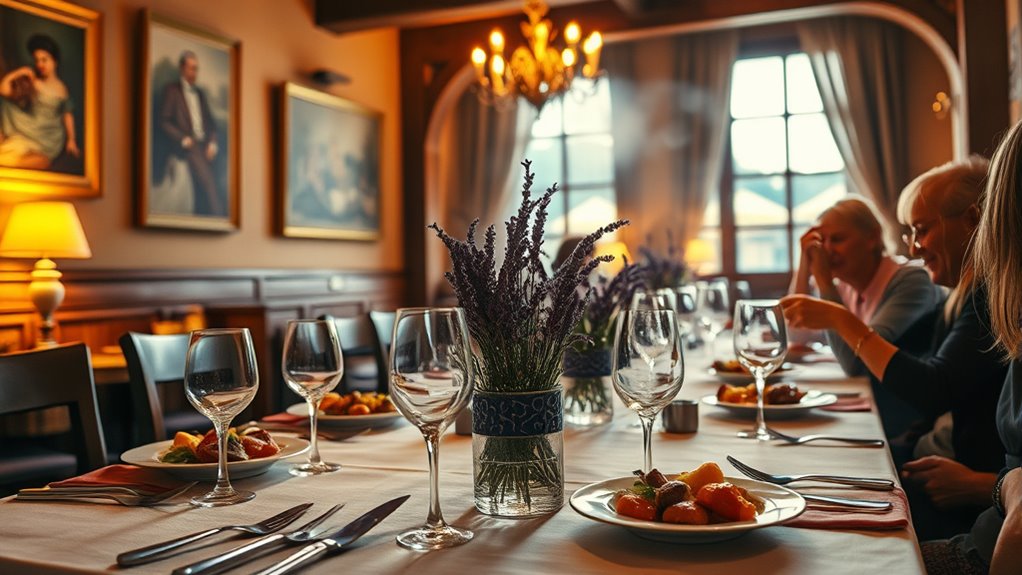
To truly understand European dinner customs, you need to recognize that meal times are deeply rooted in regional cultural norms and daily routines. In Northern Europe, dinner often takes place early, between 16:00 and 19:00, reflecting long daylight hours and practical schedules. Central and Western countries, like Germany or the UK, typically dine between 18:00 and 20:00, balancing work and leisure. Southern Europe, including Italy and Spain, favors later meals from 20:00 to 22:30, influenced by the tradition of siesta, outdoor socializing, and warmer climates. These timing norms are reinforced by local restaurant hours and cultural practices like evening strolls. Recognizing these regional differences in meal timing helps you set appropriate expectations, plan your hosting schedule, and respect local customs to create a smooth, enjoyable dining experience. Understanding these nuances can also help you better anticipate your guests’ routines and preferences. Recognizing the importance of meal timing can greatly enhance your hospitality and ensure your guests feel comfortable and welcomed. Additionally, being aware of dinner duration norms can help you avoid rushing or awkward silences during the meal. Being mindful of local dining customs can also help you better connect with your guests and make the gathering more authentic and enjoyable.
A good grasp of cultural dining rhythms can also inspire you to incorporate traditional elements into your hosting, making the experience more memorable.
Samsonite Freeform Large Checked Luggage with Dual 360° Spinner Wheels - TSA Lock, Airline-Approved - Lightweight Durable Polypropylene Expandable Hardshell - Black
Durable & Stylish: This large checked spinner luggage features a scratch-resistant Polypropylene hardshell, measuring 31.1" x 20.9" x...
As an affiliate, we earn on qualifying purchases.
Planning Your Menu for Flexibility and Make-Ahead Options
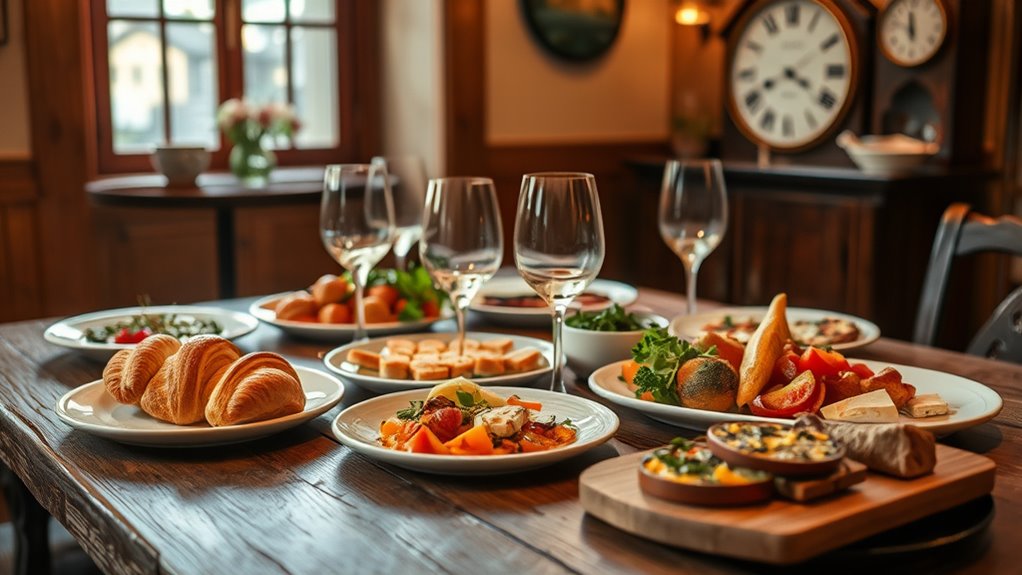
When hosting late dinners, planning your menu with flexibility and make-ahead options becomes essential to guarantee a smooth flow. Focus on dishes that can be prepared in advance, like salads, cold starters, or composed desserts, so you’re not rushing at the last minute. Incorporate slow-cook or oven-warm dishes, such as casseroles or roasted vegetables, that tolerate delayed serving without losing quality. Prepare portable hors d’oeuvres for early arrivals to curb hunger and prevent impatience. Choose recipes that can be served at different times or reheated easily, like stews or rice bakes. Communicate clear timing for courses, and use staged serving plans to keep guests comfortable and engaged. Integrating energy-efficient kitchen appliances can further streamline meal prep and reduce stress during late-night hosting. Utilizing smart kitchen technology can help you monitor and control cooking processes remotely, making last-minute adjustments easier and more precise. Employing multi-function appliances can also save space and time, allowing you to handle multiple tasks efficiently. Incorporating adaptable servingware can facilitate quick transitions between courses and presentation styles, and considering electric appliances designed for energy savings can support sustainable entertaining. This approach reduces stress and ensures everyone enjoys a relaxed, enjoyable evening.

Samsonite Freeform Hardside Carry-On Luggage with Spinner Wheels - Hardshell Suitcase - TSA, Airline-Approved - Expandable Hard Shell, Smooth Rolling Wheels for Lightweight Travel – Black
The Perfect Size: The textured, scratch-resistant exterior of this hardshell carry-on luggage is 15 x 10 x 23...
As an affiliate, we earn on qualifying purchases.
Communicating Clearly With Guests About Timing
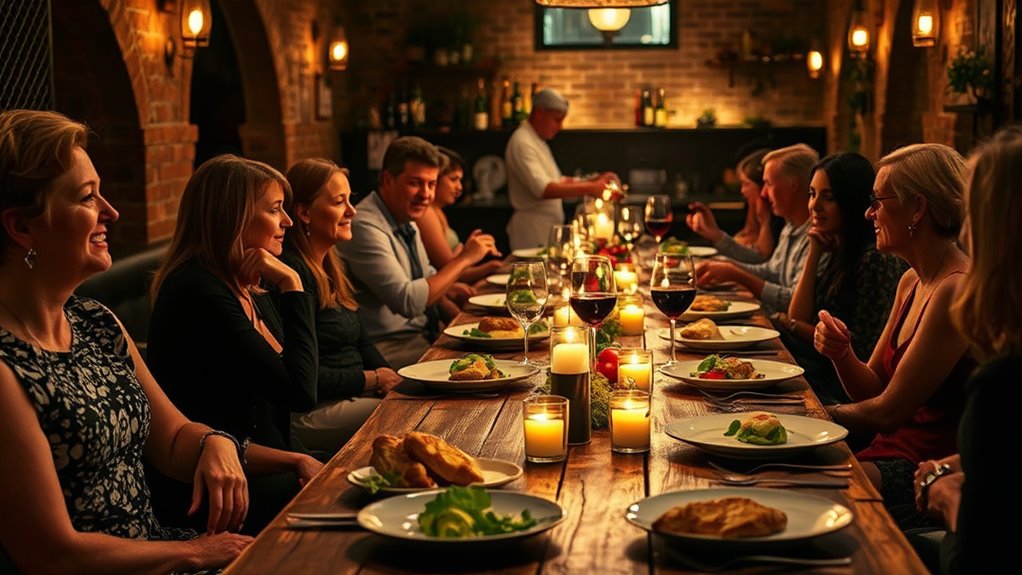
When hosting a dinner, it’s vital to set clear expectations about the timing to guarantee guests arrive prepared and relaxed. Using visual cues like posted start times or scheduled announcements helps everyone stay aligned, especially in cultures with later dining hours. Clear communication minimizes confusion and keeps the evening flowing smoothly. Additionally, informing guests about any Gold IRA markets related to the event, such as special offers on dining accessories, can enhance transparency and trust. Being aware of the electric bike options available can also be helpful if planning outdoor activities before or after the meal. Moreover, mentioning potential odor concerns, such as the scent of spoiled ground beef or other aromas, can help guests prepare accordingly and ensure a comfortable dining experience. Incorporating a brief overview of style options for table settings can also add a touch of elegance and help guests feel more engaged.
Set Clear Expectations
Have you ever hosted a dinner where guests arrived at widely varying times, leaving you unsure when to serve the main course? To avoid confusion, set clear expectations from the start. Communicate the intended start time and approximate dinner window on invitations. Use phrases like “Dinner begins around 20:00, with courses served progressively,” to prepare guests. Consider sharing a timetable or suggested arrival window. This reduces long waiting periods and helps guests plan accordingly. Here’s a helpful guide:
| Guest Arrival Time | Suggested Action | Notes |
|---|---|---|
| 19:30–20:00 | Light snacks, drinks, mingling | Keeps early arrivals engaged |
| 20:00–20:30 | Welcome, settle in | Encourage relaxed start |
| 20:30–21:00 | Appetizers and drinks | Bridge to main meal |
| 21:00–21:30 | Main course served | Flexibility for late arrivals |
| 21:30+ | Continue dinner or dessert | Adjust based on guest flow |
Clear communication smooths hosting and minimizes stress. Effective planning helps ensure a relaxed and enjoyable dining experience for everyone. Additionally, understanding timing coordination can improve guest flow and overall enjoyment. Being aware of the best vacuums can also help maintain a tidy environment, setting a comfortable tone for your dinner. Recognizing the importance of artistic expression in hosting can also inspire creative ways to engage guests and enhance the atmosphere.
Use Visual Cues
Using visual cues effectively can help you communicate your dinner timeline clearly and manage guests’ expectations. Start by setting clear signals for each stage of the meal. Here are four ways to do it:
- Use visible clocks or timers, subtly placed where guests can see them, to indicate when courses will start.
- Display menu cards with suggested timing, so guests know what to expect and when.
- Employ lighting changes—dim the lights slightly before the main course to signal the approaching end of the appetizer phase.
- Give verbal cues at key moments, like announcing “Dinner will be served in 10 minutes,” to keep everyone informed without confusion.
These cues create a smooth flow, especially when hosting late, helping everyone feel relaxed and coordinated.
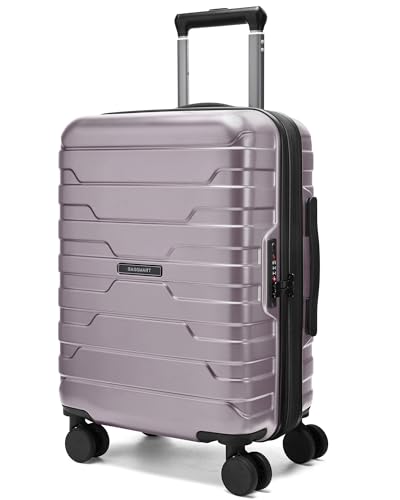
BAGSMART Carry On Luggage 22x14x9 Airline Approved with Spinner Wheels,Lightweight 20 Inch Luggage with TSA Lock,Expandable Hard Shell Carry On Suitcases for Men Women,Rose Purple
Airline-Approved Boarding Size: 20 inch carry on luggage meets most airline requirements for overhead compartments. Suitcases with wheels...
As an affiliate, we earn on qualifying purchases.
Creating the Perfect Ambiance for Evening Dining
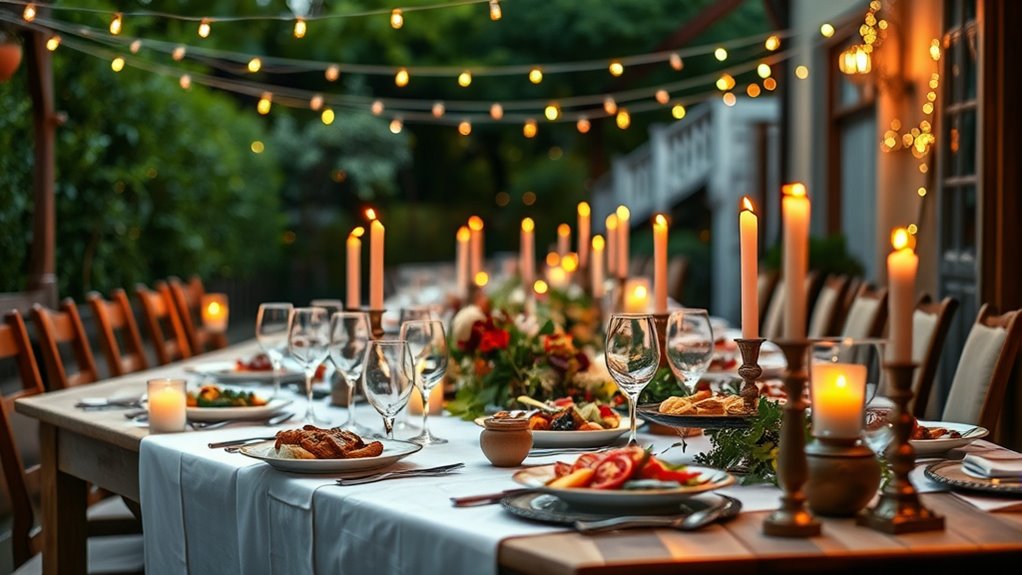
Creating the perfect ambiance for evening dining involves thoughtfully manipulating lighting, sound, and surroundings to foster a warm, inviting atmosphere. Use soft, layered lighting—dimmed chandeliers, candles, or string lights—to create intimacy and comfort. Background music should be subtle and relaxing, enhancing conversation without overpowering it. Decorate with simple, elegant touches that reflect your style, like fresh flowers or textured linens. Arrange your space to promote ease and connection, avoiding clutter. Consider outdoor heaters or blankets if dining outside to keep guests comfortable. Keep noise levels respectful of neighbors in residential areas. Proper ambiance sets the tone for a memorable meal, reducing stress and encouraging relaxed enjoyment. Paying attention to ambient-light playbooks can help you fine-tune your lighting choices for optimal mood setting. Additionally, experimenting with different lighting techniques can elevate your dinner experience even further, helping to create a cozy environment that encourages relaxed conversation and enjoyment.
Incorporating weather-aware routines can also ensure your outdoor dining remains comfortable regardless of unexpected weather changes, adding to the overall stress-free experience.
Managing Guest Comfort and Accessibility for All Ages
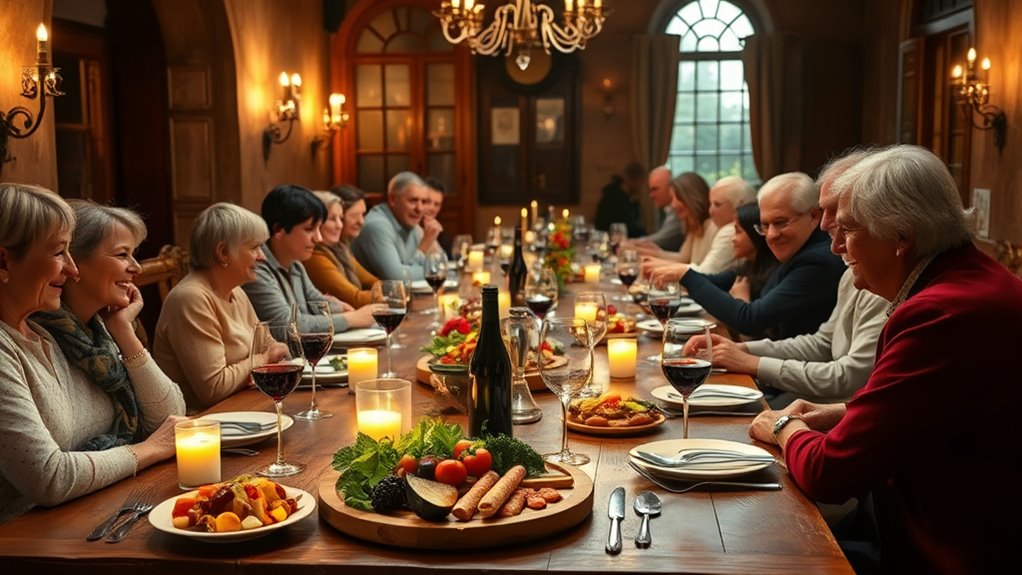
To make certain everyone feels comfortable and included during your dinner, it’s essential to take into account the specific needs of guests of all ages. Here are four ways to do that:
Prioritize comfort and inclusion by tailoring seating, snacks, and quiet spaces for guests of all ages.
- Create a flexible seating plan with accessible chairs and space for strollers or wheelchairs. Incorporating accessible seating options ensures that guests with mobility needs can enjoy the meal comfortably.
- Offer age-appropriate snacks and drinks early in the evening for children and older guests who may need shorter or lighter options.
- Schedule breaks or shorter courses for guests who tire easily or have limited stamina.
- Provide quiet zones or seating areas away from noise and activity for those needing rest or a moment of calm.
- Incorporate aerial imaging to help you plan the layout for optimal accessibility and comfort for all guests.
Being mindful of these details *guarantees* all your guests enjoy the evening comfortably.
Coordinating Logistics and Service for a Seamless Evening
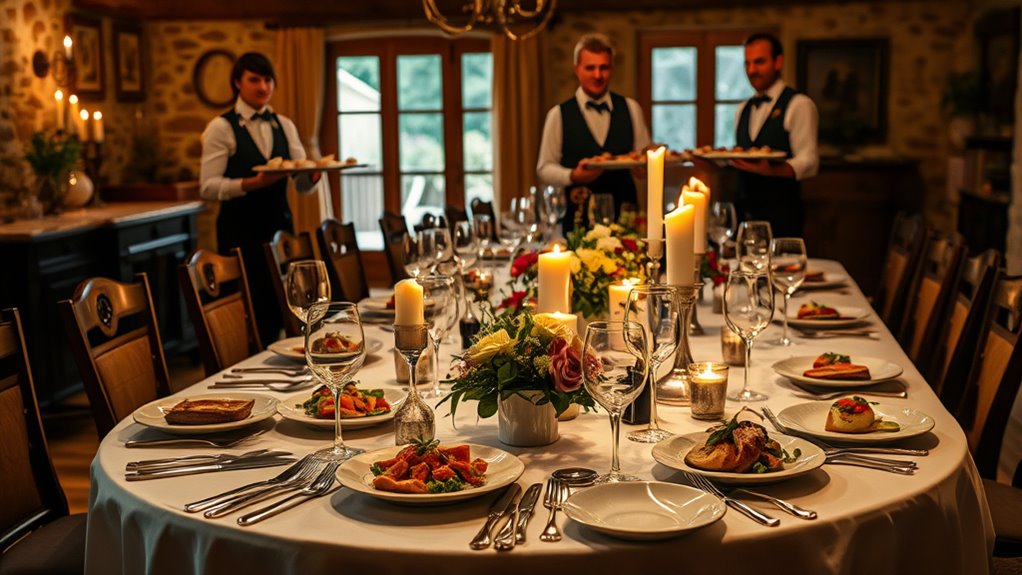
You need to coordinate timing and vendor schedules carefully to match your guests’ late dining habits, ensuring everything arrives on time. Setting the right lighting and ambiance will create a welcoming atmosphere, even during extended evening hours. Don’t forget to plan guest transportation so everyone can leave comfortably, especially if dinner runs late into the night.
Timing and Vendor Coordination
Coordinating timing and vendor services for a seamless evening requires careful planning, especially in cultures where dinners start later. To guarantee smooth service, follow these steps:
- Confirm vendor schedules early, aligning their arrival and setup times with your preferred dinner start.
- Communicate your timeline clearly, including expected serving times and any buffer periods.
- Schedule food preparation and delivery during vendor downtime to prevent delays or rushed setups.
- Coordinate with staff to stagger course timing, allowing flexibility for late arrivals without compromising quality.
Lighting and Ambience Setup
Setting the right lighting and ambiance is key to creating a welcoming atmosphere that complements late-evening dining. You want to balance warmth and practicality, so guests feel relaxed and comfortable. Use layered lighting—dimmed overhead lights combined with table lamps or candles—to evoke intimacy and elegance. Warm tones, like amber or soft yellow, make spaces inviting and soothe late-night nerves. If outdoors, add string lights, lanterns, or outdoor heaters with gentle illumination to extend comfort into cooler evenings. Keep noise levels in mind; softer lighting often encourages quieter conversations. Coordinate your lighting setup with your service pace, ensuring the environment stays cozy as the night progresses. Thoughtful lighting enhances mood, supports the flow of your meal, and helps guests feel at ease in the late dinner setting.
Guest Transportation Planning
Effective guest transportation planning guarantees everyone arrives and departs smoothly, especially when hosting late-evening dinners in Europe’s diverse urban and rural settings. To guarantee seamless logistics:
- Share clear arrival and departure instructions, including addresses and parking info, on invitations.
- Arrange group transportation options, such as pre-booked taxis, ride-shares, or shuttles, especially in areas with limited public transit.
- Coordinate with local transport services to confirm schedules, noting that late-night options may be limited in some regions.
- Encourage guests to plan their routes ahead of time, considering different dinner start times across Europe.
Tips for Enjoying the Night and Avoiding Stress
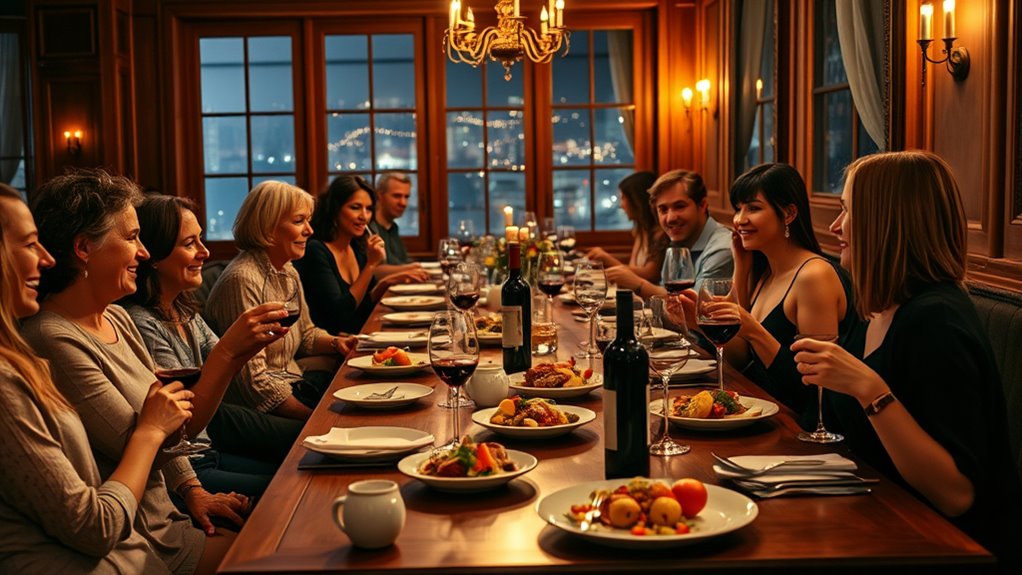
To enjoy your evening without stress, it helps to plan ahead and set clear expectations for timing. Communicate the dinner start time clearly on invitations so guests know what to expect. Offer a light aperitivo or snacks early on to bridge the gap before the main meal, preventing impatience. Stagger serving courses—starters first, then main dishes after a set interval—to manage hunger and pacing. Prepare make-ahead dishes like salads or desserts to reduce last-minute pressure. Use warm, inviting lighting to create a cozy ambiance that eases the late hour. Keep noise levels in check and notify neighbors if needed, especially in residential areas. Finally, consider transportation options for guests leaving late, ensuring everyone can enjoy the night comfortably without stress.
Frequently Asked Questions
How Can I Adapt Late Dining Customs for International Guests?
You can adapt late dining customs for international guests by clearly communicating the schedule in advance, including the expected start time and meal flow. Offer flexible options like light snacks or appetizers earlier in the evening for those arriving early. Incorporate familiar dishes alongside local specialties, and create a warm, inviting atmosphere with adjustable lighting and comfortable seating. This way, everyone feels relaxed, regardless of different dining customs or time expectations.
What Are Effective Ways to Handle Last-Minute Menu Changes?
When handling last-minute menu changes, stay flexible and keep simple options ready. Communicate clearly with guests about any adjustments, so expectations stay aligned. Use make-ahead dishes or versatile ingredients that can easily substitute for planned items. Prioritize dishes that tolerate delays or can be served at room temperature. This way, you reduce stress, maintain quality, and guarantee everyone enjoys the meal without feeling rushed or disappointed.
How Do I Manage Noise Levels in Residential Late Dinners?
You manage noise levels by setting clear expectations with your guests before the event, encouraging respectful volume, especially late at night. Use soft, layered lighting and sound-absorbing decor like curtains or rugs to dampen noise. Consider playing background music at a moderate volume and positioning speakers away from shared walls. Inform neighbors ahead of time if the dinner runs late, and keep conversations relaxed and considerate to prevent disturbances.
What Safety Tips Are Essential for Hosting Late-Night Outdoor Meals?
When hosting late-night outdoor meals, prioritize safety by ensuring proper lighting along pathways and dining areas to prevent trips and falls. Keep fire pits or candles stable and away from flammable items, and have a fire extinguisher nearby. Confirm the area is secure from pests and wildlife, and keep emergency contacts handy. Also, monitor weather conditions and have shelter or heaters ready in case of sudden temperature drops.
How Can I Ensure Timely Arrivals Despite Late Opening Hours?
You can guarantee timely arrivals by clearly communicating the dinner start time on invitations and emphasizing punctuality. Offer flexible options like light snacks or hors d’oeuvres for early arrivals to keep them engaged. Consider scheduling transportation options or providing parking directions if needed. Setting expectations upfront helps guests plan accordingly, reducing delays and ensuring everyone arrives on time, even with late opening hours.
Conclusion
Hosting a late European-style dinner can be enjoyable without stress if you plan ahead. Don’t worry if your guests arrive later or your timing shifts—you’ve already set flexible menus and clear communication. Focus on creating a warm ambiance and savoring the evening. Remember, the goal is connection, not perfection. With these tips, you’ll enjoy a relaxed, memorable night, even if things don’t go exactly as planned. Embrace the moment and enjoy the night!