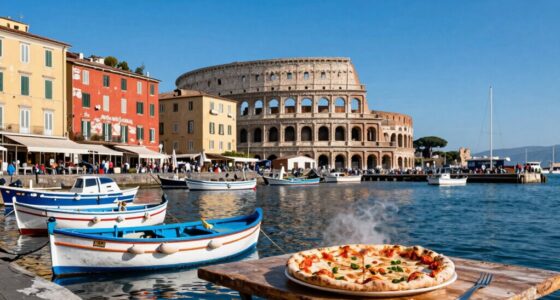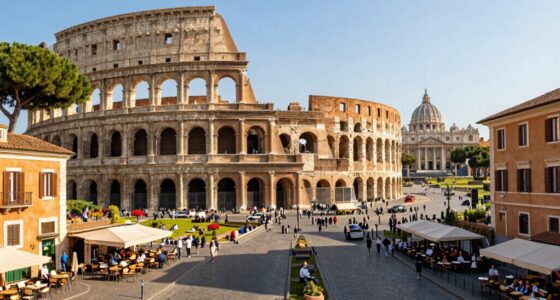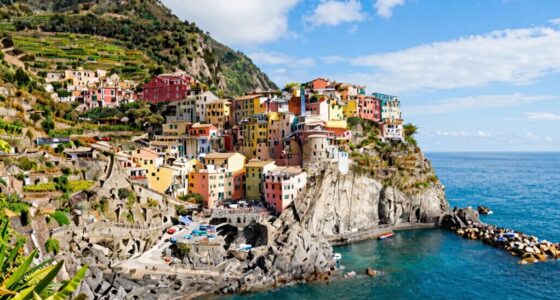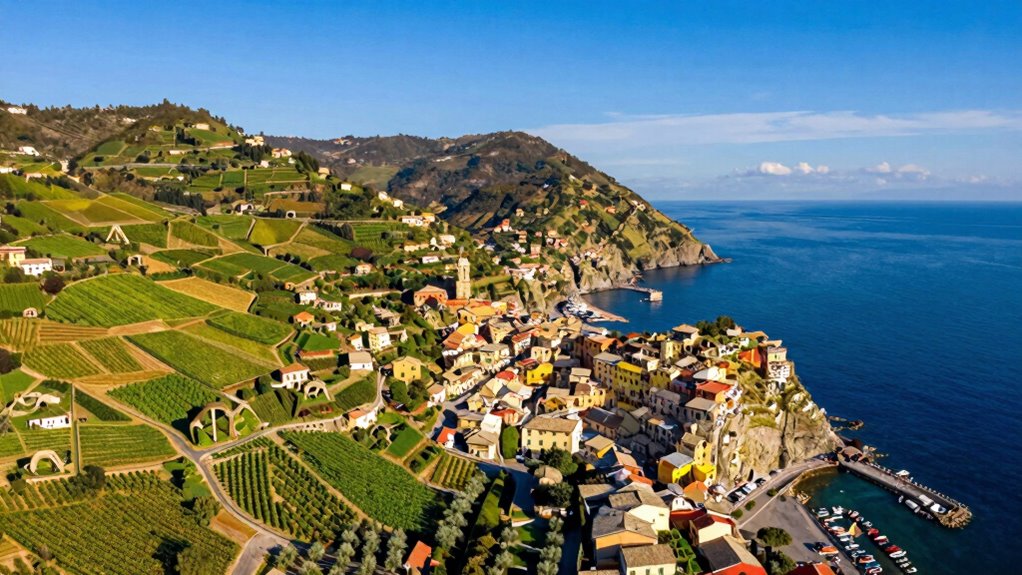

Choosing between northern and southern Italy for your first trip depends on your interests. If you love art, history, and vibrant cities with a polished vibe, go north for cities like Venice, Milan, and Florence. If you prefer rugged landscapes, authentic towns, and a relaxed pace, then southern Italy with its beaches, ancient ruins, and lively traditions is ideal. To craft the perfect itinerary, consider your favorite experiences—continue exploring to find what suits you best.

Get travel and outdoor gear delivered free — and shop member deals
- Fast, free delivery on millions of items
- Access to Prime Big Deal Days deals on October 6–7
- Prime Video, Amazon Music and more included
Key Takeaways
- Consider your preferred climate: cooler, mountainous north versus warmer, coastal south.
- Match your cultural interests: Renaissance art and architecture in the north or ancient ruins and folk traditions in the south.
- Factor in travel logistics: high-speed trains in the north offer easier, quicker travel; southern regions may require ferries and longer transit times.
- Think about culinary preferences: hearty northern dishes and wines versus fresh seafood and rustic flavors in the south.
- Decide your pace: bustling, cosmopolitan north or relaxed, authentic southern towns for a more laid-back experience.
As an affiliate, we earn on qualifying purchases.
Understanding Italy’s Geographic Divide: North Vs South
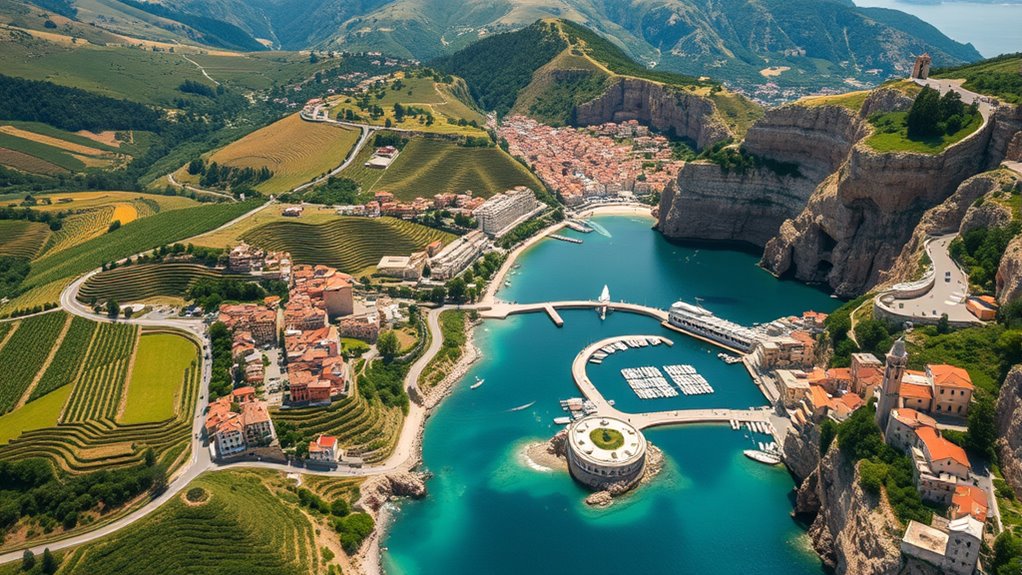
Italy’s geographic divide between North and South is pronounced and shapes every aspect of your travel experience. In the north, you’ll find alpine peaks, the Dolomites, and large lakes like Como and Garda, perfect for skiing, hiking, and scenic boat rides. The landscape is more temperate, with dense cities and efficient rail links that make traveling easier. In contrast, the south boasts a Mediterranean coastline, dramatic cliffs along the Amalfi Coast, and sunny beaches in Puglia, Sicily, and Sardinia. It features rugged mountains and volcanic zones like Vesuvius and Etna. The climate shifts from cooler, cloudier north to warmer, humid southern regions. Travel times are longer in the south, especially for islands and remote coastal spots. This divide influences everything from scenery to culture, making each region uniquely appealing. Additionally, regional differences in cuisine and traditions further deepen the contrast between the two areas.
Northern Italy travel accessories
As an affiliate, we earn on qualifying purchases.
As an affiliate, we earn on qualifying purchases.
Highlighting Top Cultural and Historical Attractions in Each Region
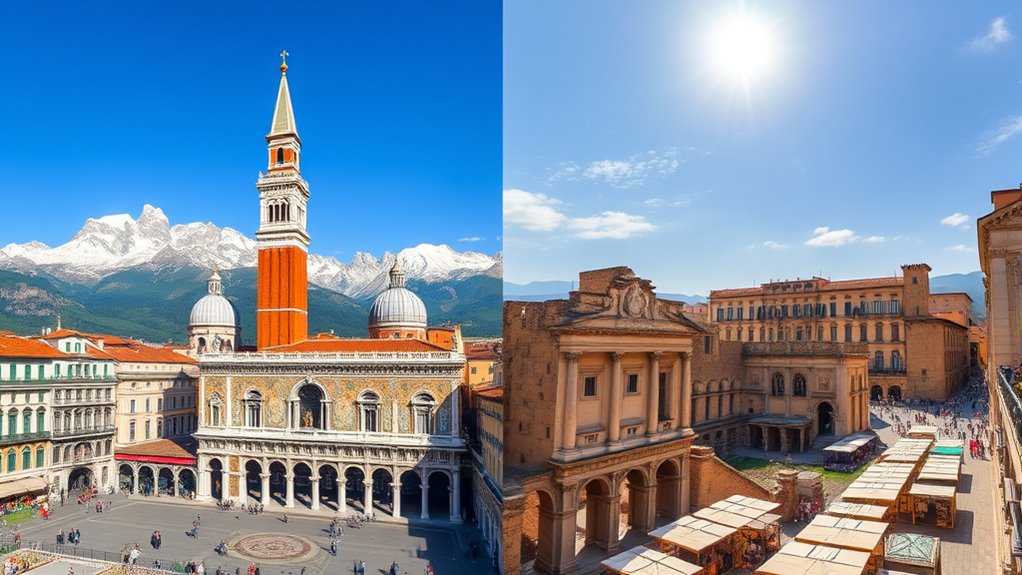
Northern Italy is renowned for its wealth of Renaissance and medieval architecture, with cities like Florence, Venice, Milan, and Bologna offering countless UNESCO World Heritage Sites. Here, you’ll explore iconic cathedrals, grand piazzas, and art-filled museums that define Italy’s cultural heart. In the south, you’ll encounter ancient Greek temples, Roman ruins, and vibrant folk traditions rooted in history. These regions provide a contrasting tapestry of experiences—northern elegance versus southern authenticity.
| Northern Attractions | Southern Attractions |
|---|---|
| Florence’s Duomo, Uffizi | Greek temples in Sicily |
| Venice’s canals, St. Mark’s Basilica | Pompeii’s ruins, Vesuvius views |
| Milan’s Gothic cathedral | Baroque towns in Puglia |
As an affiliate, we earn on qualifying purchases.
Exploring Regional Cuisine and Food Experiences

Italy offers a diverse culinary landscape that reflects its regional abundance of fresh ingredients and traditional techniques. In the north, you’ll find hearty dishes like risotto, polenta, and rich cheeses, along with wine regions such as Barolo and Prosecco. Northern cuisine emphasizes dairy, cured meats, and sophisticated gastronomy, often enjoyed in enotecas and high-end restaurants. The use of electric power generation with bike generators in rural areas has historically supported local food preservation techniques, showcasing Italy’s innovative spirit. This sustainable approach highlights the country’s commitment to renewable energy and environmentally conscious practices in food production. Additionally, incorporating piercing care and hygiene principles can be beneficial if you’re exploring local markets and street food stalls, ensuring a safe and enjoyable experience. Paying attention to food presentation and ambiance can also enhance your overall dining experience, making each meal memorable. Exploring these regional variations can deepen your understanding of Italy’s culinary diversity and culinary heritage, enriching your gastronomic journey.
As an affiliate, we earn on qualifying purchases.
Practical Travel Logistics and Costs to Consider
When planning your trip, understanding the transportation options and costs is essential to making your journey smooth and budget-friendly. Northern Italy boasts dense infrastructure with high-speed trains connecting major cities like Milan, Venice, and Florence, enabling quick, affordable travel. Regional trains and buses are reliable but slower, making day trips manageable. In addition, proper ventilation considerations can enhance comfort during travel days. Infrastructure comparison between the regions influences travel convenience and costs, with the north often benefiting from more extensive networks. In contrast, the south relies more on regional rail, buses, and ferries, especially for islands like Sicily and Sardinia, which can increase costs and travel time. Northern cities often have higher accommodation prices, but transportation costs may be lower. Southern destinations can be more affordable for lodging and dining, though traveling between dispersed sites may require car rentals or ferries, adding to your expenses. Consider seasonality; peak summer prices spike, especially in coastal hotspots.
Atmosphere and Pace: What to Expect in Northern and Southern Italy
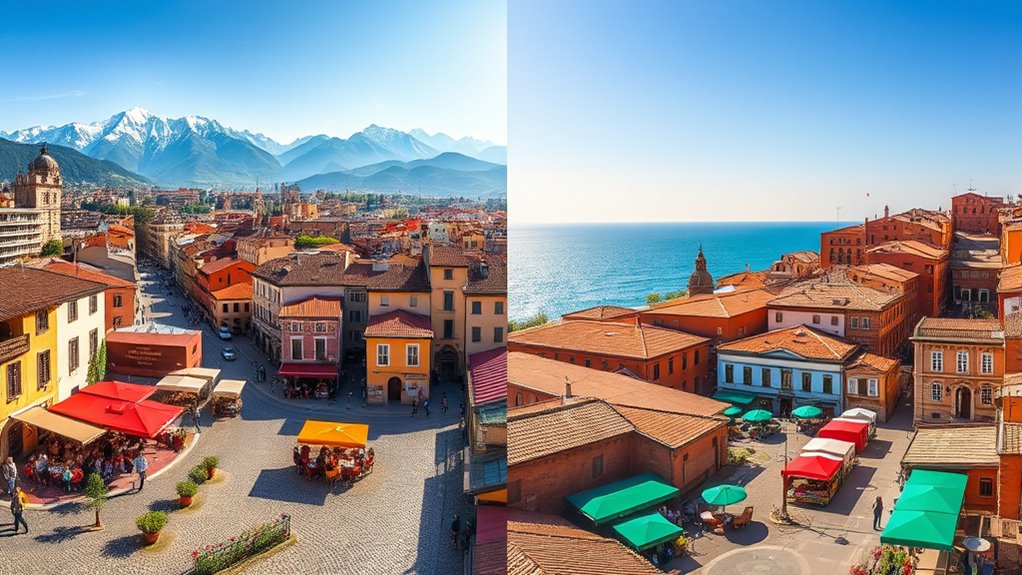
The atmosphere across Italy varies considerably between its regions, shaping your overall experience. In the north, you’ll find a cosmopolitan vibe—cities like Milan and Venice are bustling, efficient, and fashion-forward, with a fast pace that keeps you moving. Expect well-organized transport and a focus on cultural sophistication. In contrast, the south offers a relaxed, rustic charm. Coastal towns and villages exude warmth and community, with a slower rhythm that encourages lingering over meals and conversations. Tourist crowds tend to be steadier in the north, especially in major cities, while southern hotspots experience seasonal surges. Overall, the north’s energy feels more polished and brisk, whereas the south invites you to unwind and embrace a more laid-back, vibrant lifestyle. Discovering regional diversity highlights how distinct local customs and atmospheres shape your journey through Italy. Exploring regional cultural differences can further enrich your understanding of Italy’s diverse character, including its unique regional flavors and traditions. Additionally, understanding the fashion heritage of each region can deepen your appreciation of local craftsmanship and style. Moreover, the traditional festivals across regions offer authentic insights into local identity and history, enhancing your travel experience.
Ideal Activities and Interests for Different Traveler Types
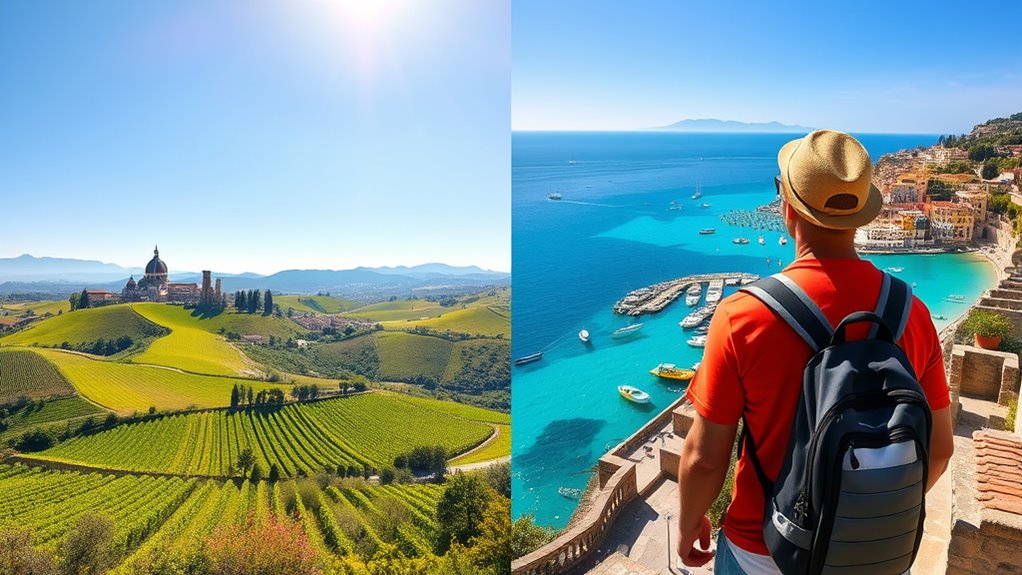
Whether you’re passionate about history and architecture, a beach lover seeking sun and sea, or a foodie enthusiastic to sample regional flavors, Italy offers tailored experiences for every traveler. In the north, you’ll find cultural treasures, UNESCO sites, and sophisticated cuisine, perfect for history buffs and art enthusiasts. Exploring these regions also involves understanding local cultural differences, which can greatly enhance your appreciation of the sites and traditions. Additionally, engaging with auditory processing can deepen your understanding of regional music and folk traditions, enriching your cultural experience. Recognizing regional dialects can further enhance communication and immersion during your visit. Meanwhile, the south caters to those craving coastal relaxation, vibrant folk traditions, and bold Mediterranean dishes. To ensure a memorable trip, consider the cost‑of‑ownership math involved in exploring each region’s unique attractions and accommodations. Additionally, understanding regional marketing strategies can help travelers find the best deals and personalized recommendations.
Cultural & Heritage Preferences
Cultural and heritage interests vary considerably depending on your travel style and priorities. If you’re passionate about art, architecture, and museums, the north offers Renaissance masterpieces, UNESCO-listed urban ensembles, and vibrant cultural scenes. For those fascinated by ancient history and archaeological sites, the south presents Greek temples, Roman ruins, and living traditions rooted in centuries-old folklore. Additionally, embracing Free Floating elements such as outdoor spaces, local festivities, and natural landscapes can enrich your experience, providing a more immersive connection to Italy’s diverse cultural heritage. Incorporating cultural nuances, including regional dialects and culinary traditions, can significantly influence your itinerary choices, helping you tailor your trip to your specific interests. Consider these highlights: – Explore Florence, Venice, and Milan for world-class museums and medieval architecture. – Visit Pompeii, Sicilian Greek temples, and traditional towns to experience ancient ruins and local customs. – Immerse yourself in regional festivals, street performances, and folk traditions that showcase Italy’s diverse cultural heritage.
Beach & Island Lovers
If you love relaxing on sun-soaked beaches and exploring scenic islands, Italy’s southern coastlines and islands offer some of the most enchanting experiences. The Amalfi Coast features dramatic cliffs, hidden coves, and charming towns like Positano and Amalfi, perfect for lounging or boat trips. Sicily and Sardinia boast pristine beaches, crystal-clear waters, and vibrant marine life, ideal for swimming, snorkeling, or kayaking. For island hopping, Capri and Ischia provide stunning scenery, thermal spas, and lively waterfronts. The southern regions excel in laid-back atmospheres, local seafood, and picturesque landscapes. To fully enjoy these spots, consider renting a boat or driving along scenic coastal roads, making your beach and island experience more flexible and immersive. Additionally, choosing the right waterproof running watch can help you track your outdoor activities along these beautiful coastlines. Being aware of local climate conditions can also help you plan the best times to visit, ensuring a more comfortable and enjoyable experience. Planning your transportation options in advance can further enhance your trip, especially during peak seasons when roads and ferries may be crowded. Moreover, understanding at-home travel gear can prepare you better for outdoor adventures and comfort during your explorations. Recognizing the thermal behavior of different coastal environments can also help you select suitable clothing and gear for your adventures.
Gourmet & Food Enthusiasts
For gourmet and food enthusiasts, Italy offers a culinary journey that delights the senses at every turn. You’ll find vibrant markets, authentic trattorie, and world-renowned wine regions that showcase Italy’s rich flavors. In the north, indulge in risotto, polenta, and fine wines like Barolo and Prosecco. The region’s high-end enotecas and Michelin-starred restaurants elevate the experience. In the south, savor fresh seafood, mozzarella, citrus, and pasta dishes bursting with Mediterranean flair. Street food and local markets offer a more rustic, traditional taste of southern Italy’s culinary soul. You can explore vineyard tours in Piedmont or enjoy island wines in Sicily. Whether you prefer refined dining or casual street fare, Italy’s diverse regions cater to your foodie cravings. Understanding the lifecycle and performance metrics can help you make informed choices about local food and wine experiences, ensuring you get the most out of your culinary adventure.
Best Seasons and Timing for Visiting Each Region
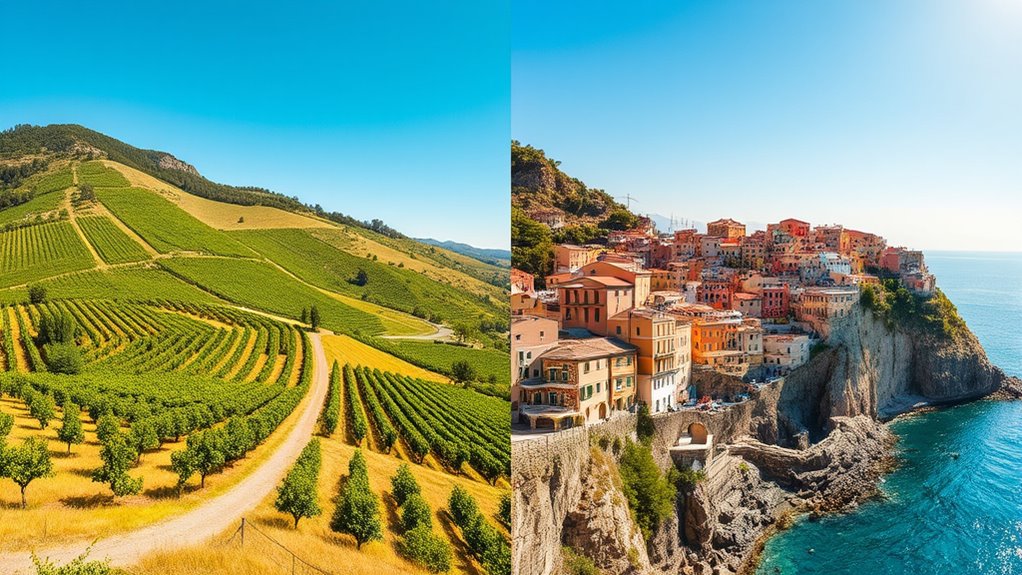
Italy’s diverse climate means that the best time to visit each region depends on what you want to experience. For the north, spring (April to June) and fall (September to October) offer mild weather and fewer crowds, perfect for exploring cities, lakes, and mountains. Summer (July and August) can be hot and busy, especially in popular spots like Venice and the Dolomites. In the south, late spring through early autumn (May to September) provides warm to hot weather ideal for beaches, coastal towns, and islands. July and August are peak season, so expect crowds and higher prices, but the weather remains ideal for seaside activities. Consider shoulder seasons for fewer tourists, better prices, and pleasant weather in both regions.
Crafting a Balanced Itinerary Based on Your Time and Preferences
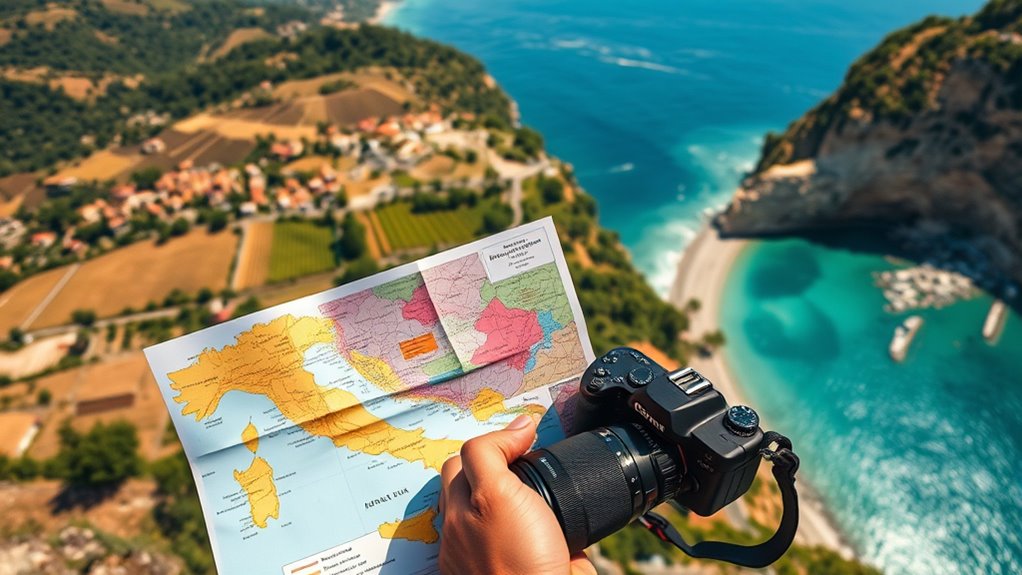
Designing a balanced Italy itinerary hinges on aligning your available time with your interests and travel style. If you have a week, focus on a region to avoid rushing—perhaps northern cities or southern coastlines. For longer trips, mix cultural hubs with relaxed coastal or island days to create variety.
Craft a balanced Italy itinerary by focusing on regions and blending cultural sights with leisure days.
Consider these key points:
- Prioritize your must-see attractions to allocate time effectively.
- Incorporate travel time between destinations to prevent exhaustion.
- Balance sightseeing with leisure to enjoy local food, scenery, and culture fully.
Tips for Navigating Transportation and Making the Most of Your Trip

Exploring Italy’s diverse transportation options can considerably enhance your travel experience and reduce stress. In the north, take advantage of high-speed trains like Trenitalia and Italo to quickly connect cities such as Milan, Venice, and Florence. Book tickets in advance for the best prices and seat reservations. For shorter trips or rural areas, regional trains and buses are reliable, but schedules can be limited. In the south, ferries and car rentals are essential for island hopping and exploring coastal towns. Consider renting a car if you want flexibility, especially in rural or less-connected regions. Always plan your routes ahead, factor in transfer times, and check schedules. Using apps for real-time updates can help you navigate smoothly and maximize your time exploring Italy’s rich landscapes and culture.
Frequently Asked Questions
How Can I Effectively Combine Northern and Southern Italy in One Trip?
You can effectively combine northern and southern Italy by planning a flexible itinerary that starts in the north with cities like Milan, Venice, or Florence, then gradually moves southward. Use high-speed trains for quick transfers between major hubs, and consider renting a car for coastal or island excursions in the south. Allocate enough time for each region’s highlights, balancing urban exploration, cultural sites, and relaxing beach days for a well-rounded trip.
What Are the Hidden Gems Unique to Each Region?
In northern Italy, discover hidden gems like the colorful, lesser-known hilltop villages of the Ligurian Alps and the charming, less-touristed lakeside towns around Como. In the south, explore the ancient Greek ruins at Morgantina or the stunning, secluded beaches of the Calabrian coast. These unique spots offer authentic experiences away from crowded tourist areas, giving you a deeper connection to Italy’s diverse regional heritage and landscapes.
How Do I Choose Between a City-Focused or Coastal-Focused Itinerary?
You should choose a city-focused itinerary if you love art, architecture, shopping, and vibrant urban experiences. Opt for a coastal-focused trip if relaxing on beaches, exploring seaside towns, and enjoying fresh seafood excite you. Consider your preferred pace—cities are bustling and fast, while coastlines are laid-back and scenic. Balance your interests and travel style to decide, or combine both for a well-rounded Italian adventure.
Are There Any Safety Concerns Specific to Northern or Southern Italy?
You generally don’t need to worry about safety in either northern or southern Italy, but stay cautious of common issues like pickpocketing in crowded tourist spots. In the south, especially around some rural or isolated areas, be mindful of uneven terrain and limited services. Always follow local advice, avoid risky neighborhoods at night, and keep your belongings secure. With common sense, both regions offer safe, enjoyable experiences.
What Are the Best Travel Tips for First-Time Visitors to Italy?
They say “forewarned is forearmed,” so here are your top tips: learn some basic Italian phrases to connect with locals, stay vigilant with your belongings, and plan transportation in advance. Embrace the slower pace in the south for a richer experience, and don’t overpack—Italy’s walkable cities make lighter luggage a blessing. Use local markets for authentic food, and keep an open mind to truly enjoy Italy’s vibrant culture.
Conclusion
Choosing between North and South Italy feels like picking your favorite star in the sky—impossible and exhilarating! Whichever you choose, you’re in for an adventure of a lifetime, bursting with unforgettable sights, flavors, and experiences that’ll change you forever. So, go ahead, take the plunge! Your dream Italian escape awaits, promising more magic than you ever thought possible. Get ready—Italy’s waiting to sweep you off your feet in the most incredible way!
Halloween Picks
halloween
As an affiliate, we earn on qualifying purchases.