
Many Americans overpack for spring break in Europe, making travel and navigation harder. They often forget to explore local transportation options or seek authentic experiences, which adds stress and limits enjoyment. Instead, focus on packing light, using public transit, and immersing yourself in neighborhood scenes. Paying attention to logistics and authentic spots can transform your trip from stressful to memorable. Want tips to avoid common mistakes and maximize your trip? Keep exploring to discover more practical advice.
Key Takeaways
- Overpacking can hinder mobility; focus on versatile clothing and use laundry services to pack lighter.
- Rushing through multiple destinations often leads to exhaustion and missed authentic experiences.
- Not researching local transportation options may result in higher costs and longer travel times.
- Prioritizing popular tourist spots over local neighborhoods can diminish cultural immersion.
- Ignoring local customs and etiquette risks misunderstandings and reduces the quality of interactions.
lightweight packing cubes for Europe travel
As an affiliate, we earn on qualifying purchases.
As an affiliate, we earn on qualifying purchases.
Overpacking: Packing Less for a More Enjoyable Trip
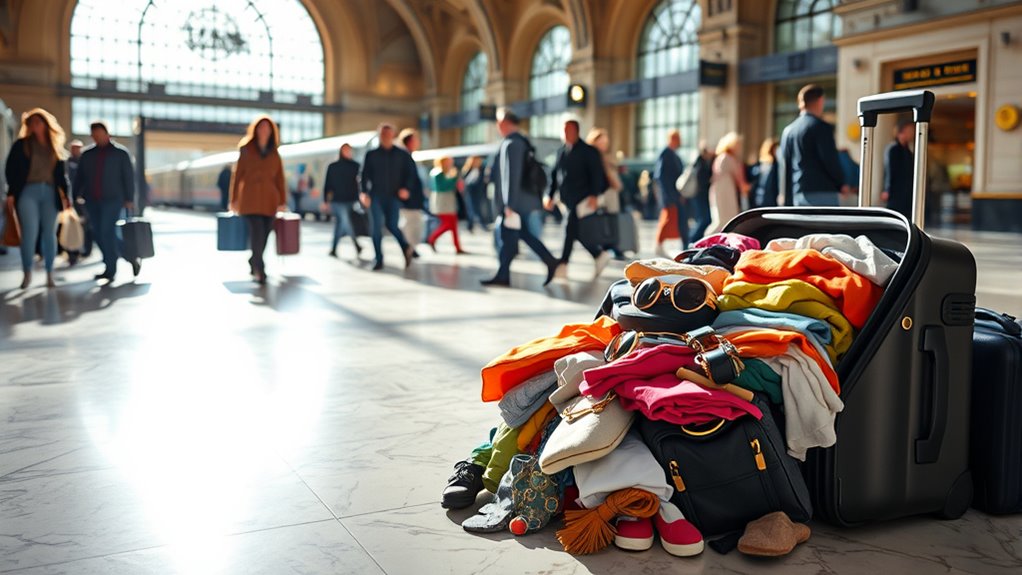
Overpacking can turn your European trip into a frustrating experience. Heavy bags make it hard to navigate crowded trains, buses, and tiny hotel rooms. Many travelers pack for every possible scenario, but this habit from American suburban life doesn’t translate well abroad. Extra luggage slows you down and adds physical stress, draining your energy before you even start sightseeing. Instead, pack only what you truly need, focusing on versatile clothing that suits different weather conditions. Remember, laundry services are common and affordable in Europe. Traveling light means you’ll move more freely, avoid baggage fees, and enjoy your trip without the burden of excessive weight. Less truly is more—so pack smart, and let your adventures take center stage. Incorporating weight management strategies can further enhance your travel experience by reducing physical strain and increasing mobility. Utilizing packing techniques can help maximize space and keep your luggage organized, making your journey smoother and more enjoyable. Additionally, practicing efficient packing methods can help you identify essentials versus extras, saving space and reducing stress throughout your trip. Developing a consistent space-saving routine can also streamline your packing process and improve efficiency. Implementing these space-saving tips can also help you adapt quickly to changing plans or weather, ensuring a flexible and stress-free journey.
public transportation travel guide Europe
As an affiliate, we earn on qualifying purchases.
As an affiliate, we earn on qualifying purchases.
Navigating Public Transportation Like a Local
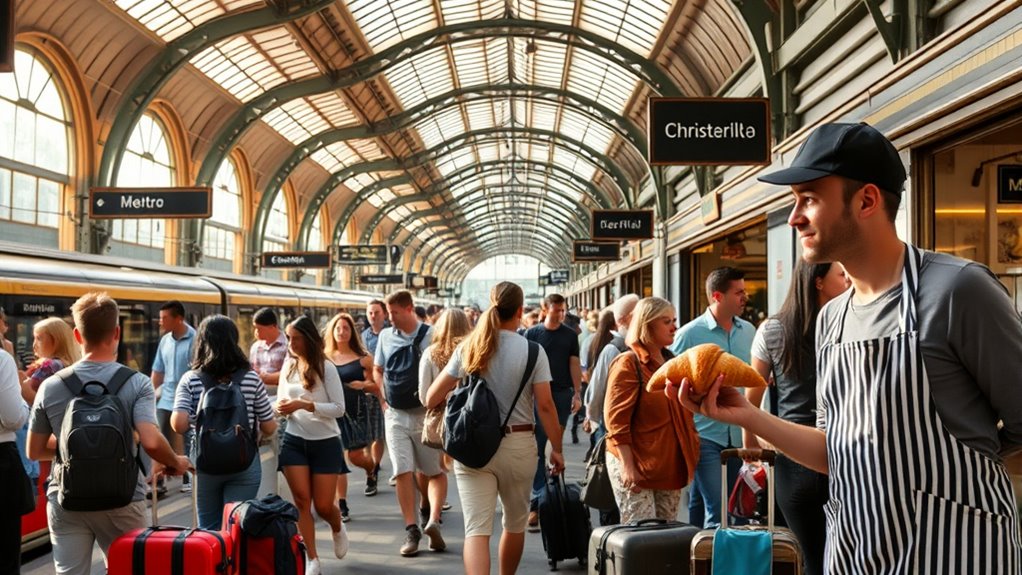
To get around Europe efficiently, it’s best to embrace the local public transportation systems instead of relying on taxis or rental cars. Public transit is affordable, reliable, and a great way to experience daily life. To navigate like a local, keep these tips in mind:
- Learn ticketing procedures: Validate your ticket before boarding, and understand zone systems to avoid fines. Familiarizing yourself with essential oils for transit health can also help you stay comfortable during long commutes. Additionally, understanding the astrological signs and interpersonal attraction may offer cultural insights into social interactions encountered on public transit.
- Use transit apps: Download local transit apps for real-time schedules, route maps, and alerts.
- Observe local etiquette: Stand on the right side of escalators, give up seats to those in need, and keep noise minimal.
- Consider smart transit solutions: Many cities are integrating smart transportation systems that offer seamless, contactless payment options and real-time updates to enhance your travel experience.
Familiarize yourself with these habits to save time, money, and stress, making your trip smoother and more authentic.
European transit apps for tourists
As an affiliate, we earn on qualifying purchases.
As an affiliate, we earn on qualifying purchases.
Embracing Authentic Experiences Over Tourist Hotspots
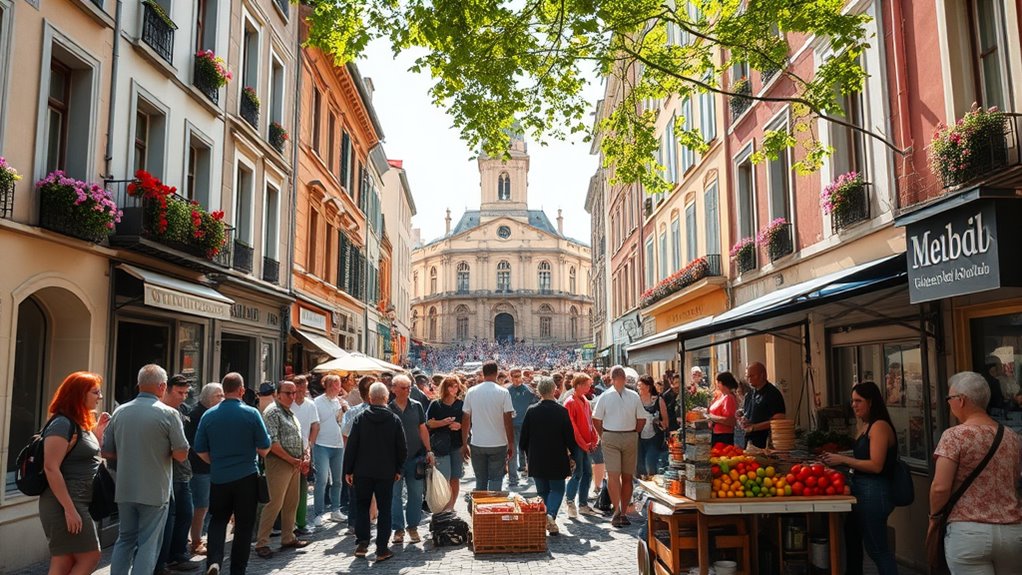
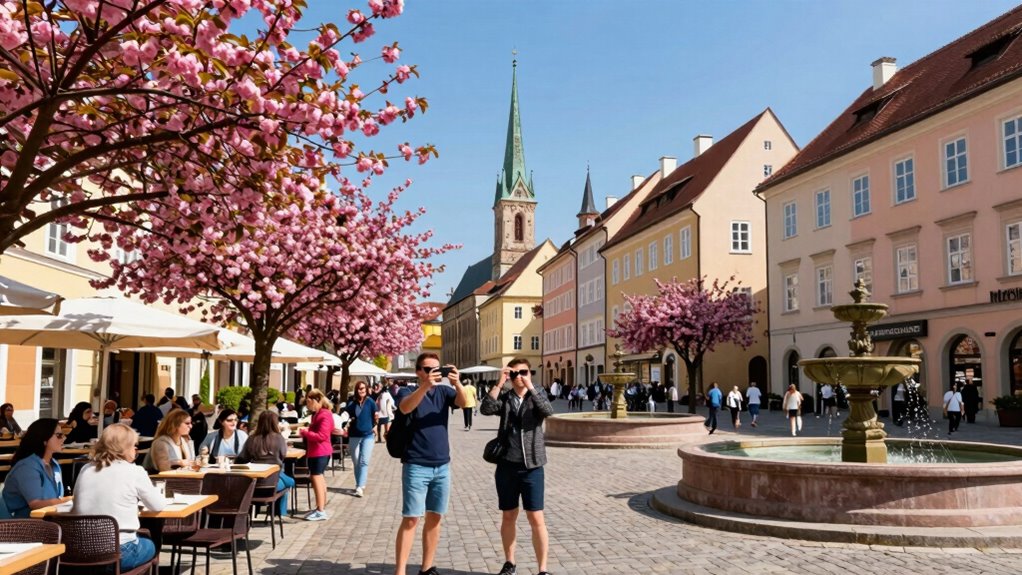
While visiting Europe, it’s tempting to check off every famous landmark, but focusing solely on tourist hotspots can limit your authentic experiences. Instead, explore neighborhoods where locals live, eat at small cafes, and attend local events or markets. These genuine moments reveal the true essence of a place beyond the guidebooks. To help you get started, here’s a quick guide: You can also incorporate Natural Spaces like discovering natural spaces or lesser-known areas to enrich your journey. Incorporating electric bikes into your explorations can be a great way to access these hidden gems while enjoying sustainable transportation and supporting body comfort during long rides. Additionally, choosing the right earplugs for concerts can help you enjoy vibrant local music scenes without risking hearing damage.
As an affiliate, we earn on qualifying purchases.
Booking Accommodation With Location and Convenience in Mind
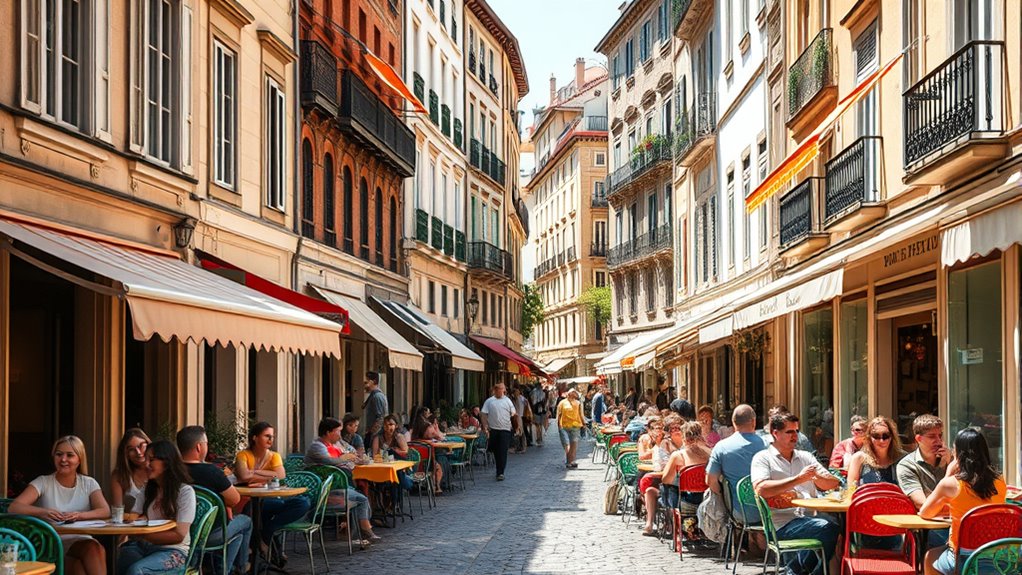
Choosing the right location for your accommodation can make or break your European trip. You want to stay near key attractions, transportation hubs, and vibrant neighborhoods. Here’s how to prioritize:
Choosing a well-located stay ensures easy sightseeing, authentic neighborhoods, and convenient transport options for a memorable European trip.
- Proximity to Public Transit: Staying near train stations or bus stops saves time and money, making it easier to explore without taxis.
- Neighborhood Vibe: Choose areas with authentic local flavor, cafes, and shops, rather than isolated tourist spots.
- Accessibility: Guarantee your accommodation offers easy access to daily activities, reducing long walks or complicated routes.
Understanding Cost-Inclusive Items and Hidden Expenses
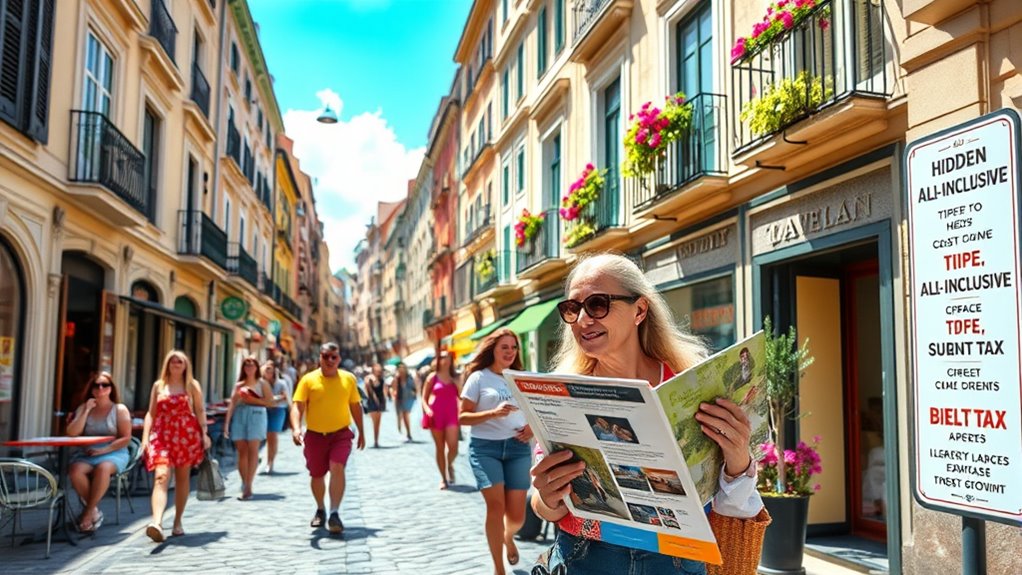
Being mindful of what’s included in your accommodation rate can save you unexpected costs during your trip. Many hotels or rentals advertise “breakfast included,” but check if it covers everything or if you’ll need to pay extra for coffee, juice, or snacks. Similarly, some places list “city taxes” or “service fees” that aren’t always transparent upfront, so review the fine print. Be cautious of amenities that seem free but come with hidden charges, like Wi-Fi, towels, or use of certain facilities. Always ask if there are additional costs before using anything. Understanding these details helps you budget accurately and avoid surprises, ensuring your trip stays enjoyable and stress-free. Being prepared keeps your expenses predictable and prevents small costs from adding up unexpectedly. Considering total-cost clarity can help you better plan your overall expenses and avoid financial surprises during your travels. Additionally, researching local currency exchange rates beforehand can prevent overpaying when converting funds. Familiarizing yourself with common hidden charges in your destination can also help you anticipate potential extra costs and stay within your budget. Knowing how to identify unlisted fees can further protect you from unexpected expenses.
Planning Site Visits Around Operating Hours
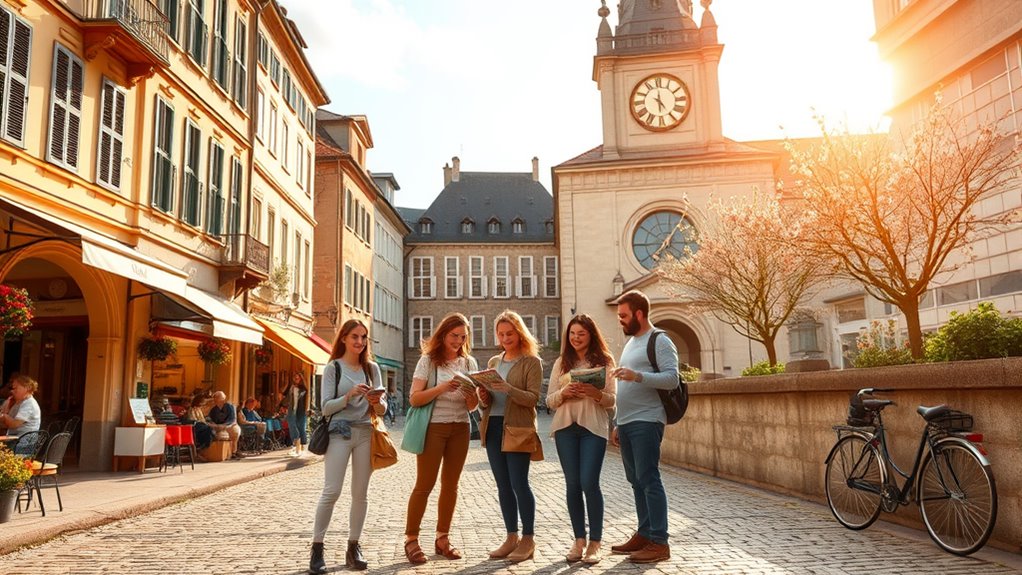
Planning your site visits around opening hours is essential to maximize your sightseeing time and avoid disappointment. Before you go, research each attraction’s schedule to prevent wasting time. Here are key tips:
- Check official websites or local guides for current hours, especially during holidays or seasonal closures.
- Note specific days when sites are closed, like museums closed on Mondays or Tuesdays.
- Adjust your itinerary to fit within operating times, reserving mornings for popular spots and afternoons for less busy locations.
- Remember that operating hours can vary by season or special events, so confirming ahead helps you stay on schedule.
- Additionally, understanding local customs and holidays can impact site availability and opening hours, so it’s wise to plan accordingly.
Frequently Asked Questions
How Can I Determine the Optimal Luggage Size for European Travel?
You can determine the ideal luggage size by considering your trip duration, activities, and transportation methods. Opt for a lightweight, 21-24 inch rolling suitcase or a durable backpack to easily navigate European streets and public transit. Pack only essentials, avoiding overpacking, and choose versatile clothing. Check airline baggage restrictions beforehand. This way, you’ll stay mobile, avoid extra fees, and keep your travel stress-free.
What Are the Best Apps for Public Transportation Schedules and Updates?
Don’t reinvent the wheel—use apps like Citymapper, Moovit, and Rome2rio for real-time public transportation updates. These apps help you plan routes efficiently, avoid delays, and stay updated on schedules. Google Maps is also handy for navigation and transit info. Download them before your trip, and you’ll navigate European cities like a pro, saving time and reducing stress. Stay prepared and keep moving smoothly!
How Do I Identify Authentic Local Experiences Beyond Tourist Sites?
To find authentic local experiences, ask locals for recommendations or explore neighborhoods away from major tourist spots. Use social media or travel forums to discover hidden gems and events. Walk around and observe where locals dine, shop, or gather. Attend local markets, festivals, or cultural activities. Avoid heavily marketed attractions, and instead, immerse yourself in everyday life. This approach helps you connect genuinely with the place and its people.
What Criteria Should I Consider When Choosing Accommodation Locations?
When choosing accommodation locations, focus on proximity to public transportation, local neighborhoods, and attractions you want to explore. Avoid places far from key sites, which can lead to long walks and wasted time. Guarantee the area has dining options and essentials nearby. Research neighborhood safety and vibe to match your preferences. Staying central or well-connected makes your trip easier, more affordable, and allows you to experience authentic local life effortlessly.
How Can I Verify Opening Hours and Avoid Missing Attractions?
Think of your trip as a treasure hunt—checking opening hours is your map. You can verify attraction schedules online or through official apps before you go. Call ahead if needed, especially for special exhibits. Remember, many sites like the Louvre close on certain days. Planning ahead guarantees you don’t miss out on must-see spots, saving you time, frustration, and making your adventure smoother and more memorable.
Conclusion
Remember, less is often more, and packing light keeps you agile and stress-free. By orienting like a local and embracing authentic experiences, you’ll create memories that last longer than crowded hotspots. Choose accommodations wisely and be aware of hidden costs to stay within your budget. Planning around opening hours ensures you won’t miss out. After all, “Don’t put all your eggs in one basket”—diversify your experiences for a richer, more rewarding spring break in Europe.