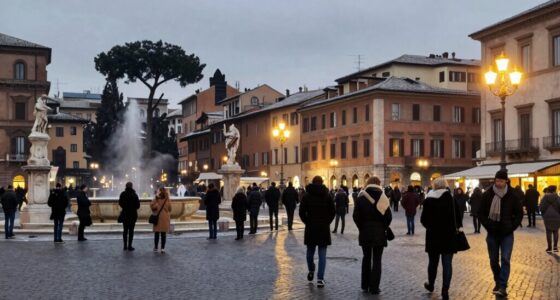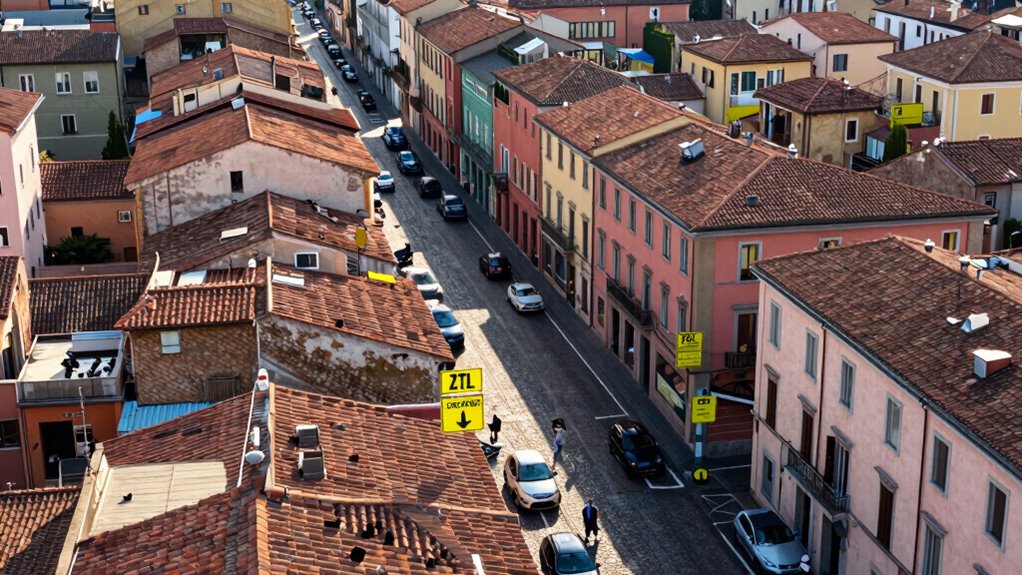

If you ignore Italy’s ZTL zones, you risk hefty fines and access bans, catching many tourists off guard. These restricted areas are marked with clear signage and monitored by cameras, targeting unauthorized vehicles like tourists’ rental cars. Knowing which vehicles are allowed and understanding signage can save you from unexpected tickets. Stay informed about local rules, and if you keep exploring, you’ll discover essential tips to avoid fines and enjoy your trip hassle-free.

Get travel and outdoor gear delivered free with Prime
- Fast, free delivery on millions of items
- Prime Video, Amazon Music and more included
- Member-only deals all year
Key Takeaways
- Unauthorized entry into ZTL zones results in automatic fines often sent directly to vehicle owners, catching tourists unaware.
- Signage and signals at city entrances clearly mark ZTL boundaries, but tourists may overlook or misunderstand restrictions.
- Fines can range from €80 to over €350, especially during restricted hours or in high-demand tourist areas.
- Many tourists are unaware of the need for special permits or registration to legally access ZTL zones.
- Using GPS apps with ZTL alerts and planning routes outside these zones help tourists avoid costly tickets.
GPS navigation app with ZTL alerts
As an affiliate, we earn on qualifying purchases.
As an affiliate, we earn on qualifying purchases.
What Are ZTL Zones and Why Are They Important?
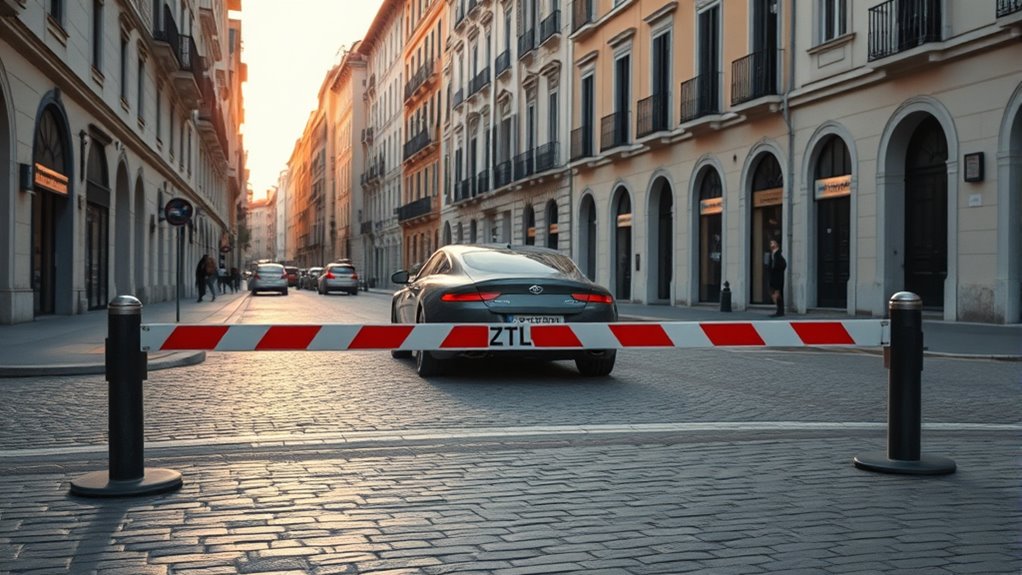
ZTL zones, or Zona Traffico Limitato, are restricted traffic areas typically found in the historic centers of Italian cities. They’re designed to reduce congestion, lower pollution, and protect historic sites from heavy vehicle traffic. Access is usually limited to residents, delivery vehicles, emergency services, and authorized visitors. These zones help preserve the city’s cultural and architectural heritage while making the area safer and more pleasant for pedestrians. ZTLs are active during certain hours or days, and some are open 24/7, depending on the city. If you enter a ZTL without proper authorization, you risk hefty fines. Recognizing these zones is vital for any traveler wanting to avoid unexpected penalties and enjoy Italy’s historic charm without trouble. Understanding traffic regulations is essential for navigating Italian cities smoothly and avoiding fines. Additionally, many cities use traffic cameras to monitor and enforce ZTL restrictions effectively. Being aware of local signage can help travelers identify these zones quickly and plan their routes accordingly. Moreover, some cities offer electronic permits that can be purchased in advance to facilitate authorized access.
As an affiliate, we earn on qualifying purchases.
Recognizing ZTL Signage and Indicators in Italian Cities

When approaching a city center, keep an eye out for the white circular signs with red borders displaying “ZTL” or “Zona Traffico Limitato,” often placed high or near cameras. Look for the red or green light signals at entry points, which indicate whether access is allowed or restricted, especially in cities like Florence. Pay attention to additional informational panels below the signs that specify hours, exceptions, and vehicle categories to avoid fines. Understanding traffic restrictions can help in managing access if your vehicle qualifies for exemptions during certain hours. Additionally, familiarizing yourself with best rated vacuum cleaners can make your cleaning routines more efficient once you return home. Being aware of cookie management options can also improve your online experience when researching city regulations or planning routes. Recognizing ZTL signage is essential for avoiding costly penalties and ensuring a smooth visit to Italian cities.
Signage Appearance and Placement
Recognizing ZTL signage in Italian cities is essential for avoiding fines and steering through urban areas smoothly. These signs are typically round with a white background, red border, and display “ZTL” or “Zona Traffico Limitato” in black letters. They’re usually positioned high on poles or near entry points, sometimes accompanied by additional panels detailing hours, exceptions, or vehicle types allowed. In cities like Florence, you might see red or green lights at entrances—red indicating no entry without a permit. Be attentive to signage near major roads, historic centers, or parking areas. Some signs are in Italian only, so familiarize yourself with symbols and colors. Proper signage placement helps you identify restricted zones before entering, saving you from costly fines. Understanding the signage appearance and placement is crucial for safe navigation and compliance with local regulations.
Light Signal Indicators
Have you ever approached a city entrance and wondered if you can drive through? Many Italian cities use light signal indicators to clarify ZTL restrictions. Florence, for example, employs red or green lights at entry points: a red light means you cannot enter without a permit, while green indicates access is allowed. These signals are usually positioned near signs or traffic lights and are easy to miss if you’re not paying attention. Some cities also use illuminated panels displaying messages or symbols that specify whether the zone is active or restricted. Recognizing these indicators helps you avoid accidental violations and fines. Additionally, understanding traffic signal indicators can significantly enhance your navigation experience in Italy’s urban areas. Always look for accompanying signs and pay attention to the lights, especially during peak hours or in busy city centers, to stay compliant and avoid costly penalties. Being aware of modern traffic signals enhances your ability to navigate city zones smoothly and safely. Knowing how light signal indicators operate can help you interpret the signs quickly and correctly, reducing confusion and stress while driving. Familiarizing yourself with ZTL regulations can also prevent unintentional violations and streamline your travel plans.
Additional Informational Panels
Many Italian cities supplement their traffic signs with additional informational panels that clarify ZTL restrictions and help drivers navigate the zones more easily. These panels often display specific details, such as the days and hours when access is restricted, exceptions for residents or authorized vehicles, and permit requirements. They may also include symbols indicating the types of vehicles allowed, like electric or hybrid cars, or special access for emergency vehicles and deliveries. In cities like Florence, you’ll find panels with color-coded lights—red or green—that indicate whether entry is permitted at that moment. These panels are vital for avoiding fines, especially since the primary ZTL signs are often in Italian and can be hard for foreigners to interpret quickly. Pay close attention to these panels to stay compliant. Vetted – ELFY’S WORLD Additionally, some zones utilize traffic management systems that adapt to real-time conditions, providing additional guidance for drivers, including dynamic signage that can change based on traffic flow or special events. Recognizing these informational panels, which often incorporate digital displays or symbols, can greatly improve your navigation experience and help you avoid accidental violations.
As an affiliate, we earn on qualifying purchases.
How Enforcement Cameras Keep ZTL Boundaries in Check
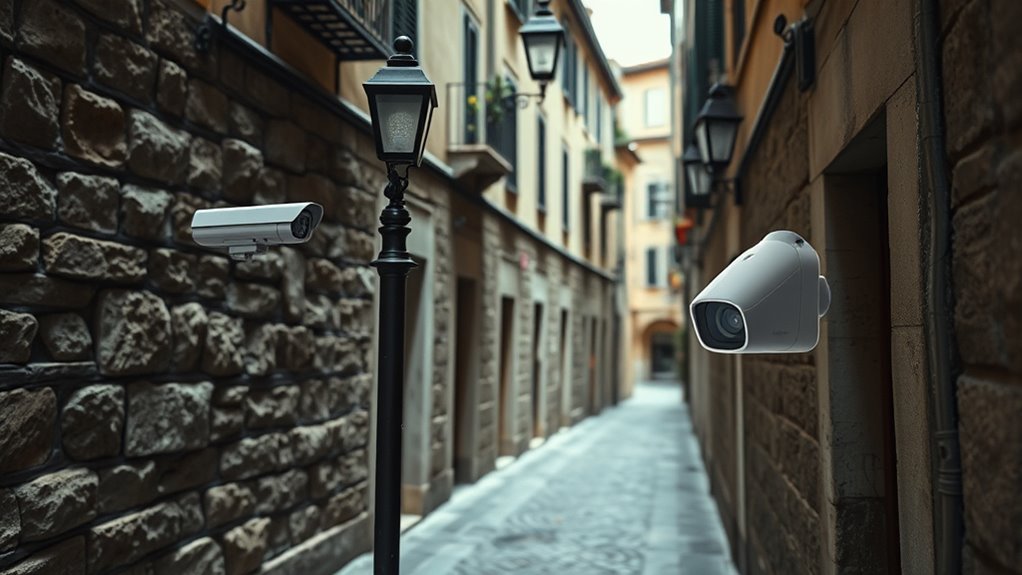
Enforcement cameras play a crucial role in ensuring ZTL boundaries are respected by actively monitoring vehicle access. As you enter a restricted zone, cameras capture your license plate instantly. These high-tech devices photograph every vehicle, regardless of whether you’re aware of the restriction. The system then cross-references each plate with a database of permitted vehicles, like residents, emergency services, or authorized deliveries. When an unauthorized vehicle is detected, the cameras automatically trigger fines, which are later reviewed and issued by municipal authorities. This seamless process leaves no room for manual oversight, making enforcement consistent and effective. Even brief violations are caught, and fines are sent directly to vehicle owners, often with photographic proof. Cameras therefore act as silent, relentless enforcers, maintaining ZTL boundaries without the need for constant patrols. Implementing these systems also helps to prevent unauthorized access, ensuring the restricted zones remain effective. Additionally, these systems contribute to traffic management, reducing congestion and pollution in sensitive urban areas. Such technological solutions also enhance overall urban safety by minimizing illegal entries and promoting compliance. As a result, cities can better monitor vehicle movement and enforce restrictions efficiently, leading to improved urban environments.
As an affiliate, we earn on qualifying purchases.
Which Vehicles Are Allowed to Enter ZTL Areas?
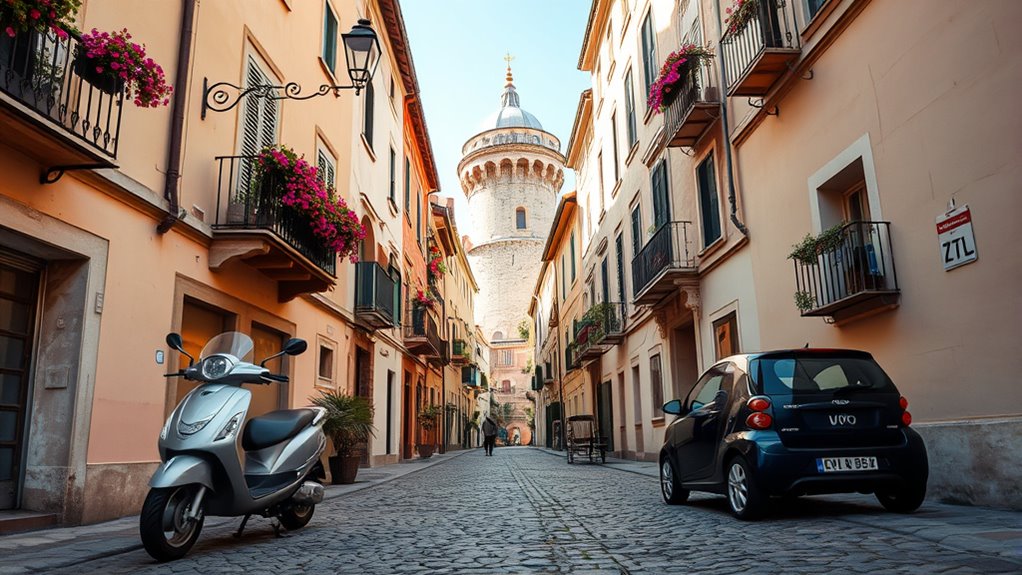
Certain vehicles are permitted to enter ZTL areas, primarily to guarantee essential services and residents can access their properties without penalty. These include emergency vehicles, delivery trucks, and registered residents’ cars. Additionally, some exceptions are made for specific categories:
- Vehicles with special permits, such as hotel guest registrations or resident passes
- Electric and hybrid vehicles, which may receive exemptions or reduced fees in certain cities
- Cars used by disabled individuals with appropriate permits or license plates
If you’re a resident, hotel guest, or an authorized service provider, you can usually register your vehicle in advance to gain access. Keep in mind, unauthorized vehicles—even if temporarily inside—risk fines and penalties.
The Cost of Ignoring ZTL Restrictions: Fines and Penalties
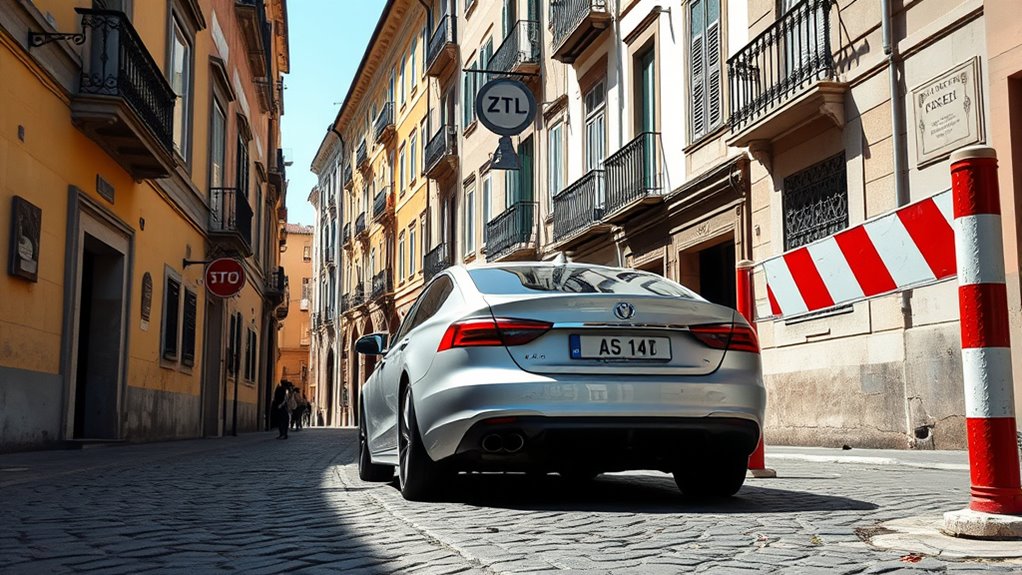
Ignoring ZTL restrictions can lead to significant financial consequences. When you enter a restricted zone without proper authorization, cameras will automatically record your license plate, and a fine will follow. These fines typically range from €80 to over €350, depending on the city and violation severity. You’ll receive the penalty notice at your home address, often with photographic evidence of the violation. If you’re renting a car, the rental company will process the fine and add administrative fees before charging your credit card. In some cities, violations during specific hours—like Florence’s summer night extensions—are more common, increasing your risk of hefty fines. Ignoring ZTL rules can quickly drain your travel budget and cause unnecessary stress. Better to stay informed and avoid the penalties altogether.
Navigating ZTL Rules in Major Italian Cities Like Florence and Rome
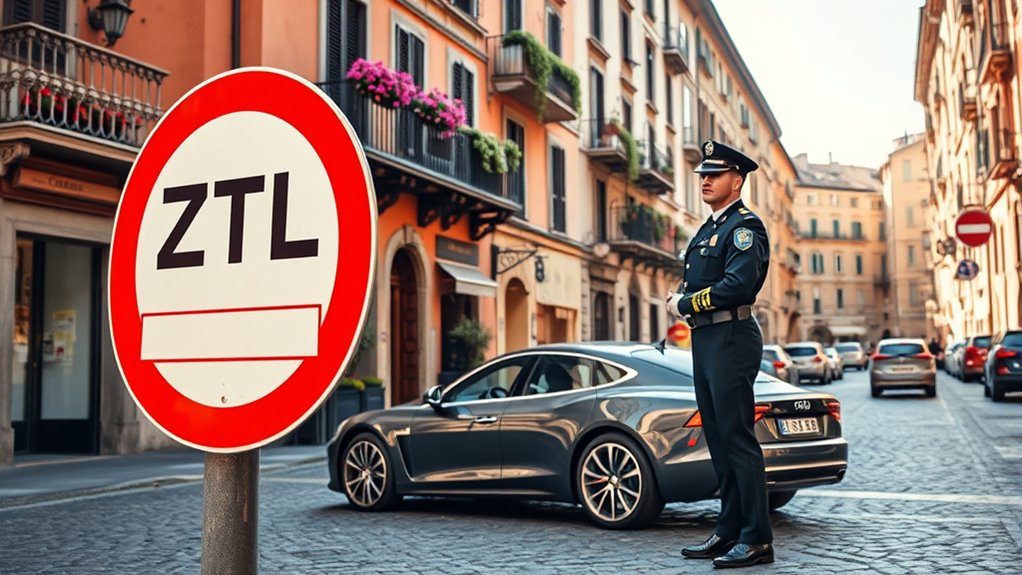
Navigating ZTL rules in major Italian cities like Florence and Rome requires careful planning, as restrictions vary by location and time. You’ll need to pay attention to signs, hours, and permitted vehicles to avoid fines. Florence’s A zone is restricted at all times, while others have specific hours. Rome’s ZTLs change daily, with some active only during peak hours.
- Look for clear signage with “ZTL” or “Zona Traffico Limitato,” and watch for lights or cameras at entry points.
- Check if your vehicle qualifies for exemptions, such as electric or hybrid cars.
- Consider parking outside the ZTL and walking or using public transit to reach your destination efficiently.
Tips for Tourists: How to Avoid ZTL Fines During Your Visit
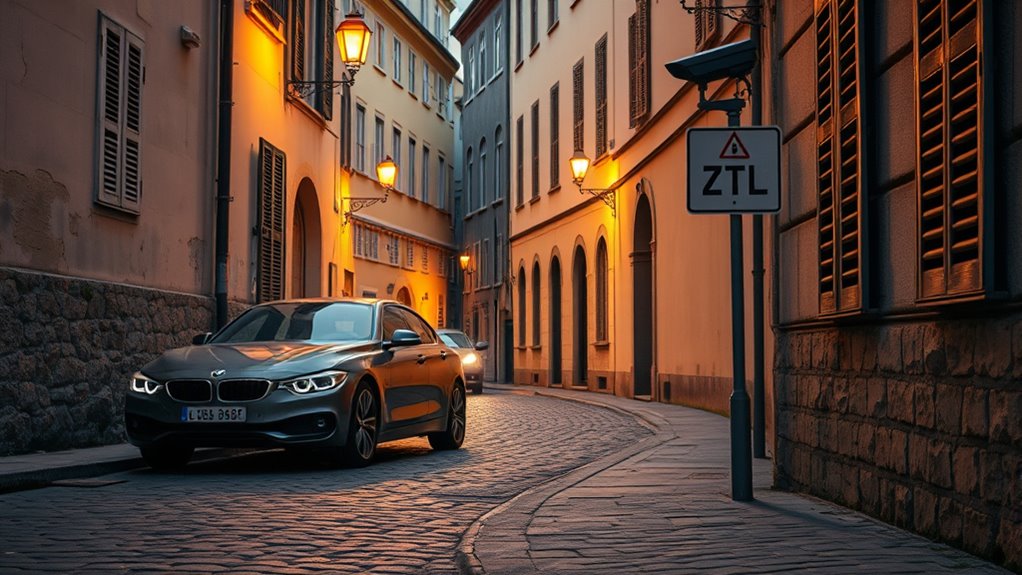
Before you start exploring, make sure to research each city’s ZTL rules to avoid surprises. Use official permits or apps when available to stay within authorized zones. Planning your routes in advance helps you steer clear of restricted areas and enjoy your trip hassle-free.
Research City Regulations
To avoid ZTL fines during your visit, it’s essential to research each city’s specific regulations before you go. Rules vary by location, hours of restriction, and permitted vehicles. Knowing these details helps you plan your routes and avoid costly mistakes.
- Check official city websites or tourism boards for ZTL maps, hours, and exceptions.
- Look for signage at city entrances to understand restrictions and permit requirements.
- Review rental car policies on ZTL fines and procedures for obtaining temporary permits.
Use Official Permits
Using official permits is one of the most reliable ways to avoid ZTL fines during your visit to Italian cities. If you plan to drive into a ZTL, guarantee you obtain the correct permit beforehand. Some cities offer temporary online permits you can purchase or book in advance, often for a small fee. Hotels inside ZTL zones may register your license plate for your stay, granting you temporary access. Always double-check whether your rental car company includes permits or handles registration for you. Carry proof of your permit in your vehicle, and verify that your license plate is correctly registered. Using official permits not only keeps you compliant but also saves you from hefty fines and administrative headaches, ensuring a stress-free visit to Italy’s historic centers.
Plan Your Routes
Planning your routes carefully is essential to avoid accidentally entering ZTL zones and incurring fines. Before setting out, research city maps and ZTL boundaries to pinpoint restricted areas. Use GPS apps with ZTL alerts or dedicated Italian travel apps that highlight zones in real-time. Consider walking or using public transportation in historic centers to bypass restrictions altogether.
- Check for ZTL signs and camera placements before entering streets.
- Plan alternative routes around city centers to stay clear of restricted zones.
- Look for parking facilities outside ZTL zones and walk into the city.
The Future of ZTL Zones and Sustainable Urban Mobility
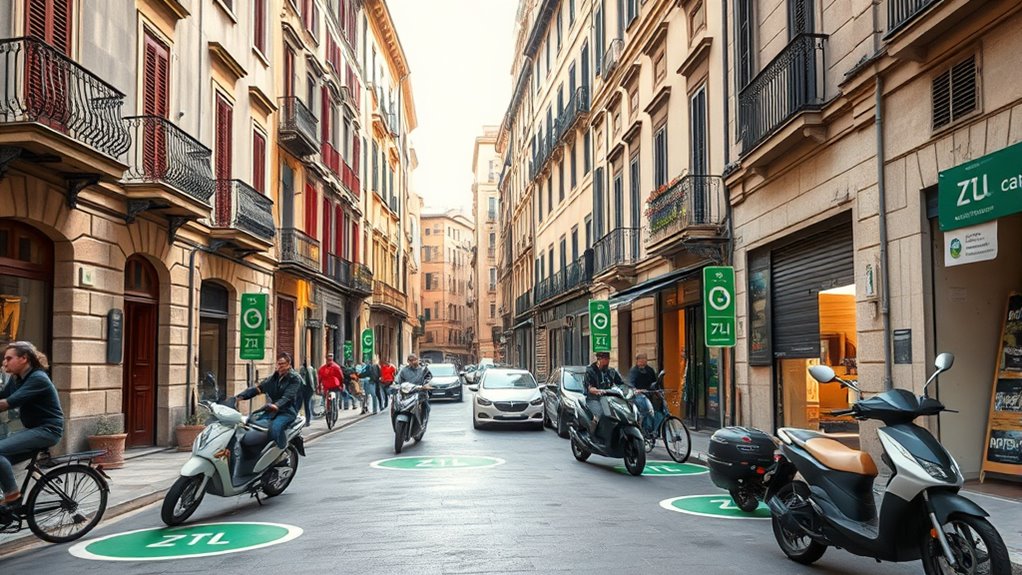
As cities worldwide recognize the environmental and traffic challenges of urban congestion, ZTL zones are evolving to become essential tools in shaping sustainable mobility. Future strategies include expanding low-emission zones, incentivizing electric vehicles, and integrating smart technology for better enforcement and navigation. Cities will likely implement real-time apps showing restricted areas, permit requirements, and alternative routes. This approach reduces pollution and promotes eco-friendly transportation modes like cycling and public transit.
| Innovation | Impact | Challenges |
|---|---|---|
| Smart surveillance & apps | Real-time info & enforcement | Privacy concerns |
| Electric vehicle incentives | Lower emissions & traffic | Infrastructure costs |
| Expanded low-emission zones | Cleaner air, less congestion | Balancing accessibility |
| Integration with public transit | Seamless mobility | Coordinating systems |
Frequently Asked Questions
How Can Tourists Obtain Temporary Permits for ZTL Zones?
You can obtain temporary permits for ZTL zones by applying online through the city’s official website or visiting local tourist information offices. Some cities require you to register your vehicle details and pay a fee in advance. Others allow you to request permits at your hotel or rental agency. Make sure to check specific city rules, as procedures and costs vary, to avoid hefty fines during your visit.
Are Electric Vehicles Exempt From ZTL Restrictions in Italy?
Imagine a glowing green leaf symbolizing eco-friendly vehicles—then yes, in some Italian cities, electric vehicles are exempt from ZTL restrictions. You can drive your electric or hybrid car into restricted zones without worry, depending on local regulations. This exemption aims to encourage eco-conscious transportation. However, always check city-specific rules, as some places may still require registration or permits for electric vehicles to avoid fines.
Can Rental Car Companies Pay Fines on Behalf of Drivers?
Yes, rental car companies can pay fines on your behalf. When you violate a ZTL zone, the fine is sent to the rental company, which then charges your credit card for the amount plus administrative fees. It is crucial to recognize that ignoring these fines might lead to additional charges or restrictions on future rentals. Always check your rental agreement for specific policies regarding ZTL violations and payments.
What Are the Differences Between ZTL and Low-Emission Zones (LEZS)?
You’ll notice that ZTLs restrict vehicle access in historic city centers, mainly to protect sites and reduce congestion, while LEZs target broader urban areas to lower emissions across many cities. ZTLs usually operate during specific hours and require permits, with cameras enforcing rules. LEZs focus on reducing pollution by setting emission standards, often allowing older, more polluting vehicles only if they meet certain criteria or pay fees.
Are ZTL Restrictions in Italy the Same Year-Round or Do They Change Seasonally?
You might think ZTL restrictions stay the same year-round, but they actually change seasonally in many cities. During peak tourist seasons or summer months, authorities often extend restrictions to reduce congestion and protect historic sites. In Florence, for example, summer nights have stricter limits. Always check current signage and local regulations before driving, as restrictions can vary by city, season, and even specific days or hours.
Conclusion
Finding your way through Italy’s ZTL zones might seem tricky at first, but staying informed helps you avoid costly fines. Remember to spot signage, respect restricted hours, and consider alternatives like public transport or parking outside city centers. Isn’t experiencing Italy’s beauty worth a little extra planning? By understanding and respecting ZTL rules, you ensure a smooth, worry-free trip—so why not embrace these regulations as part of your authentic Italian adventure?
Columbus Day / Indigenous Peoples' Day Picks
long weekend sales
As an affiliate, we earn on qualifying purchases.