TL;DR
Italy and Spain have announced extensions of border controls following a recent increase in migrants attempting to cross into Ceuta. The measures are reciprocal, escalating tensions at the border. The situation remains fluid and the full impact is still unfolding.
Italy and Spain have announced the extension of border controls as a response to a recent surge of migrants attempting to cross into the Spanish enclave of Ceuta. The measures, which are reciprocal, mark an escalation in border security amid rising migration pressures. The developments come amid heightened tensions between the two countries over migration management and border security policies.
On March 2024, both Italy and Spain confirmed they are extending border control measures, initially implemented in response to increased migrant crossings in Ceuta, a Spanish territory bordering Morocco. Spain’s government stated that these measures include increased patrols and tighter entry checks at key border points. Italy, citing similar concerns over migration flows, announced it would extend its own border restrictions, which include enhanced surveillance and stricter entry procedures at border crossings with neighboring countries.
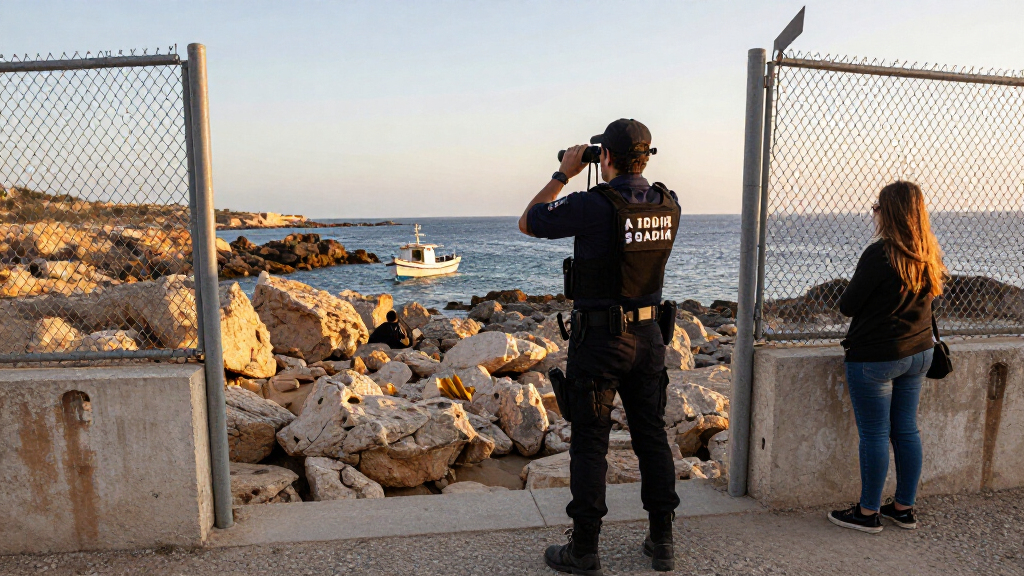
The decision follows a reported surge of migrant arrivals in Ceuta, with authorities indicating that hundreds of people have attempted to cross into the enclave in recent weeks. Spanish officials have attributed the increase to deteriorating conditions in Morocco and other North African countries, which are believed to be driving more migrants to seek entry into Europe through Ceuta and Melilla.
Both governments emphasized that these measures are temporary and aimed at controlling migration flows while ensuring border security. The reciprocal nature of the controls suggests a diplomatic and operational escalation, with each country responding to the other’s border policies.
Implications for European Border Security
The extension of border controls by Italy and Spain underscores the growing challenges faced by European countries in managing migration flows from North Africa. The reciprocal measures may lead to increased tensions at borders and could impact legal and irregular migration routes. This development also reflects broader debates within the European Union about border security, migration policy, and cooperation with North African nations. The situation highlights the delicate balance between humanitarian concerns and security priorities in the region.
As an affiliate, we earn on qualifying purchases.
Recent Migration Trends and Policy Responses
Over the past year, migration from North Africa to Europe has increased, with Ceuta and Melilla remaining key entry points. Spain has reported a rise in migrant arrivals, prompting the government to reinforce border controls. Similarly, Italy has faced increased migration via the Mediterranean, leading to stricter border enforcement and bilateral cooperation with neighboring countries. The spike in migration coincides with deteriorating economic and political conditions in North Africa, as well as climate-related challenges impacting migration routes.
Previously, both Spain and Italy relied on a combination of patrols, legal pathways, and cooperation with North African authorities to manage migration. The recent escalation suggests a shift toward more restrictive measures, possibly in response to perceptions of increased irregular crossings and political pressures domestically.
As an affiliate, we earn on qualifying purchases.
Unclear Duration and Long-term Impact of Controls
It is not yet clear how long the extended border controls will remain in place or whether they will be further intensified. The exact scale of the migrant surge in Ceuta and its causes are still being assessed, and the potential for diplomatic negotiations or policy reversals remains uncertain. The broader impact on migration routes and EU border policy is also still developing.
passport and border control organizer
As an affiliate, we earn on qualifying purchases.
As an affiliate, we earn on qualifying purchases.
Next Steps in Diplomatic and Operational Responses
Both Spain and Italy are expected to monitor migration patterns closely and may hold bilateral or EU-level discussions to address border security and migration management. Further official statements are anticipated, along with possible adjustments to the measures based on the evolving situation. Observers will be watching for any escalation or de-escalation in border tensions and potential impacts on migrants and border communities.
As an affiliate, we earn on qualifying purchases.
Key Questions
Why are Italy and Spain extending their border controls?
They are responding to a recent surge in migrants attempting to cross into Ceuta and other border areas, aiming to enhance security and manage migration flows.
How might these measures affect migrants trying to enter Europe?
The controls could make crossing more difficult and dangerous, potentially pushing migrants toward more risky routes or increasing border tensions.
Are these measures permanent?
Officials have described the measures as temporary, but the duration will depend on the migration situation and diplomatic developments.
Could this lead to broader EU policy changes?
Potentially, if the surge and border tensions persist, prompting discussions on coordinated migration and border security policies within the EU.
What is causing the recent migrant surge in Ceuta?
Officials cite deteriorating conditions in North African countries and economic or political instability as primary factors, though specific causes are still being studied.
Source: rss