
TL;DR

Get travel and outdoor gear delivered free — and shop member deals
- Fast, free delivery on millions of items
- Access to Prime Big Deal Days deals on October 6–7
- Prime Video, Amazon Music and more included
Portable camping stoves vary from ultralight backpacking burners to powerful car-camping models. Choosing the right one depends on your trip, fuel, and cooking needs. Safety, efficiency, and environmental impact are key considerations.
Imagine a crackling campfire, the smell of roasted coffee filling the crisp morning air. Now, replace that with the hum of a portable stove—quiet, efficient, and ready to turn your wilderness meal into a feast. Portable camping stoves are the unsung heroes of outdoor cooking, packed with options that fit everything from a solo hike to a family car camping trip. But choosing the right one isn’t just about size or weight; it’s about matching your trip’s demands with the stove’s features.
Whether you’re boiling water for coffee, frying bacon, or simmering a hearty stew, understanding what makes a stove work best in different conditions can save you time, fuel, and frustration. This guide will walk you through the main types, key features, safety tips, and how to pick the perfect stove for your next adventure—so you can focus on the view, not the flame.
Choose a stove based on your trip type—ultralight for backpacking, stable systems for car camping.
Prioritize safety: never use fuel-burning stoves inside tents or enclosed spaces.
Consider fuel availability and performance in cold or high-altitude conditions when selecting your stove.
Modern stoves feature better wind resistance, efficiency, and safety, making outdoor cooking more reliable.
Proper storage and transport of fuel are critical to safety and legal compliance, especially when flying.
What Are the Main Types of Portable Camping Stoves and How Do They Differ?
When you hear ‘camping stove,’ you might picture a tiny canister burner. That’s just one piece of a larger puzzle. There are several types, each suited to different trips and preferences.
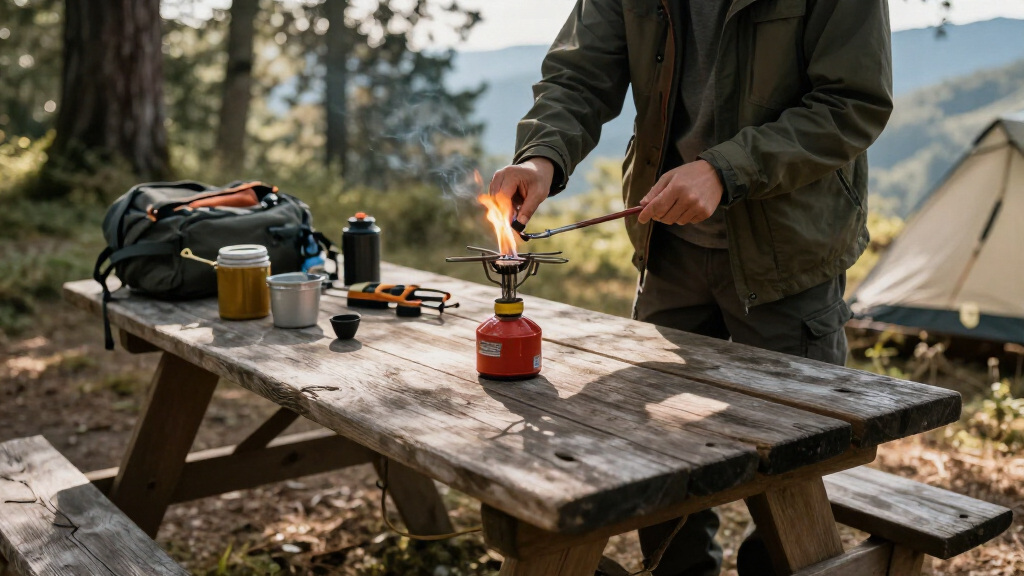
**Canister stoves** screw onto pressurized canisters filled with isobutane-propane. They’re lightweight, clean, and perfect for three-season backpacking. Imagine a compact, metallic disc that fits in your palm, ready to ignite with a push—easy to use, but performance dips in cold weather. This limitation matters because in colder conditions, fuel pressure drops, reducing flame strength and cooking efficiency, which can lead to longer cooking times and increased fuel consumption.
**Remote-canister stoves** connect via a hose to the canister, offering more stability and larger support surfaces for pots. Some can even operate inverted, pushing fuel to the burner’s top for better cold-weather use. This design allows for better fuel flow at low temperatures, but it also adds complexity and weight, which may impact portability. The tradeoff is between convenience and adaptability in harsh conditions.
**Liquid-fuel stoves** burn white gas—think of a rugged, refillable lantern. These shine in freezing conditions and are ideal for long, remote trips. They require pumping, priming, and some maintenance but perform reliably in winter’s grip. The advantage here is consistent performance regardless of temperature, but the tradeoff is increased complexity, weight, and potential for leaks or spills, which can pose safety concerns if not handled properly.
**Integrated systems** combine burner, pot, and heat exchanger into one package. They boil water fast but aren’t as versatile for frying or cooking for groups. Picture a sleek, all-in-one coffee maker—quick and efficient. The benefit is rapid boiling, but you sacrifice some flexibility, making them less suitable for diverse cooking styles or larger groups.
**Other options include alcohol stoves**, which are ultra-light but slow and limited in flame control; **wood-burning stoves**, which rely on dry twigs but create smoke; and **solid-fuel stoves**, which are simple but slow and messy. For car campers, **tabletop propane stoves** offer stability and power, while **electric systems** are emerging but mostly suited for RVs or vans. Each type involves a tradeoff between weight, convenience, environmental impact, and performance, so understanding these differences helps you choose the best tool for your specific needs.
portable camping stove for backpacking
As an affiliate, we earn on qualifying purchases.
As an affiliate, we earn on qualifying purchases.
How to Pick Your Perfect Camping Stove in 10 Easy Steps
- Define your trip needs: solo hike, family car camping, or international expedition? Each demands different gear. Recognizing your trip’s scope helps prioritize features like weight, capacity, and fuel type, ensuring you don’t carry unnecessary bulk or compromise on performance.
- Consider weight and size: Are you backpacking or driving? For backpacking, aim for ultralight models; for car camping, stability and power matter more. The tradeoff here involves balancing portability with cooking capacity—lighter stoves often have fewer features or support smaller pots.
- Check fuel options: Canisters are convenient but limited in remote areas. Liquid fuels work worldwide but are heavier and require maintenance. Your choice impacts logistics, cost, and environmental footprint, especially if resupply is difficult.
- Match performance with conditions: Cold and high-altitude trips demand liquid fuels or inverted-canister systems. Failing to match your stove’s capabilities with environmental conditions can lead to underperformance, longer cooking times, and increased fuel use, which can be critical in remote settings.
- Assess wind resistance: Wind can double your boiling time. Look for protected burners or integrated systems with wind shields. Investing in wind-resistant designs can save fuel and reduce frustration, especially in exposed environments.
- Think about cooking style: Need simmer control or just boiling water? Choose a stove with adjustable flames if you plan to cook more than just dehydrated meals. The ability to fine-tune heat impacts cooking quality and fuel efficiency.
- Prioritize stability: Larger pots need broader supports. Remote fuel lines and sturdy stands help prevent tipping. A stable setup reduces accidents and ensures safety, especially with heavier cookware.
- Estimate fuel needs: Carry extra for unexpected delays or cold weather. Remember, fuel consumption spikes with wind and low temps. Overestimating supplies prevents running out at critical moments, which could ruin your trip or compromise safety.
- Factor in safety: Always verify your setup, carry a lighter, and never use inside tents or enclosed spaces. The risk of carbon monoxide poisoning or fire is real and deadly, so cautious use is essential.
- Set your budget: Basic systems are cheap, but investing in a reliable, durable stove pays off over many trips. Durability and safety features often justify higher initial costs by reducing long-term replacement or repair expenses.
Imagine setting up your stove on a breezy mountain ridge, knowing it will support your meal without tipping or losing power. That confidence comes from understanding your needs and matching them with the right gear, which minimizes frustration and maximizes enjoyment of your outdoor experience.
car camping stove with wind resistance
As an affiliate, we earn on qualifying purchases.
As an affiliate, we earn on qualifying purchases.
The Most Important Features to Consider Before Buying
When you compare camping stoves, a few features stand out as game-changers. The right combination ensures safety, efficiency, and ease of use. But understanding why these features matter helps you make smarter choices and avoid common pitfalls.
**Weight and packed size**: Remember, every ounce counts if you’re backpacking. Consider not just the burner but the entire system—fuel canisters, pots, windshields. Excess weight can lead to fatigue and reduce your overall enjoyment, while too bulky gear can be cumbersome and limit your mobility.
**Fuel type and availability**: Canisters are convenient but may not be accessible everywhere. White gas and automotive fuels are more versatile globally. The availability of fuel in your camping area influences your choice—carrying incompatible fuel can lead to performance issues or safety hazards.
**Cold-weather performance**: Cold reduces canister pressure, so liquid fuels or inverted-canister systems shine in winter. Ignoring this can mean your stove fails when you need it most, risking exposure and discomfort.
**Wind resistance**: Wind can double boiling times. Look for protected burners or designs with wind shields. Investing in wind-resistant features enhances efficiency, conserves fuel, and ensures reliable cooking in exposed environments.
**Cooking control**: Adjustable flames and simmer capabilities matter if you plan to cook more than boil water. Some models excel at rapid boiling, others at gentle simmering. Your cooking style dictates which features provide the best value and performance.
**Stability**: Larger supports, remote fuel lines, and heavier bases prevent tipping, especially with larger pots. Stability reduces accidents, improves safety, and makes cooking more manageable, particularly with heavier or uneven cookware.
**Group capacity**: Bigger groups need more powerful burners or multiple stoves to keep everyone fed without chaos or accidents. Overlooking this can lead to long waits, uneven cooking, or safety issues due to overloaded equipment.
**Reliability and maintenance**: Consider models with durable ignition systems and accessible parts. Carry a backup lighter or matches. A reliable stove minimizes failures during critical moments, and easy maintenance extends its lifespan.
**Cost over time**: Initial cheapness may be tempting, but long-term efficiency and durability often save money. Investing in quality reduces replacement costs and improves safety, making it a smarter financial choice.
In the end, balancing these features depends on your trip’s specifics. For instance, a solo hiker prioritizes weight and simplicity, while a family camper values stability and capacity. Understanding these tradeoffs ensures your gear aligns with your needs, leading to a more enjoyable and stress-free adventure.
As an affiliate, we earn on qualifying purchases.
Understanding Stove Performance Claims and What Really Matters
Those flashy BTU ratings and boil times? They don’t tell the full story. A stove’s real-world performance depends on design, wind, altitude, and how well it uses fuel. Relying solely on these numbers can lead to misconceptions about a stove’s true capabilities and suitability for your environment.
**BTU ratings** are often exaggerated—higher numbers don’t always mean faster boiling or better efficiency. The shape of the burner and pots, wind shields, and how you use the stove matter more. For example, a stove with a high BTU rating but poor wind resistance may perform worse than a lower-rated model in windy conditions, impacting fuel efficiency and cooking time.
**Boil-time figures** are measured under perfect conditions—mild weather, full canisters, and no wind. In the field, expect longer times, especially in cold or windy environments. This discrepancy underscores the importance of understanding real-world variables rather than relying on marketing claims alone.
**Fuel efficiency** can save you weight and space on long trips. Choose a stove that’s designed for low fuel consumption, especially if you’ll be far from resupply points. A more efficient stove reduces the amount of fuel you need to carry, which can be critical when weight and space are limited.
**Elevation and weather** impact cooking. Water boils below 100°C at high altitudes, so foods may take longer, regardless of stove power. Recognizing these environmental factors helps you select a stove that performs consistently and plan your cooking times accordingly.
Knowing these nuances helps you pick a stove that performs reliably, not just on paper, but in your actual environment. It encourages a focus on design features like wind resistance, fuel economy, and adaptability rather than marketing claims, leading to smarter gear choices and more successful trips.
canister stove for outdoor cooking
As an affiliate, we earn on qualifying purchases.
As an affiliate, we earn on qualifying purchases.
Stay Safe and Keep Your Trip Fire-Free: Essential Safety Tips
Using a camping stove safely isn’t just about avoiding burns—it’s about preventing deadly carbon monoxide buildup and fires. Always remember: never use fuel-burning stoves inside tents or enclosed spaces. The risk of poisoning is real and silent. Proper ventilation and awareness of your surroundings are crucial to prevent accidents.
Set up your stove on a stable, nonflammable surface, away from dry grass, leaves, and tents. Double-check fuel connections and seals—never test for leaks with a flame. Instead, spray soapy water and look for bubbles. This simple step can prevent dangerous leaks that could lead to fires or explosions.
Keep your face and hands clear during ignition. Avoid enclosure of canisters with windscreens—trapped heat can cause explosions. Always use approved configurations and follow manufacturer instructions to ensure safe operation. Regular maintenance and inspection of your stove can prevent malfunctions that might lead to accidents.
Let your stove cool completely before packing, and keep a fire extinguisher or water nearby. Follow local fire bans, and choose stoves with on/off valves during fire season. These precautions reduce the risk of wildfires and personal injury, safeguarding both your trip and the environment.
Safety isn’t just rules; it’s peace of mind. Respect nature’s rules, and your trip will stay fun and safe, allowing you to enjoy the outdoors without worry.
How to Store and Transport Fuel Safely and Legally
Fuel safety starts before you even hit the trail. Store canisters and liquid fuels away from heat and direct sunlight—think shady, cool spots, not car dashboards. When flying, check airline restrictions—fuel isn’t allowed in checked or carry-on luggage. Transporting fuel in unsafe conditions can lead to leaks, explosions, or legal issues.
Empty canisters should be completely drained and recycled properly. Never throw pressurized or partly filled bottles into regular trash—they can explode or leak. Always follow local disposal rules to prevent environmental contamination and safety hazards.
When traveling, keep fuels in their original containers or approved storage bottles. For international trips, research customs rules—fuel bottles and canisters often face restrictions or bans. Carrying fuels improperly can result in confiscation, fines, or safety risks at borders.
Transporting fuel safely isn’t just about legality; it’s about avoiding leaks, spills, or accidents that could ruin your trip or endanger others. Use approved containers, secure them tightly, and avoid storing fuels near open flames or heat sources during transit.
What’s New in Camping Stove Tech in the 2020s? Why It Matters
Advances in stove tech are making outdoor cooking safer, faster, and greener. Many new models feature **pressure regulators** that keep flame steady as canisters cool or run low—no more unpredictable flames. This consistency improves efficiency, reduces fuel waste, and enhances safety during critical cooking moments.
**Wind-resistant burners** paired with finned pots shorten boil times and use less fuel, even on gusty ridges. These innovations mean you can cook reliably in exposed environments, saving time and conserving resources. Lighter remote-canister designs now combine stability with winter capability, weighing less than older models, making them more portable without sacrificing performance.
Environmental focus has grown. Refillable canisters, better recycling options, and repairable units help reduce waste. Electric systems, powered by portable lithium batteries, are expanding into van and RV setups, making induction cooking a real option for mobile setups. These developments align with outdoor enthusiasts’ desire for sustainable gear that minimizes environmental impact.
Stricter wildfire rules mean stoves with on/off valves are replacing open-flame models in many areas. Safety and eco-consciousness are driving innovation, making modern stoves smarter, safer, and more sustainable. Staying updated on these trends ensures you select gear that not only performs well but also aligns with responsible outdoor practices.
Frequently Asked Questions
Which camping stove is best for beginners?
A simple, lightweight canister stove is perfect for beginners. It’s easy to light, reliable, and compact. For car camping or family trips, a stable two-burner propane stove offers more cooking options and stability.
Can I use a camping stove inside a tent?
No. Fuel-burning stoves produce carbon monoxide, which is deadly in enclosed spaces. Always cook outdoors, on a stable, nonflammable surface, and away from tents and dry vegetation.
What stove works best in winter?
Liquid-fuel stoves are the go-to for severe cold, as they perform reliably even in freezing temperatures. Remote-canister stoves that support inverted fuel canisters are also excellent options for winter camping.
Are propane and isobutane canisters interchangeable?
Not exactly. They often use different pressures and fittings. Always use canisters approved for your stove, and avoid improvised adapters to prevent leaks or accidents.
How much fuel should I carry?
Calculate based on your typical cooking needs, weather, and trip length. Always carry a safety margin—extra fuel helps prevent running out during unexpected delays or cold conditions.
Conclusion
Your choice of portable camping stove shapes your whole trip. A well-chosen stove not only cooks your meals but also keeps you safe, efficient, and environmentally responsible. Think about your needs, environment, and safety first—then enjoy every bite of your outdoor adventure.
Remember, a good stove isn’t just a tool. It’s your partner in creating memorable moments amid nature’s beauty. So gear up wisely, cook safely, and savor every meal under the open sky.
Fall Picks
fall essentials
As an affiliate, we earn on qualifying purchases.