This guide helps travelers choose the right compact backpack and pack it effectively for short trips or carry-on only travel. It’s ideal for beginners or anyone seeking a streamlined packing approach. By following these steps, you’ll ensure your backpack is suitable for your needs and packed efficiently, maximizing space and convenience.
Difficulty: Beginner | Time: 30-60 minutes
What You’ll Need
Tools & Materials:
- measuring tape
- packing cubes or organizers
- list of essentials
Knowledge:
- basic understanding of travel needs
- ability to assess personal packing habits
Prepare a list of items you’ll need for your trip to help with packing. Measure your clothing and essentials if size restrictions matter. Have your travel documents ready.
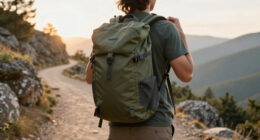
compact travel backpack with multiple compartments
As an affiliate, we earn on qualifying purchases.
As an affiliate, we earn on qualifying purchases.
Before You Start
Check your trip duration, destination, and airline carry-on restrictions. Avoid overpacking by sticking to essentials. Ensure your current backpack is clean and in good condition.
lightweight carry-on backpack for short trips
As an affiliate, we earn on qualifying purchases.
As an affiliate, we earn on qualifying purchases.
Step-by-Step Instructions
Step 1: Identify your travel needs
Make a list of essentials based on your trip duration, destination climate, and planned activities. Include clothing, toiletries, gadgets, and travel documents.
Tip: Prioritize versatile clothing that can mix and match. Use packing cubes for better organization.
Check: Your list should clearly outline all items needed and be manageable within a compact backpack.
Step 2: Select the right compact backpack
Choose a backpack that meets your size restrictions (usually 40L or less for carry-on) and has enough compartments for organization. Ensure it fits your torso length and feels comfortable when worn.
Tip: Look for lightweight, durable materials, and padded shoulder straps. Read reviews for reliability.
Check: The backpack fits your body comfortably, meets size limits, and is suitable for your trip type.
Step 3: Gather your packing tools and organize essentials
Collect packing cubes, toiletry bottles, and any organizers you plan to use. Lay out all items from your list to visualize your packing process.
Tip: Use smaller containers for liquids to prevent leaks. Roll clothing to save space.
Check: All packing tools and essentials are ready and laid out, ready for efficient packing.
Step 4: Pack clothing efficiently
Roll or fold your clothing items, placing heavier pieces at the bottom of the backpack and lighter items on top. Use packing cubes to separate clothing types.
Tip: Roll clothing tightly to maximize space and reduce wrinkles. Use the inside of shoes for small items like socks or chargers.
Check: Clothing fits snugly without overstuffing, with easy access to frequently used items.
Step 5: Organize smaller essentials and electronics
Place toiletries, chargers, and accessories in designated compartments or packing cubes. Keep frequently used items accessible.
Tip: Use clear, sealable bags for liquids and small items to prevent leaks and loss.
Check: All small items are organized and accessible, with no loose items floating inside the backpack.
Step 6: Utilize space-saving techniques
Fill gaps with smaller items, and nest smaller containers or accessories to maximize space. Ensure nothing is loose and shifting as you move.
Tip: Avoid overpacking by sticking to your essentials. Regularly check if items can be removed or combined.
Check: Backpack is filled efficiently, with all items fitting comfortably and nothing protruding or strained.
Step 7: Secure and finalize your pack
Close all zippers fully, ensuring nothing is caught or strained. Use compression straps if available to reduce volume.
Tip: Check that zippers operate smoothly and that no items are pressing against the zipper edges.
Check: Backpack closes securely without forcing the zippers, and it feels balanced when worn.
packing cubes for travel organization
As an affiliate, we earn on qualifying purchases.
As an affiliate, we earn on qualifying purchases.
Common Mistakes to Avoid
- Overpacking and exceeding size limits — Stick to essentials, use packing cubes, and weigh your bag if possible to stay within size restrictions.
- Using bulky clothing or items — Choose lightweight, quick-drying fabrics and roll clothing to save space.
- Disorganized packing leading to difficulty finding items — Use designated compartments, packing cubes, or small bags for different categories of items.
- Forgetting important essentials — Cross-reference your packing list before closing the bag and after packing to ensure completeness.
As an affiliate, we earn on qualifying purchases.
Troubleshooting
Problem: Backpack is too full or cannot close
Solution: Remove non-essential items or use compression straps to reduce volume.
Problem: Items are shifting or getting damaged during transit
Solution: Secure loose items with additional packing cubes and avoid overpacking.
Problem: Zippers are strained or stuck
Solution: Rearrange items to relieve pressure, and lubricate zippers if needed.
What Success Looks Like
The backpack is packed efficiently, closes fully without strain, and feels comfortable to wear. All essentials are organized, accessible, and within size limits.
Next Steps
Carry your packed backpack to ensure comfort and accessibility. Check airline or travel restrictions periodically if planning additional trips. Reassess your packing for future trips by removing unnecessary items or adding new essentials based on experience.
Frequently Asked Questions
How do I know if a backpack is the right size?
Measure your height and torso length, and compare with the backpack’s dimensions. It should fit comfortably on your back without restricting movement and meet airline size restrictions if traveling by plane.
Can I pack electronics in a compact backpack?
Yes, but use padded compartments or cases for fragile electronics. Organize cables and chargers separately to prevent damage and easy access.
How do I prevent my clothes from wrinkling when packing tightly?
Use rolling techniques instead of folding, and pack wrinkle-prone items at the top or in separate compartments. Choose wrinkle-resistant fabrics when possible.
What if my backpack exceeds the size limit after packing?
Remove non-essential items or switch to smaller containers. Use compression straps and re-evaluate your packing list to stay within limits.