To use Spanish regional trains without confusion, learn the different train types like Media Distancia and regional express, and check your route options online beforehand. At stations, look for clear signage, platform info, and real-time updates on departure boards. Purchase tickets early through machines or apps and arrive at least 15 minutes before your train. Familiarize yourself with amenities and schedule variations, so your journey is smooth—and if you want detailed tips, keep exploring for more insights.
Key Takeaways
- Familiarize yourself with different train types (Media Distancia, Renfe Regional, Euromed) to choose the right service.
- Check station signage, departure boards, and platform info for real-time updates and platform changes.
- Book tickets in advance online or at stations to secure seats and avoid last-minute confusion.
- Arrive early, verify train number, departure time, and platform details before boarding.
- Use station staff, signage, and official apps for route planning, schedule info, and service options.

Jowgut Ticket Number Dispenser, Take a Number Dispenser with 1 Roll 1000 Tickets, from 000-999, 3-Digits Ticket Vending Machine for Queue Call System, Restaurant, Bank, Wall Desk Counter Gag
Efficient Queue Management Kit: With a capacity of 1,000 numbered tickets, our ticket number dispenser can run seamlessly…
As an affiliate, we earn on qualifying purchases.
As an affiliate, we earn on qualifying purchases.
Understanding the Types of Regional Train Services in Spain
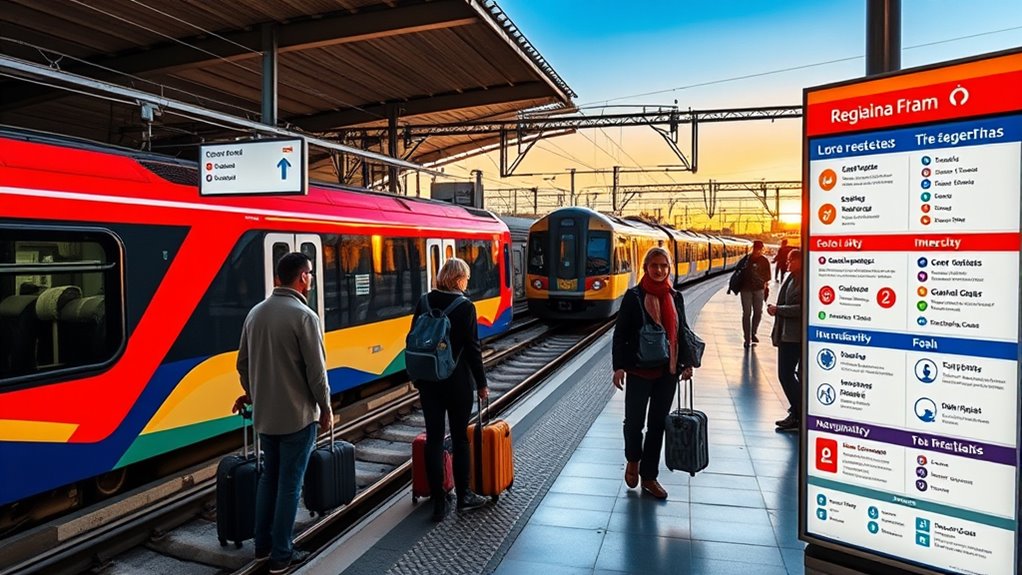
Spain offers a variety of regional train services to suit different travel needs, from quick short-distance routes to long-distance connections. You’ll find Media Distancia trains mainly handling medium-distance trips between cities and towns, offering reliable travel options. Renfe’s Regional Express trains operate on shared routes, with some calling at numerous stations for slower journeys, while others are faster. Euromed trains connect Barcelona, Valencia, and Alicante at speeds up to 250 km/h, providing rapid travel along the coast. Night trains like Trenhotel offer overnight comfort between major cities and Europe. Intercity services, including Talgo trains, run long-distance routes across Spain, combining comfort with speed. Knowing these different services helps you choose the right train for your trip, whether it’s a quick hop or a scenic journey. Understanding different regional train services enables travelers to select the most suitable option for their itinerary and travel style. Additionally, being aware of ticketing and fare policies can help you avoid confusion and ensure smooth travel experiences, especially when dealing with various fare options and discounts, which can vary significantly between services. Familiarizing yourself with train schedules and booking procedures can further streamline your journey and prevent last-minute surprises. Moreover, understanding the specific routes and station networks can significantly enhance your navigation and overall travel efficiency.
Renfe regional train app
As an affiliate, we earn on qualifying purchases.
As an affiliate, we earn on qualifying purchases.
Navigating Regional Train Stations and Infrastructure
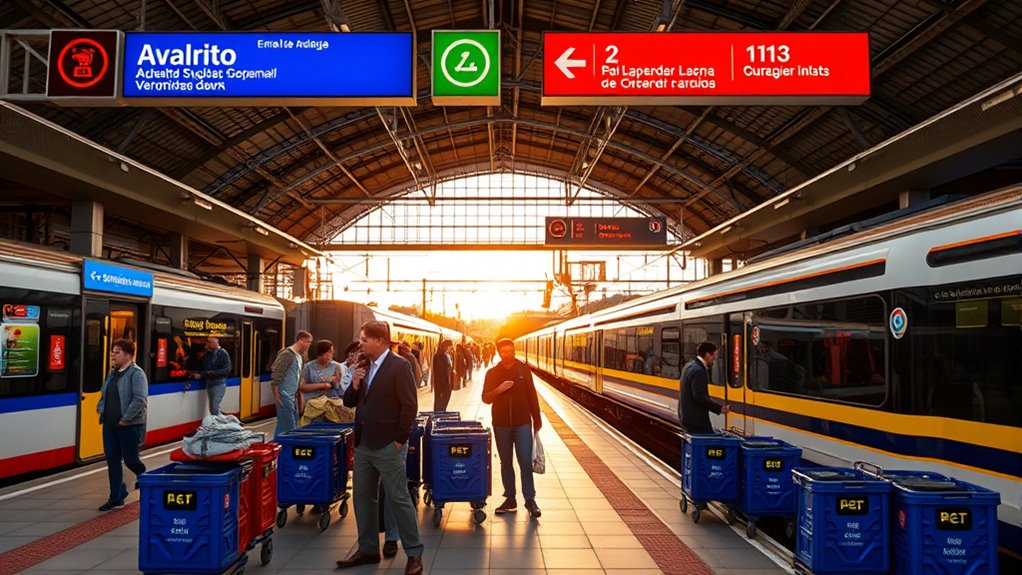
Regional train stations serve as essential gateways to exploring smaller cities and towns beyond major tourist hubs. When you arrive, look for clear signage indicating the platform number and destination. Most stations have ticket machines, where you can purchase or validate your tickets before boarding. Pay attention to departure boards, which display real-time updates on train schedules and platform changes. Smaller stations might have fewer amenities, but they typically include basic facilities like seating, restrooms, and information boards. At larger stations, staff are available to assist with directions and ticket queries. Always arrive a few minutes early to avoid rushing, especially in unfamiliar stations. Keep your ticket handy, and listen for announcements to stay informed about your train’s departure. Being familiar with the regional train network can also help you plan alternative routes in case of delays or disruptions. Understanding station infrastructure can further improve your navigation experience and reduce confusion during your journey. Additionally, familiarizing yourself with station signage can make finding your platform even easier.
FWBOYSV Train Station Metal Sign 4x16in Vintage Street Plaque for Office Living Room Hallway Indoor House Wall Decor
Size Info: 4×16 inches vintage plaque for office or living room
As an affiliate, we earn on qualifying purchases.
As an affiliate, we earn on qualifying purchases.
Planning Your Journey: Routes and Schedules
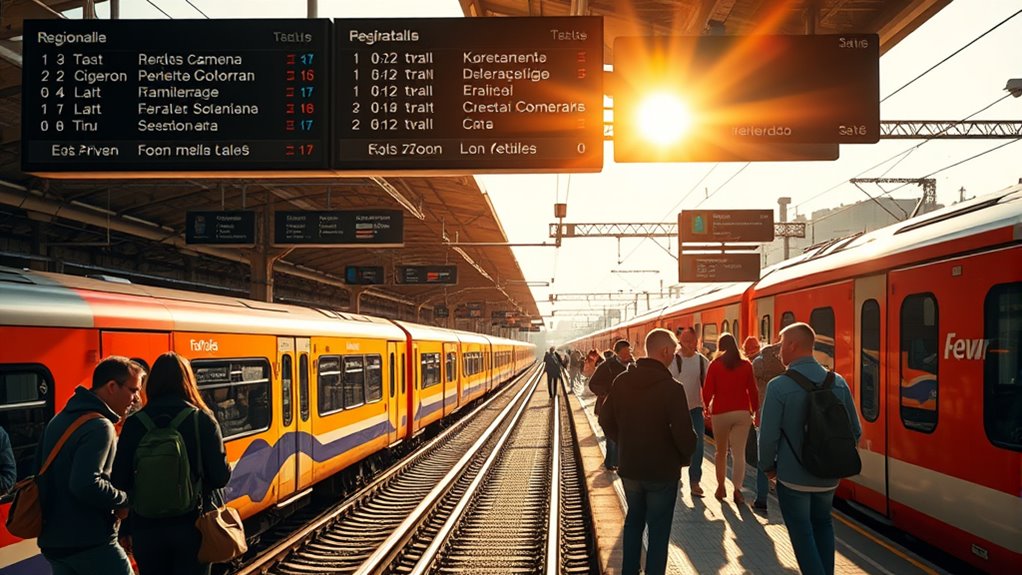
When planning your journey, you should explore the available route options and destinations to match your travel goals. Checking timetables and service frequencies helps you choose the best times and avoid unnecessary waits. Additionally, understanding European cloud innovation can inspire you to adopt new technologies for a more efficient travel experience. Recognizing the importance of train technology can also help you better appreciate the features of the regional train network. Being aware of large number conversions can assist you in understanding schedule durations or ticket prices expressed in different units. Moreover, considering industry recognition of service providers can help you select the most reputable options for your trip. Gaining insight into herbal teas may also inspire you to prepare a calming drink after a long day of travel. By understanding these details, you’ll guarantee a smooth and efficient trip across Spain’s regional train network.
Route Options and Destinations
Planning your journey with Spain’s regional trains offers a variety of route options that connect smaller cities, towns, and key destinations across the country. You can choose from different types of routes to suit your travel plans.
- Local routes connect nearby towns and suburbs, ideal for short trips.
- Medium-distance routes link provincial capitals with smaller cities, providing broader regional access.
- Intercity routes connect major cities like Madrid, Barcelona, and Seville, often with scenic stops.
- Night trains offer overnight travel options between key destinations, saving time and accommodation costs.
Knowing which routes serve your desired destinations helps you plan efficiently. Be aware of route variations, seasonal schedules, and regional service differences to make certain of smooth travel across Spain’s diverse landscape. Understanding train network coverage can further enhance your planning and ensure you select the most suitable routes for your journey. Additionally, affiliate disclosure informs travelers about potential commissions and supports transparent planning decisions.
Moreover, being aware of energetic alignment and how it influences your travel experience can help you choose routes that enhance your overall journey. Incorporating regional transportation policies can also provide insights into schedule reliability and service improvements that benefit travelers.
Checking Timetables and Frequencies
To guarantee a smooth journey, it’s essential to check the latest timetables and frequencies before you travel. Visit Renfe’s official website or use their mobile app to access up-to-date schedule information. Timetables can vary by season, day of the week, and even time of day, so always verify before your departure. Frequencies depend on the route; some regional trains run hourly, while others might have several departures per day. Keep in mind that smaller stations may have limited services, especially on weekends or holidays. Support Breakfast options, such as healthy snacks, can also help you stay energized during your travels, so packing nutritious foods is recommended. Additionally, understanding train operation patterns can help you better anticipate delays or changes, especially during peak seasons. Being familiar with scheduling patterns can assist you in planning connections more effectively. For more flexibility, consider booking tickets in advance, especially during busy travel periods. Regularly checking schedules ensures you won’t miss your train and helps you plan connections smoothly across Spain’s regional network.
Spanish regional train travel accessories
As an affiliate, we earn on qualifying purchases.
As an affiliate, we earn on qualifying purchases.
Booking Tickets and Managing Reservations
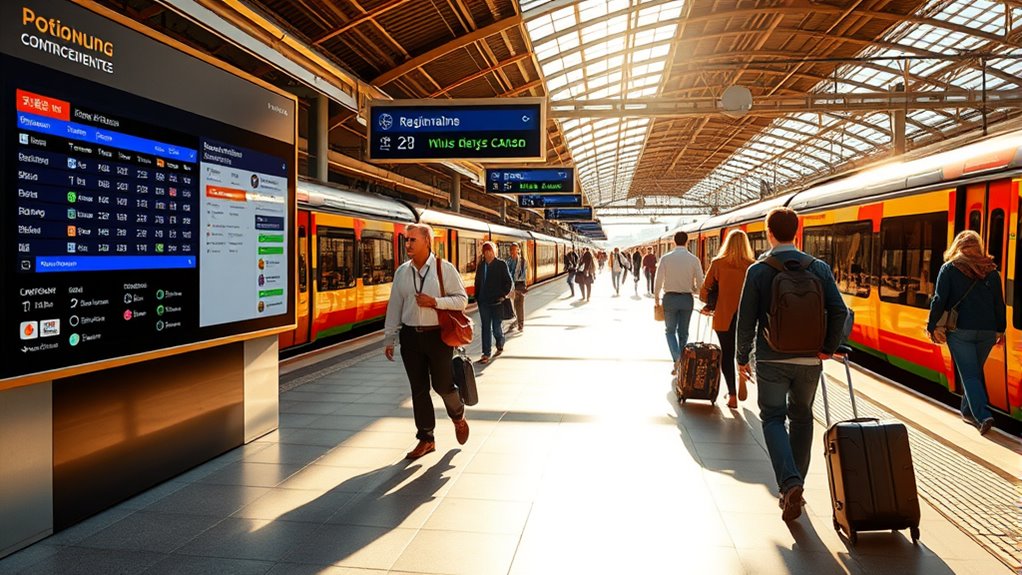
Booking tickets for Spain’s regional trains typically requires securing a seat reservation in advance, especially on popular routes or high-demand times. You can easily do this online through Renfe’s website or mobile app, which offers real-time schedules and ticket options. To make your booking smoother, keep these steps in mind:
- Choose your route and travel date to see available options.
- Select your preferred class and seat, if applicable.
- Pay securely using your credit card or other accepted methods.
- Save or print your ticket, or opt for mobile ticketing for convenience.
Knowing the Amenities and Comfort Options on Regional Trains
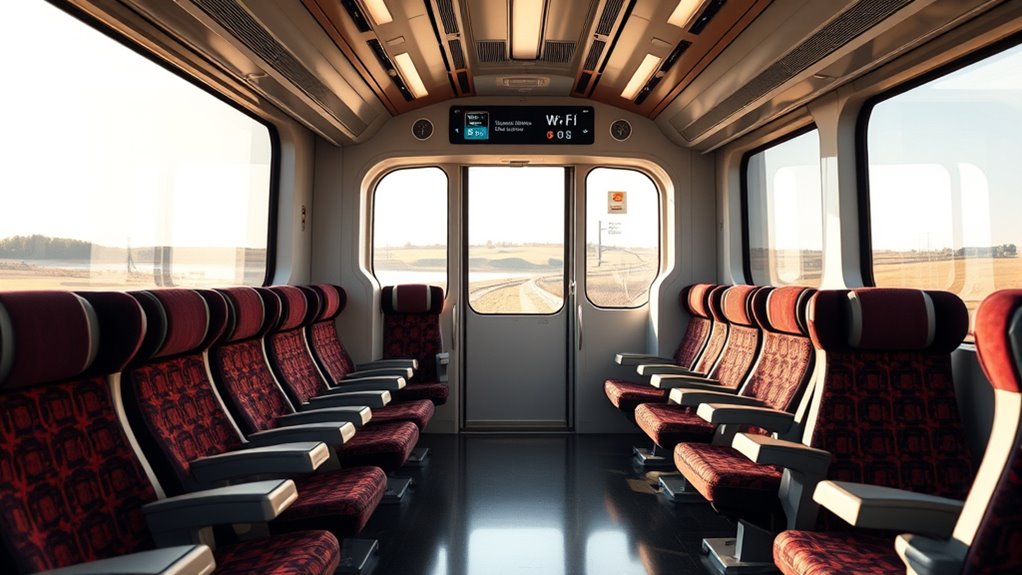
Once you’ve secured your tickets, it’s helpful to know what amenities and comfort options are available on Spain’s regional trains. Most Renfe regional trains are air-conditioned, ensuring a comfortable ride regardless of the weather. Many trains feature power sockets at seats, so you can charge your devices during the journey. Upgraded services often include complimentary WiFi, helping you stay connected. On longer routes, cafe-bar services are available, allowing you to purchase snacks and drinks without leaving your seat. Some trains offer comfort class options, providing more spacious seating and additional amenities for a more premium experience. Keep in mind that older regional trains in rural areas may lack some modern features like power sockets or WiFi, so plan accordingly.
Tips for a Smooth and Enjoyable Travel Experience

Preparing for your regional train journey in Spain can make a significant difference in ensuring a smooth and enjoyable experience. To do that, keep these tips in mind:
- Plan ahead: Book your tickets online in advance, especially during peak times, to secure your seat and avoid last-minute stress.
- Arrive early: Arrive at the station at least 15 minutes before departure to find your platform and get comfortable.
- Check your train info: Confirm your train number, departure time, and platform, as stations may have multiple services running simultaneously.
- Pack essentials: Bring water, snacks, and chargers, especially for longer journeys, and keep your ticket handy for quick access during boarding.
Following these steps guarantees a calmer, more enjoyable trip through Spain’s scenic regional routes.
Frequently Asked Questions
Are Regional Train Tickets Valid for High-Speed AVE Services?
Regional train tickets aren’t valid for high-speed AVE services. You need a separate ticket for AVE trains, which operate on different lines and have different fare systems. When booking, make sure you select the correct train type. If you’re using a rail pass, it may cover regional trains but usually not high-speed AVE routes. Always double-check your ticket type and route to avoid any surprises at the station.
Can I Use a Rail Pass on All Regional Trains in Spain?
Like a key opening a hidden door, your rail pass grants access to most of Spain’s regional trains. You can use it across Renfe’s network, covering medium-distance routes between cities and towns. However, remember that reservation fees may still apply, and some rural or special services might not be included. Check specific routes and conditions online beforehand to guarantee smooth travels, much like a traveler preparing for an adventure.
Do Regional Trains Operate on Weekends and Holidays?
Yes, regional trains in Spain run on weekends and holidays. You can travel whenever you need, but schedules might be less frequent than on weekdays. Check the timetable in advance on Renfe’s website or at the station to confirm departure times. Keep in mind that some routes may have limited services during holidays or special occasions, so planning ahead guarantees you won’t face surprises.
Is There a Luggage Limit on Regional Train Services?
Luggage limits linger lightly on Spanish regional trains. You can carry a reasonable amount, typically about 20-25 kilograms, without worry. Larger luggage, like bulky bags or sports equipment, may need to be stored in designated areas or require special arrangements. Remember to handle your items carefully, keep them secure, and avoid blocking aisles or exits. If you’re traveling with lots of luggage, check specific train policies or ask station staff for guidance.
How Do I Find Real-Time Updates for Regional Train Delays?
You can find real-time updates for regional train delays by checking Renfe’s official website or app. They provide live departure and arrival times, delay notifications, and platform changes. You can also use third-party platforms like Trainline or Google Maps, which often show real-time status updates. Make sure to enable notifications for instant alerts, so you stay informed about any delays or schedule adjustments during your journey.
Conclusion
Now that you’re armed with everything you need, your journey through Spain’s regional trains will be a smooth sail across vibrant landscapes and bustling stations. Think of each trip as a carefully crafted dance, where knowing the rhythm and steps makes everything flow effortlessly. So, hop aboard with confidence, enjoy the scenic voyage, and let Spain’s regional trains be your trusted companions on your adventure—turning every ride into a memorable chapter of your travel story.