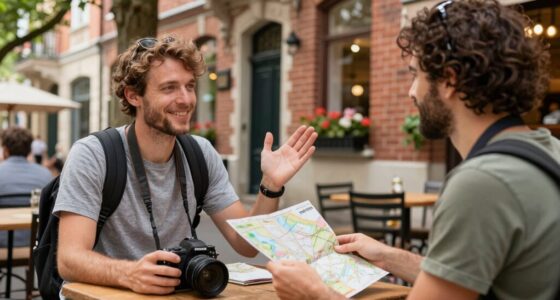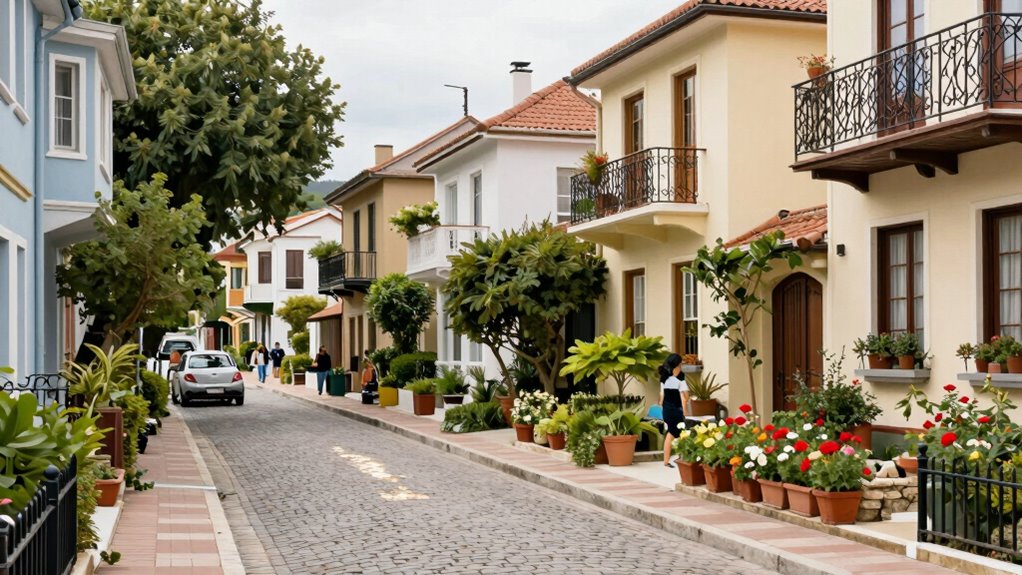

To respect residential neighborhoods in tourist cities, keep your noise levels low, avoid loud music or shouting, especially early mornings and late evenings. Use designated parking spots, follow time restrictions, and don’t block driveways or mailboxes. Dispose of trash responsibly and respect private property. Be mindful of local customs, greet neighbors politely, and behave considerately to help maintain the neighborhood’s peaceful atmosphere. If you want to discover more ways to be a considerate visitor, keep exploring these guidelines.

Get travel and outdoor gear delivered free — and shop member deals
- Fast, free delivery on millions of items
- Access to Prime Big Deal Days deals on October 6–7
- Prime Video, Amazon Music and more included
Key Takeaways
- Keep noise levels low, especially during early mornings and late evenings, to avoid disturbing residents.
- Use designated parking spots, avoid blocking driveways, and follow time restrictions.
- Dispose of trash properly and respect private yards and property boundaries.
- Be aware of and adhere to local customs, community standards, and behavioral expectations.
- Engage politely with residents and support neighborhood cleanliness to maintain harmony.
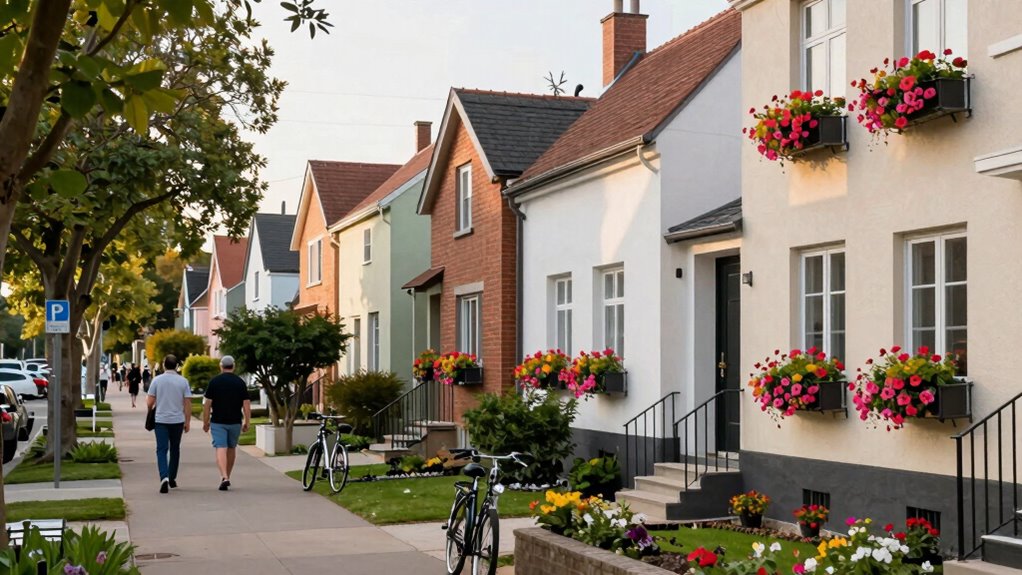
Tourist cities often attract visitors enthusiastic to explore new sights, but this influx can sometimes disrupt the peace of residential neighborhoods. As a visitor, it’s important to be mindful of the local environment and respect the residents living there. One of the easiest ways to do this is by paying attention to local noise levels. When you’re out exploring or returning to your accommodation, keep your voice at a reasonable volume, especially during early mornings or late evenings. Avoid loud music, shouting, or any noise that might disturb neighbors who are trying to rest or go about their daily routines. Remember, just because you’re excited about your trip doesn’t mean everyone else shares that energy late into the night or early in the morning. Being conscious of noise shows respect and helps maintain the neighborhood’s peaceful atmosphere. Respecting local customs and noise levels is essential for harmonious coexistence in these areas. Additionally, being aware of community expectations can help you better understand what behaviors are considered respectful and appropriate.
Parking etiquette is another essential aspect to keep in mind. Many residential areas have limited parking options, and improper parking can cause frustration for residents. Always look for designated parking spots and avoid blocking driveways, fire hydrants, or street corners. If parking is restricted, find alternative spots rather than risking a ticket or having your vehicle towed. When parking in residential zones, be courteous by parking within the lines and leaving enough space for others to maneuver. If there are time restrictions, adhere to them strictly so you don’t inconvenience residents who rely on street parking for their daily needs. Additionally, avoid parking in front of mailboxes or access points that residents need to reach easily. Showing consideration with your parking habits can prevent conflicts and foster goodwill between visitors and locals. Being aware of local parking regulations can help you avoid accidental violations and demonstrate respect for the community. Moreover, understanding how to recognize appropriate parking behavior can further enhance your positive interactions with residents.
Beyond noise and parking, it’s also wise to be mindful of trash disposal and respecting private property. Dispose of your waste properly and avoid littering, as many neighborhoods take pride in their cleanliness. Respect private yards and homes—refrain from wandering onto lawns or taking photos without permission. When in doubt, ask residents or look for signs indicating rules or restrictions. Small acts of courtesy, like greeting neighbors or acknowledging local customs, can go a long way in making your visit harmonious.
Ultimately, your goal should be to enjoy your trip without disrupting the lives of those who call the neighborhood home. By consciously managing your noise levels, practicing good parking etiquette, and respecting local customs, you contribute to maintaining the charm and tranquility that make these neighborhoods special. Remember, traveling responsibly isn’t just about seeing sights; it’s about respecting the community that makes your experience memorable.
noise-canceling travel headphones
As an affiliate, we earn on qualifying purchases.
As an affiliate, we earn on qualifying purchases.
Frequently Asked Questions
How Can Tourists Find Local Community Events to Participate In?
You can find local community events by checking out community boards, social media pages, and local newspapers for upcoming events. Engage with residents or visit local visitor centers to gather information. Participating in community engagement activities shows respect and interest in local culture. Look for events like markets, festivals, or neighborhood gatherings that welcome tourists, and approach event participation with enthusiasm and an open mind to truly connect with the community.
What Are the Best Ways to Support Local Residents Financially?
To support local residents financially, prioritize local business support by shopping at neighborhood stores, dining at locally-owned restaurants, and using small service providers. Additionally, participate in community donation programs, which directly benefit residents through charitable contributions or volunteer efforts. Your active engagement helps sustain local economies and fosters stronger community bonds, making your visit more meaningful for residents and ensuring the neighborhood thrives alongside tourism.
How Do Noise Regulations Vary Between Neighborhoods?
Noise regulations can vary wildly across neighborhoods, almost like they’re from different planets. You’ll find stricter rules in quiet residential zones, where noise levels are kept minimal, especially during late hours. Zoning laws often designate specific areas for louder activities, like entertainment districts, allowing more noise without disturbing residents. Always check local ordinances before making noise, so you respect neighborhood boundaries and avoid hefty fines or neighborhood backlash.
Are There Specific Days When Restrictions Are Stricter?
Yes, there are specific days when restrictions are stricter, especially during seasonal restrictions and special event days. You should be extra mindful during holidays, festivals, or peak tourist seasons when noise and activity levels are limited to respect residents. Check local regulations beforehand, as authorities often impose stricter rules during these times to maintain peace. By doing so, you help guarantee residents enjoy their neighborhood without undue disturbance.
How Can Tourists Learn About Local Customs and Etiquette?
Imagine wandering into a foreign land like a curious cat, enthusiastic but clueless. To avoid knocking over vases, you gotta learn about cultural sensitivities and etiquette guidelines. You can do this by reading travel guides, asking locals politely, or joining cultural tours. Respectful tourists adapt to customs, not clash with them. So, brush up on local norms, and you’ll blend in like a chameleon rather than stand out like a sore thumb.
As an affiliate, we earn on qualifying purchases.
Conclusion
By embracing respect for residential neighborhoods, you help keep the heart of tourist cities beating gently, like a well-tuned orchestra. Remember, these neighborhoods are not just scenic backdrops but homes filled with lives and stories. When you mind your noise levels, follow local guidelines, and show kindness, you’re planting seeds of understanding that blossom into lasting harmony. Respect turns fleeting visits into meaningful connections, ensuring these vibrant communities remain welcoming oases amid the bustling tourist tide.
As an affiliate, we earn on qualifying purchases.
neighborhood respectful visitor guidebook
As an affiliate, we earn on qualifying purchases.
As an affiliate, we earn on qualifying purchases.
Evergreen bestsellers Picks
bestsellers
As an affiliate, we earn on qualifying purchases.